



Vintage Wood Relief
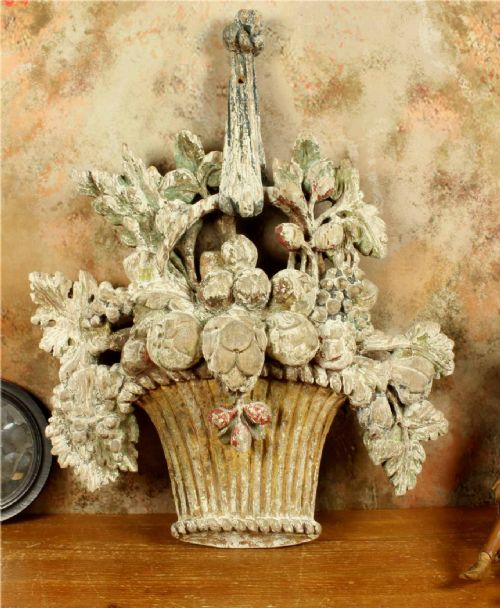
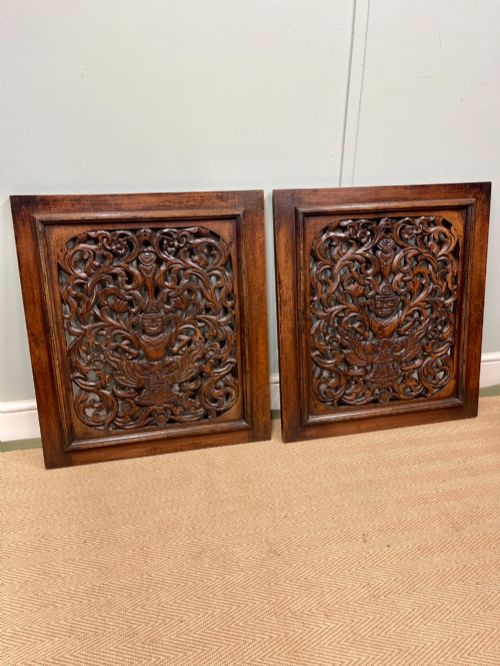
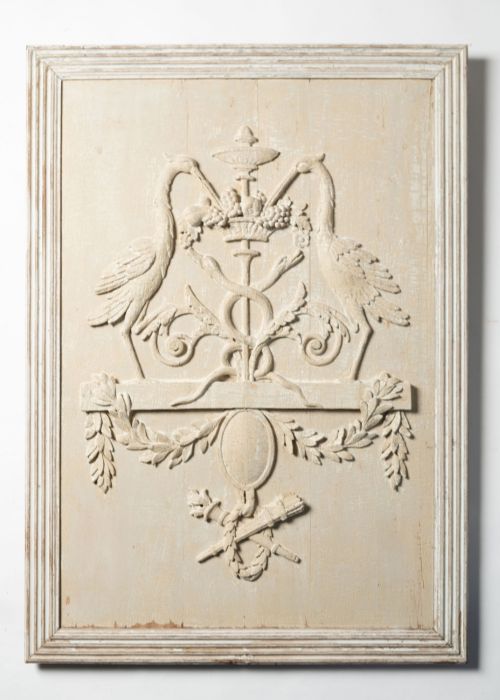
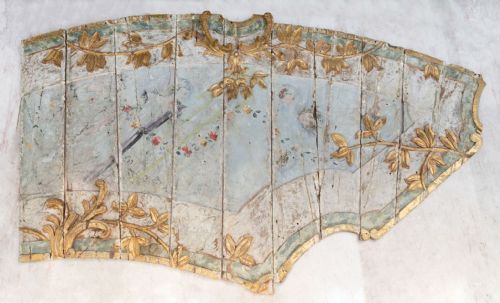
These vintage wood relief panels and carvings bring texture and historical depth to interiors through hand-chiselled detail.
Vintage Wood Relief
Vintage wood relief encompasses carved wall panels, plaques, and architectural fragments originating from various global traditions and periods. Buyers searching for vintage wood relief most frequently encounter 19th-century carved panels, decorative plaques, and storage trunks featuring deep sculptural carving.
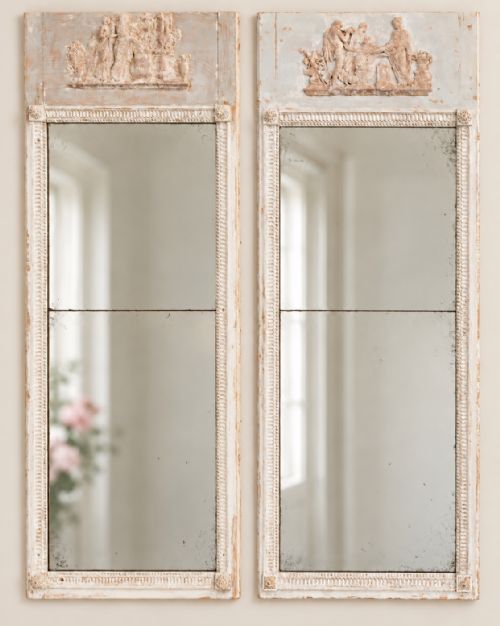
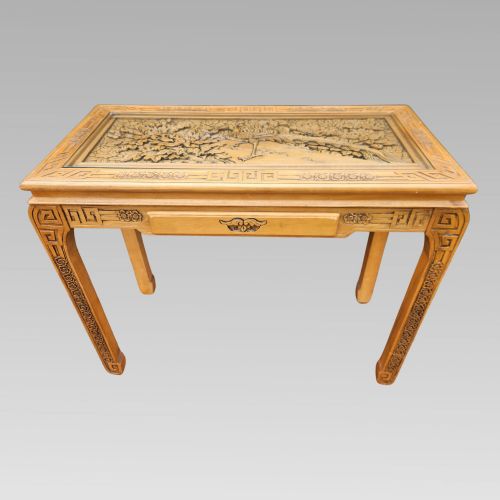
The selection ranges from traditional Chinese export items and Burmese panels to European Black Forest trophies and French architectural decorations. Forms vary from flat wall art and mirrors to functional furniture incorporating carved elements.
Originating across distinct regional workshops, these pieces reflect local timber choices and cultural motifs, spanning traditional floral arrangements to figurative scenes and animal carvings.
Materials and construction
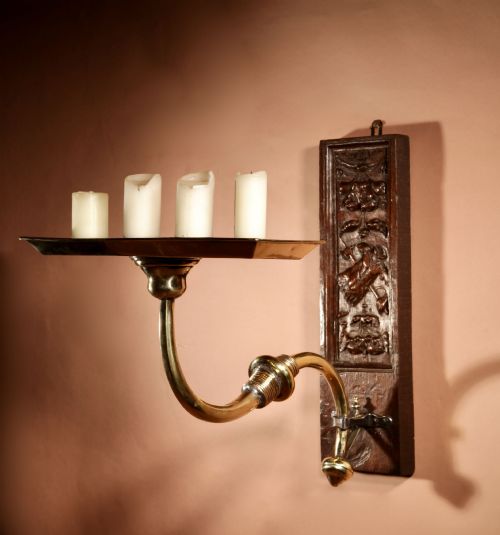
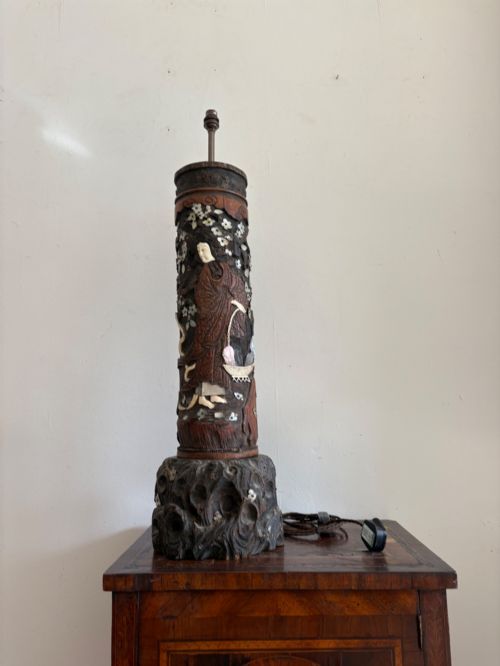
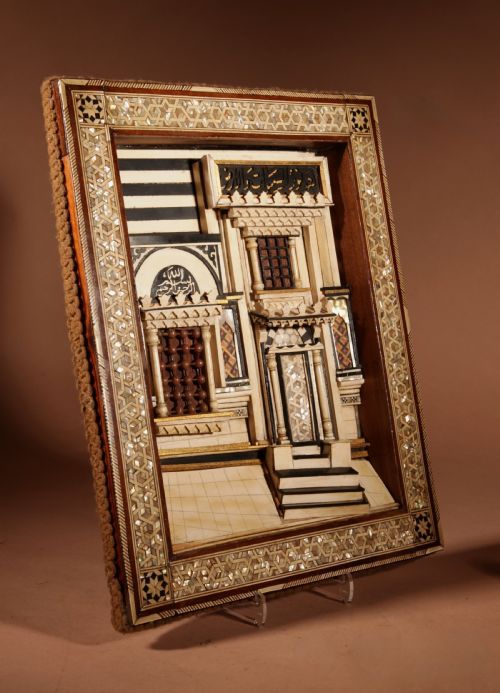
Artisans carved these pieces primarily from dense timbers such as teak, oak, camphor wood, elm, and walnut, selecting woods that held fine chisel work without splitting. Certain items incorporate paint, brass, or parcel gilding to accentuate the carved depths and create contrast against the timber ground.
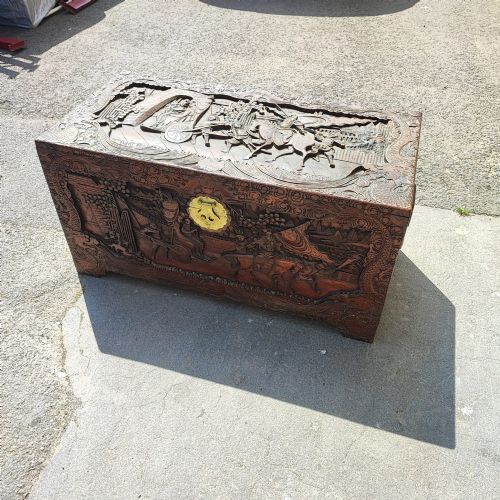
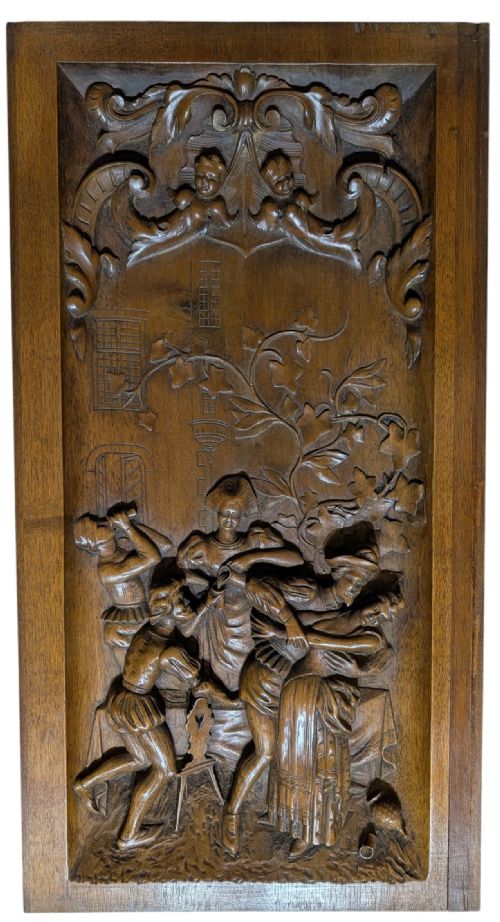
The technique relies on hand-chiselling and gouging to create varying depths of low and high relief, allowing figures and botanical motifs to emerge from the background plane. Joinery methods reflect regional traditions, from pegged mortise and tenon frames in European furniture to intricate panel assemblies in Oriental chests.
Vintage Wood Relief Retail Price Guide 2026
Typical asking prices for vintage wood relief among the pieces listed under this phrase on Sellingantiques today, from the lower quarter to the upper quarter. They describe what is for sale here now, not the wider market.
The items span the 18th century, Victorian era, 19th century, and early 20th century up to the 1940s.
Evaluating craftsmanship and condition
Quality rests upon the crispness of the chisel work and the depth of the carving, where superior examples display sharp undercut details rather than soft, machine-milled contours. The selection of timber also dictates standard, with tightly grained hardwoods holding intricate designs far better than softer or more reactive woods.
Proportion and symmetry in paired panels, alongside the preservation of original surface patination and finish, separate master-carved regional works from standard decorative output.
The Vintage Wood Relief Glossary
- Relief
- A sculptural technique where elements project from a background plane. In these pieces, carving depth creates shadow and three-dimensional form.
- Camphor wood
- An aromatic timber frequently utilised for trunks and chests. Its natural scent protects stored contents while providing a stable medium for intricate carving.
- Trumeau
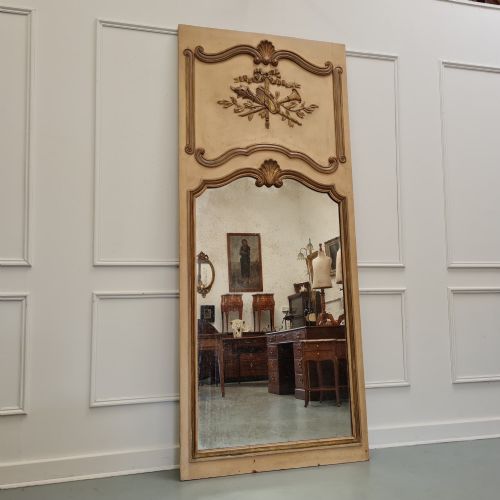
- A decorative architectural mirror or panel placed between windows or above a mantelpiece. It often combines painted surfaces with carved wooden appliques.
- Black Forest
- A regional style of wood carving originating from central Europe, known for realistic representations of animals, foliage, and hunting trophies.
- Chinoiserie
- European artistic interpretation of Chinese and East Asian motifs. It appears in decorative panels and furniture elements.
Vintage Wood Relief: Frequently Asked Questions
How do I hang a heavy carved wood panel safely?
Heavy carved panels require secure fixings anchored directly into wall studs or masonry using appropriate brackets that match the weight of the timber.
Ensuring the hanging wire or integrated mounting points distribute the load evenly prevents structural strain on the antique frame.
How do I clean vintage carved wood without damage?
Dust carved surfaces gently using a soft-bristled brush to reach into recessed crevices without abrading the dry timber grain or original finish.
Avoid liquid polishes and water, which can penetrate unsealed wood or soften historical wax coatings.
How can I tell the age of a carved panel?
Age is indicated by tool marks, timber shrinkage patterns, and the type of grain exposed across the reverse side of the panel.
Hand-cut joints and period-specific decorative motifs provide further chronological context when compared against known regional styles.
Can I use a carved wood panel as a headboard?
Large architectural panels or pairs of vertical carvings adapt well to wall-mounted bed headboards when properly secured to structural supports.
Positioning the carving away from direct contact with pillows reduces friction and preserves the protruding relief details.