


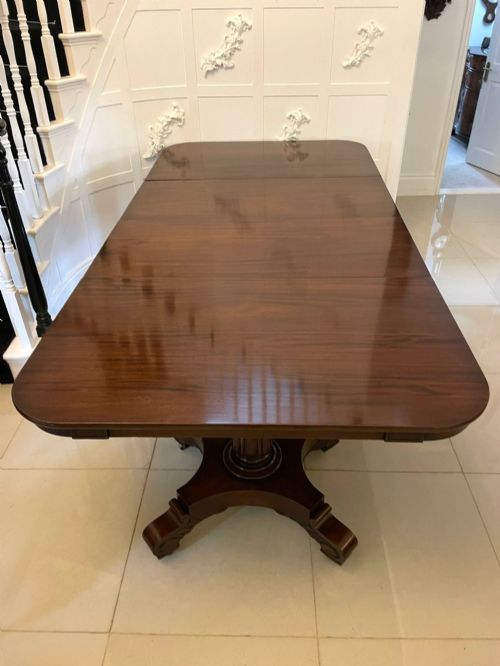
Vintage Wood Pedestal Table
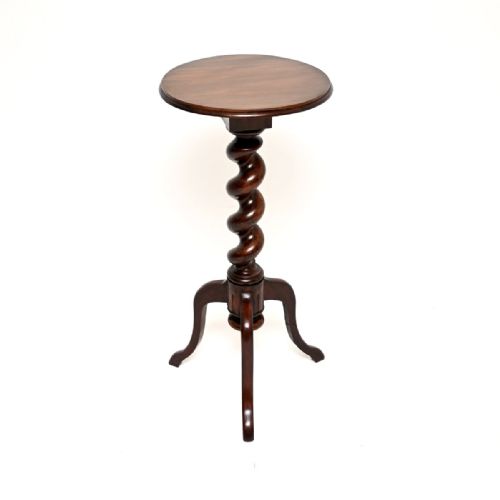
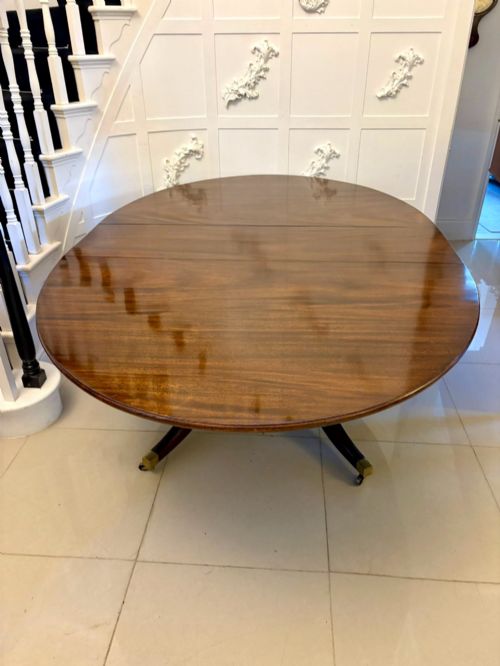
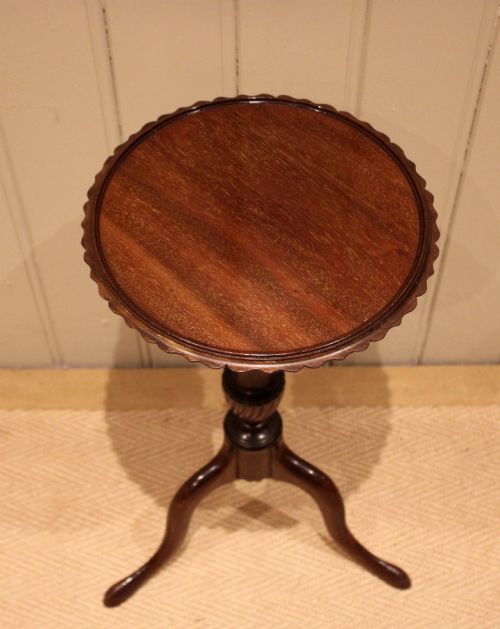
A vintage wood pedestal table anchors a room with a single central support, offering steady service as a dining surface, desk or wine stand.
Vintage Wood Pedestal Table
When you search for a vintage wood pedestal table, you encounter a wide array of single-pillar supports ranging from compact wine stands to grand dining tables. The selection spans the Georgian, Victorian and Edwardian periods, alongside later Art Deco designs.
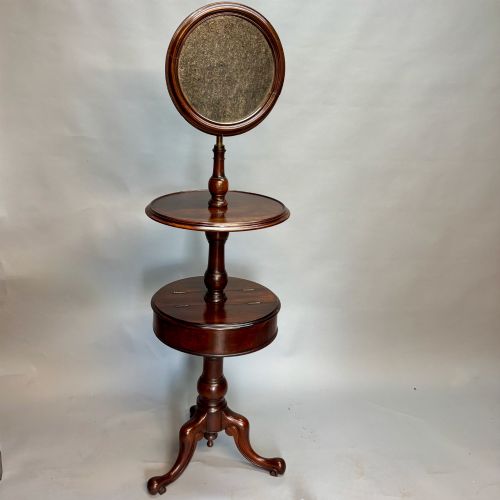
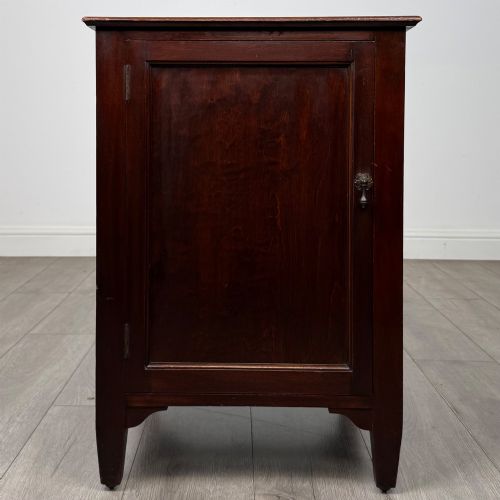
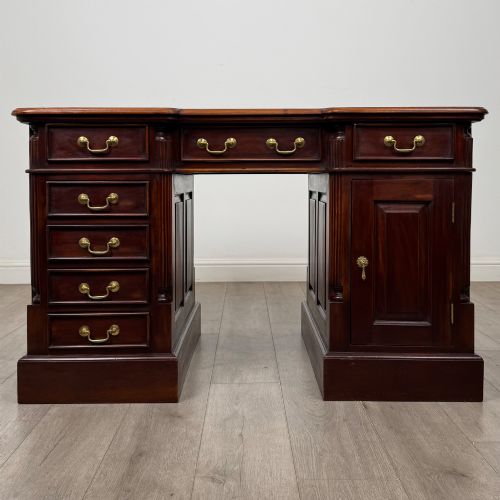
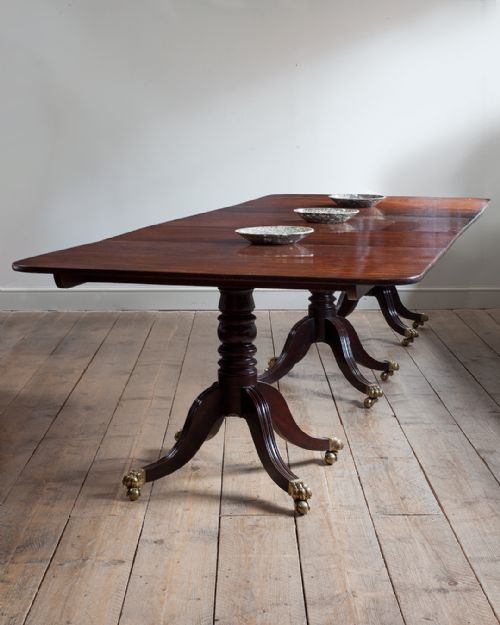
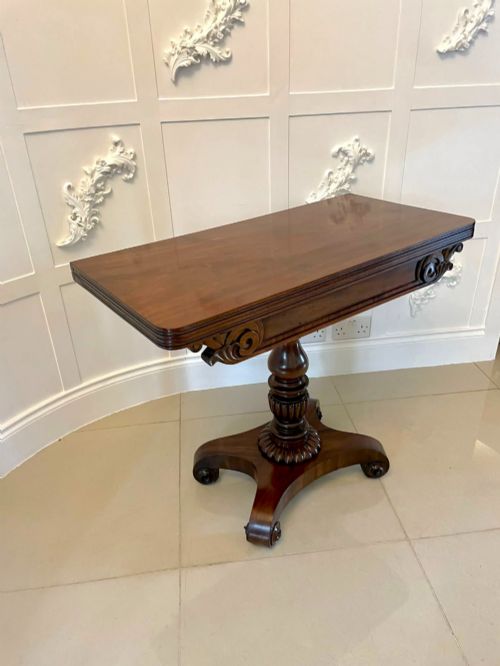
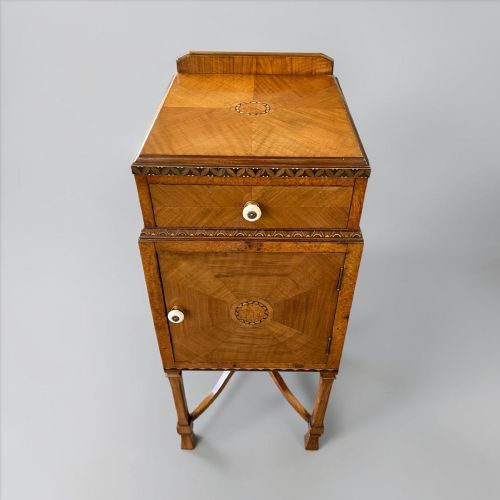
The most frequent forms on this page include mahogany dining tables with multiple pillars, compact bedside cabinets, occasional tables and pedestal desks. Oak, walnut and rosewood also appear across the centuries, reflecting changing domestic fashions.
Originating as practical items for dining, writing or display, these pieces rely on a central column or triform base rather than four corner legs. This construction allows greater legroom and a distinct architectural presence in a room.
How they were made
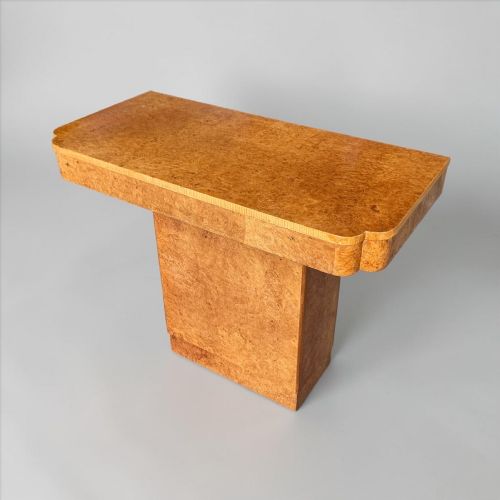
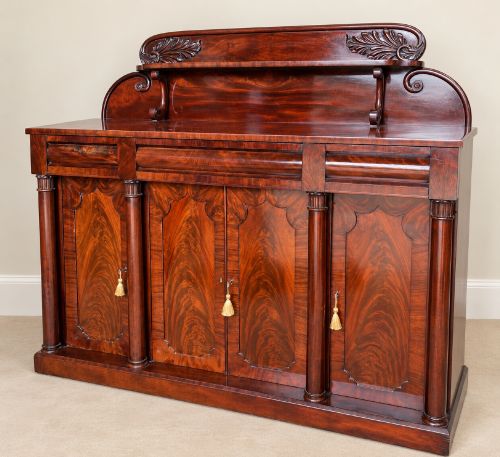
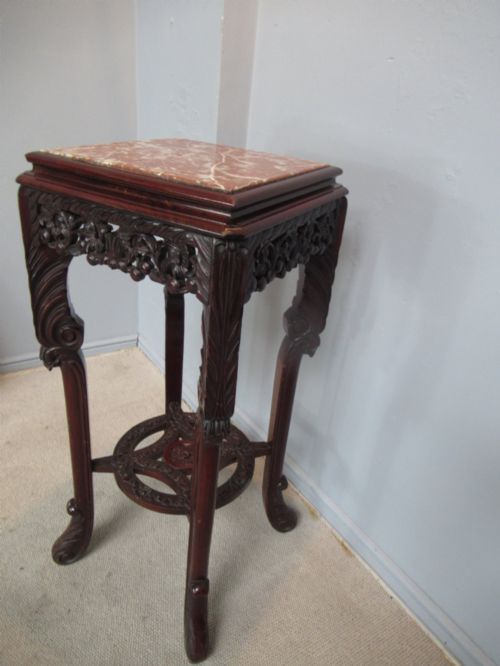
Cabinetmakers built these tables using dense timbers such as mahogany, walnut and oak, often selecting figured veneers to create striking grain patterns on table tops and desk surfaces. Brass mounts, leather inserts and marble tops add contrasting textures to the woodwork.
Construction techniques involve turning solid timber on a lathe for the central column, while bases frequently feature carved triform or quadruped legs. Dining versions utilise extending mechanisms with multiple pillars to support heavy leaves.
Listings span the nineteenth and twentieth centuries, featuring mahogany, oak, walnut and rosewood across dining, desk and occasional forms.
What varies in quality
Quality rests in the selection of the timber, where finely figured mahogany or burr maple displays rich depth and careful book-matching across the surface. The stability of the central pillar and the crispness of any hand-carved details on the base dictate the standing of the piece.
Maker attribution elevates certain desks and tables, particularly when associated with established workshops or retailers recorded in the structure. The integration of secondary materials like gilt brass, leather tops or inset marble further separates standard utilitarian items from finer examples.
Trollope and sons·Hobbs and Co
The Vintage Wood Pedestal Table Glossary
- Pedestal table
- A table supported by a single central pillar resting on a footed base. This design maximises seating space around the perimeter.
- Triform base
- A three-sided or three-legged support structure beneath a central column. It provides stability for heavy circular breakfast and dining tables.
- Tilt top
- A table mechanism allowing the surface to pivot to a vertical position when not in use. This saved space in historic domestic interiors.
- Kneehole desk
- A writing table featuring a central recess for the user's legs, flanked by pedestals of drawers. They emerged in various forms throughout the nineteenth century.
- Gueridon
- A small French round table supported by a figure or central column. They function as accent pieces or lamp tables.
Vintage Wood Pedestal Table: Frequently Asked Questions
How do I date a pedestal table?
Dating relies on timber selection, construction methods and stylistic markers associated with periods like the Georgian era or Art Deco. Examining the underside and joinery reveals clues about the era of manufacture.
Secondary materials such as brass mounts or leather writing surfaces also help narrow the decade of production.
Are pedestal tables stable enough for dining?
Large dining versions often utilise multiple pillars to distribute weight evenly across the floor and support extending leaves securely. Single pillar variants are engineered with heavy bases to prevent tipping during daily use.
Checking the firmness of the central column connection ensures the surface remains steady.
What is a tilt top table used for?
Tilt top tables were designed to be tipped vertically and stored against a wall when floor space was required for other activities. In modern settings, they serve as decorative accent tables while retaining their mechanical function.
The catch mechanism underneath locks the surface securely in the horizontal position.
How do I care for wood surfaces?
Maintaining wood surfaces involves applying appropriate waxes or oils to nourish the grain and prevent the timber from drying out. Avoiding direct sunlight and excessive moisture protects nineteenth-century polishes and veneers.
Gentle dusting with a soft cloth preserves the historic patina without abrading the finish.