






Vintage Wood Ottoman
These vintage wood ottoman pieces range from compact footstools to carved blanket boxes, offering practical seating and storage built with traditional craftsmanship.
Vintage Wood Ottoman
When you search for a vintage wood ottoman, you encounter a varied selection of functional household items spanning footstools, low benches, and larger blanket boxes. These pieces often originate from the nineteenth century through to the early decades of the twentieth century, reflecting diverse historical design influences.
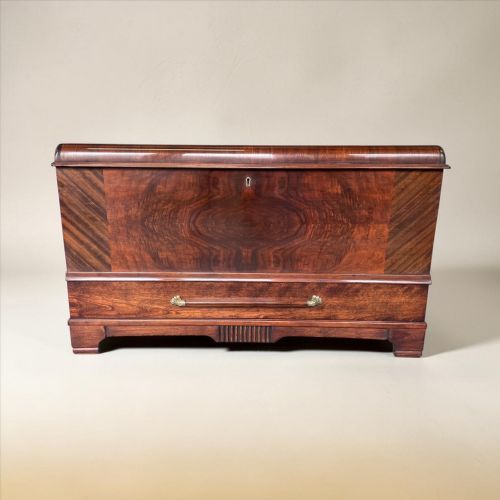
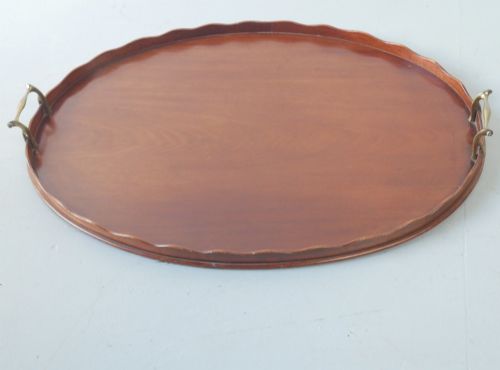
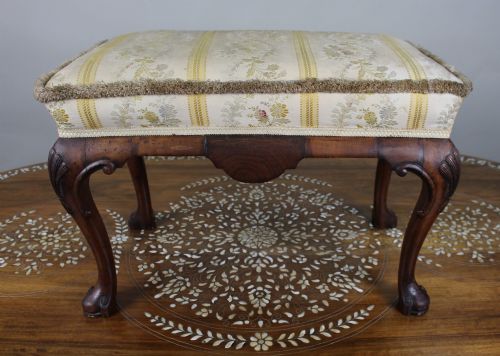
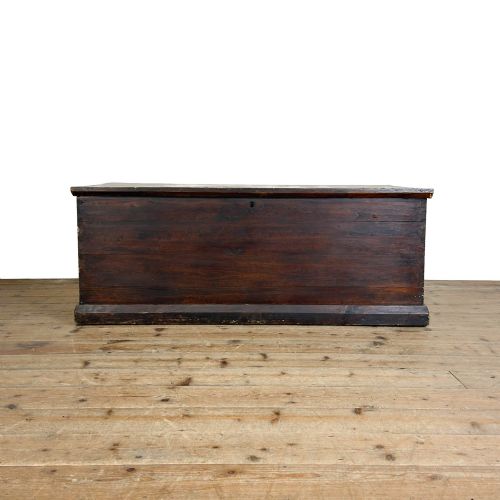
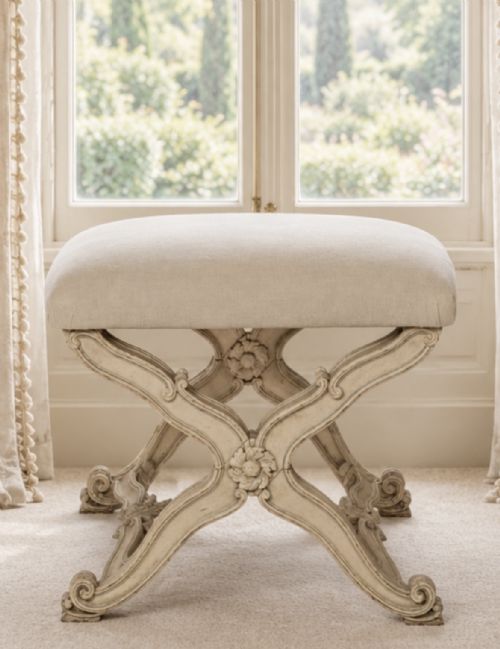
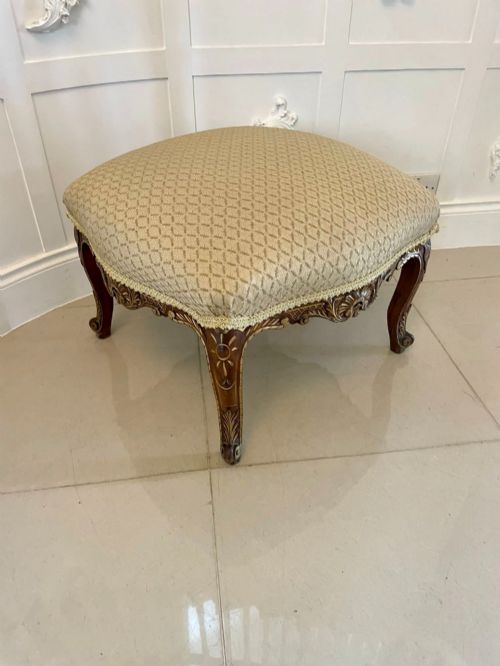
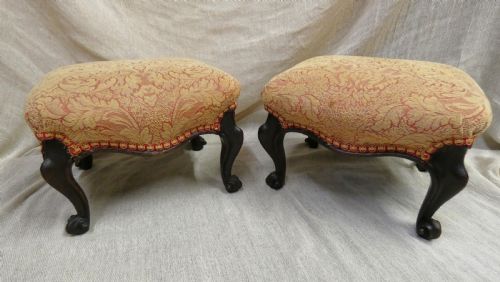
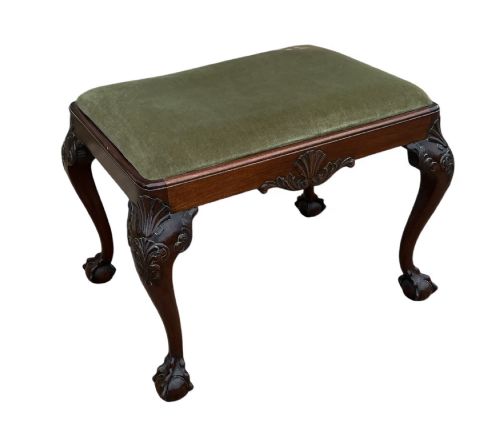
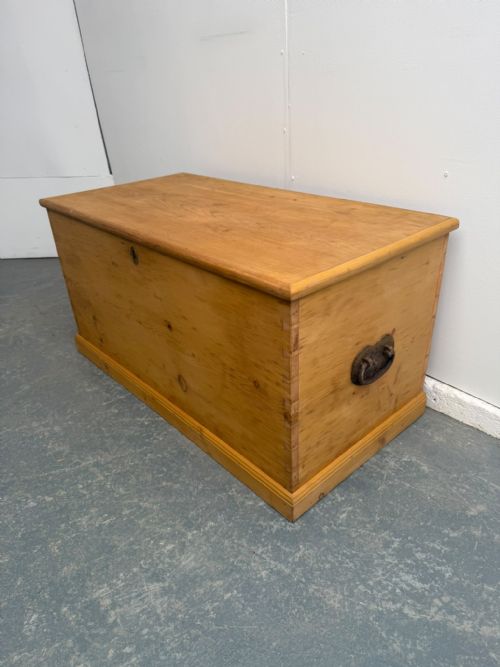
The most common forms on this page include walnut and mahogany footstools alongside pine storage boxes and decorative low seating. Such pieces serve practical roles in living spaces while displaying period carpentry and upholstery.
Origins stretch across British workshops, French provincial sources, and Middle Eastern design traditions. This geographical spread brings together varied woods and decorative techniques within a single category.
Materials and construction methods
Makers utilised solid hardwoods like walnut, mahogany, and oak for structural frames, employing traditional joinery such as mortise and tenon. Softer woods like pine and birch appear primarily in larger storage boxes and blanket chests.
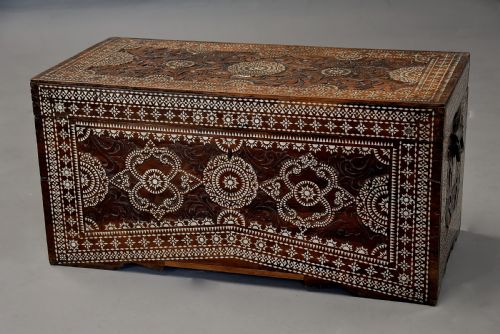
Surface decoration frequently includes hand carving, turned wooden elements, and applied veneers including birds-eye maple. Inlaid details such as mother of pearl and metal wire work appear on specific Middle Eastern and Moorish influenced examples.
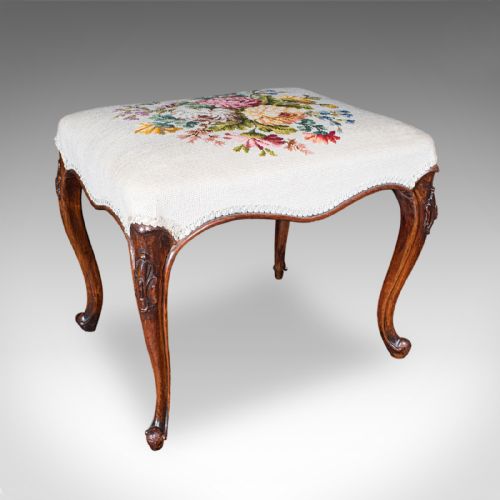
Upholstered elements rely on traditional textiles like needlepoint, kilim seat covers, leather, and velvet. These textile components are secured to the wooden frames using traditional tacking methods.
Vintage Wood Ottoman Retail Price Guide 2026
Typical asking prices for vintage wood ottoman among the pieces listed under this phrase on Sellingantiques today, from the lower quarter to the upper quarter. They describe what is for sale here now, not the wider market.
Listings feature woods such as walnut, mahogany, oak, pine, and birch alongside upholstered elements in needlepoint, leather, velvet, and kilim textiles.
Distinctions in craftsmanship
The degree of hand carving and the precision of joinery separate standard utility items from finer decorative examples. Crisp architectural details and well-balanced proportions indicate superior workshop execution.
Material selection dictates the overall calibre of a piece, with dense native hardwoods and carefully matched grain patterns marking higher status items. The integration of complex inlays or gilt finishes also reflects greater maker investment.
The condition and authenticity of original upholstery surfaces or retained hardware contribute significantly to the standing of any given piece. Elements showing careful hand finishing retain greater integrity than later alterations.
The Vintage Wood Ottoman Glossary
- Blanket box
- A large rectangular chest traditionally used for storing linens and blankets. These utility pieces are constructed from timbers such as pine or cherry.
- Kilim
- A flatwoven carpet or rug often utilised as a durable seat cover on low stools. This textile technique creates geometric patterns characteristic of Near Eastern production.
- Needlepoint
- A type of canvas work embroidery used extensively for upholstery on nineteenth century footstools. Stitches are worked counting threads to form pictorial or floral motifs.
- Mortise and tenon
- A fundamental woodworking joint where a projecting tongue fits securely into a corresponding cavity. This method provides durable structural stability without modern fasteners.
Vintage Wood Ottoman: Frequently Asked Questions
How do I date a wooden stool?
Dating relies upon examining the timber species, construction joinery, and the style of any carved ornament. Secondary woods inside storage compartments often provide reliable clues regarding the exact era of production.
Changes in hardware, such as hinges or screws, alongside the style of upholstery webbing help narrow the timeline further. Comparing these physical characteristics against documented period pieces establishes an accurate date of manufacture.
What is an ottoman blanket box?
An ottoman blanket box combines deep interior storage with a covered top designed for resting textiles or garments. These sturdy wooden chests served functional domestic purposes in bedrooms and hallways.
Many examples feature hinged lids and sturdy frames built from native or imported hardwoods. Their dual function as both furniture storage and occasional seating made them household staples throughout the Victorian era.
How do I care for antique wood furniture?
Maintaining antique wood requires stable room humidity and protection from direct sunlight to prevent timber splitting or fading. Regular dusting with a soft dry cloth preserves the polished surface without chemical buildup.
Applying traditional wax occasionally helps nourish older hardwood surfaces and maintains a gentle sheen. Avoid placing damp items directly onto antique wooden tops to protect the historical finish.
Are these pieces suitable for daily use?
Most sturdy wooden stools and blanket boxes remain entirely functional for everyday domestic requirements. Solid hardwood frames and traditional joinery provide the structural integrity needed for regular seating and storage.
Delicate carved details or fragile antique upholstery might require more mindful placement in high traffic areas. Assessing the internal frame strength helps determine whether a specific item suits active daily service.