


Vintage Wood Lighting
These vintage wood lighting pieces bring warmth and architectural character to a room through turned oak, carved giltwood, and polished mahogany.
Vintage Wood Lighting
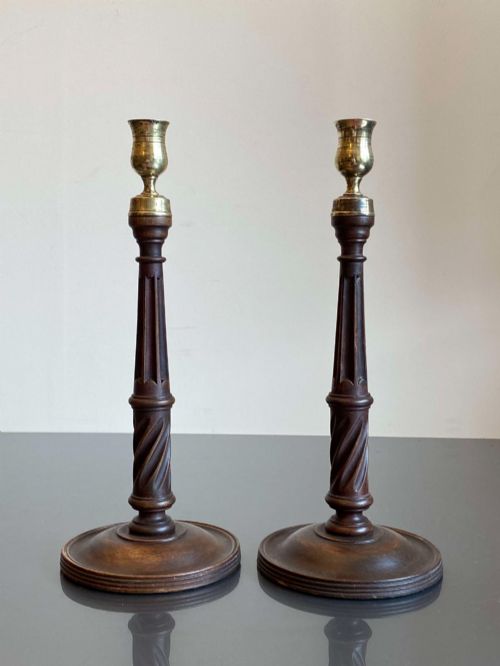
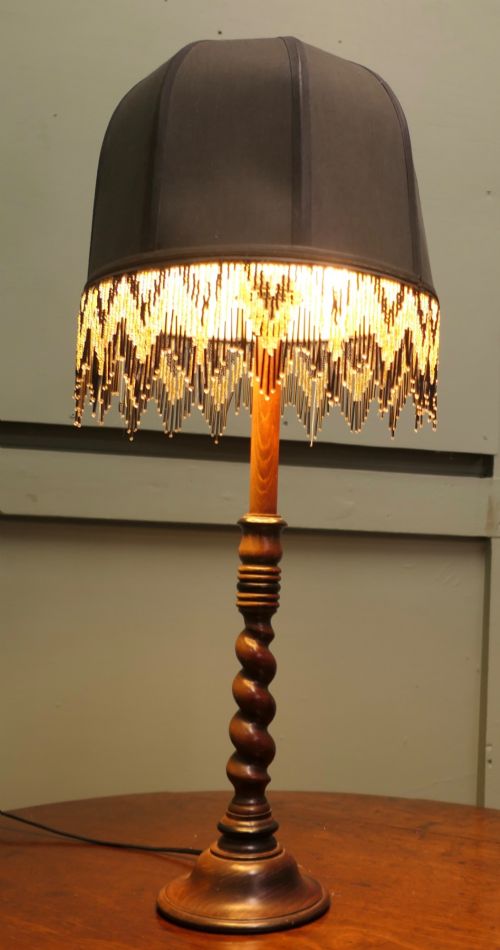
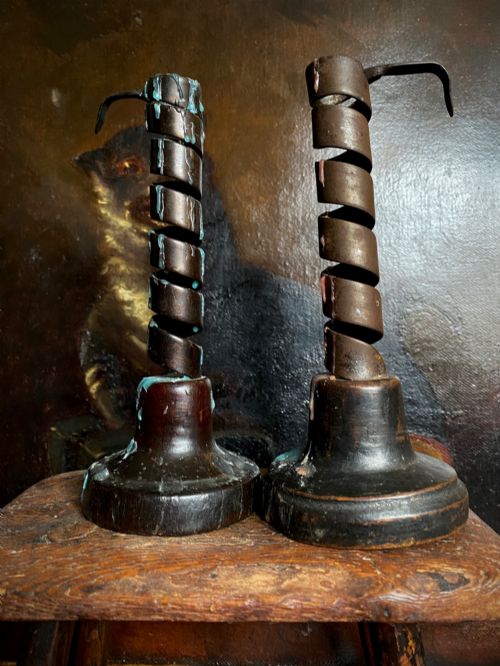
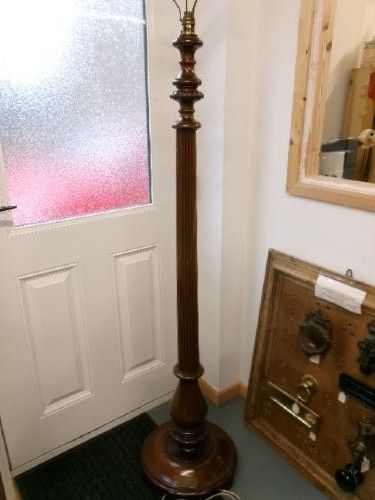
Vintage wood lighting encompasses standard lamps, table lamps, floor lamps, wall lights, and chandeliers originating from the Georgian period through to the 1930s. The selection relies heavily on turned mahogany candlesticks, carved oak lamp bases, and floor-standing standards from the early twentieth century.
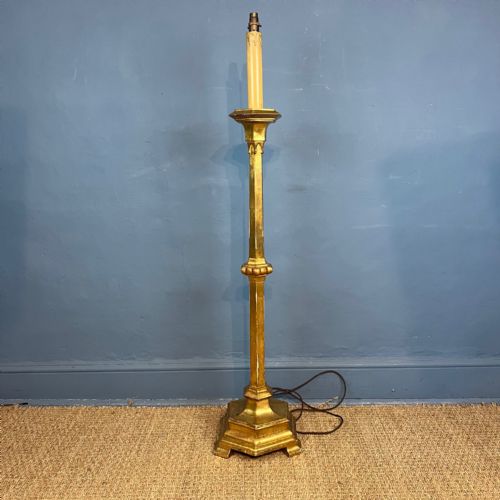
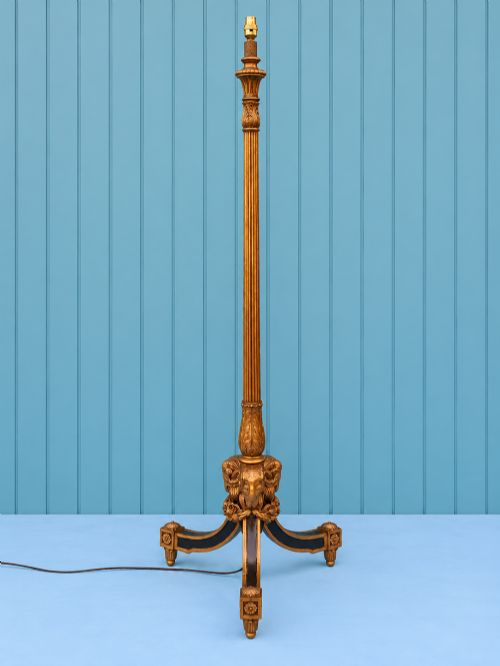
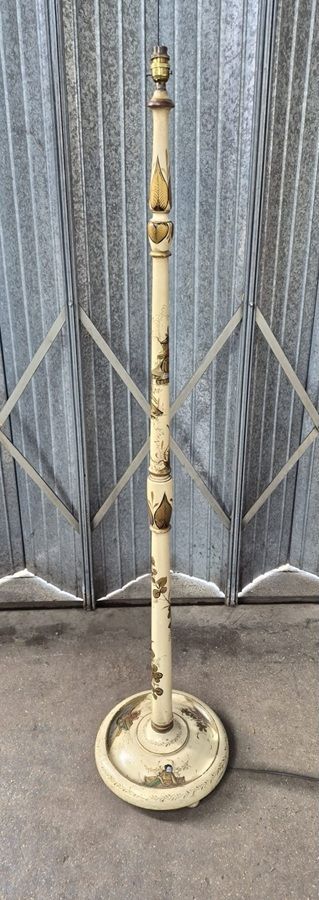
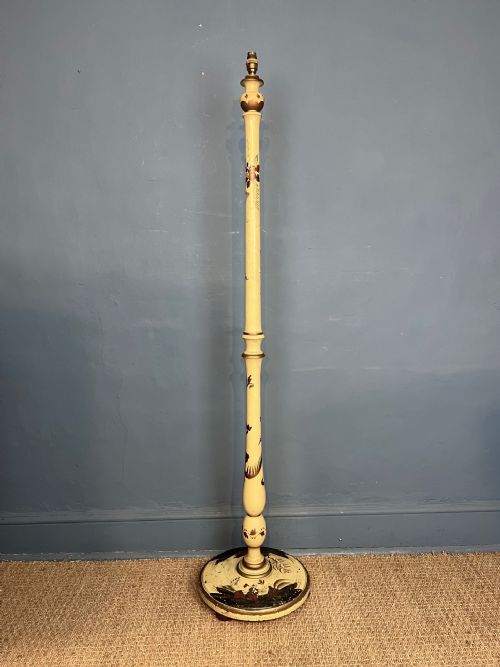
Buyers encounter diverse regional interpretations, ranging from Florentine giltwood arms and Chinoiserie lacquer columns to English Gothic Revival floor lights and Arts and Crafts ash timber. These items translate functional illumination into decorative focal points using traditional timber frames.
Materials and construction
Constructors utilised native and exotic timbers including oak, walnut, sycamore, satin birch, and ash, often shaping them on a lathe or carving them by hand. Giltwood fixtures combine carved timber substrates with layers of gold leaf or silver leaf to achieve ornate surface sheen.
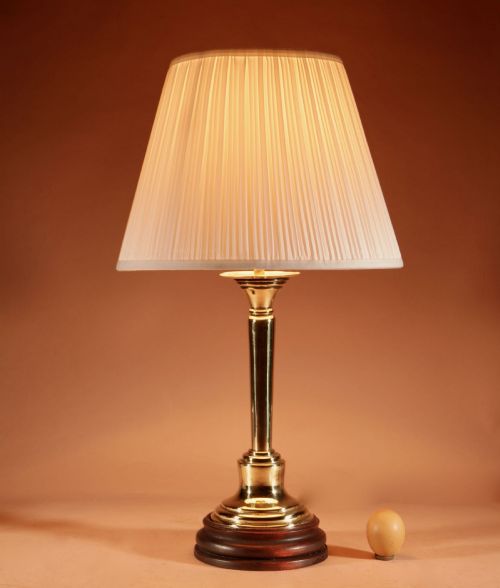
Metal and glass components frequently accompany the woodwork, integrating brass fittings, fabric shades, and glass elements into floor standards and wall sconces. Many older standing pieces undergo rewiring to meet modern electrical safety standards while retaining their original timber bodies.
Vintage Wood Lighting Retail Price Guide 2026
Typical asking prices for vintage wood lighting among the pieces listed under this phrase on Sellingantiques today, from the lower quarter to the upper quarter. They describe what is for sale here now, not the wider market.
Twist table lamps from the 1920s bring an unexpectedly hypnotic spiral energy to bedside tables.
Judging the standard
Quality rests upon the crispness of the timber carving, the integrity of the original surface finish, and the proportion of the turned column. Hand-carved giltwood details on chandeliers and wall lights demonstrate superior artisan skill compared to simpler moulded alternatives.
The choice of timber grain, such as figured satin birch or dense bleached oak, dictates the visual depth of the piece. Preservation of original lacquer, polychrome paint, or waxed patination separates ordinary utility items from finer decorative examples.
Heals·Hille
The Vintage Wood Lighting Glossary
- Standard lamp
- A tall floor-standing lighting fixture designed to illuminate a room from a vertical timber shaft. These pieces often feature weighted bases for stability.
- Giltwood
- Timber that has been coated with a thin layer of gold leaf. Florentine wall lights and chandeliers make frequent use of this decorative finish.
- Chinoiserie
- European decorative style incorporating Asian motifs and lacquered surfaces. Table lamps and standard lamps in this style display painted ochre or decorated finishes.
- Girandole
- An ornamental wall bracket holding multiple candle or light arms, frequently fitted with a backplate. These often incorporate carved wood and gilt details.
Vintage Wood Lighting: Frequently Asked Questions
How do I wire an old lamp?
Rewiring vintage wood lighting involves replacing perished internal flex and bulb holders with modern grounded components. Many pieces arrive already updated for contemporary electrical standards.
Qualified electricians should handle internal rewiring to preserve fragile timber channels and ensure safety during installation.
What styles are available?
The inventory spans Georgian mahogany candlesticks, Victorian carved mahogany floor lamps, and Art Deco sycamore designs. Florentine giltwood and Chinoiserie lacquer columns represent the decorative end of the range.
Rustic oak lamp bases and Gothic Revival floor standards offer heavier architectural presence for traditional interiors.
How do I clean wooden lamps?
Dust timber surfaces regularly with a dry, soft cloth to prevent grime accumulation on carved details. Avoid liquid polishes that can degrade waxed or lacquered finishes over time.
Giltwood components require particular care with extremely soft brushes to protect delicate gold leaf layers from abrasion.
Are these lamps original?
Many lighting pieces originate as conversions from earlier candlesticks, architectural fragments, or vases fitted with electrical hardware. The timber bodies themselves date from the Victorian, Edwardian, and 1930s periods.
Inspect the junction between the wood and metal fittings to understand how the conversion was executed by previous owners.