




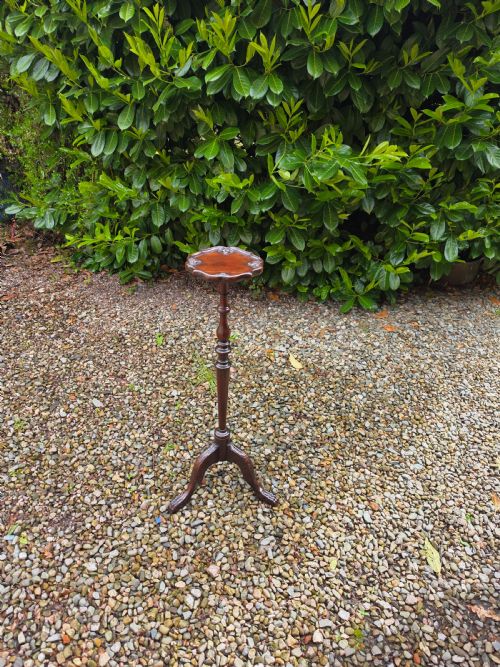
Vintage Wood Jardiniere
A vintage wood jardiniere brings living flora indoors with architectural presence, spanning Edwardian elegance and ornate Chinese export craftsmanship.
Vintage Wood Jardiniere
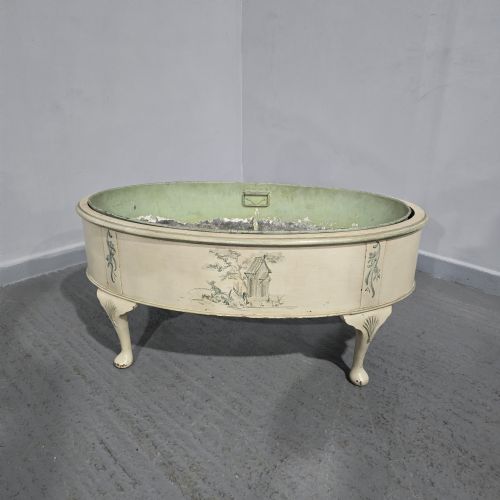
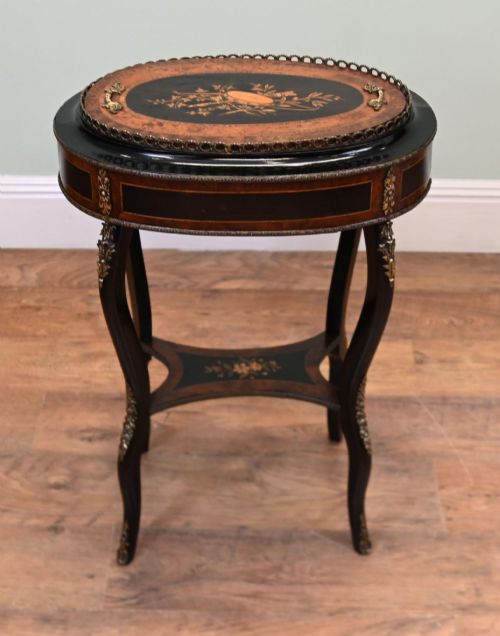
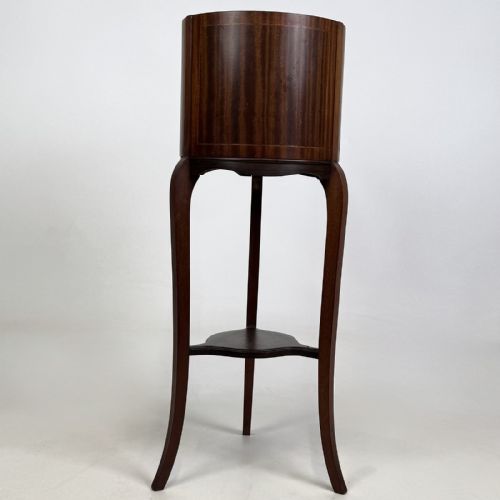
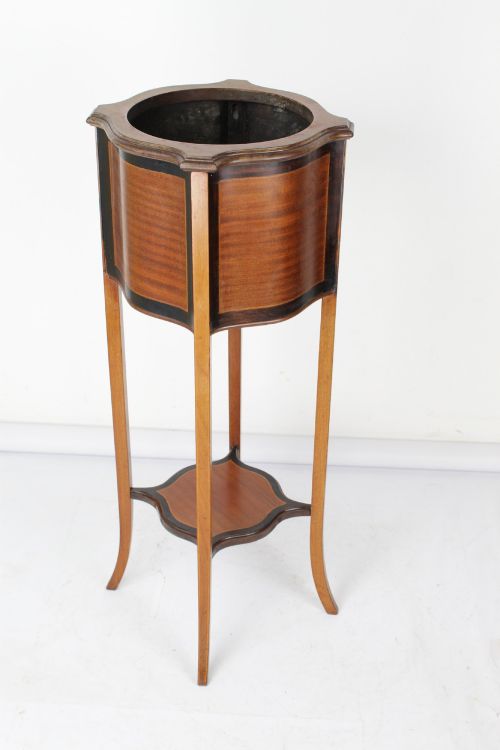
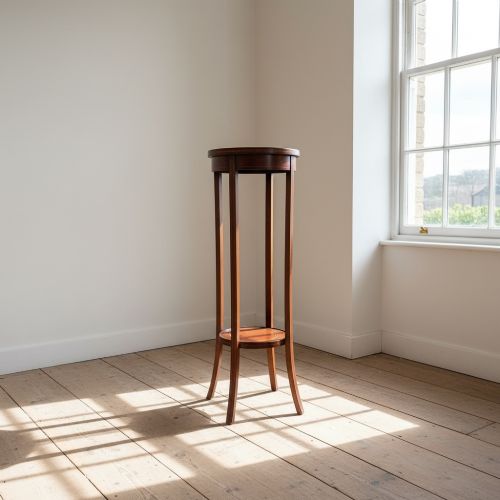
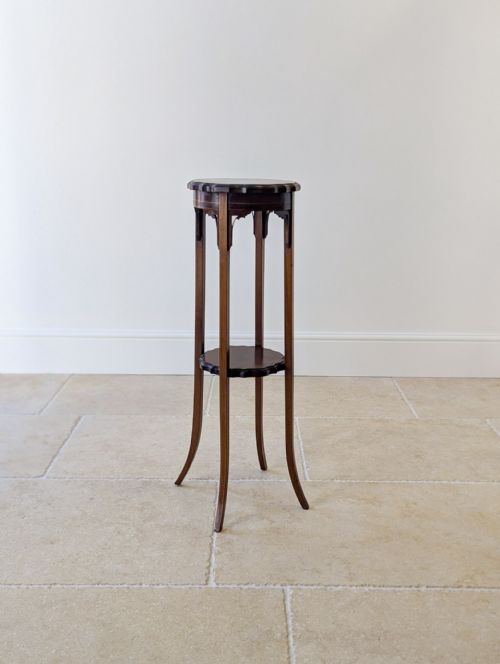
A vintage wood jardiniere serves as an elevated vessel or stand designed specifically to display indoor plants and decorative foliage. These pieces range from tall torchères and plant stands to dedicated table planters with integrated liners.
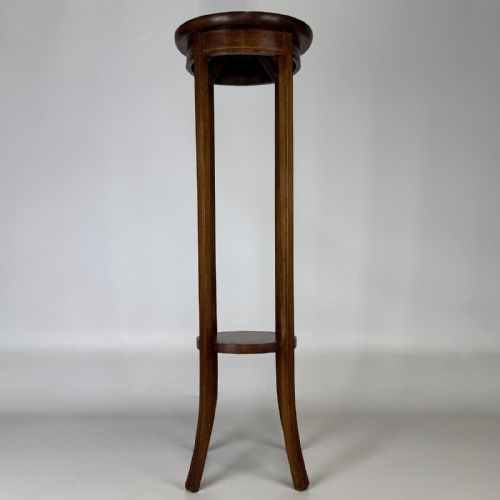
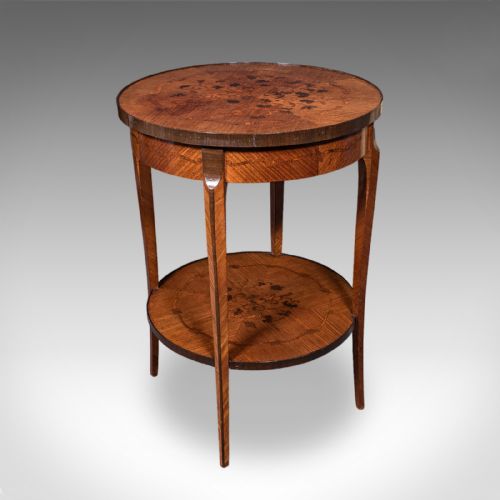
Edwardian mahogany examples and Chinese hardwood stands dominate the selection, often featuring circular or octagonal tops meant to support heavy ceramic pots. Many incorporate lower tiers or shelves designed for holding watering equipment and small garden accessories.
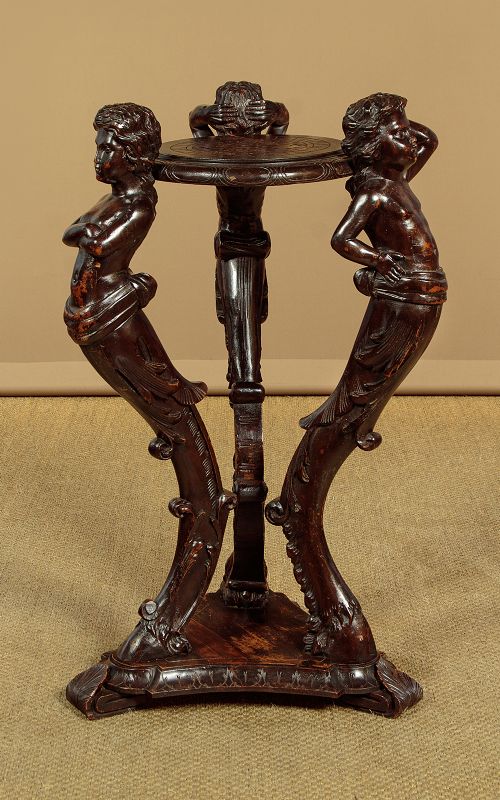
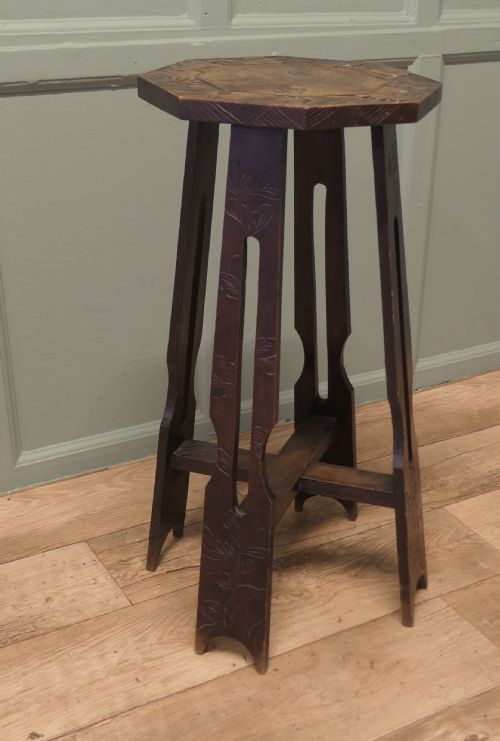
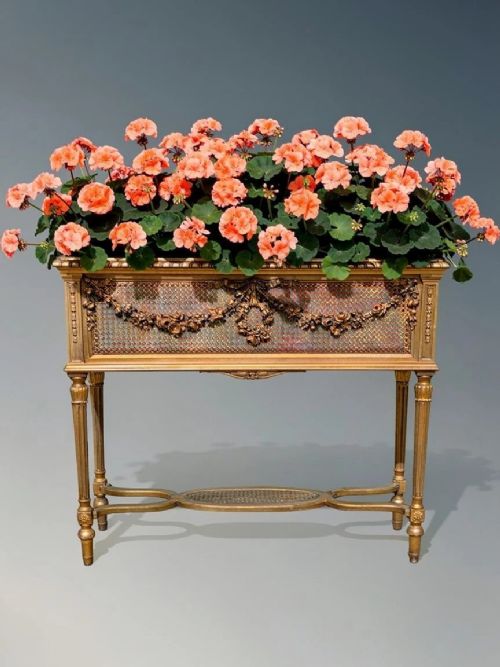
Makers utilised various regional aesthetics, moving from austere Arts and Crafts forms to elaborate Louis XVI style curves and Qing Dynasty inspired carvings. The fundamental purpose remains practical horticulture elevated by refined cabinet-making traditions.
Materials and construction methods
Makers constructed these pieces using dense timbers such as mahogany, satinwood, kingwood, walnut, and exotic Chinese hardwoods selected for their ability to withstand moisture and heavy loads. Inlaid stringing, marquetry, and carved detailing frequently embellish the primary wood surfaces.
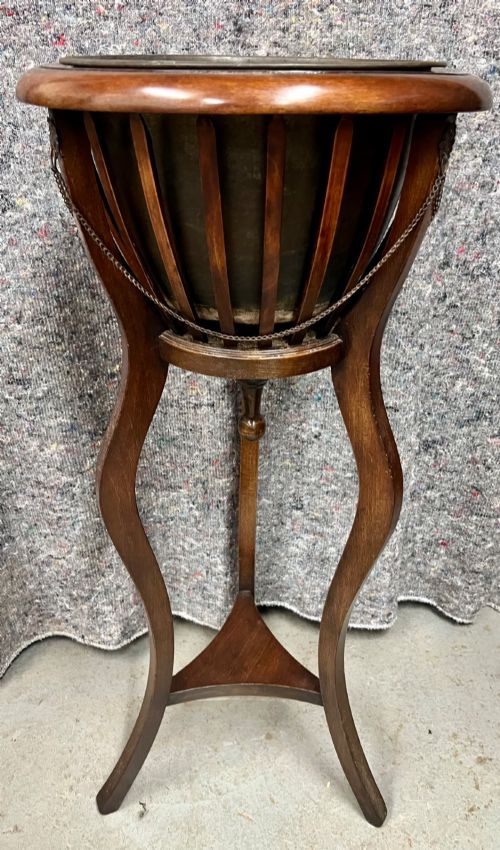
Metal components play a structural and decorative role, featuring brass liners, ormolu mounts, and copper hooping used in coopered planters to secure the wooden staves. Inset marble or rouge marble slabs provide a waterproof, cool surface on top plates designed to hold damp pots.
Joinery techniques reflect the period, utilising sturdy mortise and tenon frames, barley twist turnings, and hand-carved cabriole legs to support the substantial weight of stone and soil.
Vintage Wood Jardiniere Retail Price Guide 2026
Typical asking prices for vintage wood jardiniere among the pieces listed under this phrase on Sellingantiques today, from the lower quarter to the upper quarter. They describe what is for sale here now, not the wider market.
Listings incorporate both British cabinet-making traditions and Chinese export styles featuring rouge marble tops and intricate carvings.
Assessing craftsmanship and execution
Quality reveals itself in the integrity of the timber selection and the precision of decorative inlays, where lesser examples rely on painted details rather than genuine contrasting woods. The stability of the frame under load distinguishes superior cabinet work from utilitarian garden furniture.
The integration of secondary materials defines the upper tier of pieces, seen in heavy cast brass fittings, well-fitted metal liners, and thick, polished marble inserts that sit flush within the wooden chassis. Finer carving shows crisp undercut details rather than soft, moulded edges.
Liberty & Co·Enoch Wood & Sons
The Vintage Wood Jardiniere Glossary
- Jardiniere
- An ornamental pot or stand intended for holding flowers or growing plants. The term derives from the French word for gardener.
- Torchère
- A tall, slender stand originally designed to support a candle, later adapted to display vases and plant pots. These pieces emphasise verticality in interior decoration.
- Coopered
- Constructed from curved wooden staves bound together with metal hoops, much like a traditional barrel. This technique prevents wood splitting in damp environments.
- Cachepot
- A decorative flowerpot cover designed to conceal a plain inner plant pot and catch drainage water. They sit atop tables or pedestal stands.
- Marquetry
- The art of applying pieces of veneer to a structure to form decorative patterns. Craftsmen utilised various coloured woods to create pictorial designs on tabletops.
Vintage Wood Jardiniere: Frequently Asked Questions
What is a jardiniere?
A jardiniere is a decorative container or elevated stand built to hold plants and flowers inside the home. They function as both horticultural vessels and prominent pieces of decorative furniture.
Historically, these pieces allowed homeowners to bring large ferns and potted palms into formal drawing rooms without damaging interior surfaces. They range from low table planters to tall architectural pedestals.
How do I use one at home?
Place a vintage wood jardiniere in a bright hallway, corner, or living room to display potted houseplants, trailing ivies, or floral arrangements. Tall stands work well beside windows or seating areas to add vertical interest.
Ensure you use a proper waterproof liner inside wooden vessels to protect the historic timber from moisture damage and soil dampness. Many original pieces retain their metal inserts for this exact purpose.
How do I date these pieces?
Dating relies on observing timber choices, construction techniques, and stylistic markers such as Edwardian inlay or Victorian barley twist turnings. Cabinet-making standards and hardware styles shift perceptibly between the nineteenth and twentieth centuries.
Examining the underside and interior joints often reveals period-specific tool marks and fastener types that confirm the era of manufacture.
What is the difference between a plant stand and a jardiniere?
A plant stand is a simple elevated platform designed to support a single flowerpot off the floor. A jardiniere often includes a dedicated container, trough, or raised basin integrated into the furniture.
Many antique listings use these terms interchangeably because numerous stands feature dished tops or raised rims specifically meant to retain plant pots.