


Vintage Wood Hall Chair
A vintage wood hall chair brings architectural presence and utilitarian purpose to an entrance, formed from dense timbers like mahogany and oak.
Vintage Wood Hall Chair
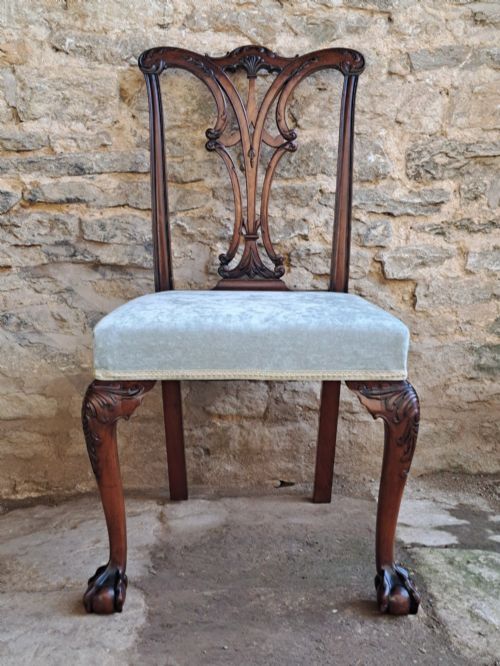
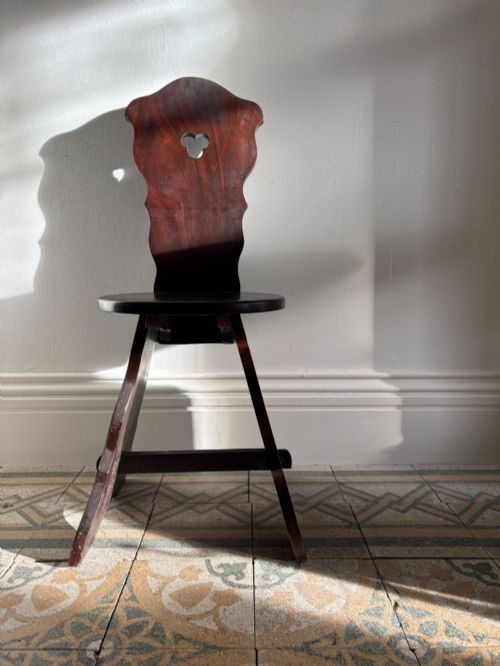
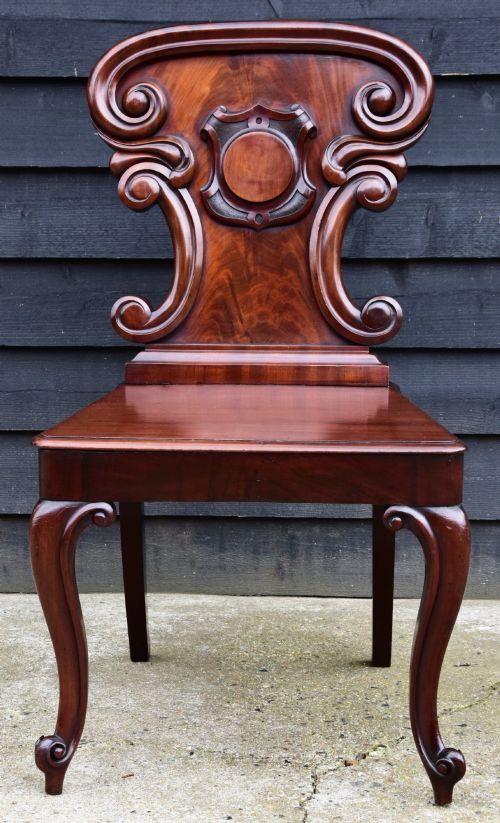
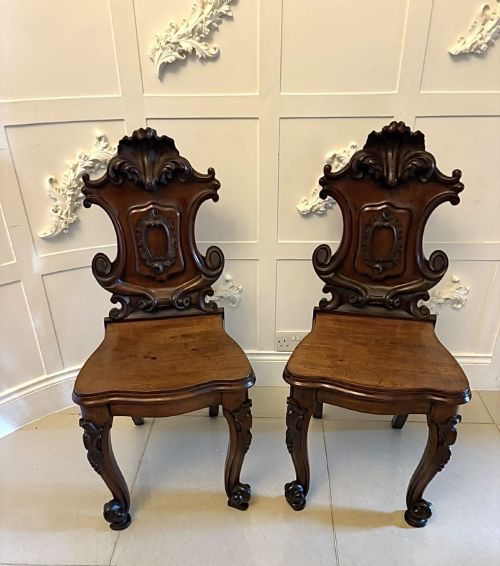
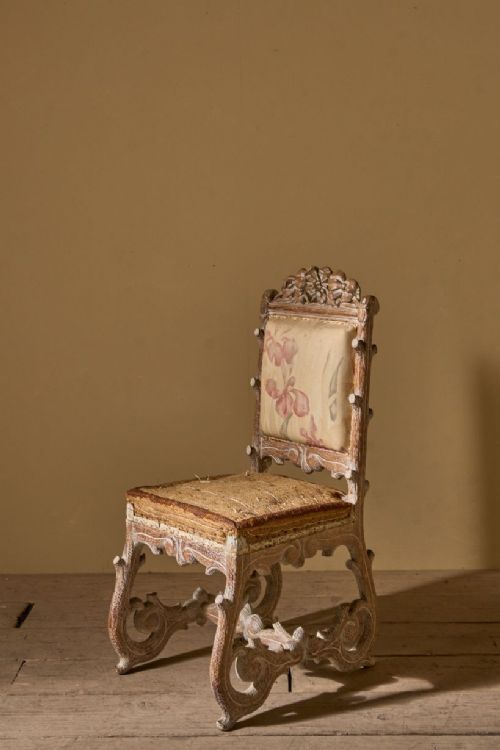
A vintage wood hall chair represents a specific form of seating designed historically for entranceways, corridors, and reception rooms. These examples span periods from the seventeenth century through to the Edwardian era and the early twentieth century, taking the shape of upright side chairs, sgabello styles, and occasionally armchairs.
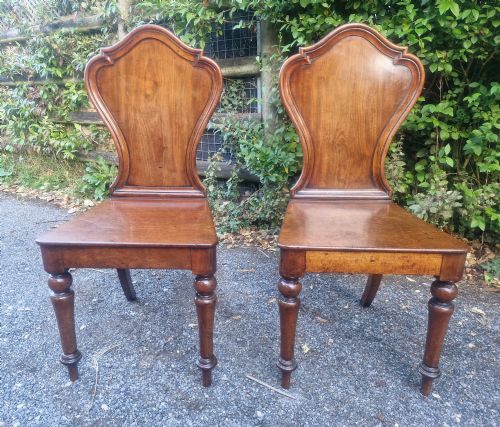
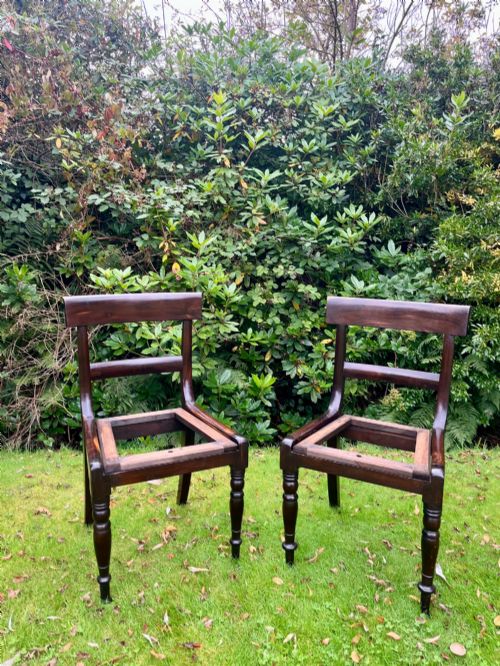
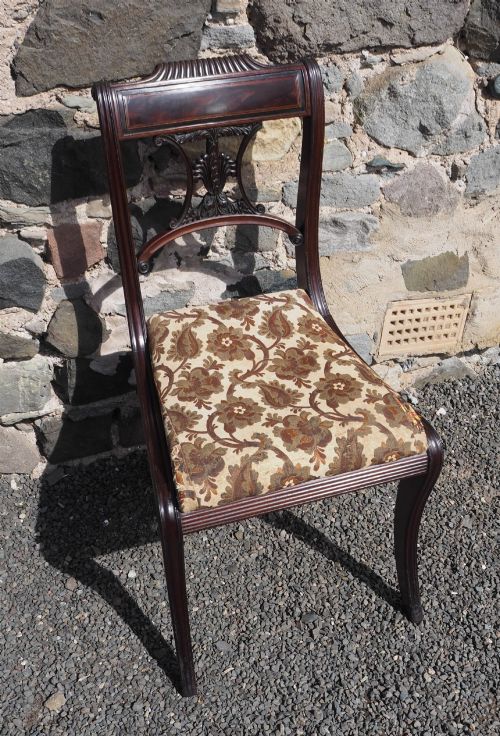
Buyers seeking this phrase encounter timber frames fashioned in various regional interpretations, including English Regency, Victorian Gothic, Jacobean Revival, and Ceylonese designs. The inventory includes single items, matched pairs, and small sets built from solid woods with carved or panelled backs.
How they were made
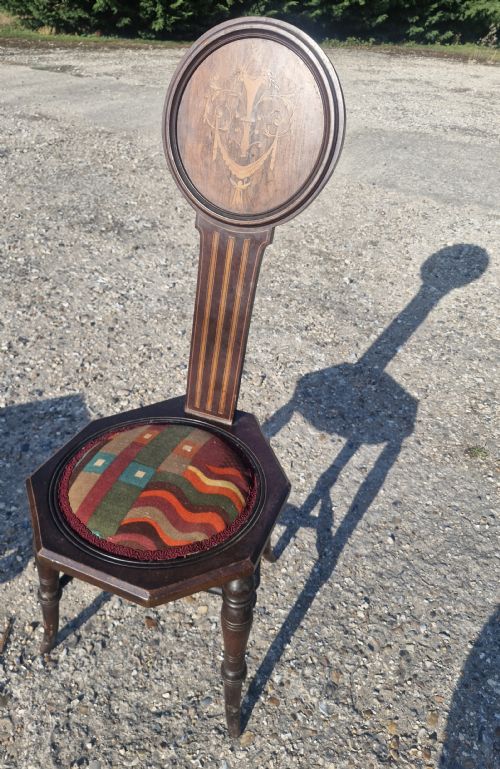
Cabinet makers utilised durable hardwoods such as mahogany, oak, walnut, laburnum, and satinwood to construct these rigid frames. Timbers were selected for their grain pattern and density, often finished with hand-carved details, turned legs, or inlaid motifs.
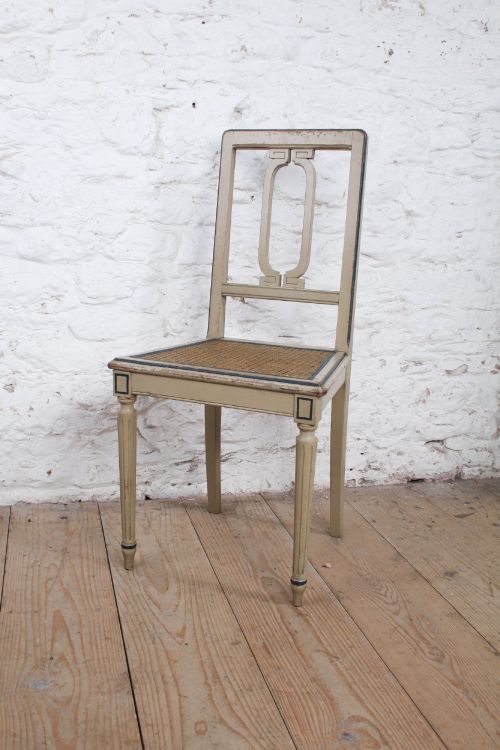
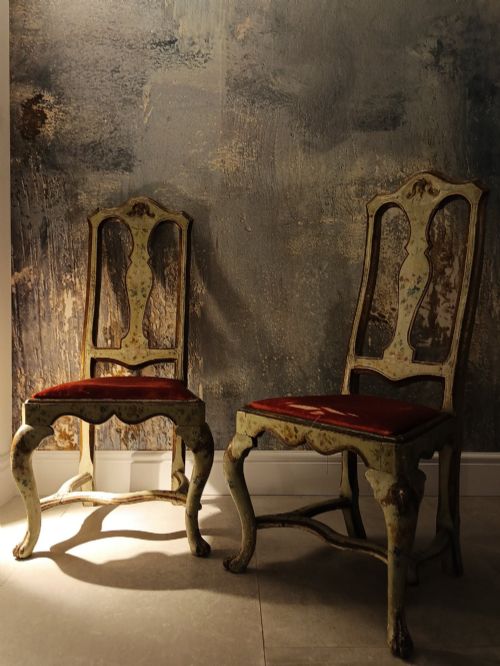
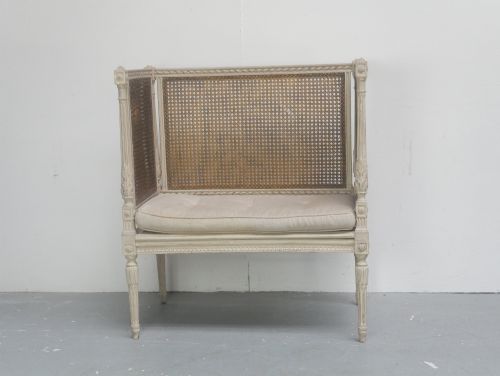
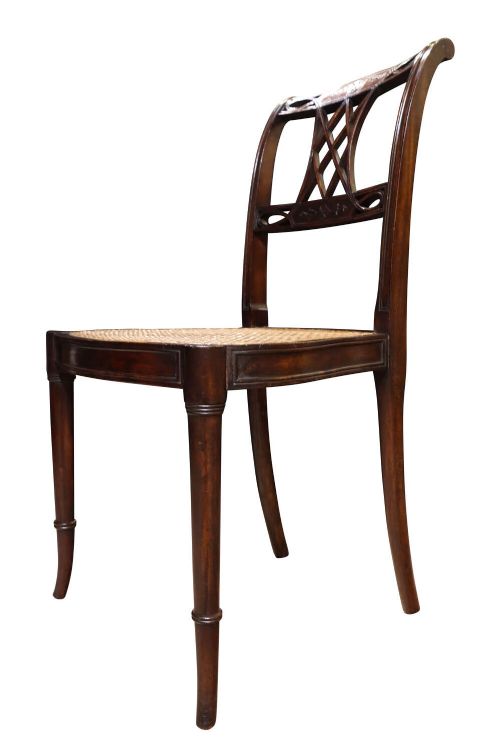
Joinery methods relied on traditional mortise and tenon joints to withstand the heavy use associated with hallway placement. Some models incorporated cane panels or upholstered pads in velvet and fabric, secured with brass tacks.
Vintage Wood Hall Chair Retail Price Guide 2026
Typical asking prices for vintage wood hall chair among the pieces listed under this phrase on Sellingantiques today, from the lower quarter to the upper quarter. They describe what is for sale here now, not the wider market.
Some nineteenth-century hall chairs double as hand-shaped novelties, offering a literal seat in palm form.
What varies in quality
The distinction between standard utility seating and exceptional examples lies in the depth and crispness of the carving and the selection of the timber. Dense, highly figured Cuban mahogany or richly patinated oak denote superior regional workshops.
Proportion and structural integrity govern the tier of craftsmanship, where balanced frames retain original surfaces and honest patination without excessive modern intervention.
Wheeler
The Vintage Wood Hall Chair Glossary
- Sgabello
- A light wooden chair with a high back and solid trestle supports instead of legs. This Italian Renaissance form influenced later nineteenth-century revival seating.
- Hall chair
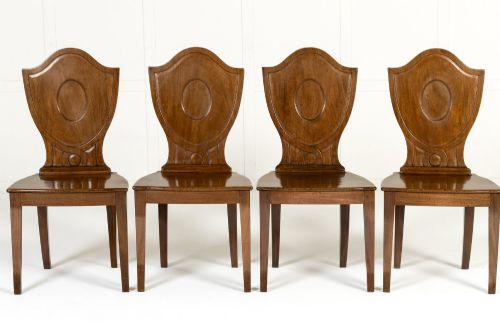
- An upright wooden seat designed for an entrance hall. These pieces usually feature solid wooden seats and high carved backs displaying family crests or decorative panels.
- Faux bois
- A decorative technique mimicking wood grain on furniture. Artisans painted or sculpted surfaces to imitate natural timber patterns.
- Jacobean Revival
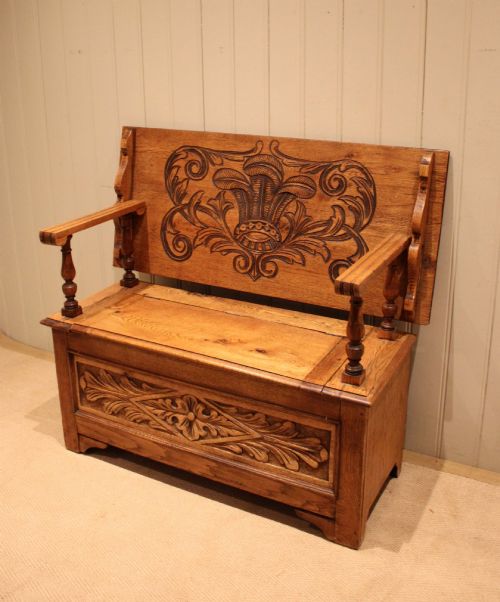
- A nineteenth and early twentieth-century style imitating seventeenth-century English design. It typically employs dark carved oak with geometric panels and turned supports.
- Cane
- Woven material made from peeled rattan palms. It provides a lightweight, resilient seating surface on Edwardian and nineteenth-century chairs.
Vintage Wood Hall Chair: Frequently Asked Questions
What is a hall chair?
A hall chair is a rigid wooden seat traditionally placed in entranceways or corridors for brief sitting. They feature upright wooden seats and carved backs rather than upholstered comfort.
These pieces were meant to display heraldry or decorative carving to impress visitors entering a home.
How do I date a wooden hall chair?
Dating relies on examining the timber species, joinery methods, and stylistic revival periods. Nineteenth-century examples often show Victorian Gothic or Regency influences in their carved details.
Earlier pieces from the seventeenth and eighteenth centuries display heavier oak construction and hand-cut joinery marks.
Where should I place a hall chair?
These chairs suit narrow spaces like hallways, landings, and entrance lobbies due to their compact, upright proportions. They function well as sculptural accent pieces against a wall.
Because the seats are typically solid wood, pairing them with cushions is optional for daily use.
What woods were used for hall chairs?
Cabinet makers utilised durable hardwoods including mahogany, oak, walnut, and satinwood. Regional variations also introduced teak and laburnum.
These dense timbers ensured the furniture endured the heavy traffic of a busy household entrance.