

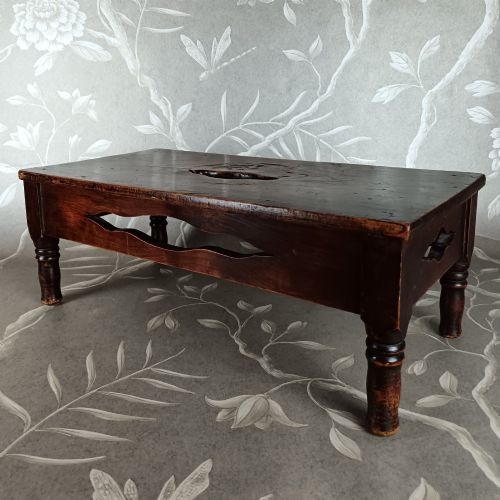
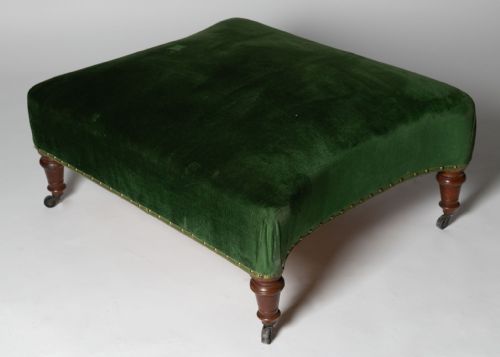
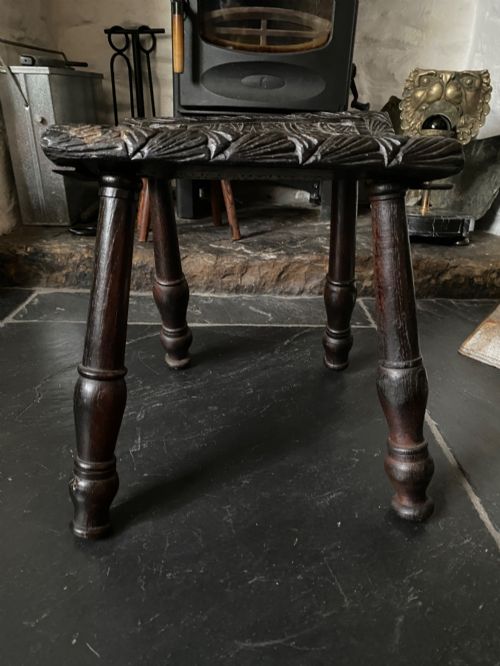
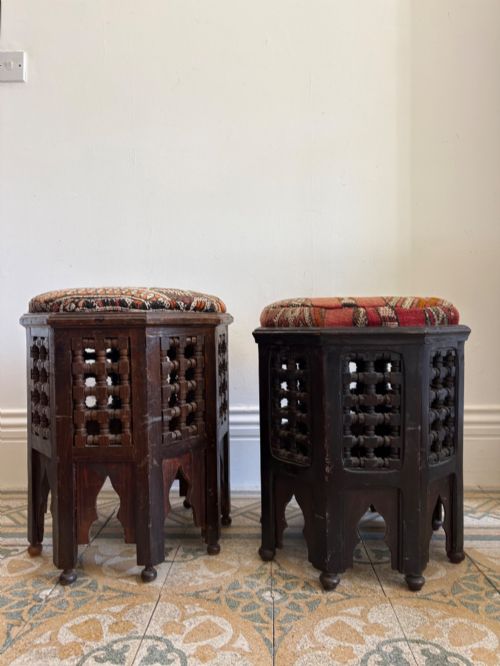

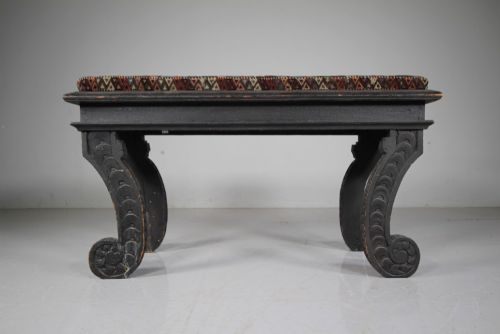
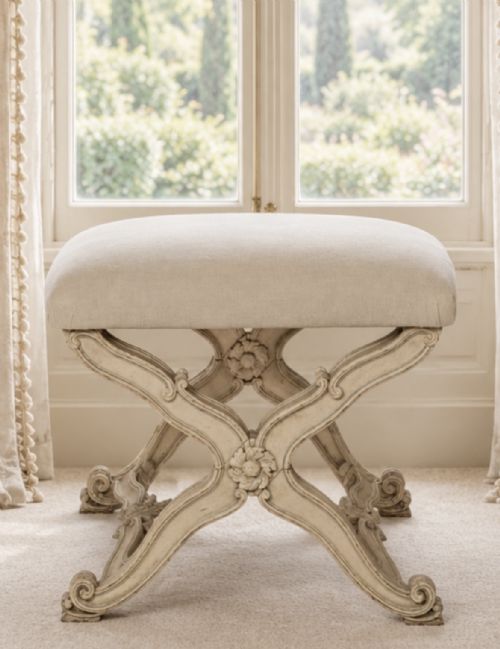
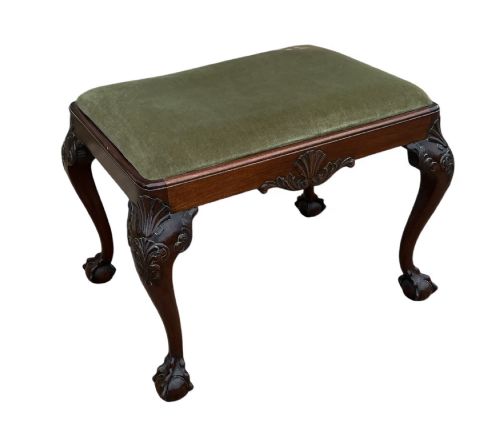
Vintage Wood Footstool
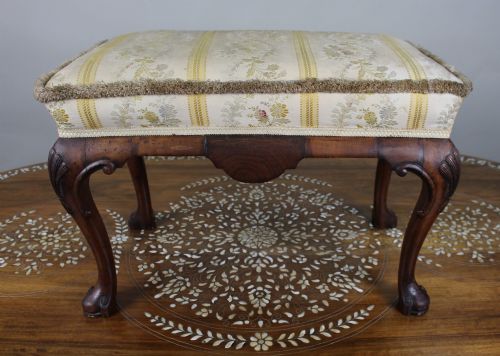
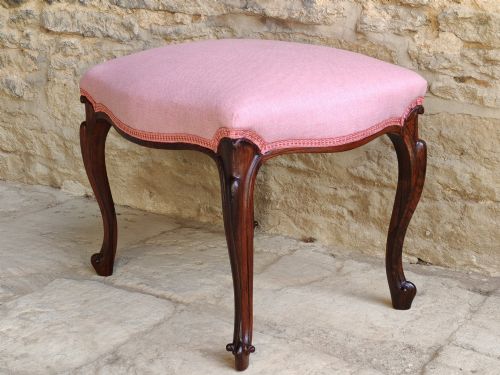
These vintage wood footstool pieces range from simple country forms to carved Victorian and Regency seats, offering practical low seating.
Vintage Wood Footstool
A vintage wood footstool provides low seating or leg support, appearing in forms such as dressing stools, piano stools, milking stools, and fireside pieces. When searching for a vintage wood footstool, buyers encounter a broad mix spanning the nineteenth century through the early twentieth century.
The selection here draws from periods like the Victorian and Edwardian eras alongside earlier Regency designs and revival styles. Common structural formats include simple rustic country seats, joint stools, and upholstered frames resting on turned or carved legs.
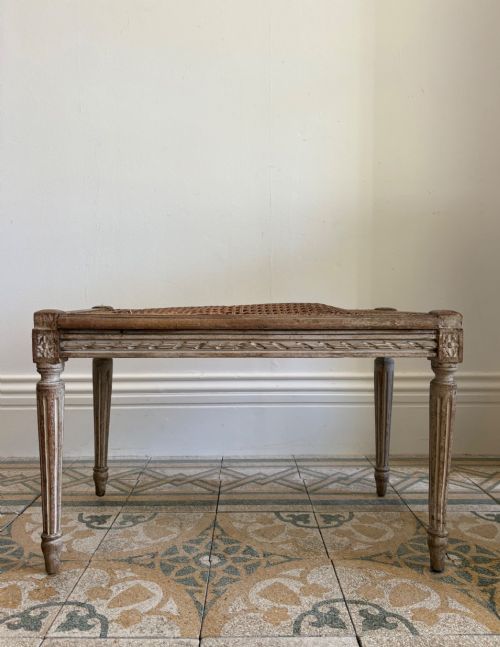
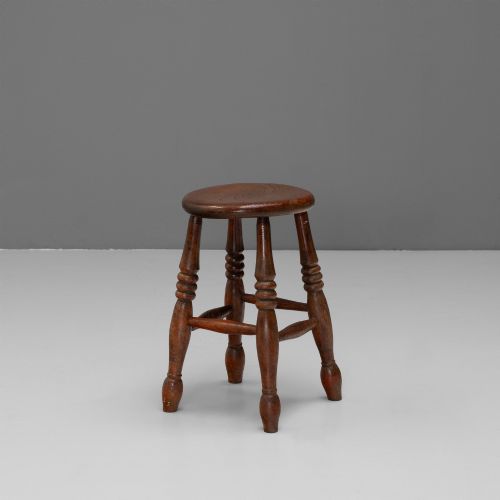
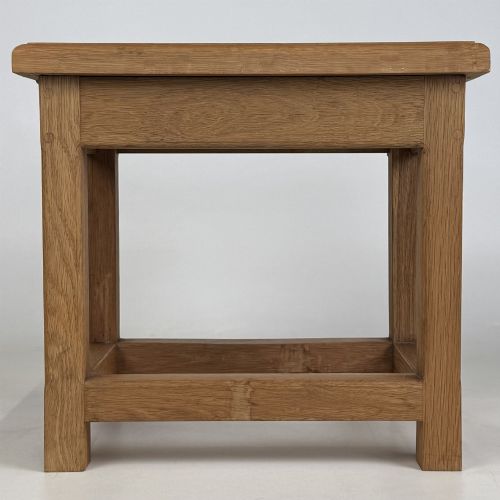
Origin and regional style shape these pieces, with English oak and walnut types appearing alongside French painted frames and Eastern European country stools. Buyers find both utilitarian items, such as elm milking stools, and decorative boudoir or dressing table seats.
Materials and construction methods
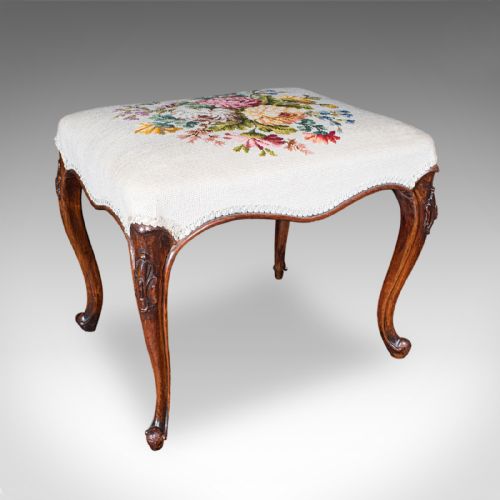
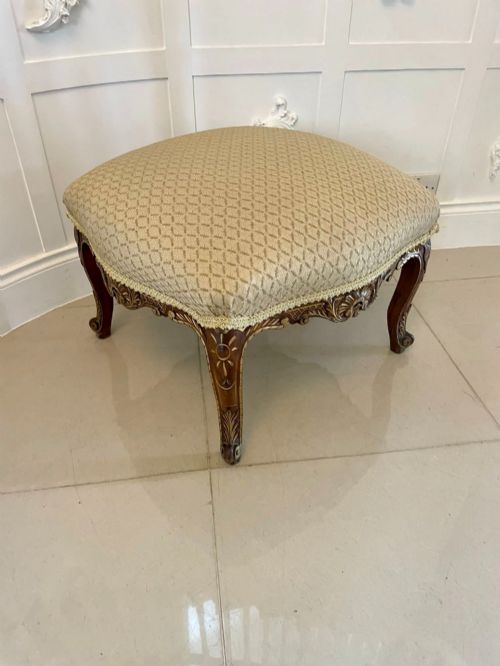
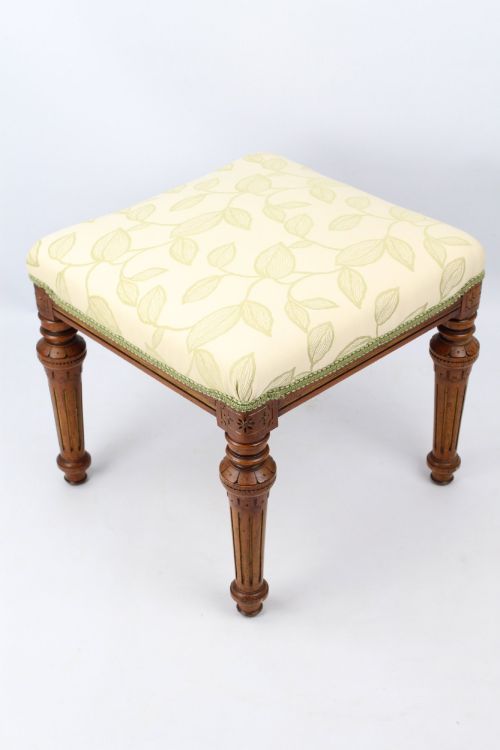
Makers utilised hardwoods such as mahogany, walnut, oak, beech, and elm, often pairing solid timber frames with textile, needlepoint, tapestry, or cane seating surfaces. Joinery methods range from pegged construction on early plank stools to turned legs and carved walnut details on Victorian examples.
Surface treatments vary widely from polished mahogany and waxed oak to original ochre or white paint on French and European country pieces. Detail work includes carved foliage, ball feet, twisted rope legs, and gilt highlights on formal revival models.
Vintage Wood Footstool Retail Price Guide 2026
Typical asking prices for vintage wood footstool among the pieces listed under this phrase on Sellingantiques today, from the lower quarter to the upper quarter. They describe what is for sale here now, not the wider market.
Several small seats double as elephant shapes with carved tusks, proving that historical footrests occasionally possessed a sense of humour.
Distinguishing quality in wood stools
Quality separates pieces through the crispness of the timber carving and the integrity of the underlying joinery, such as pegged joints versus simpler modern fixings. Finer examples display carefully selected grain figures in walnut or mahogany and retain original surface finishes or period upholstery.
Subtleties in proportion and historical attribution elevate certain items, particularly where distinctive revival styles or maker influences like Liberty & Co are present. Utility items depend on sturdy timber selection and honest wear that reflects their working origins.
The Vintage Wood Footstool Glossary
- Joint stool
- A traditional wooden stool built with pegged mortise and tenon joinery. These sturdy pieces typically feature rectangular tops and straight turned legs.
- Milking stool
- A simple, functional three-legged or four-legged seat used in agricultural settings. They are often fashioned from solid elm or pine with rustic charm.
- Needlepoint
- A type of canvas work embroidery utilised historically for seat covers and footstool upholstery. It frequently displays floral or geometric motifs.
- Windsor stool
- A traditional seating form characterised by turned spindles and a saddled solid wood seat. They reflect country craftsmanship and robust construction.
- Regency
- An early nineteenth-century design period known for classical restraint and elegance. Pieces from this era often incorporate rosewood or yew wood.
Vintage Wood Footstool: Frequently Asked Questions
How do I date a wooden footstool?
Dating relies on examining the timber species, joinery techniques, and upholstery style used in the piece. Characteristic turns on legs and specific revival motifs provide further clues to the period.
Comparing construction methods against known nineteenth and early twentieth-century examples helps confirm whether a piece is genuinely period or a later interpretation.
Were these stools used only for feet?
Many items designed as footstools also functioned as low dressing table seats or piano stools. Smaller forms served versatile seating needs around the fireside.
Their compact size made them easily movable between rooms depending on daily household requirements.
How do I care for antique wood and upholstery?
Maintain wooden surfaces by applying appropriate wax polish sparingly to nourish the timber without building up residue. Protect fabric or needlepoint sections from direct sunlight to prevent fading.
Avoid placing these items near direct heat sources to prevent the wood from splitting or warping over time.
What is the difference between a country stool and a formal stool?
Country stools utilise simpler timbers like elm, pine, or beech with functional, robust construction and often retain original painted finishes. Formal stools display refined materials such as mahogany and walnut with sophisticated carving and upholstery.
Formal examples typically align with specific design periods like Regency or Victorian revival, whereas country pieces focus on utility.