








Vintage Wood Divider
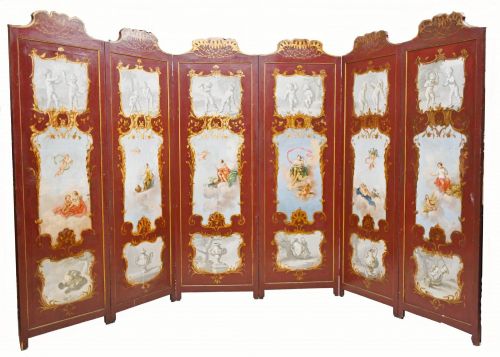
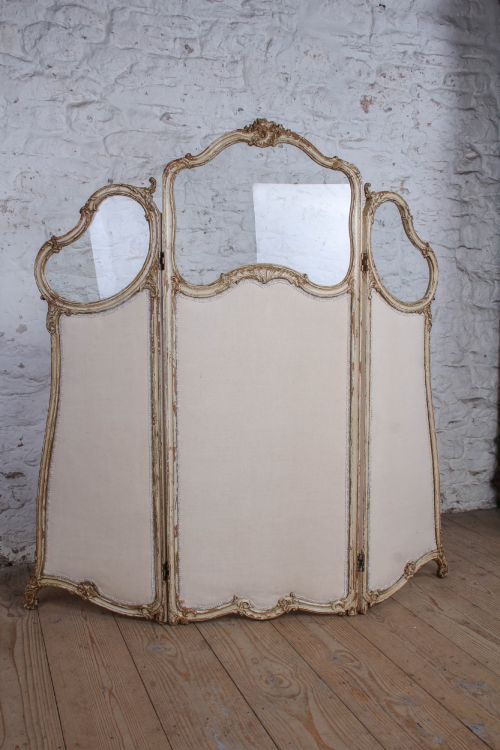
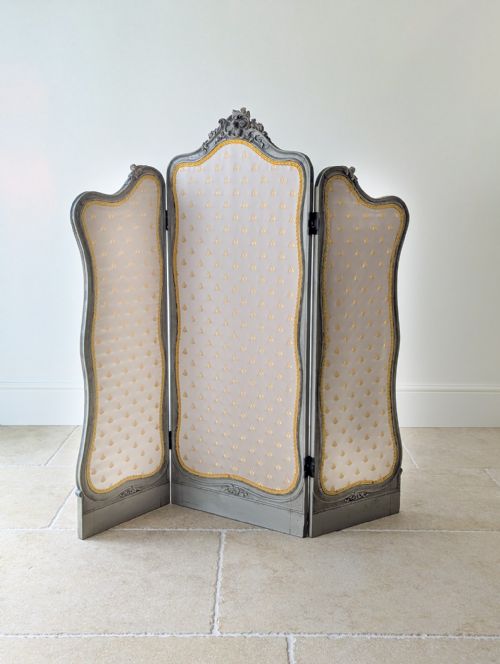
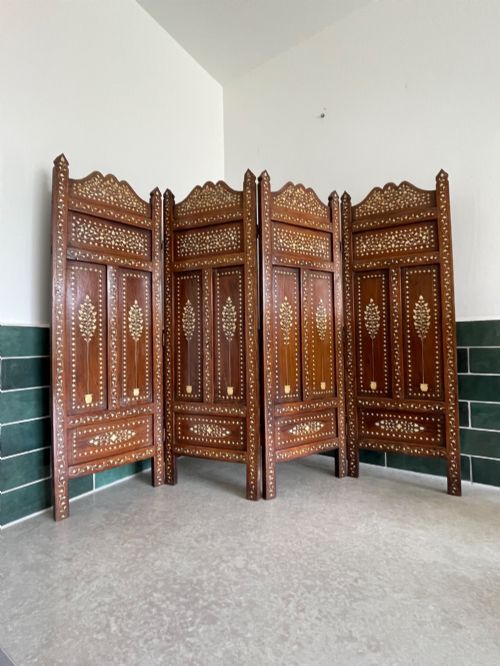
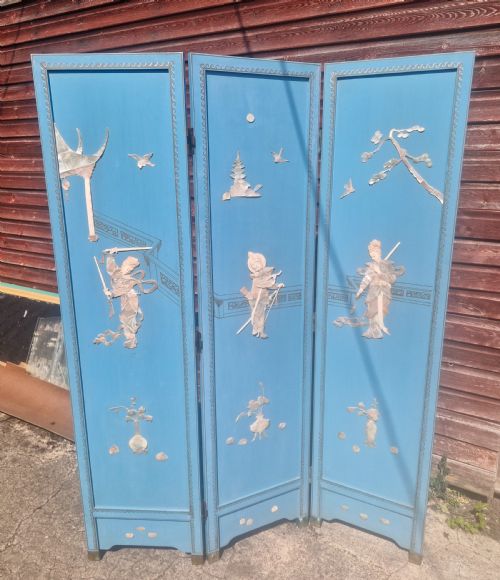
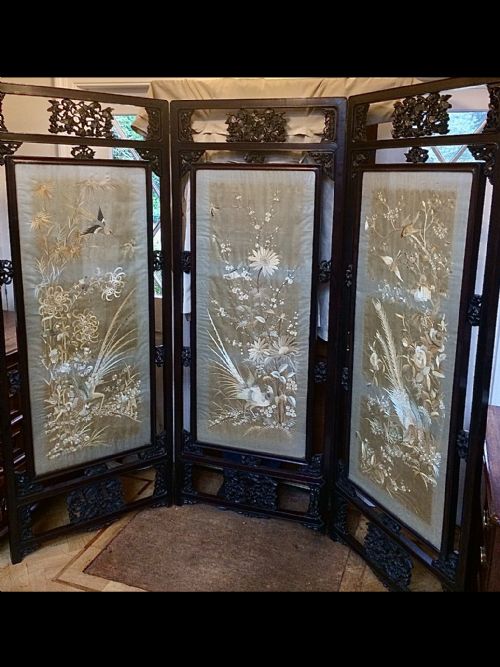
These vintage wood divider pieces are folding screens and room dividers that create private spaces and shape large rooms.
Vintage Wood Divider
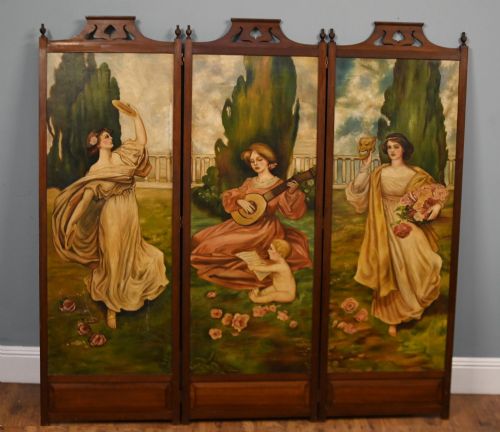
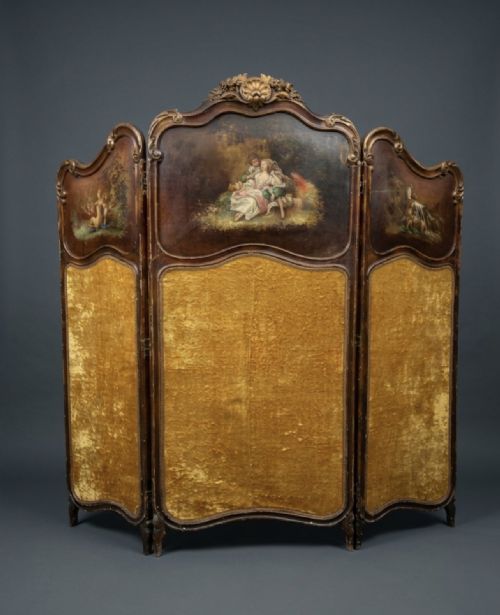
The selections on this page span multi-panel configurations, from three-fold to six-fold designs, alongside smaller table screens and related mahogany canterburys. Surfaces feature painted panels, lacquer, needlepoint, decoupage, fretwork, and detailed carving.
Buyers most frequently encounter nineteenth-century painted examples, Edwardian and Victorian mahogany structures, and carved oriental screens. Each piece reflects distinct regional aesthetics, ranging from Regency refinement to Chinoiserie and Louis XV revival styles.
How they were made
Carpenters utilised solid hardwoods including mahogany, rosewood, and general carved wood for structural frames and panels, often integrating brass hardware for hinges and supports. Timber preparation required careful seasoning to prevent warping across wide folding panels.
Decorative techniques varied widely by region and period, encompassing hand-painted lacquer, silk inserts, needlepoint tapestries, and intricate fretwork. Artisans applied gilt and polychrome finishes directly to wood or fabric surfaces to achieve rich visual depth.
Vintage Wood Divider Retail Price Guide 2026
Typical asking prices for vintage wood divider among the pieces listed under this phrase on Sellingantiques today, from the lower quarter to the upper quarter. They describe what is for sale here now, not the wider market.
Some nineteenth-century makers built fully reversible five-fold screens so indecisive occupants could swap which painted landscape faced the fireplace.
What varies in quality
The distinction between standard production and superior craftsmanship lies in the depth of hand-carving, the precision of joinery, and the preservation of original painted or lacquered surfaces. Finer items exhibit robust hinge mechanisms that allow fully reversible movement across multiple folds without sagging.
Materials dictate upper tiers of quality, particularly dense hardwoods and heavy brass mounts paired with detailed needlepoint or authentic oriental lacquer work. Lesser pieces rely on simpler applied decoration and lighter timber frames that require careful handling.
The Vintage Wood Divider Glossary
- Canterbury
- A low wooden stand fitted with partitions for holding sheet music or books, frequently produced in mahogany and rosewood during the Regency and Victorian periods.
- Chinoiserie
- European theatrical interpretations of Chinese artistic traditions, typically expressed through painted lacquer scenes on screens and furniture.
- Dressing screen
- A portable folding partition traditionally utilised in bedchambers for privacy during attire changes.
- Modesty screen
- A small decorative panel designed to shield a seated person from draughts or direct view, often placed near fireplaces or dining areas.
- Fretwork
- Ornamental perforated woodwork created by cutting intricate patterns through thin boards.
Vintage Wood Divider: Frequently Asked Questions
How do I place a multi-panel screen safely?
Position the panels in a gentle zig-zag formation to ensure the structure remains stable on flat flooring without placing excessive strain on the hinges.
Avoid extending the screen in a straight line, as this compromises balance and increases the risk of tipping during everyday use.
Can these screens support heavy weight?
Most folding screens and room dividers serve a decorative and spatial function rather than bearing physical loads or supporting hanging items.
Placing garments or heavy accessories on antique wooden panels can warp the framework and damage delicate painted or lacquered surfaces.
What is the difference between a table screen and a room divider?
Table screens are compact decorative objects designed to sit upon furniture surfaces, often featuring intricate carving or glass panels.
Room dividers are tall, multi-panel folding structures built to partition floor space and create private enclosures within larger rooms.
How do I care for antique lacquered wood?
Dust surfaces gently with a dry, soft microfiber cloth to prevent abrasion on fragile painted finishes and aged lacquer.
Keep wooden panels away from direct sunlight and steady heat sources to protect the timber and prevent the decorative layers from cracking.