

Vintage Wood Dining Set
A vintage wood dining set brings together chairs and tables shaped from solid timbers across the nineteenth and twentieth centuries.
Vintage Wood Dining Set
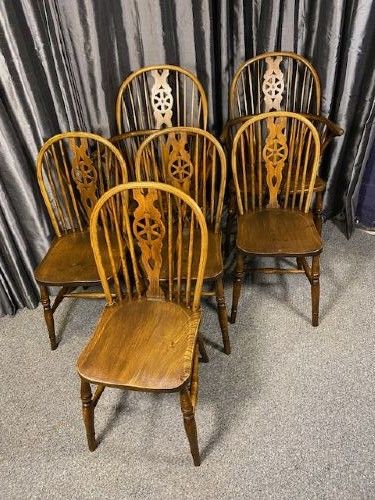
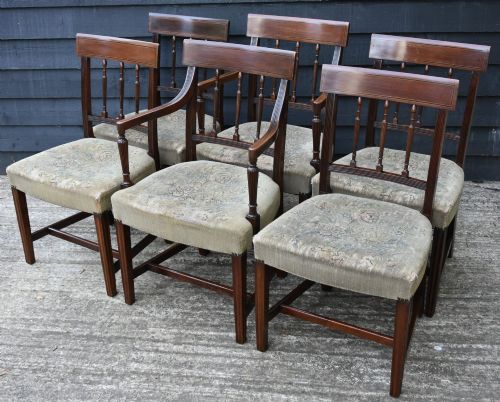
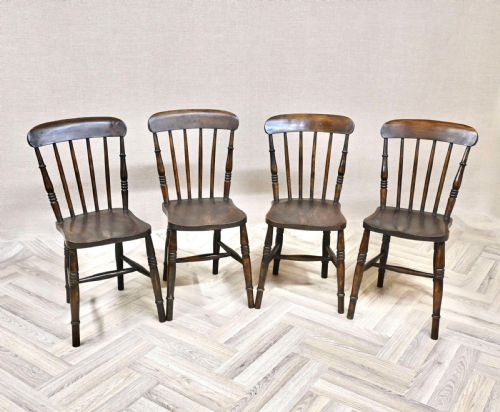
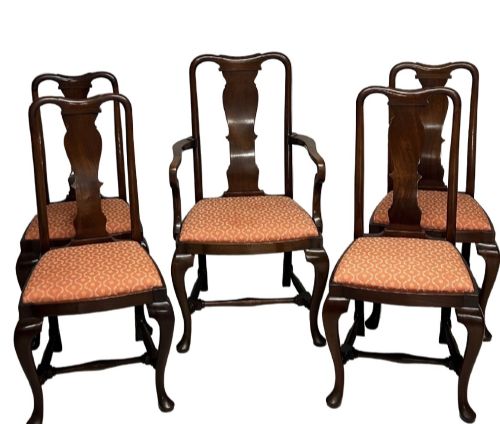
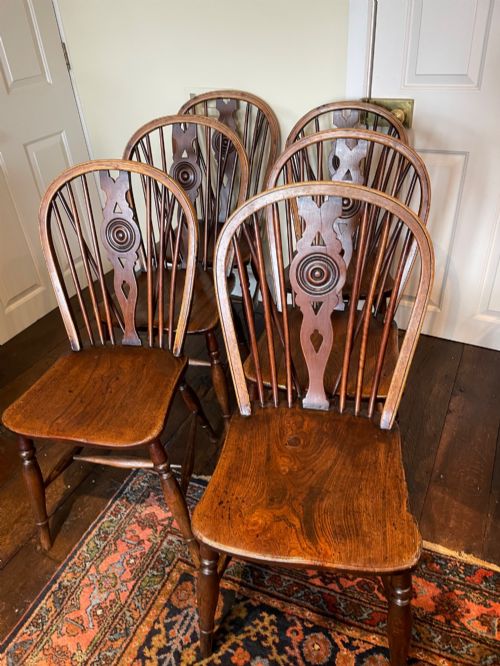
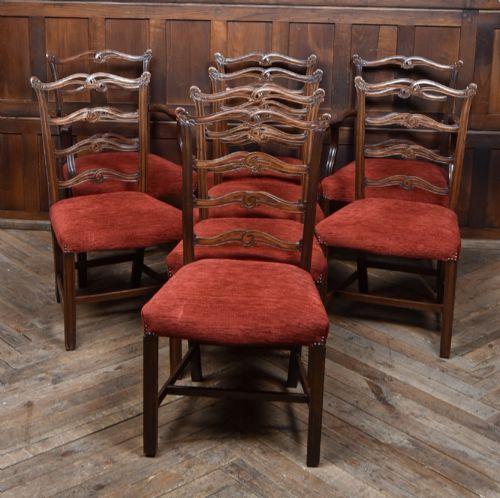
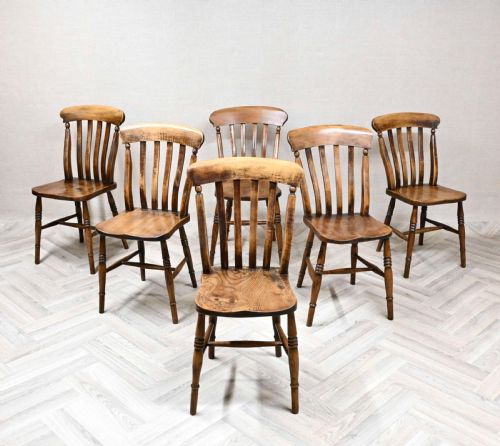
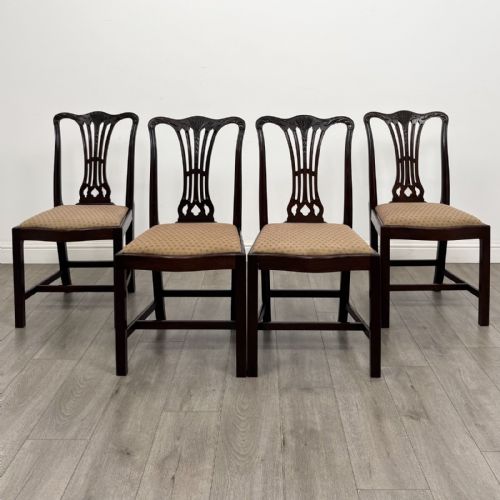
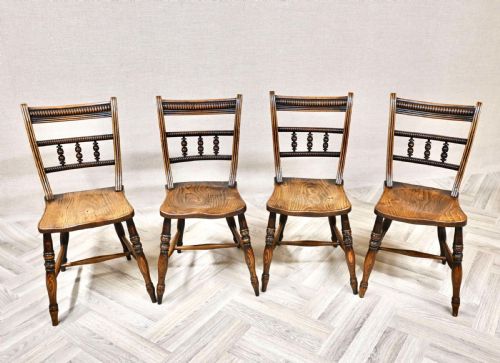
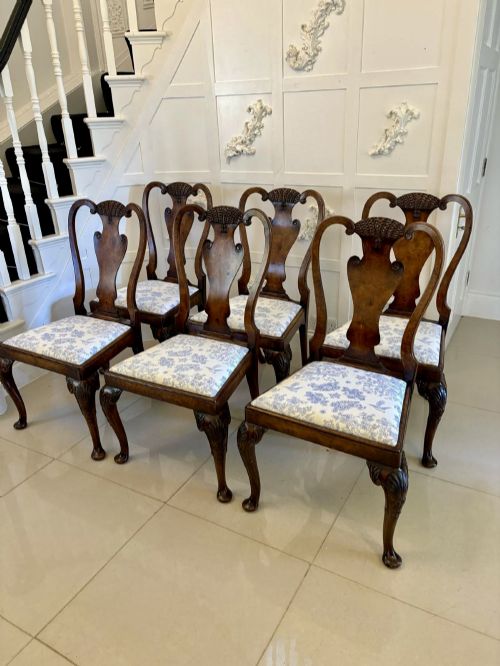
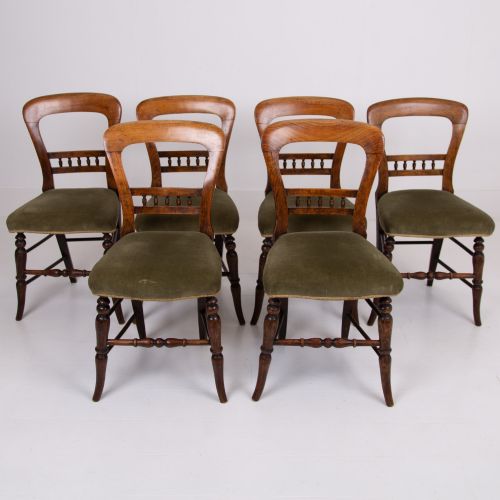
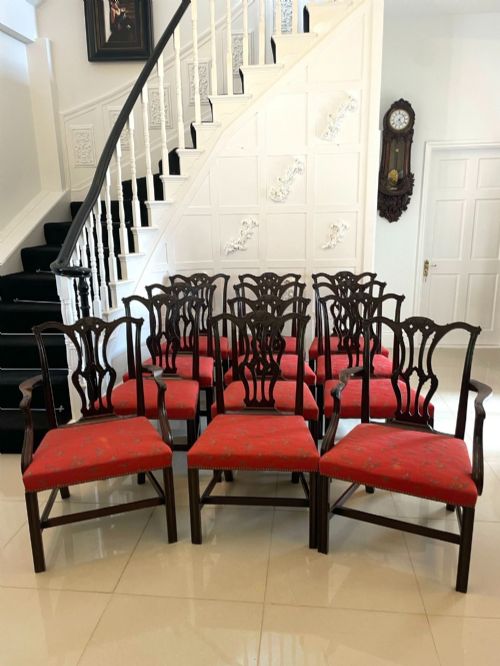
When you search for a vintage wood dining set, you encounter groupings of chairs and occasional suites that span multiple eras from the nineteenth century into the 1930s. These assemblies range from matching sets of country kitchen Windsor chairs to formal dining suites in polished mahogany and rosewood.
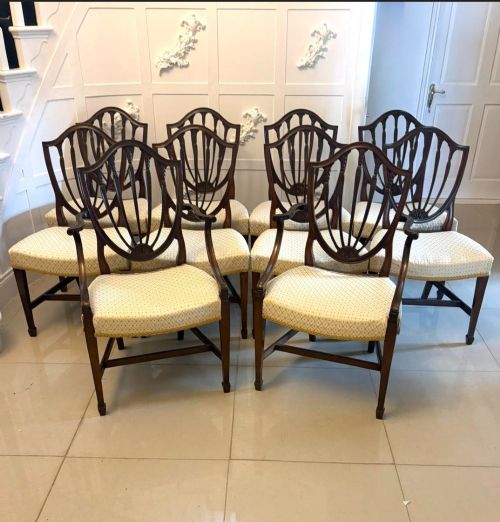
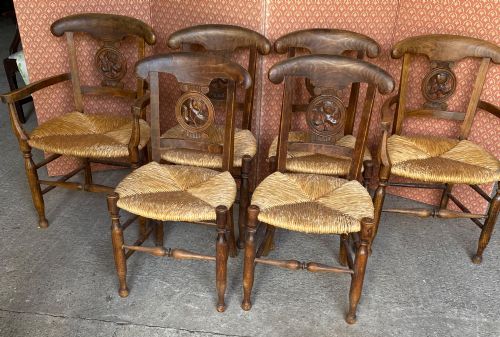
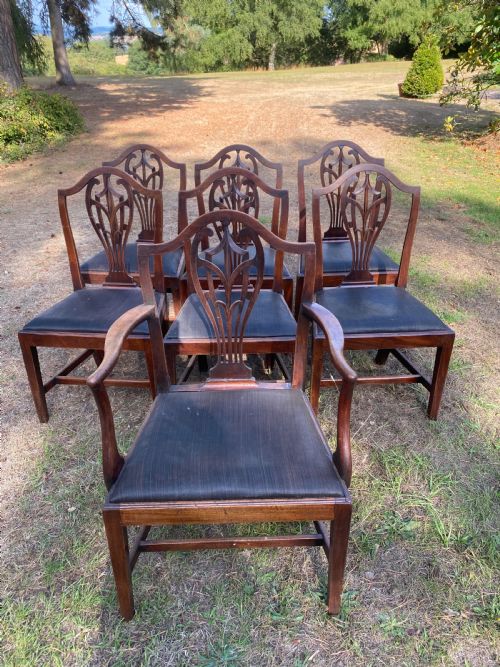
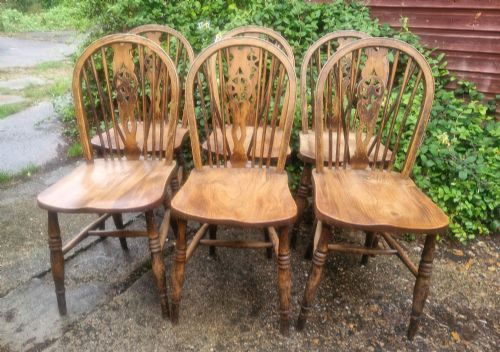
The most common configurations on this page are matched sets of dining chairs, often numbering six or eight pieces, alongside occasional carvers and dining suites. English country styles and Victorian mahogany designs appear frequently alongside Edwardian variations and sturdy elm or beech farm chairs.
How they were made
Cabinet makers utilised dense hardwoods such as mahogany, rosewood, oak, and walnut, turning and carving solid timber to form structural frames and decorated splats. Workshops also combined native woods like elm, beech, and ash for country seating, employing steam bending techniques for Windsor backs and bentwood bistro frames.
Joinery relied on traditional mortise and tenon joints, glued pegging, and hand turned spindles rather than metal fixings. Upholstered elements used horsehair and webbing beneath fabric, leather, or velvet, while specialised decorative work included cane inserts, brass inlay, and satinwood banding.
Vintage Wood Dining Set Retail Price Guide 2026
Typical asking prices for vintage wood dining set among the pieces listed under this phrase on Sellingantiques today, from the lower quarter to the upper quarter. They describe what is for sale here now, not the wider market.
Some nineteenth century kitchen chairs retain traces of old farmhouse paint beneath dark wax, whispering secrets of forgotten country breakfasts.
What varies in quality
The degree of hand carving and the selection of timber dictate the standing of a set, with figured burr walnut, rich mahogany, and dense rosewood representing the higher tiers of production. Maker attribution also elevates certain groups, particularly when workshops stamped their frames or produced documented suites.
Uniformity across an entire set of chairs, rather than assembled harlequin groupings, determines functional and visual cohesion. Preserved original surfaces, tight joinery without excessive replacement timber, and well executed pierced splats or shield backs separate standard utilitarian seating from finer regional or metropolitan craftsmanship.
Alfred Allen of Birmingham·Codina·Cowtan and Sons·Maple and Co
The Vintage Wood Dining Set Glossary
- Carver
- An armchair designed with armrests, usually intended to sit at the head of a dining table while matching the side chairs.
- Shield Back
- A chair back shaped like a heraldic shield, popular in late eighteenth and nineteenth century dining furniture.
- Windsor
- A traditional wooden chair constructed with turned legs and spindles socketed into a solid contoured seat, often featuring a bent wood bow or hoop.
- Splat
- The vertical central strip of wood within a chair back, frequently pierced or carved into decorative silhouettes.
- Harlequin Set
- A collection of dining chairs that match in general style, period, or timber but vary slightly in minor details due to being gathered together over time.
Vintage Wood Dining Set: Frequently Asked Questions
What is a harlequin dining set?
A harlequin set is a collection of dining chairs that share a common period, timber, or general style but are not identical in every carved detail. These groups were often assembled over time rather than purchased as a single factory order.
Such sets suit casual dining rooms where uniformity matters less than character and historical charm.
How do I distinguish Edwardian from Victorian chairs?
Victorian dining chairs tend to feature heavier timbers, deep carved mahogany backs, and dark polished finishes. Edwardian examples often display lighter satinwood banding, cane inserts, and more restrained neoclassical or revival detailing.
Examining the wood grain and structural weight helps clarify the manufacturing era.
Were all vintage dining sets made of mahogany?
While mahogany and rosewood dominate formal dining sets from the nineteenth century, many regional and country pieces utilise elm, beech, ash, or oak. Windsor and kitchen chairs relied heavily on native fruitwoods and elm for strength and flexibility.
Timber choice generally reflects the intended domestic setting of the furniture, from grand townhouses to rural farmhouses.
Can I mix these chairs with a modern table?
Historic dining chairs pair effectively with contemporary tables to create a layered interior aesthetic. The contrast between older wood patinas and modern surfaces highlights the craftsmanship of the seating.
Ensuring comfortable seat heights relative to the table clearance is the primary consideration when combining disparate eras.