


Vintage Wood Crest
These vintage wood crest pieces bring carved wooden ornament and classical detailing into a room, offering authentic period character for traditional interiors.
Vintage Wood Crest
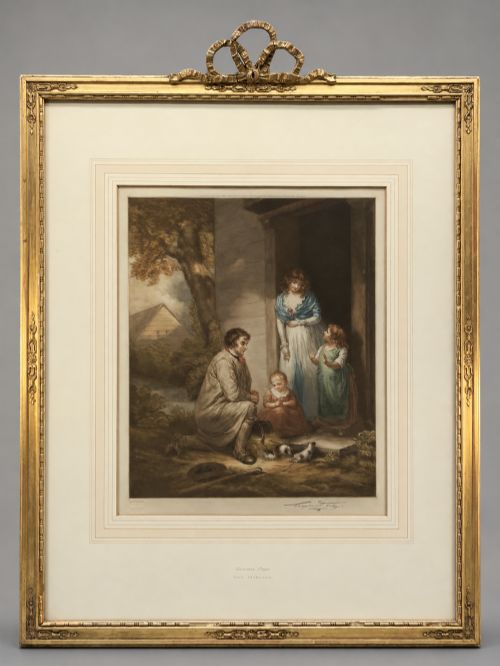
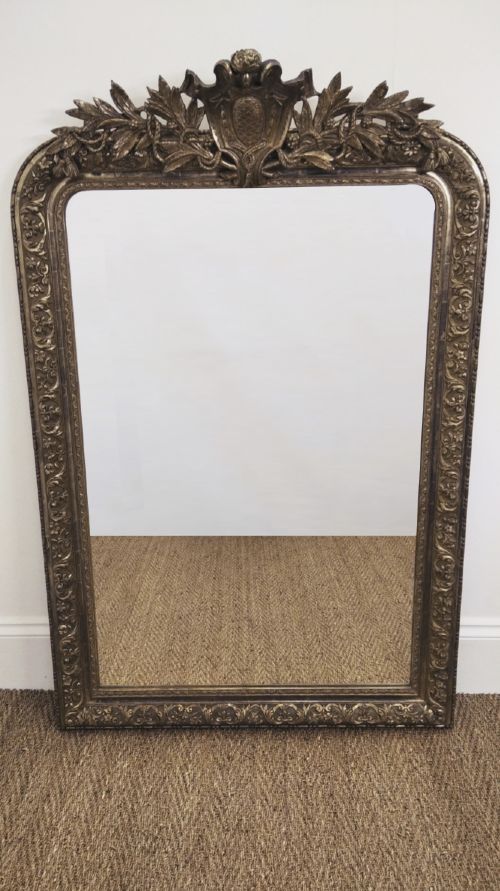
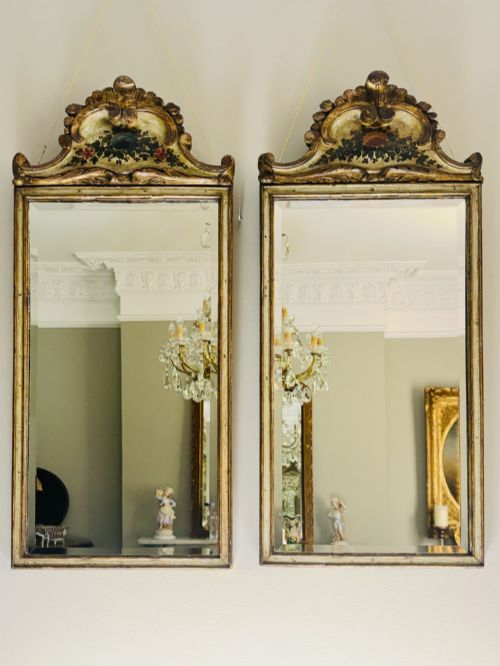
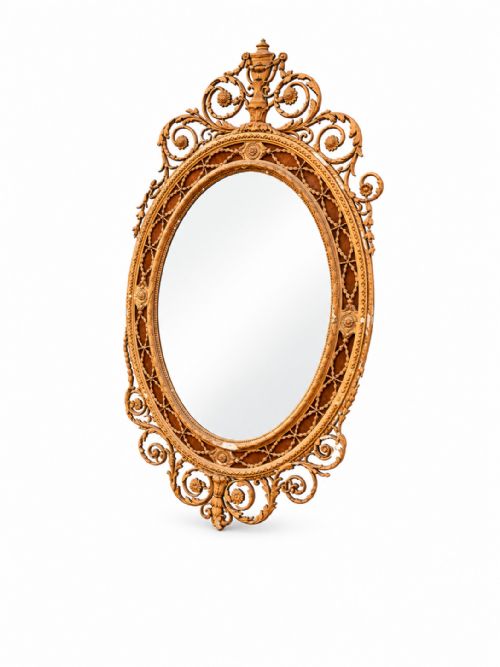
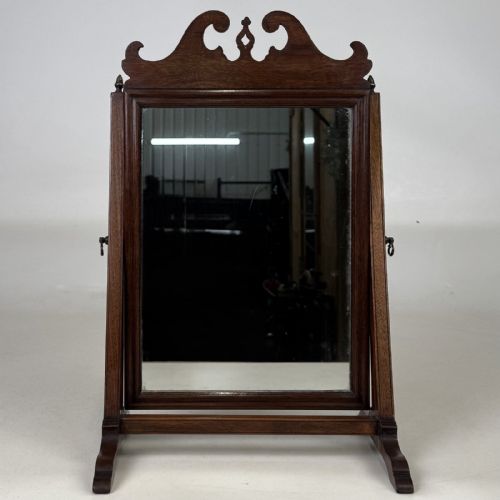
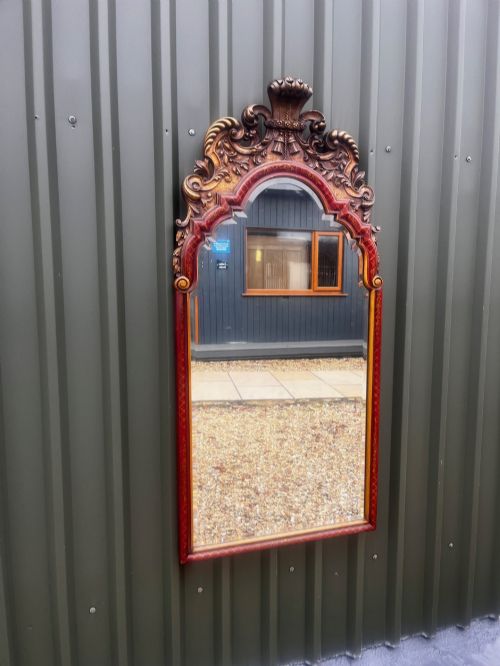
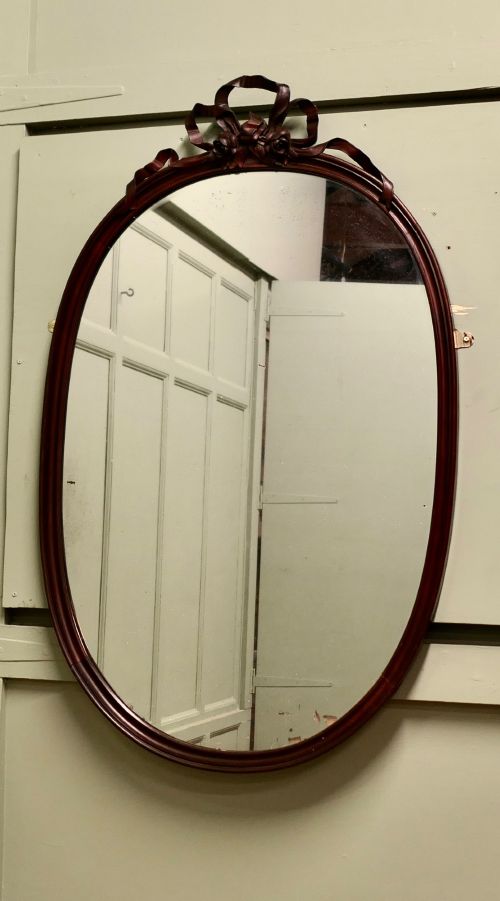
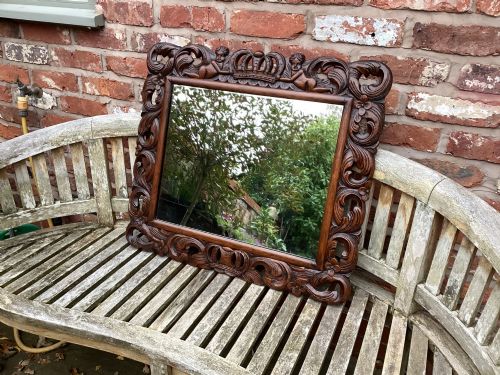
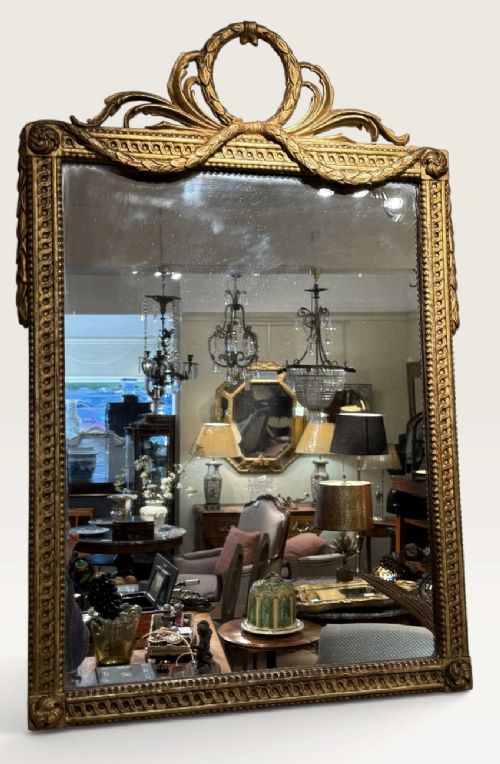
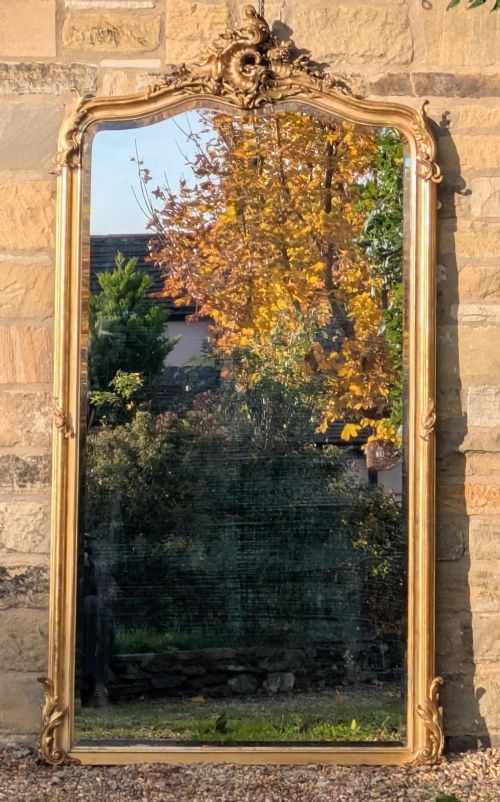
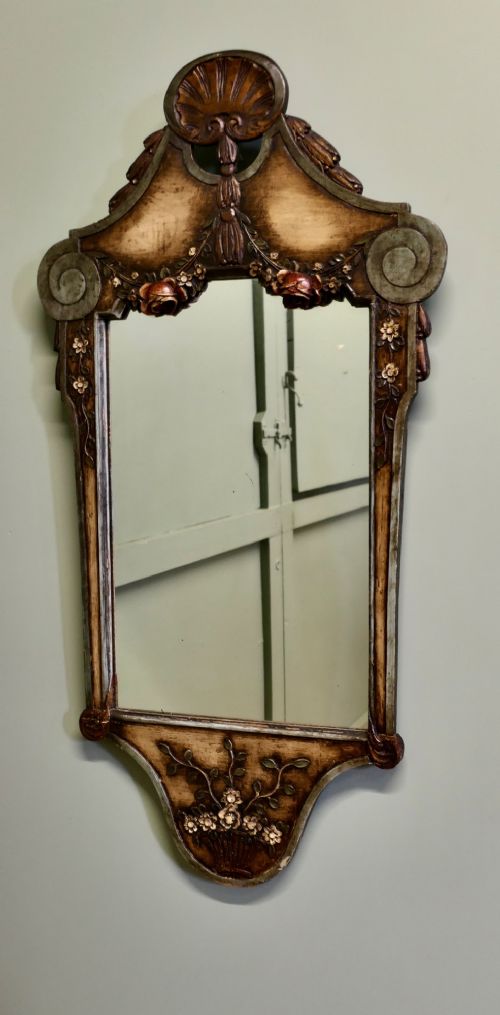
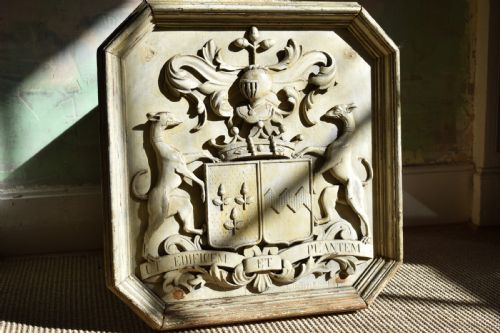
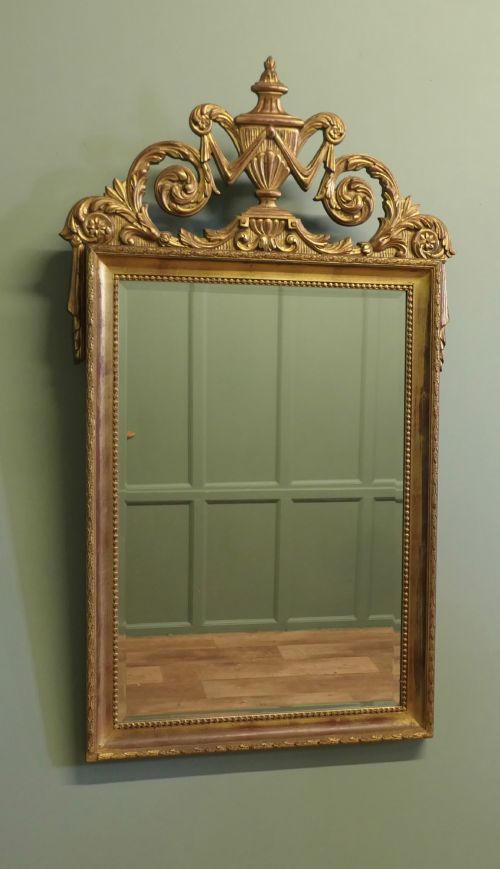
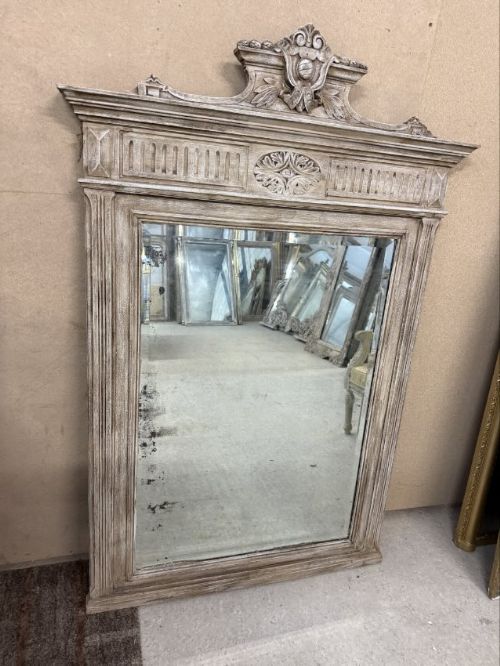
When you search for vintage wood crest, you encounter carved wooden frames, pediments, and decorative plaques originating from the eighteenth, nineteenth, and early twentieth centuries. These objects include overmantel mirrors, pier mirrors, and wall plaques bearing sculptural wooden flourishes.
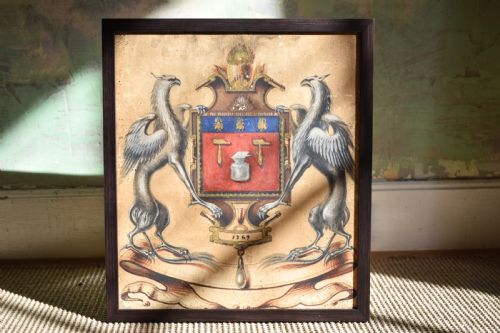
The pieces span English, French, and Italian workshops, reflecting Georgian, Victorian, and Rococo design traditions. Most examples take the form of wall mirrors featuring carved crestings, ranging from ribbon motifs to detailed wooden shields.
Georgian mahogany fretwork designs and ornate French giltwood styles dominate the selection available. Buyers also find occasional oak architectural pediments and carved hardwood armorial shields among the woodwork.
Materials and construction methods
Makers shaped these wooden crests using native and imported timbers such as mahogany, oak, satinwood, and walnut. Carvers worked the timber directly or applied gesso over wood to build up intricate relief details before gilding or painting the surface.
Giltwood and parcel-gilt finishes often incorporate layers of gold leaf applied over red bole. Mirrors frequently retain original mercury glass or bevelled mirror plates secured within the carved frames.
Vintage Wood Crest Retail Price Guide 2026
Typical asking prices for vintage wood crest among the pieces listed under this phrase on Sellingantiques today, from the lower quarter to the upper quarter. They describe what is for sale here now, not the wider market.
Materials recorded across the inventory include mahogany, oak, satinwood, giltwood, gesso, brass, and mercury glass.
What separates the finest examples
The distinction between standard decorative woodwork and superior pieces lies in the crispness and depth of the hand carving. Skilled carvers achieved subtle undercut details and balanced proportions that inferior work lacks.
The integrity of the original surface finish, whether aged gold leaf, painted decoration, or polished mahogany, defines the visual appeal. Replacements or heavy restoration alter the character and reduce the historic harmony of the object.
The Vintage Wood Crest Glossary
- Gesso
- A plaster-like mixture applied to wood surfaces to create a smooth base for gilding or painting. Carvers moulded and carved this material to achieve sharp relief decoration.
- Giltwood
- Timber coated with gold leaf or metal powder over a prepared ground. It reflects candlelight and daylight within period rooms.
- Fretwork
- Openwork patterns cut from thin wood panels using a fretsaw. This technique characterises Georgian and Chippendale style mirror frames.
- Overmantel
- A large mirror or panel designed to hang directly above a fireplace mantelpiece. These pieces often feature elaborate carved crests to fill vertical wall space.
- Mercury glass
- Silvered glass produced using a mercury amalgam technique common before nineteenth-century chemical silvering processes. It yields a distinctive mottled reflection.
Vintage Wood Crest: Frequently Asked Questions
How do I hang a heavy wood crest mirror safely?
These large mirrors require fixing directly into wall studs or using heavy-duty masonry anchors suited to the weight of the timber and glass.
Professional mirror hangers utilise split battens or strap hangers attached to the structural frame to distribute the load evenly.
Are carved wood crests cleaned with water?
Moisture damages historic gesso, giltwood, and exposed wood surfaces, causing cracking or lifting of the delicate finishes. Dusting with a dry, soft brush remains the safest maintenance method.
Chemical cleaners strip original patination and finishes, so conservation specialists advise against using liquid solutions on antique wood.
How can I tell a Georgian mirror from a Victorian copy?
Georgian mirrors typically display hand-bevelled glass, pegged tenon joinery, and timber patination consistent with eighteenth-century tool marks. Pine or oak secondary woods often support the primary mahogany.
Victorian reproductions in the Georgian style use nineteenth-century hardware, machine-sawn backing boards, and denser secondary timbers.
What rooms suit an overmantel mirror with a carved crest?
Living rooms and dining rooms provide traditional settings where high ceilings accommodate the grand scale of these architectural mirrors. Positioning them above a fireplace anchors the room's central focal point.
Entrance hallways also benefit from large pier mirrors, reflecting light and adding architectural presence to transitional spaces.