



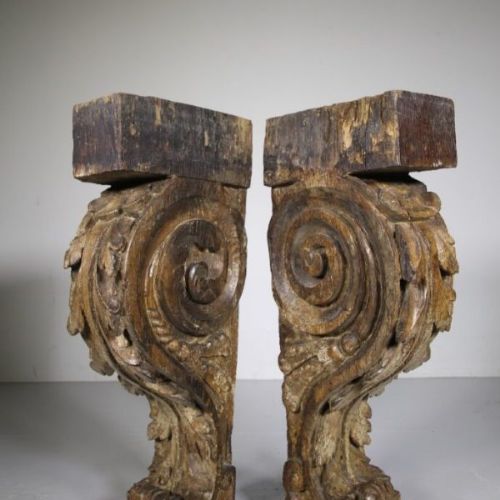


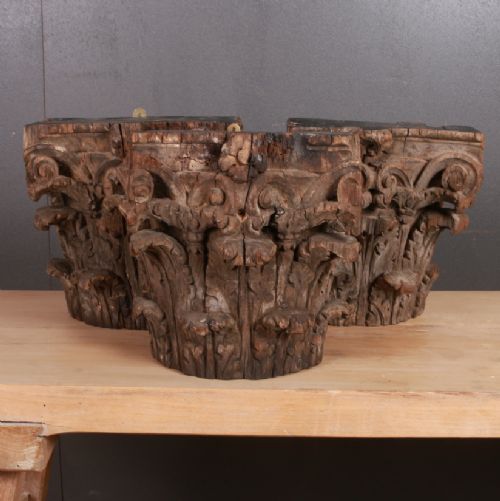

Vintage Wood Corbel
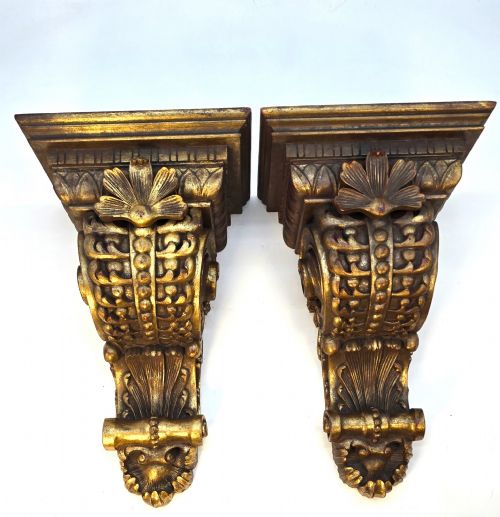
These vintage wood corbel pieces bring architectural weight and rich hand-carved detail to your interior spaces.
Vintage Wood Corbel
A vintage wood corbel serves as a structural support or decorative wall bracket, emerging from historical architectural salvage and fine furniture elements. When searching for a vintage wood corbel, you encounter items originating from the eighteenth and nineteenth centuries, including Victorian and Georgian periods.
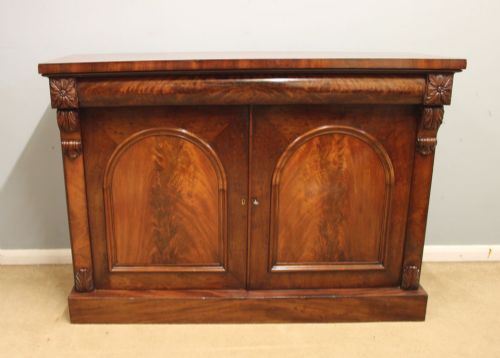
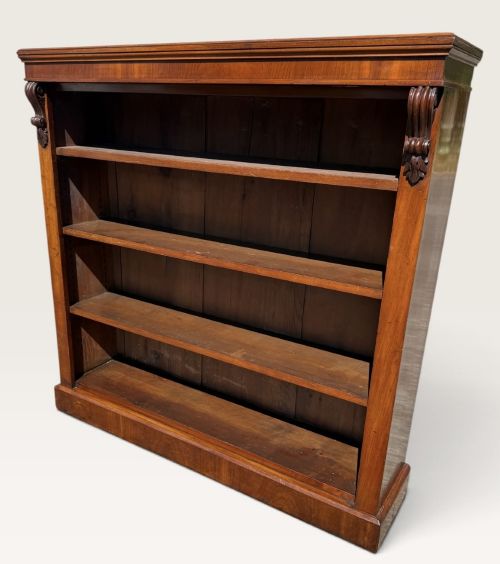
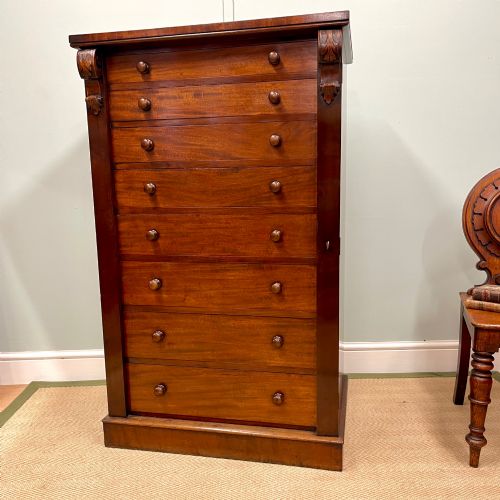
Most items reflect traditional craftsmanship adapted for interior display, functioning independently as wall brackets or originating from larger sideboards, bookcases, and chests of drawers. These objects bring historical depth to modern rooms through distinct regional styles and period aesthetics.
Materials and construction methods
Carvers shaped these pieces primarily from solid hardwoods such as mahogany, walnut, and oak, using traditional hand-chiselling techniques. The density of these timbers allowed artisans to execute deep undercuts and high-relief sculptural forms.
Many surfaces received decorative treatments including gesso, gold leaf, paint, and overall gilding to enhance their visual presence. These finishes interact with the carved wooden substrate, creating patinas developed through age and use.
Vintage Wood Corbel Retail Price Guide 2026
Typical asking prices for vintage wood corbel among the pieces listed under this phrase on Sellingantiques today, from the lower quarter to the upper quarter. They describe what is for sale here now, not the wider market.
A watchful carved Black Forest tiger head stares quietly from the eighteenth-century archive.
Assessing quality in carved woodwork
The integrity of the underlying timber and the preservation of original surface finishes determine the desirability of each piece. Surviving gilding, early paint layers, and untouched patinas elevate the character of the woodwork.
The Vintage Wood Corbel Glossary
- Corbel
- A structural member projecting from a wall to support a weight inside. These wooden examples often function as decorative wall brackets or shelf supports.
- Giltwood
- Wood that has been prepared with gesso and covered with gold leaf or metal leaf. This finish creates a bright reflective surface popular in Baroque and Rococo designs.
- Gesso
- A plaster-like mixture applied to wood as a base for paint or gilding. It provides a smooth surface for intricate detail work before leaf application.
- Architectural salvage
- Building elements rescued from structures slated for demolition or alteration. These pieces retain historical materials and decorative craftsmanship from earlier centuries.
- Baroque Revival
- A nineteenth-century style reviving the dramatic, ornate characteristics of seventeenth-century Baroque art. Pieces in this style feature heavy scrollwork and dynamic sculptural elements.
Vintage Wood Corbel: Frequently Asked Questions
How do I hang a heavy wooden corbel safely?
Secure the corbel directly into wall studs using appropriate heavy-duty fixings concealed behind the bracket. Ensure the weight distribution aligns with the structural capacity of both the wall and the timber.
Consult a professional installer if the corbel is large or intended to support weight, such as a display shelf or heavy mantelpiece.
Can these architectural brackets support real weight?
Many solid wood corbels were originally designed to bear structural loads or support heavy furniture elements like bookcase cornices and sideboard superstructures. Their load-bearing capacity today depends on the soundness of the timber and how securely they are mounted to the wall.
Lighter decorative brackets or carved architectural fragments serve primarily as visual ornaments rather than functional shelf supports.
How should I clean and maintain antique carved wood?
Dust the carvings gently with a soft, dry brush or a lint-free cloth to prevent buildup in the recessed areas. Avoid using liquid cleaners, silicone polishes, or harsh chemicals that can degrade historic wax or gilt finishes.
Apply a microcrystalline wax sparingly if the bare wood appears dry, buffing it gently after application to preserve the natural patina.
How do I distinguish Georgian from Victorian carvings?
Georgian carvings often exhibit restrained classical proportions influenced by Palladian and early neoclassical design, utilising dense native oaks and imported mahoganies. Victorian pieces frequently display heavier, more exuberant revival styles with deep relief and eclectic stylistic influences.
Examine the tool marks, timber shrinkage, and joinery methods on the reverse to help confirm the manufacturing period.