



Vintage Wood Centre Table
A vintage wood centre table anchors a room with presence, offering a practical surface with period character.
Vintage Wood Centre Table
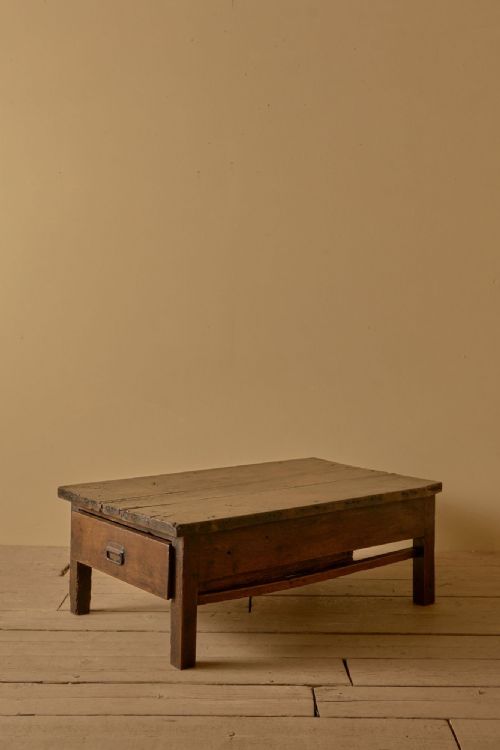
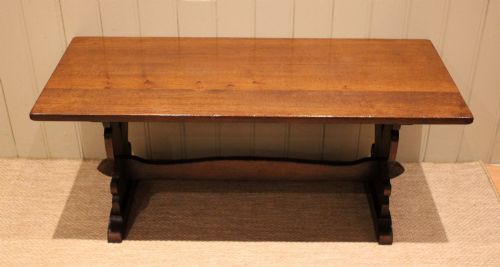
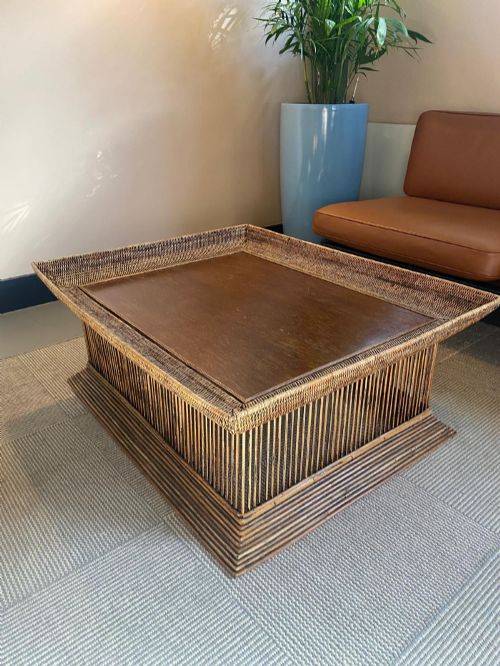
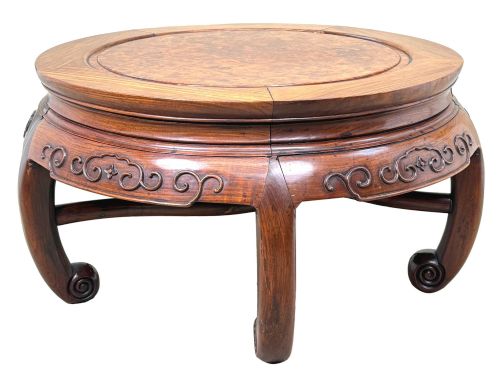
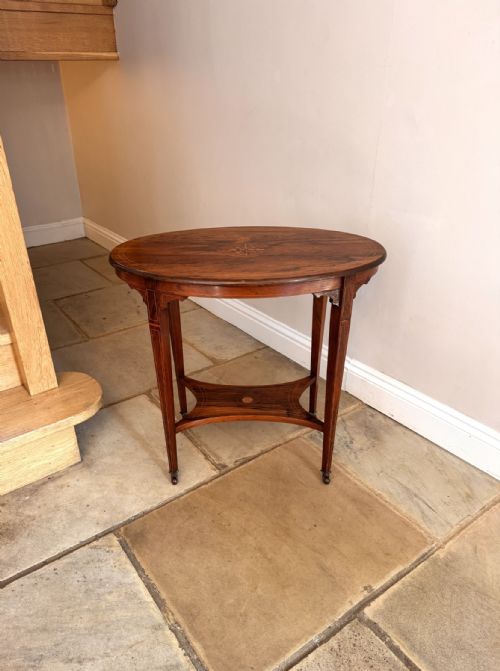
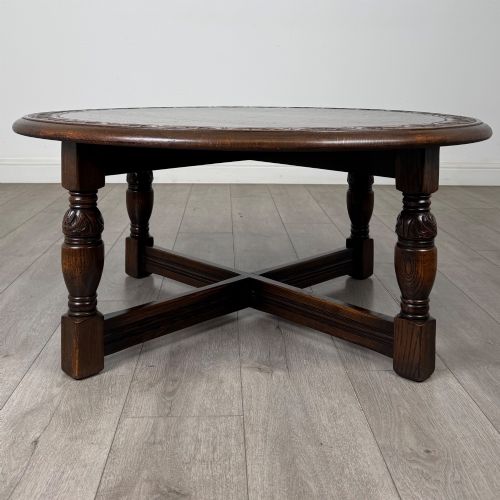
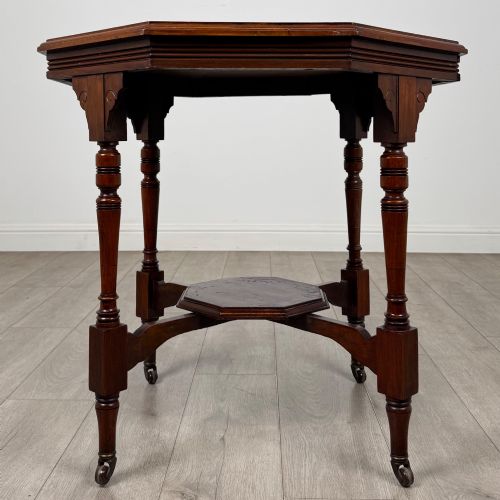
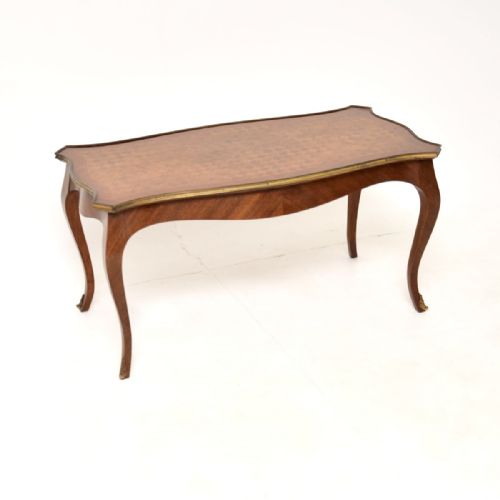
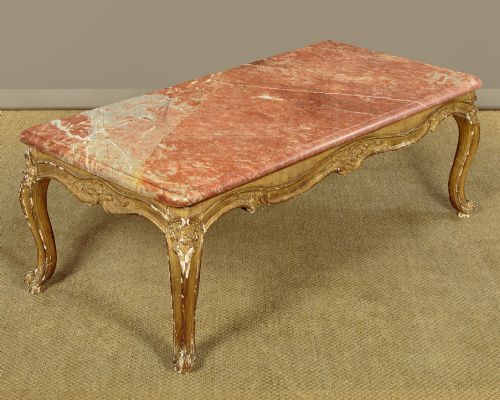
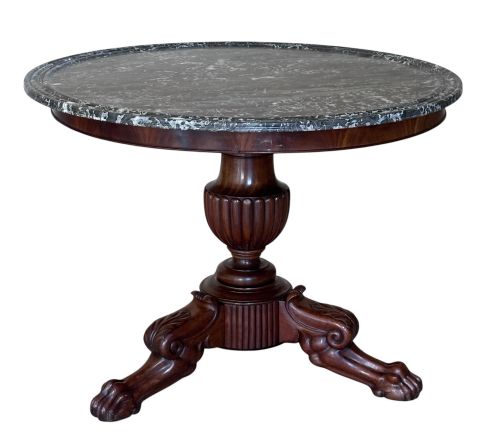
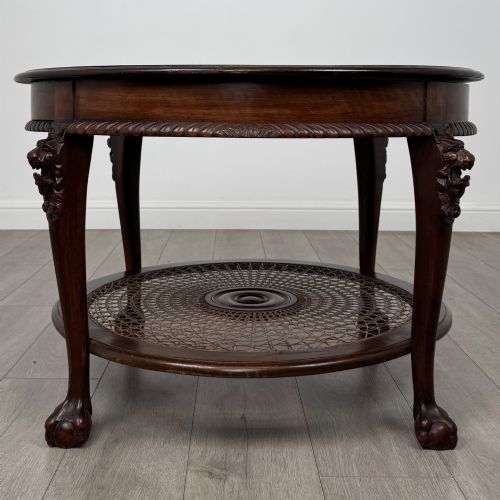
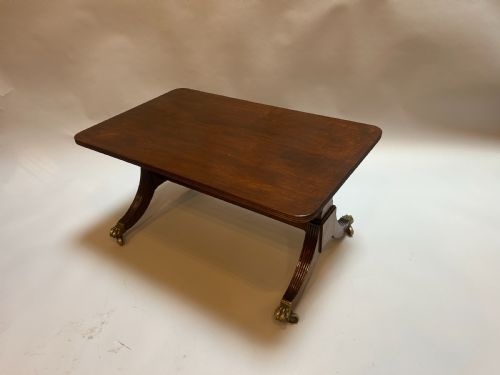
A vintage wood centre table encompasses various low and standard table forms spanning the nineteenth century through the art deco period. Buyers encounter round, oval, octagonal, and rectangular shapes utilised as coffee tables, occasional tables, library tables, and gueridons. These pieces originate from English, French, and Italian workshops, reflecting diverse design movements from Victorian and Edwardian aesthetics to French chateau and revival styles.
Materials and Technique
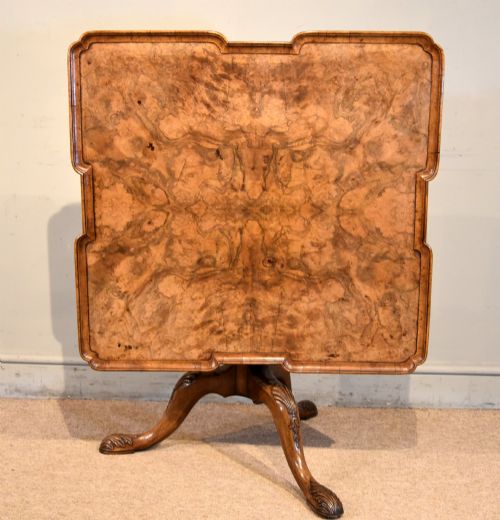
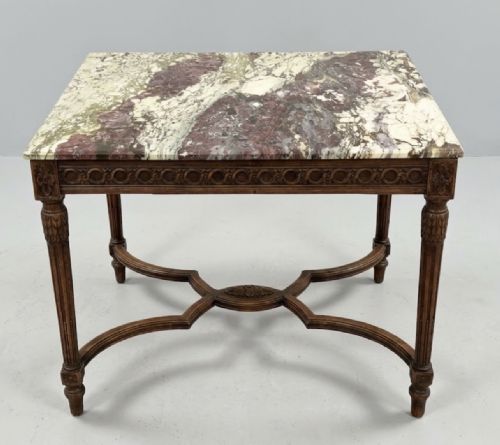
Cabinetmakers constructed these tables using solid hardwoods such as mahogany, walnut, oak, pine, and rosewood, alongside decorative veneers including burr walnut, satinwood, and yew oyster veneer. Marquetry and parquetry techniques added geometric and floral patterns to surfaces, while intricate carving defined legs, rims, and bases. Workshops also incorporated marble, onyx, and breccia medicea violetta stone tops, secured to wooden frames.
Structural methods included turned and carved legs, triform bases, and ormolu mounts that strengthened joints while enhancing visual appeal. French and Italian makers employed polychrome finishes and painted details alongside traditional polish to seal and protect the timber grain. These combined methods produced durable furniture designed to withstand daily domestic use.
Vintage Wood Centre Table Retail Price Guide 2026
Typical asking prices for vintage wood centre table among the pieces listed under this phrase on Sellingantiques today, from the lower quarter to the upper quarter. They describe what is for sale here now, not the wider market.
Listings feature woods including walnut, mahogany, rosewood, satinwood, oak, pine, and yew, paired with marble and onyx.
Craftsmanship and Proportion
Quality rests in the precision of the timber selection, such as the density of burr walnut figures and the alignment of veneer patterns across the tabletop. Superior tables display crisp, deep hand-carving on legs and borders rather than shallow or mechanical shaping. The integration of contrasting inlays and the stability of fitted stone or marble tops distinguish finer examples.
Proportion and structural integrity dictate the standing of a piece within the range, where balanced dimensions and robust joinery maintain long-term form. Tables featuring signed components, stamped maker marks, or specialised hardware like ormolu mounts demonstrate higher workshop investment. The harmony between the timber base and any applied decorative elements reveals the skill of the original maker.
Amleto Bertoni·Harrods
The Vintage Wood Centre Table Glossary
- Gueridon
- A small French table, often round, supported by a central pillar or three legs. These tables frequently feature marble tops and originated during the seventeenth century.
- Parquetry
- A geometric mosaic of wood pieces used for decorative floors and tabletops. Makers arrange contrasting timber veneers to create repeating patterns.
- Ormolu
- Gilded bronze furniture mounts popular in French design. Craftsmen cast and fire the metal before applying it to accent corners and legs.
- Oyster Veneer
- Slices of branch wood cut transversely to show circular rings. Cabinetmakers arrange these small rounds in dense, decorative surface patterns.
- Triform Base
- A three-sided pedestal support common on nineteenth-century tables. This configuration provides stability while offering decorative scroll or carved feet.
Vintage Wood Centre Table: Frequently Asked Questions
What is a centre table used for?
A centre table functions as a freestanding focal point in a room, traditionally placed in the middle of a space rather than against a wall.
In modern settings, many of these pieces serve as coffee tables or lamp tables, holding books, lighting, and decorative objects while anchoring the furniture arrangement.
How do I identify a Victorian table?
Victorian tables typically feature dense woods like mahogany and burr walnut, often displaying substantial proportions and dark finishes. Look for turned legs, robust pedestal bases, and substantial construction traits typical of the nineteenth century.
Later Victorian pieces may incorporate lighter satinwood details or oval tops, reflecting evolving tastes towards the end of the era.
Are marble top tables practical?
Marble and onyx top tables provide a durable, heat-resistant surface that handles daily use well. The stone insert adds weight and a distinct colour contrast to the wooden frame.
Routine care involves wiping spills promptly to protect the polished stone from staining or etching over time.
What distinguishes Art Deco tables?
Art Deco tables embrace streamlined forms, symmetrical sunburst wood veneers, and polished figured walnut surfaces. These pieces often feature clean geometric lines with minimal ornamentation, focusing instead on the natural grain of the timber.
Two-tier designs and circular silhouettes are common characteristics found in pieces from this twentieth-century period.