


Vintage Wood Book Stand
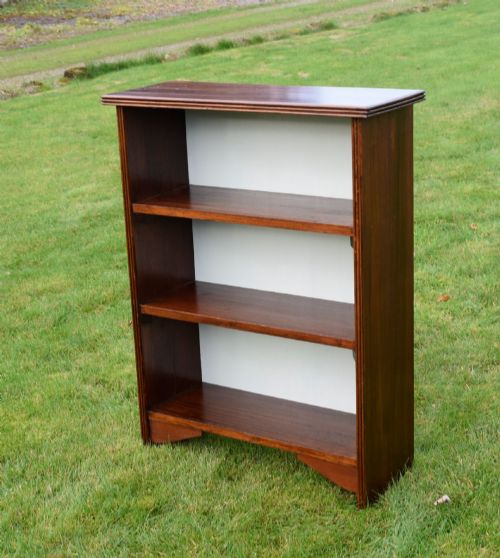
A vintage wood book stand holds volumes within arm's reach while bringing the rich grain of oak and mahogany into a room.
Vintage Wood Book Stand
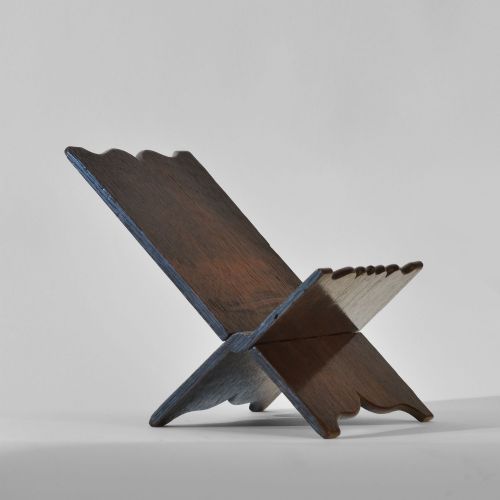
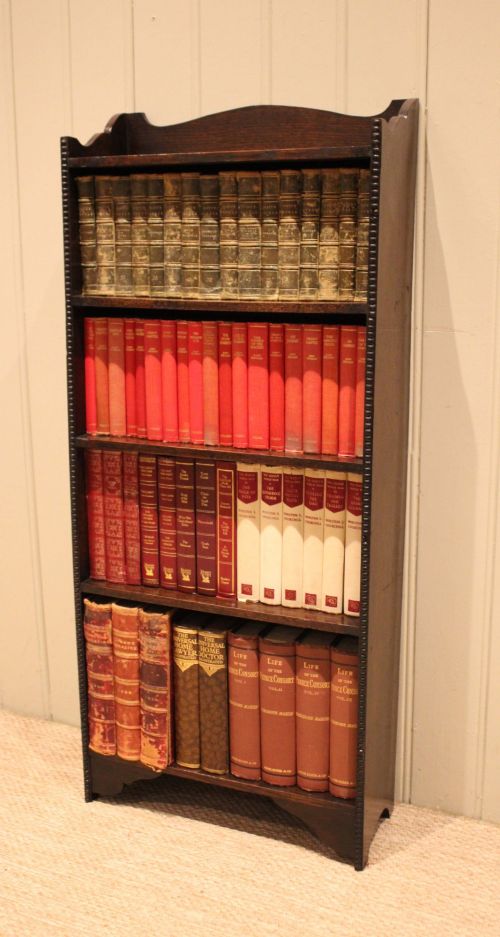
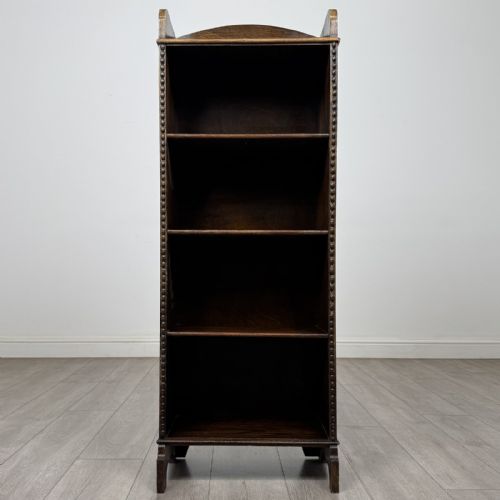
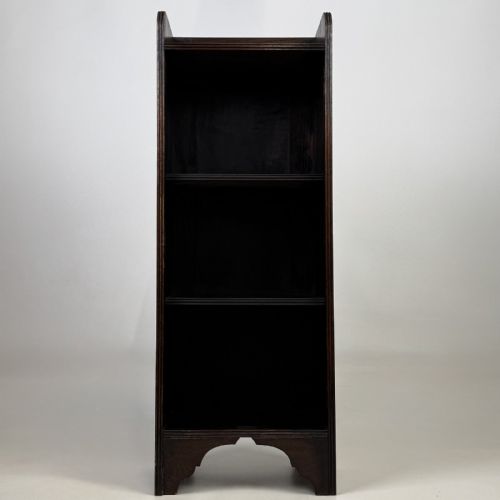
A vintage wood book stand covers a practical group of items designed to hold or display books, ranging from desktop rests to revolving bookcases and small open shelves. When searching for a vintage wood book stand, buyers most often encounter Edwardian and 19th-century oak or mahogany examples.
The selection includes rotating designs, tiered whatnots, reading tables, and carved desk rests. These objects served studies, libraries, and parlours, keeping working texts and favourite volumes close at hand.
How they were made
Cabinetmakers built these pieces using solid timbers like mahogany and oak, frequently adding brass hardware, iron mechanisms for revolving models, and carved details such as raised galleries or dentil cornices.
Makers employed traditional joinery methods to construct freestanding shelves, folding slides, and slatted rotating tiers capable of bearing the weight of heavy volumes over decades of daily use.
Vintage Wood Book Stand Retail Price Guide 2026
Typical asking prices for vintage wood book stand among the pieces listed under this phrase on Sellingantiques today, from the lower quarter to the upper quarter. They describe what is for sale here now, not the wider market.
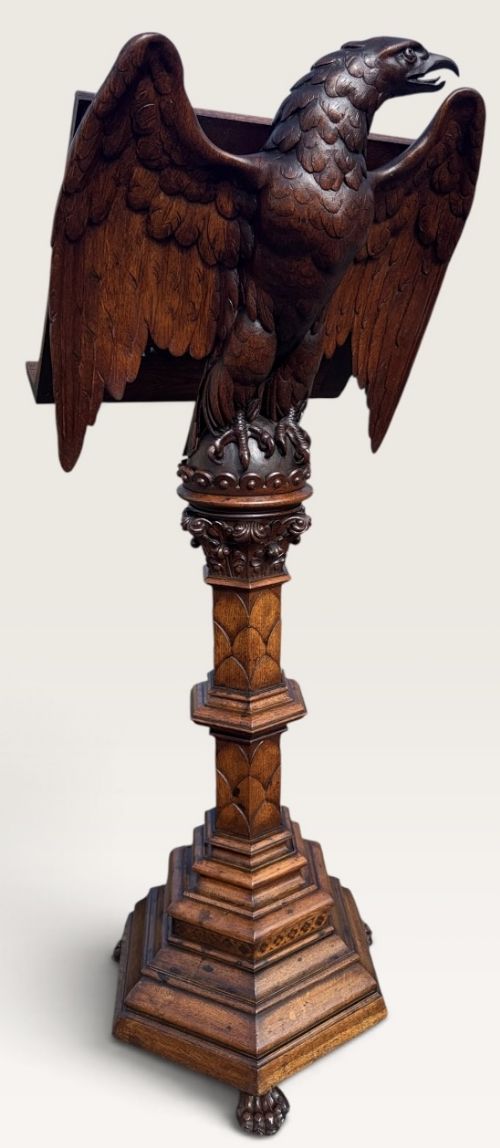
Listings feature oak and mahogany pieces spanning the Victorian, Edwardian, and Regency periods alongside specialty items like Linden wood Black Forest carvings.
What varies in quality
The distinction between standard items and finer examples rests on the crispness of timber selection, the depth of hand-carving, and the smoothness of any mechanical action, such as a revolving base.
Proportion and material choice define the upper tier, where figured mahogany or quarter-sawn oak meet restrained decorative elements like inlaid banding or carved architectural cornices.
Ercol·Gillows
The Vintage Wood Book Stand Glossary
- Revolving bookcase
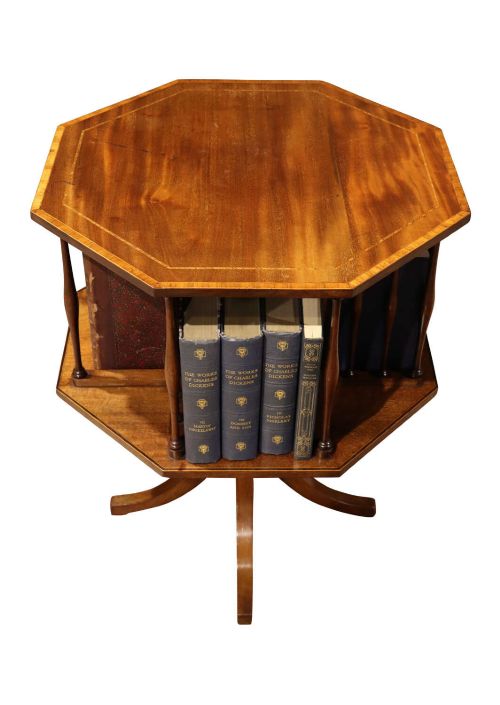
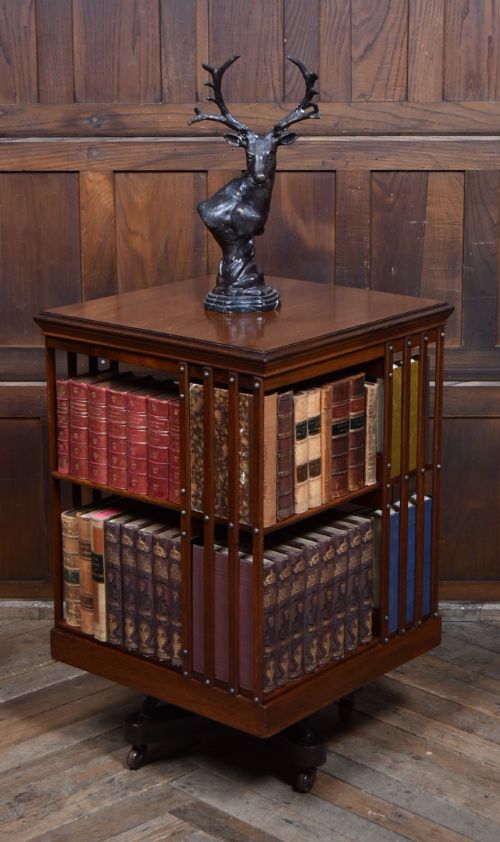
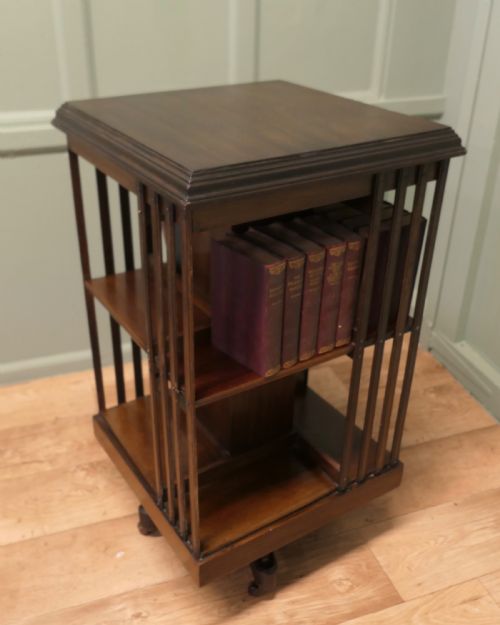
- A freestanding bookcase mounted on a hidden rotating platform that turns easily to access books from all sides. These typically stand on low castors or cross-form bases.
- Waterfall bookcase
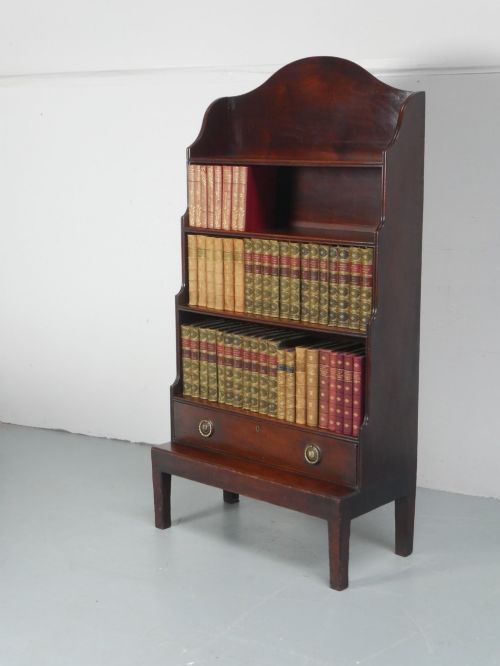
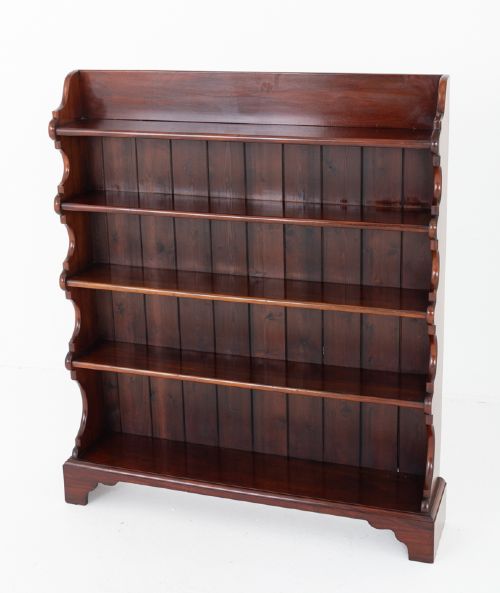
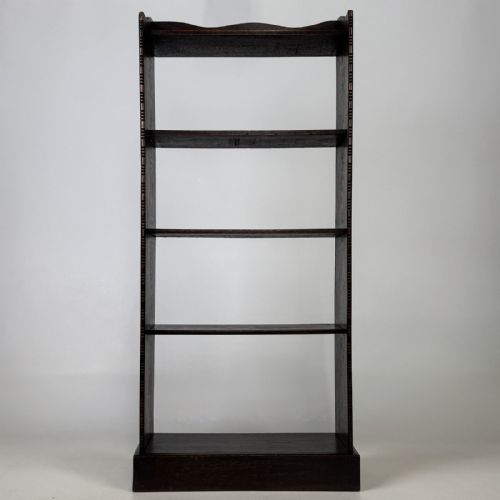
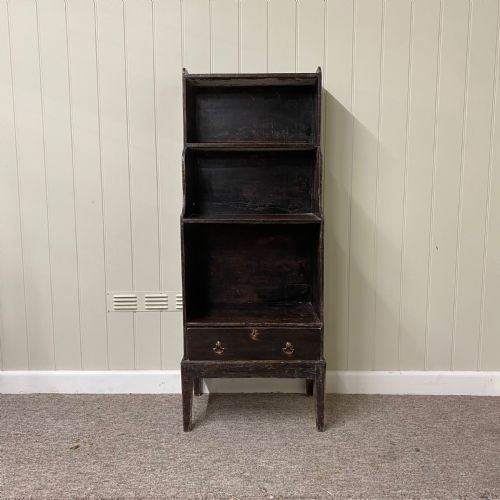
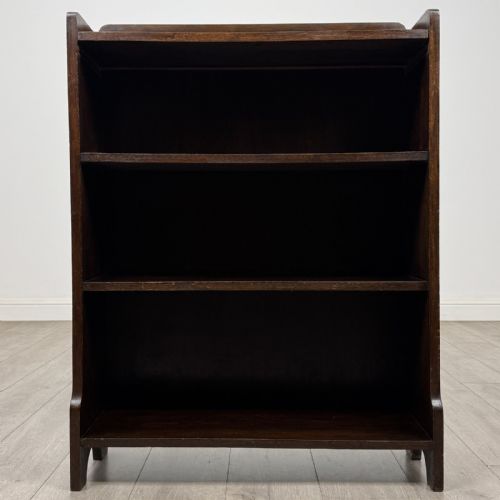
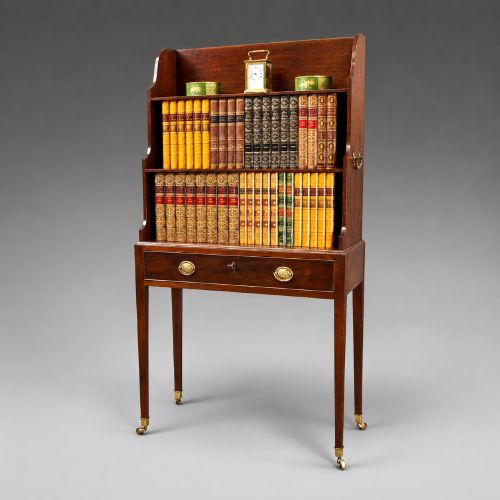
- A set of open shelves where each successive tier steps back from the one below, creating a cascading profile. This form appeared frequently in the Regency and 19th-century periods.
- Whatnot
- A multi-tiered piece of freestanding furniture used for displaying books and ornaments. Examples range from slender four-tier stands to designs combined with side tables.
- Dentil cornice
- A decorative moulding pattern resembling a row of small rectangular teeth running along the upper edge of a bookcase. This architectural detail frequently appears on Edwardian oak pieces.
- Raised gallery
- A low wooden rim or railing fitted around the top surface of a book stand or bookcase. It prevents items from sliding off the edge.
Vintage Wood Book Stand: Frequently Asked Questions
How do I use a revolving bookcase?
Place a revolving bookcase beside an armchair or desk to keep a working collection of books within hand reach. The rotating mechanism allows access to all four sides without needing to reposition the furniture.
Ensure the weight is distributed evenly across the shelves so the unit turns smoothly on its central pivot. Avoid placing excessively heavy folios on the upper tiers to maintain stability.
Where should I place a waterfall bookcase?
A waterfall bookcase suits narrow wall spaces or corners where standard rectangular shelving might block pathways. The stepped profile makes efficient use of floor space while displaying book spines clearly.
Keep these pieces away from direct heat sources and strong sunlight to protect the polished mahogany or rosewood surfaces from fading and drying out.
What is the difference between an Edwardian and a Victorian book stand?
Victorian pieces tend to use heavier timber, darker finishes, and more robust carving traditions. They often feature dense mahogany or walnut construction with substantial proportions.
Edwardian designs, by contrast, frequently incorporate lighter oak, satinwood inlay, or slatted sides. These later pieces reflect a turn towards airier forms and simpler domestic interiors.
How do I care for vintage wood finishes?
Dust the wood regularly with a soft, dry cloth to prevent particles from settling into the grain or carved details. Apply a quality beeswax periodically to nourish the timber and maintain a soft lustre.
Avoid using silicone-based polishes or damp cloths, as moisture can damage older French polish or wax surfaces over time.