





Vintage Wood Book Rack
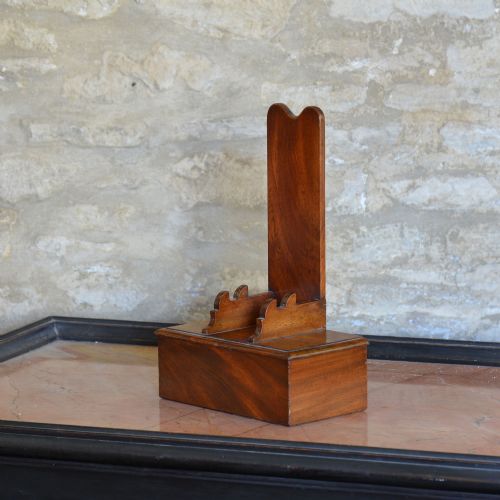
A vintage wood book rack holds volumes close on a desk or table, combining domestic utility with period cabinet-making.
Vintage Wood Book Rack
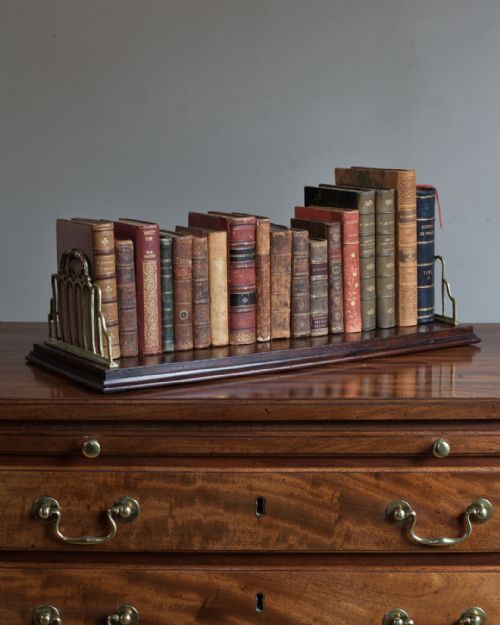
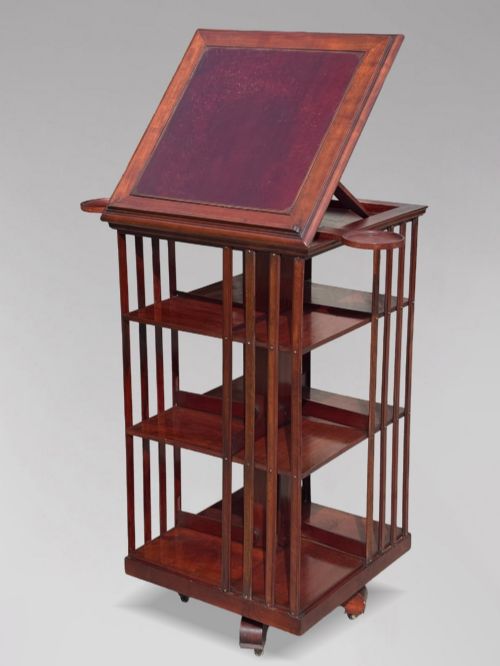
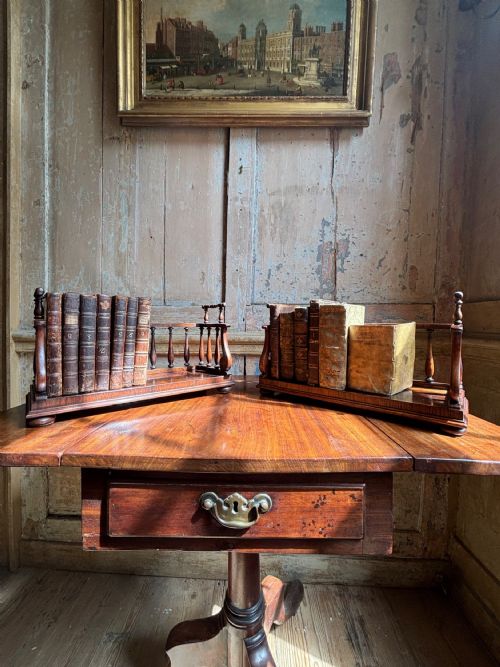
A vintage wood book rack encompasses various compact shelving forms designed to keep volumes orderly on tables, desks, or floors. When searching for a vintage wood book rack, buyers typically encounter table-top book slides, desktop book troughs, and small revolving bookstands originating from the nineteenth and early twentieth centuries.
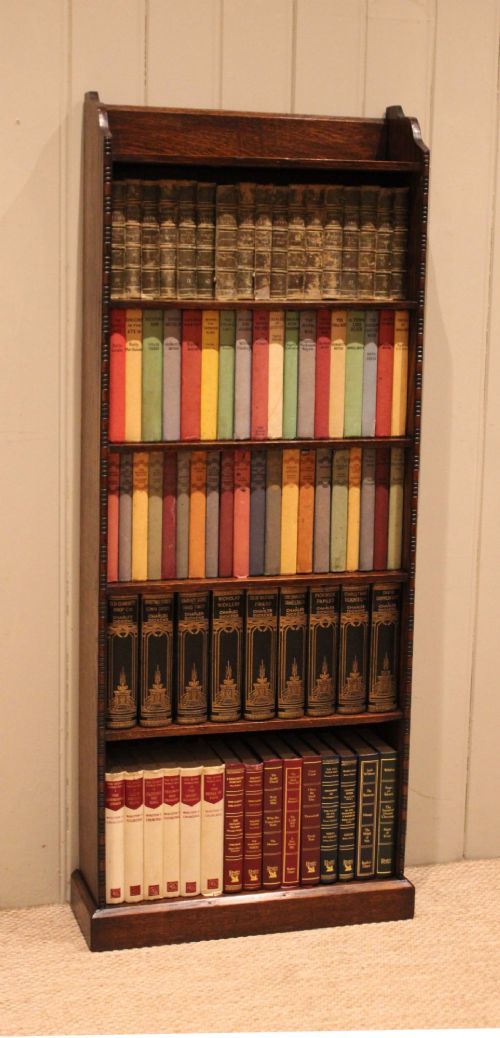
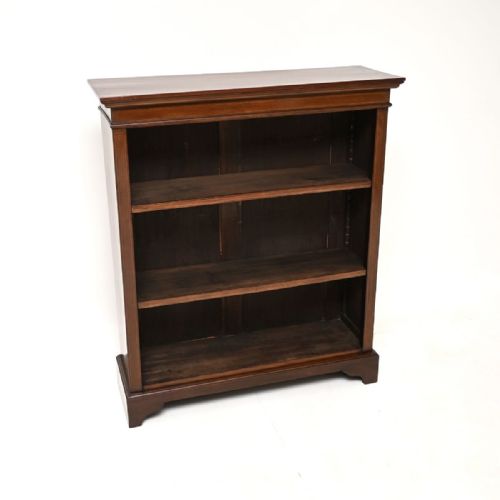
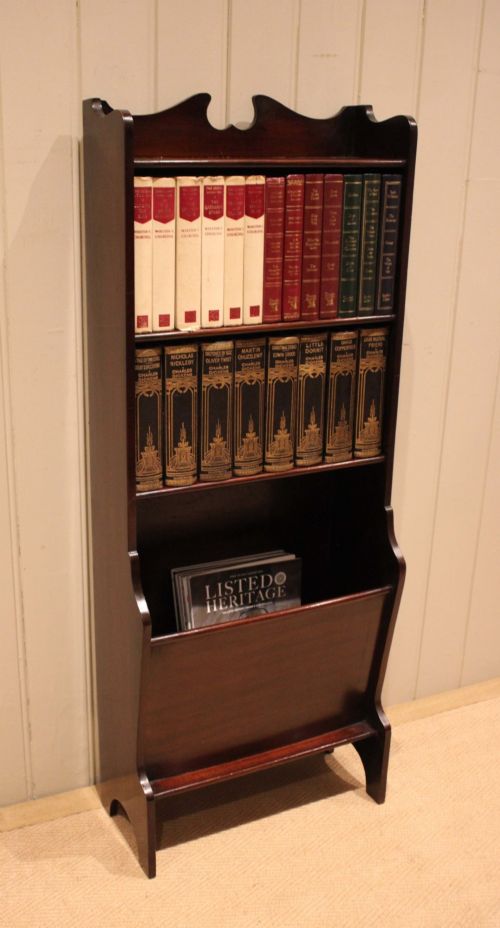
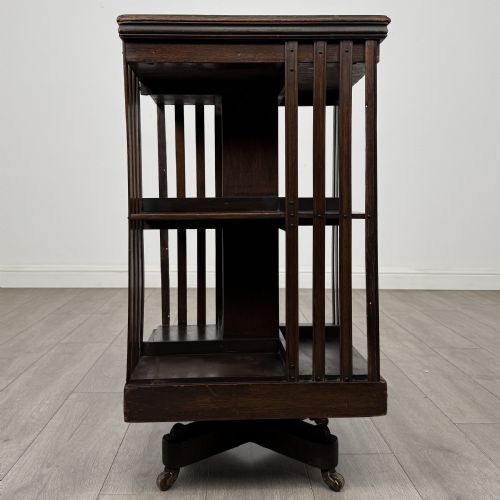
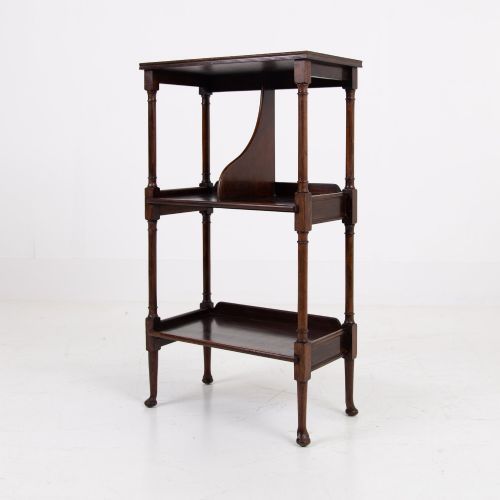
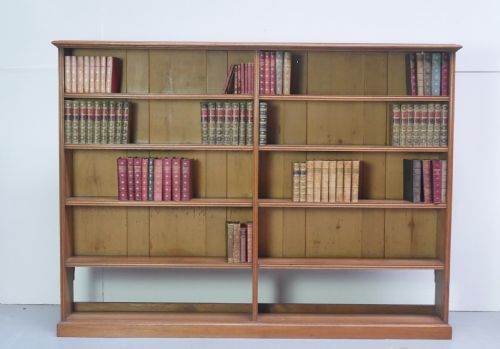
The selection ranges from simple extending desk slides in mahogany or rosewood to larger revolving oak bookcases and carved teak pieces from Anglo-Indian or Kashmiri workshops. Floor-standing open bookcases and smaller tier whatnot shelves also appear alongside portable library stands.
Edwardian and Victorian examples dominate the selection, often featuring inlaid details, slatted sides, or rotating bases built for heavy household volumes.
Materials and construction methods
Cabinet-makers utilised dense hardwoods such as mahogany, oak, walnut, and rosewood to ensure structural stability for supporting heavy volumes. Secondary timbers like pine appear on internal or less visible surfaces.
Decorative elements involve brass fittings, mother-of-pearl inlay, and intricate surface carving seen in Anglo-Indian and Kashmiri pieces. Extending book slides frequently incorporate functional brass actions or wooden ratchets to adjust the span of the rack.
Vintage Wood Book Rack Retail Price Guide 2026
Typical asking prices for vintage wood book rack among the pieces listed under this phrase on Sellingantiques today, from the lower quarter to the upper quarter. They describe what is for sale here now, not the wider market.
Some book slides travelled from Jerusalem and Kashmir, carrying carved wooden scenes across oceans to Victorian desks.
Assessing quality in wood book storage
Quality rests in the precision of the joinery and the selection of timber figures, such as flame mahogany or quarter-sawn oak. Superior pieces display crisp carving, secure inlay work, and smooth mechanical movement in revolving stands or extending slides.
Simpler pieces rely on robust construction without elaborate decoration, whereas finer items exhibit careful attention to edge mouldings, matched timber grain, and durable brass hardware that withstands repeated adjustment.
The Vintage Wood Book Rack Glossary
- Book slide
- An adjustable desktop rack designed to hold a small row of books upright between two end supports. These items often feature extending mechanisms made from wood or brass.
- Book trough
- A V-shaped desktop or table-top holder that keeps volumes tilted for easy reading and selection. They appear frequently in Edwardian mahogany and oak.
- Revolving bookcase
- A rotating stand mounted on a spindle and castor base, allowing access to books from all sides. They are constructed in table-top and floor-standing formats.
- Whatnot
- An open set of multi-tiered shelves used for displaying books and ornamental objects. These pieces date across the nineteenth century in various wood types.
- Inlay
- A decorative technique where contrasting materials like lighter woods or mother-of-pearl are inserted into recesses in the primary timber surface.
Vintage Wood Book Rack: Frequently Asked Questions
How do revolving bookstands operate?
Revolving bookstands sit upon a concealed ball-bearing mechanism or a spindle base enclosed within the central column.
This engineering allows the entire tiered structure to turn smoothly in either direction for easy browsing.
Where were portable book shelves used?
Portable book shelves and table-top racks served domestic spaces where permanent shelving was unavailable.
Victorian and Edwardian households placed them on writing desks, side tables, and library surfaces to keep active reading material close at hand.
How do I identify Edwardian book racks?
Edwardian pieces generally date from the period around nineteen hundred to nineteen ten, favoring light mahogany or oak.
They frequently display subtle string inlay, slatted sides, and simpler structural lines compared to heavier Victorian designs.