

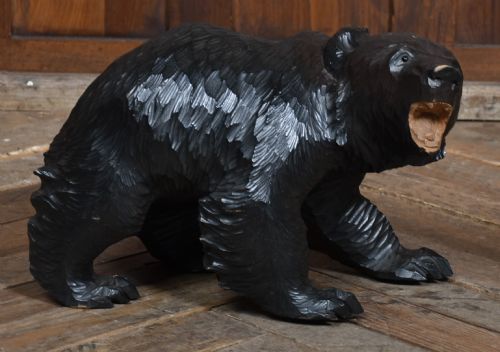


Vintage Wood Bear
These vintage wood bear carvings range from Black Forest tobacco jars to Japanese folk art figures, offering character and craftsmanship for any room.
Vintage Wood Bear
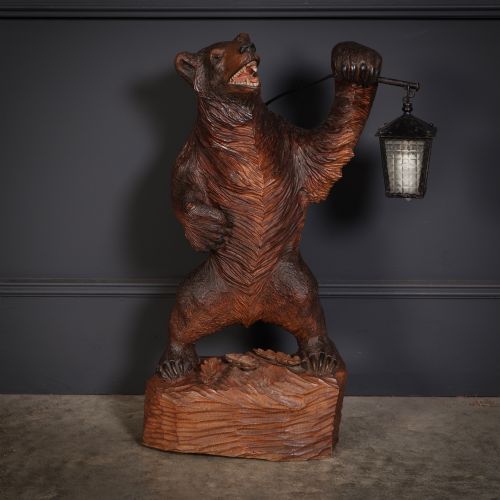
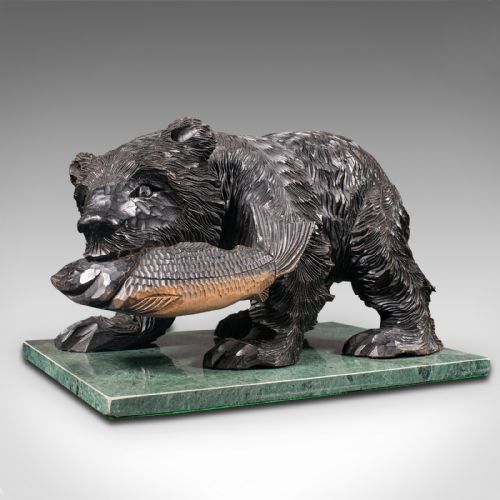
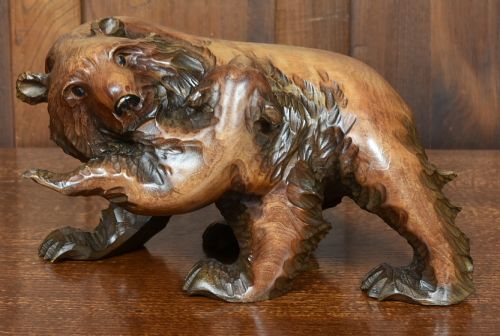
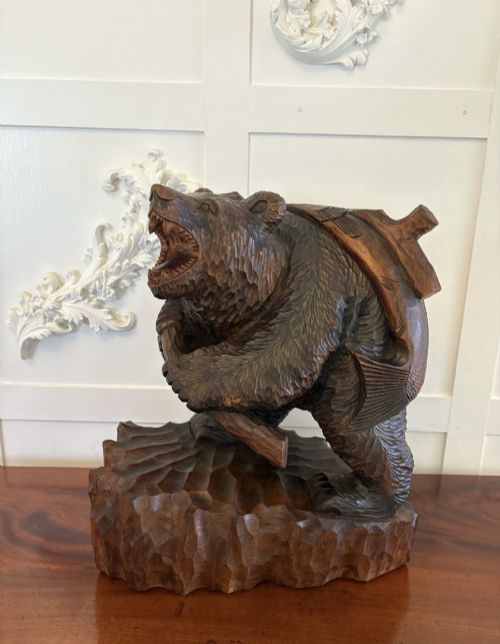
When you search for vintage wood bear, you encounter two distinct regional traditions: European Black Forest works and Japanese Kibori Kuma folk art. These pieces function as decorative objects, bookends, table lamps, tobacco boxes, and large hall stands.
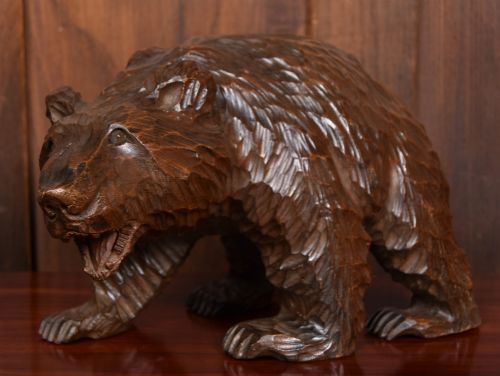
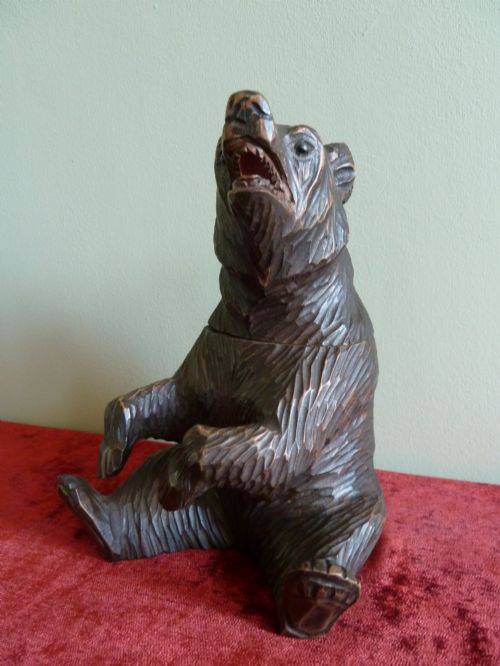
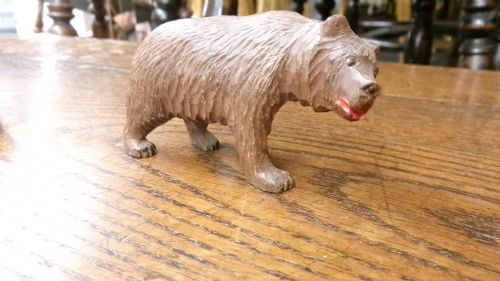
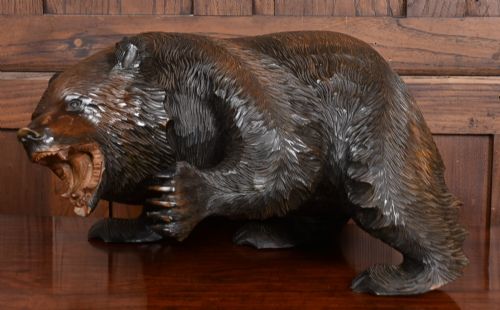
The Black Forest tradition yields naturalistic brown bears often modelled as humidor jars, stick stands, or miniature figurines. Japanese pieces, particularly Kibori Kuma, present hand-carved representations often shown carrying a fish or accompanied by a cub.
Most examples originate from the nineteenth and early twentieth centuries, spanning periods from the eighteen-eighties through the Edwardian era. You are most likely to meet carved linden wood, cedar, and assorted hardwoods among these selections.
Materials and carving techniques
Insets such as glass or metal stud eyes bring realism to the animal forms. Certain sculptures receive a stain finish to enrich the tone of the wood before final polishing.
Vintage Wood Bear Retail Price Guide 2026
Typical asking prices for vintage wood bear among the pieces listed under this phrase on Sellingantiques today, from the lower quarter to the upper quarter. They describe what is for sale here now, not the wider market.
Distinguishing quality in carvings
Anatomical proportion and depth of carving separate superior sculptures from simpler productions. The treatment of fur, expression, and posture dictates the visual impact of each figure.
Functional items show greater complexity where hinges, receptacles, or lamp fittings integrate smoothly into the carved bear form. Preserved original surfaces without modern intervention retain the integrity of the piece.
The Vintage Wood Bear Glossary
- Kibori Kuma
- Japanese wood-carved bear folk art originating from Hokkaido. These pieces often depict bears holding fish or cubs.
- Black Forest
- European carving style originating in the mountainous border regions, renowned for realistic animal sculptures and furniture. Makers frequently utilised linden wood for these detailed works.
- Humidor
- A lidded box or jar designed to keep tobacco moist. In this category, such containers are carved in the form of a standing or sitting bear.
- Linden wood
- A pale, fine-grained timber favoured by carvers for its even texture. It allows for intricate detailing without splintering.
Vintage Wood Bear: Frequently Asked Questions
What are vintage wood bears made from?
These carvings are predominantly fashioned from linden wood, cedar, and various hardwoods. Some examples incorporate glass or metal for the eyes.
Surfaces are often left in a natural waxed state or finished with a dark stain to highlight the carved fur.
How do I date a carved bear?
Dating relies on style, material, and construction methods associated with nineteenth and early twentieth-century workshops. Edwardian pieces and items from the eighteen-eighties display specific regional carving traits.
Hardware such as hinges on tobacco boxes or original lamp fittings also provide chronological clues.
Where did Black Forest bears originate?
Black Forest carvings emerged from the mountainous regions of central Europe during the nineteenth century. Local artisans specialised in realistic representations of wildlife, particularly bears.
These animals were incorporated into functional items like umbrella stands, bookends, and desktop accessories.