



Vintage Wood Appliques
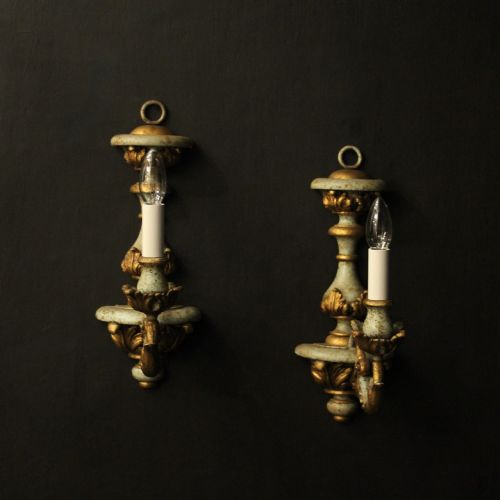
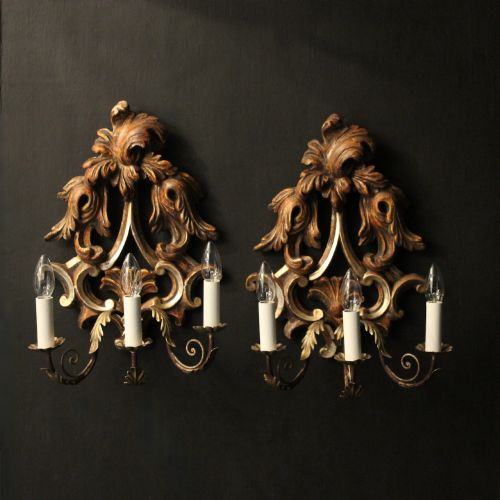
Vintage wood appliques bring sculptural depth to walls, offering the ornate character of Florentine and French provincial lighting.
Vintage Wood Appliques
Vintage wood appliques largely comprise wall lights and sconces originating from Italian and French workshops, spanning the seventeenth century to the early twentieth century. Buyers seeking these pieces encounter architectural salvage, carved brackets, and multi-arm fixtures designed to illuminate rooms with classical elegance.
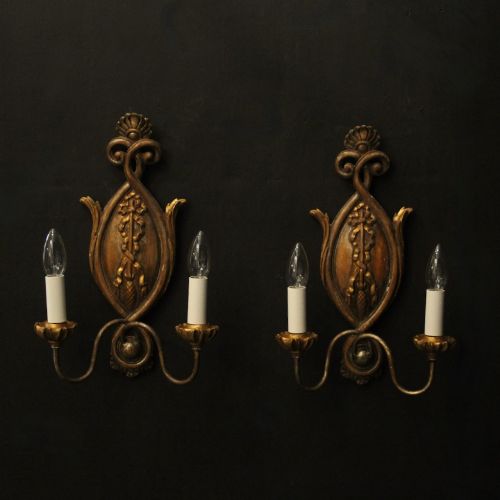
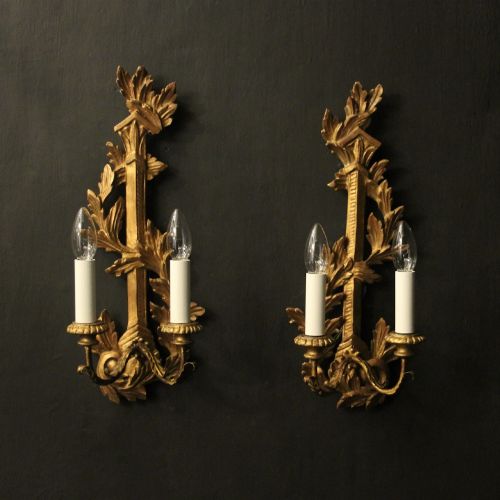
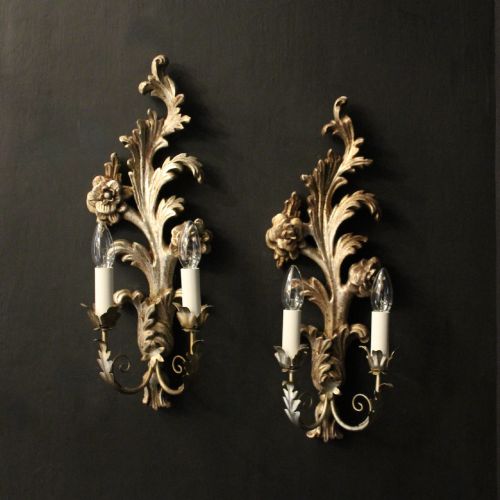
The selection on this page centres heavily on twin, triple, and four-arm wall lights executed in Florentine and Italian styles. These fixtures often reflect historical revivals, channelling Baroque, Rococo, and Neoclassical design traditions into functional wall art.
How they were made
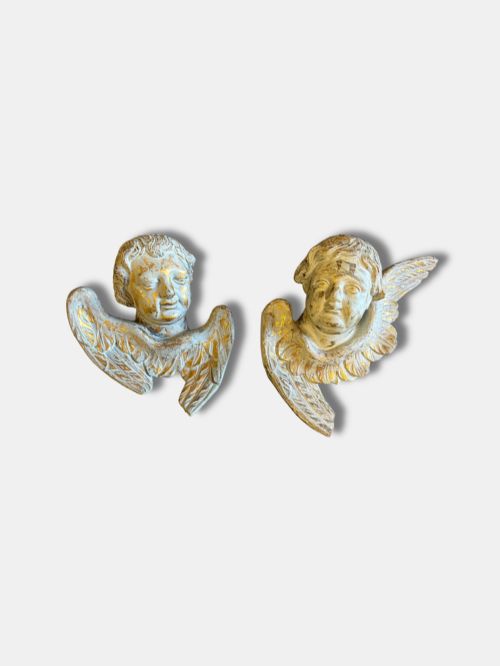
Carved wood forms the structural base for these appliques, shaped by hand into intricate scrolls, putti, and botanical motifs. Artisans then applied gesso to smooth the wooden surface before finishing the pieces with gold leaf, silver leaf, or polychrome paint.
Giltwood and silver giltwood treatments dominate the construction methods seen here, providing a reflective metallic sheen over the carved gesso. Certain architectural elements also utilise leathermaché and iron components to achieve sculptural relief.
Vintage Wood Appliques Retail Price Guide 2026
Typical asking prices for vintage wood appliques among the pieces listed under this phrase on Sellingantiques today, from the lower quarter to the upper quarter. They describe what is for sale here now, not the wider market.
What varies in quality
The refinement of the hand-carving separates standard production from superior examples, visible in the crispness of acanthus leaves and the anatomy of figural elements like putti. Master carvers achieved a fluid, organic movement in wood that lesser hands rendered stiffly.
The application and preservation of the gold leaf or polychrome finish dictate visual depth. High-quality surfaces display subtle patination and delicate burnishing rather than flat, uniform modern coatings.
The Vintage Wood Appliques Glossary
- Giltwood
- Wood that has been coated with a thin layer of gold leaf. This technique creates a luminous surface that catches candlelight and electric illumination alike.
- Gesso
- A plaster mixture applied to carved wood to create a smooth ground for gilding or painting. It allows carvers to achieve sharp, intricate details.
- Applique
- A wall-mounted decorative fixture or bracket, frequently adapted to hold candle arms or electric lamp fittings. The term originates from the French applied art tradition.
- Polychrome
- Painted in several colours. This finish appears frequently on Italian and French pieces to imitate natural fruit, drapery, or flesh tones.
- Putti
- Depictions of chubby male infants, often winged, derived from classical mythology. They frequently adorn Baroque and Rococo carved wooden brackets.
Vintage Wood Appliques: Frequently Asked Questions
How do I wire vintage wood appliques?
Most antique wall lights arrive with old internal wiring or none at all, requiring a qualified electrician to channel modern cables safely through the carved wooden structure.
Installers typically use slim, heat-resistant flex that runs discretely behind the backplate or through existing mounting channels to preserve the historical fabric of the carved wood.
Where should I hang these wall lights?
Position vintage appliques at eye level in hallways, flanking a fireplace, or framing a large mirror to maximise their sculptural impact and create layered ambient lighting.
Ensure the mounting wall can support the weight of solid carved wood and gesso, particularly with larger multi-arm fixtures dating from the seventeenth to twentieth centuries.
How do I clean gilded wood surfaces?
Dust gilded wood gently with a soft, dry ostrich feather duster or a clean, dry artist's brush to remove accumulated particles without abrading the delicate gold leaf.
Avoid using water, chemical solvents, or modern cleaning sprays, as moisture quickly degrades historic gesso and lifts fragile metallic leaf from the wooden substrate.
What is the difference between Italian and French styles?
Italian appliques, particularly those from Florentine workshops, tend to feature dramatic carved scrollwork, heavy gilding, and exuberant Rococo or Baroque ornamentation.
French pieces frequently incorporate softer polychrome fruit motifs, refined architectural proportions, and restrained Neoclassical detailing reminiscent of chateau interiors.