




Vintage Wire Fire Screen
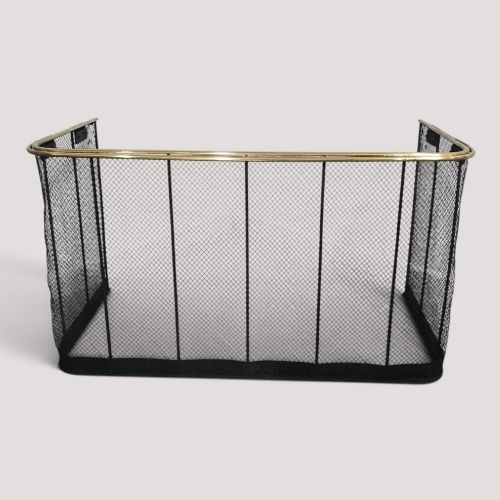
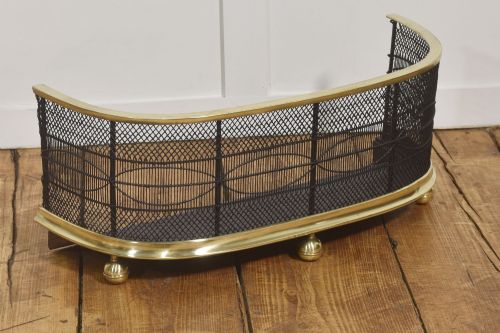
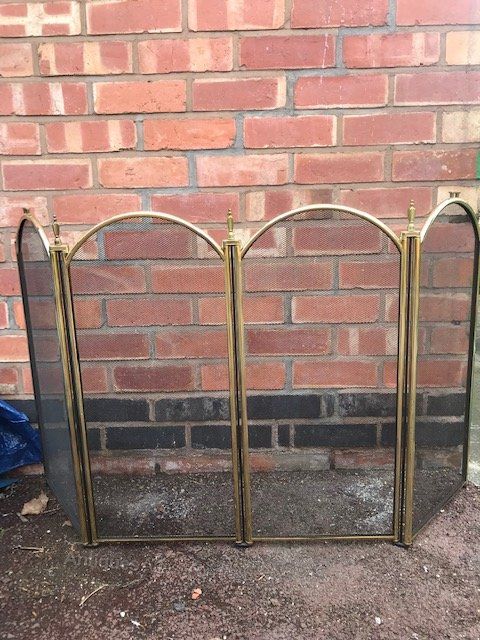
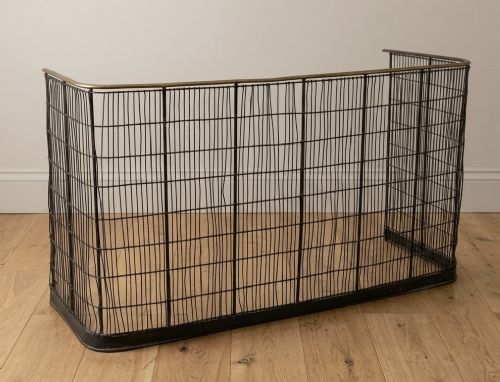
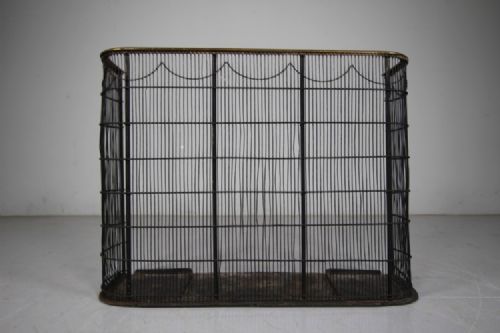
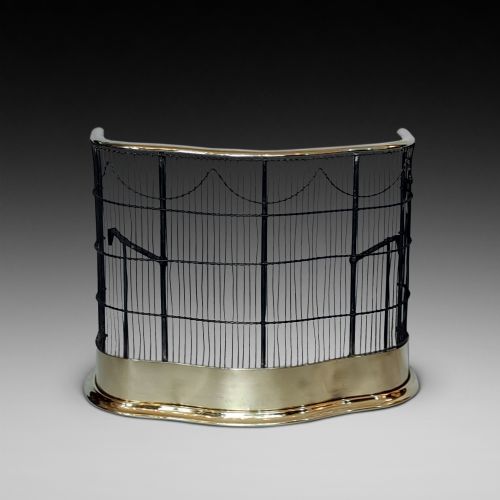
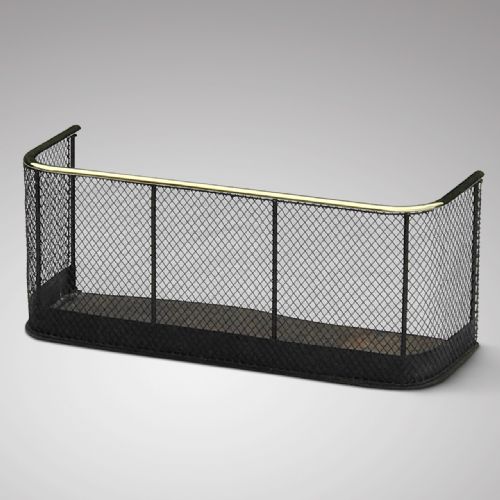
These vintage wire fire screen examples combine practical hearth safety with period character, offering brass frames and mesh panels that protect rooms from stray embers.
Vintage Wire Fire Screen
A vintage wire fire screen provides a protective barrier before an open hearth, designed to catch sparks while keeping the warmth of the fire visible in the room. When buyers search for a vintage wire fire screen, they encounter protective guards and nursery fenders dating from the 19th Century, Victorian, Edwardian, and Regency eras.
The most common versions on this page are nursery fenders and spark guards featuring woven iron wire or wire mesh panels set into polished brass frames. These pieces often incorporate practical additions such as top rails, folding sections, or bowed fronts designed to enclose the hearth securely.
How they were made
Maker workshops constructed these screens using sturdy iron or steel wire mesh mounted within substantial brass frames and wrought iron supports. The metalwork often combines woven iron wire with embossed brass top rails, balancing structural durability with decorative restraint.
Makers utilised dark finishes on iron components to contrast with the polished brightness of brass rims and fittings. Folding sections and clothes rails were integrated into the metal frames to provide additional utility in domestic settings.
Some historic nursery fenders included built-in clothes rails, serving the dual purpose of spark guard and indoor laundry dryer.
What varies in quality
Quality rests in the weight of the metal framing and the tightness of the wire mesh weave. Substantial brass top rails and solid wrought iron structures distinguish the finer examples from simpler utilitarian guards.
The refinement of the brass rimning and the presence of serpentine or bowed shapes indicate superior craftsmanship. Well-preserved folding sections and integrated companion sets further elevate the stature of a piece.
The Vintage Wire Fire Screen Glossary
- Nursery fender
- A tall protective guard designed to encircle a hearth and keep children at a safe distance from the fire. These guards often feature robust brass top rails and fine wire mesh.
- Spark guard
- A portable screen placed directly in front of the fireplace opening to catch flying embers. They utilise iron mesh or wirework to maintain visibility of the flames.
- Serpentine
- A gently undulating curved front shape seen on finer fire screens and fenders. This contour adds elegance and helps the guard fit snugly around hearth projections.
- Wirework
- Metal components formed from woven or twisted iron and steel wire. It provides a semi-transparent barrier that allows heat to circulate freely into the room.
Vintage Wire Fire Screen: Frequently Asked Questions
What is a nursery fender?
A nursery fender is a taller, more enclosed protective guard originally designed to keep children safely away from open hearths in domestic interiors.
These pieces typically feature sturdy brass top rails and extended wire mesh sides that create a secure perimeter around the fireplace.
How do I choose the right size?
Measure the width and depth of your hearth area to ensure the screen or fender sits comfortably around the fireplace surround.
Consider whether you need a flat folding screen or a bowed nursery fender that projects further into the room.
Can I use these with an active fire?
These wire and brass screens are built to contain sparks and embers during active fires while allowing heat to pass through the mesh.
Traditional wire mesh and iron construction make them suitable for daily hearth use when properly positioned.
How do I date these pieces?
Dating relies on stylistic clues such as brass framing details, the weave of the wire mesh, and period characteristics from Victorian or Edwardian designs.
Victorian and 19th Century examples often feature heavy brass top rails and darker iron finishes compared to later Edwardian pieces.