




Vintage Wire Display
Vintage wire display pieces bring airy industrial strength and botanical charm to rooms through open metalwork forms designed to hold plants and objects.
Vintage Wire Display
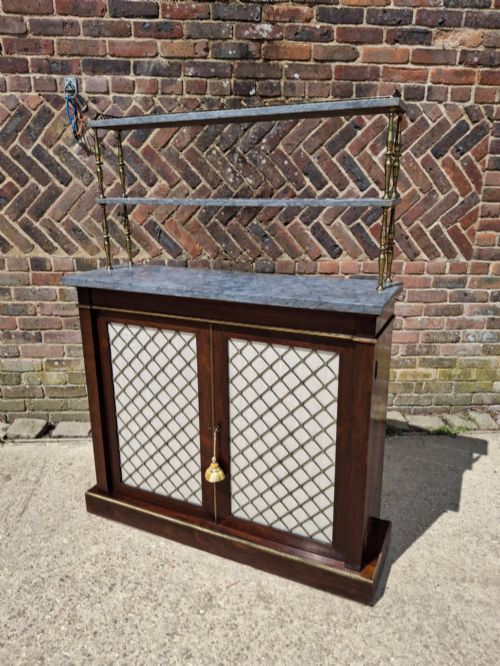
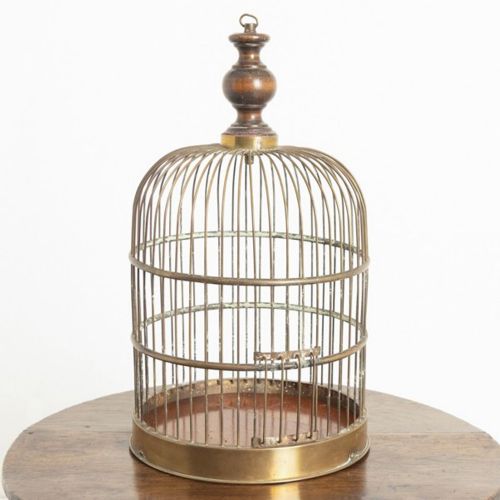
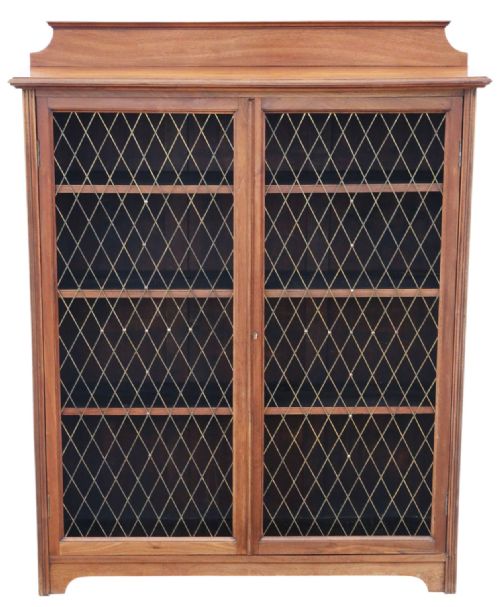
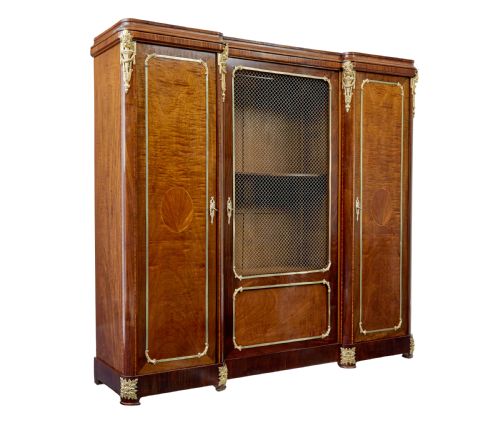
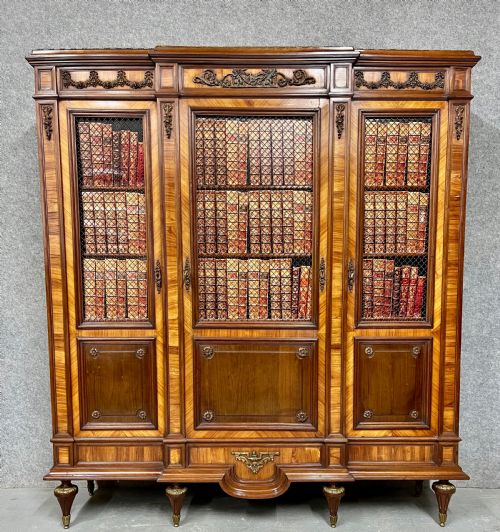
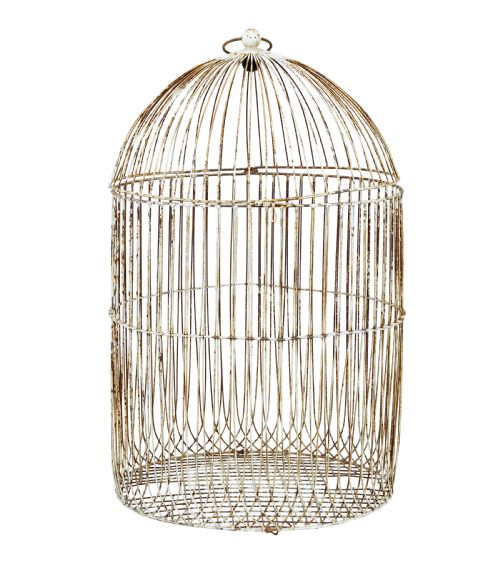
Vintage wire display encompasses structural metalwork pieces designed for holding and showcasing items, ranging from botanical stands to large bird cages. Buyers searching for vintage wire display frequently encounter tiered planters and architectural frames that utilise see-through metal grids.
The selections span distinct historical eras, incorporating Victorian plant stands alongside industrial commercial pieces from the nineteen twenties. These items serve functional roles in domestic interiors while introducing a lighter aesthetic than solid wooden cabinetry.
Makers utilised resilient metals to create freestanding and hanging structures that withstand moisture and heavy use. This category bridges utilitarian storage and decorative ornamentation through open wire construction.
Materials and construction methods
Makers fashioned these structures using wrought iron and sturdy wire mesh, shaping the metal by hand to form stable tiers and curved cages. These materials provided the necessary tension and load-bearing capacity for holding heavy plants or decorative objects without adding excessive bulk.
Craftsmen often applied protective paint coatings to the metal surfaces to prevent corrosion in damp conservatory environments. The joining techniques relied on traditional riveting and soldering, ensuring the joints remained rigid under daily weight.
Vintage Wire Display Retail Price Guide 2026
Typical asking prices for vintage wire display among the pieces listed under this phrase on Sellingantiques today, from the lower quarter to the upper quarter. They describe what is for sale here now, not the wider market.
Assessing quality in wirework
Superior quality shows in the uniformity of the gauge and the tightness of the twists within the wire grid, where skilled hands achieved even spacing throughout. Inferior examples suffer from loose welds, sagging shelves, and uneven tension across the structural framework.
The condition of the original surface coating dictates the preservation state, with intact early paint finishes holding greater appeal than poorly executed modern overpainting. Balance and symmetry in tiered frames separate utilitarian workshop output from refined domestic pieces.
The Vintage Wire Display Glossary
- Tiered planter
- A stepped freestanding structure designed to hold multiple pots of plants at varying heights. This arrangement allows maximum light exposure and visibility for each botanical specimen.
- Wrought iron
- Tough, malleable iron that can be heated and forged into decorative and structural shapes. It resists snapping under stress better than cast iron.
- Wirework
- Articles made from metal wire woven, bent, or soldered into utilitarian or decorative shapes. This technique creates lightweight yet robust frameworks.
- Bird cage
- An enclosure traditionally made of wire and metal frames to house birds, often adapted as a decorative display object. Larger examples feature architectural domes and multiple internal perches.
Vintage Wire Display: Frequently Asked Questions
How were wire planters used originally?
Victorian gardeners utilised tiered wire stands inside conservatories and glasshouses to display potted ferns and flowering plants at various elevations. The open structure allowed proper water drainage and air circulation around the specimens.
Domestic households later brought these lightweight plant stands into parlours and hallways to introduce greenery into living spaces without blocking natural light.
What is the best way to clean vintage wirework?
Dust accumulates within the intricate joints of wire mesh and can be removed gently using a soft-bristled brush or a dry cloth. Avoid harsh chemical solvents that might strip away surviving historic paint layers.
For stubborn grime, a slightly dampened cloth with mild soap suffices, provided the metal is dried thoroughly afterwards to prevent rust formation.
How do I date antique wire display pieces?
Dating relies heavily on the gauge of the wire, the manufacturing technique used for the joints, and any surviving surface finishes. Hand-forged wrought iron frames and early twist methods typically point towards nineteenth-century production.
Later pieces from the twentieth century often display more uniform machine-drawn wire and standardised spot-welding rather than hand soldering.
Can these pieces support heavy items?
Most structural wire frames possess high load capacity relative to their weight due to the geometric strength of intertwined metal. Tiered plant stands and display units handled heavy terracotta pots and large objects in period settings.
Inspecting the rigidity of the base joints and the thickness of the main supporting struts reveals whether a piece is suited for heavy modern loads.