
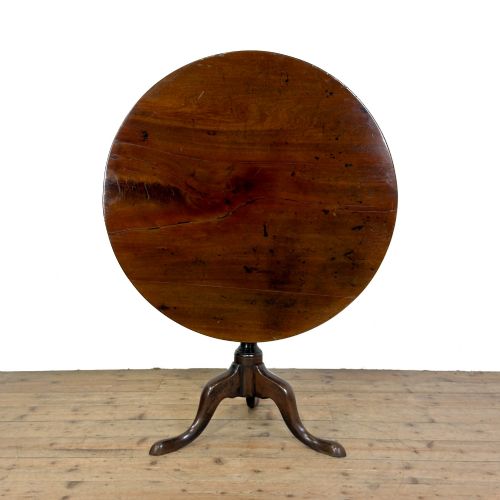


Vintage Wine Tilting Stand
A vintage wine tilting stand is a practical bottle holder or tip-top table designed to serve drinks efficiently in any room.
Vintage Wine Tilting Stand
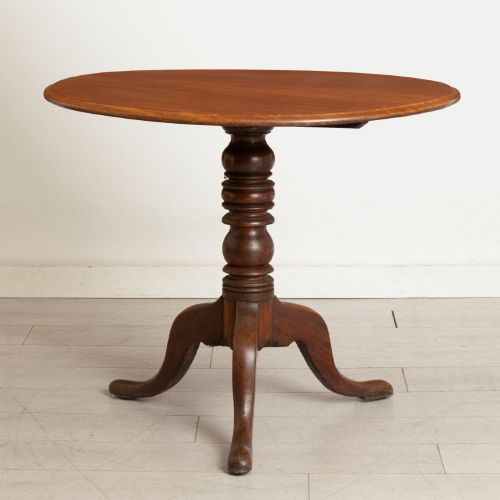
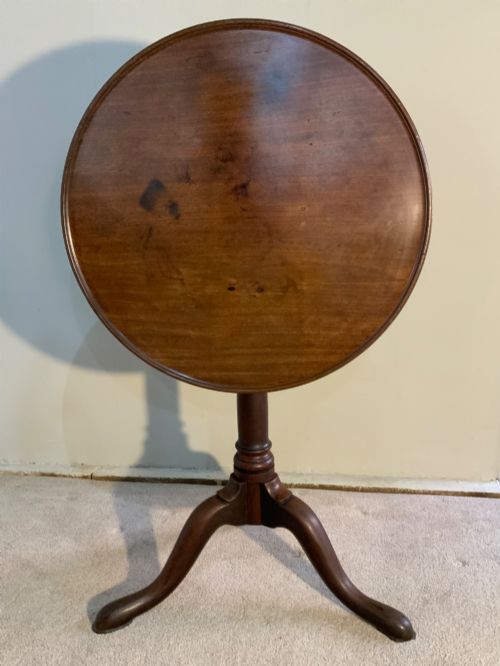
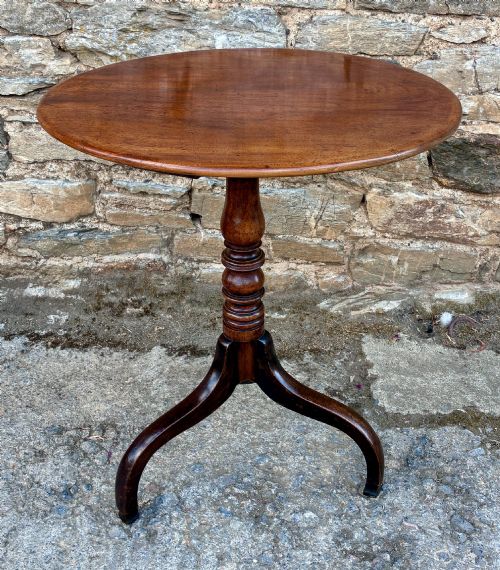
A vintage wine tilting stand primarily encompasses small tripod tables, wine tables, and occasional tables designed with a pivoting top mechanism. Buyers searching this phrase will find practical bottle holders, champagne pourer cradles, and occasional supper tables used throughout historic homes.
The pieces listed on this page originate predominantly from the Georgian, Regency, and nineteenth-century periods, spanning styles such as George III, Chippendale, and rustic farmhouse. Formats range from traditional round tray tops and rectangular surfaces to specialised birdcage snaptop configurations.
Most examples function as versatile wine accessories or side tables, offering compact surfaces suitable for pouring and holding bottles. These versatile tables appear in various configurations, including miniature wine tables and North Indian padauk variations.
How they were made
These stands and tables are constructed primarily from timber such as mahogany, oak, and padauk wood, chosen for durability and rich grain patterns. Many pieces incorporate sturdy brass hardware to support the tilting and pivoting mechanisms required for the top.
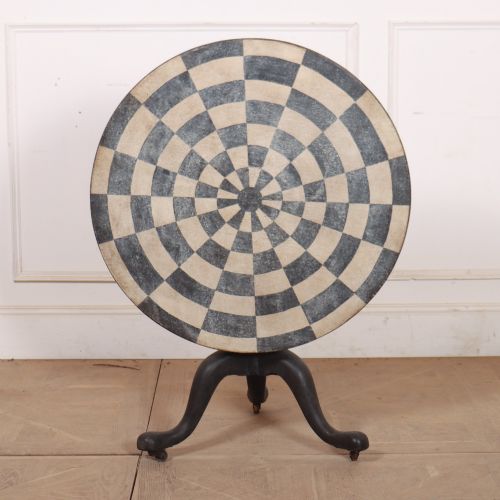
Woodworking techniques on these items include traditional tripod bases and birdcage constructions that allow the surface to rotate and tilt. Surface treatments range from natural polished wood finishes to painted decorations found on specific rustic or regional examples.
What varies in quality
Quality in a vintage wine tilting stand rests on the selection of timber and the precision of the tilting mechanism. Finer examples display well-figured mahogany or padauk wood paired with smooth, stable birdcage pivots that operate without wobble.
The sophistication of the carved tripod base and edge detailing, such as tray tops or pie crust borders, distinguishes standard utility pieces from finer formal furniture. Construction integrity in the central column and leg joints determines the overall longevity and balance of the stand.
The Vintage Wine Tilting Stand Glossary
- Tilt-top table
- A small table featuring a hinged top that pivots into a vertical position when not in use. This clever design allows the furniture to be stored flat against a wall.
- Tripod table
- A freestanding table supported by a central pillar resting on three legs. This configuration prevents rocking on uneven historic floors.
- Birdcage
- A timber framework fitted beneath a table top that allows the surface to both rotate and tilt. It connects the top securely to the central pillar.
- Tray top
- A tabletop finished with a raised rim or moulding around the edge. This feature prevents bottles and glassware from sliding off during service.
- Snaptop
- An alternative historic term for a tilt-top mechanism that locks securely into a horizontal position. It relies on a simple catch or wooden wedge.
Vintage Wine Tilting Stand: Frequently Asked Questions
What is a vintage wine tilting stand used for?
These stands serve as portable surfaces for holding bottles, glasses, and decanters during social gatherings. The tilting mechanism originally allowed the top to be stored upright against a wall when not in active use.
Today, they function effectively as occasional side tables or dedicated wine accessories in dining rooms and living spaces. Their compact tripod footprint makes them easy to position beside armchairs or seating areas.
How do you operate the tilt mechanism?
The top pivots on a hinge or a birdcage mechanism located immediately beneath the surface. Releasing a small wooden catch or simply lifting the latch allows the tabletop to swing from horizontal to vertical.
When returning the top to the flat position, ensure the catch engages fully to lock the surface securely in place. This prevents any accidental movement while placing bottles or glassware on the table.
What woods are commonly found on these pieces?
Mahogany is the predominant timber used across Georgian, Regency, and nineteenth-century examples. Oak and regional variants like North Indian padauk also appear among the listed items.
Selected pieces incorporate painted wooden finishes or contrasting brass fittings to enhance the visual appeal of the stand. The choice of wood generally reflects the period and region of manufacture.
Where should I place a wine table at home?
These compact tables fit well beside sofas, armchairs, or in corners where floor space is limited. Their portable nature allows them to move easily between rooms as needed for serving drinks.
Avoid placing antique wooden furniture directly next to active heat sources or in strong direct sunlight. Maintaining stable room conditions helps preserve the finish and structural integrity of the timber.