




Vintage Wine Holder
A vintage wine holder brings functional elegance to the table, taking forms from mahogany coasters to brass planters that secure bottles with period charm.
Vintage Wine Holder
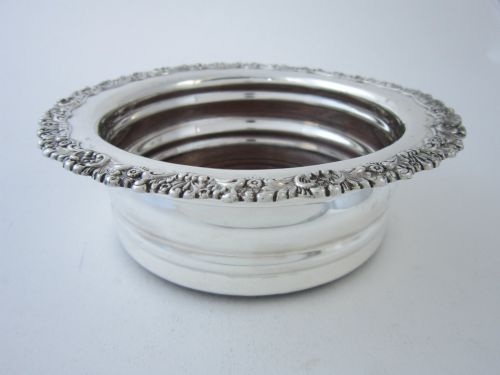
A vintage wine holder encompasses a varied group of dining table and bar accessories designed to cradle, cool, or present bottles during meals. Buyers searching this phrase most frequently encounter silver-plated coasters, mahogany wine cradles, and brass or copper buckets originating from the Georgian, Victorian, Edwardian, and early twentieth-century periods.
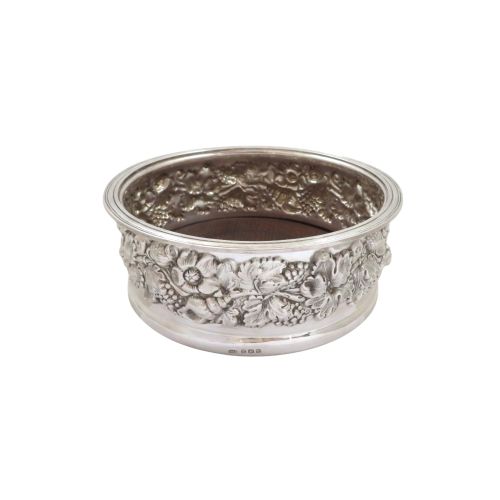
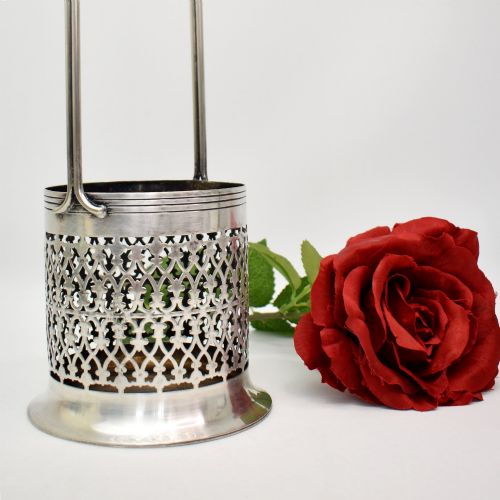
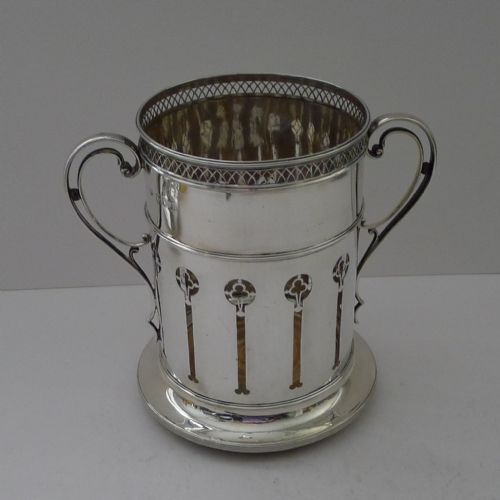
The selection ranges from single bottle silver coasters with pierced galleries to large coopered oak buckets, metal wine coolers, and Art Nouveau wrought iron dispensers. Many examples integrate mixed materials such as turned wood paired with silver plate or brass mounts, reflecting the dining customs of past centuries.
How they were made
Metal vessels rely on traditional silversmithing and brass founding techniques, utilising silver plating over base metal, solid sterling silver, cast brass, and beaten copper. Many copper and brass examples display repoussé or embossed decoration, whilst others utilise Dinanderie work.
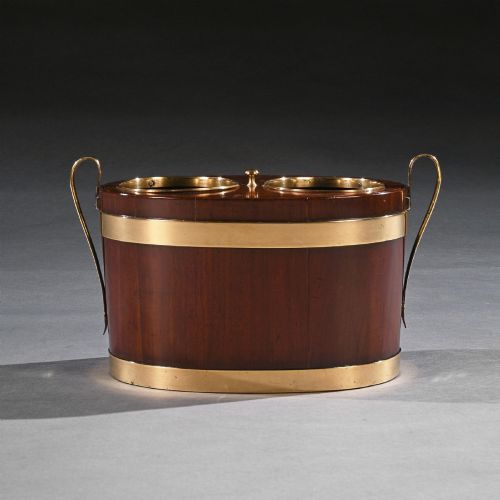
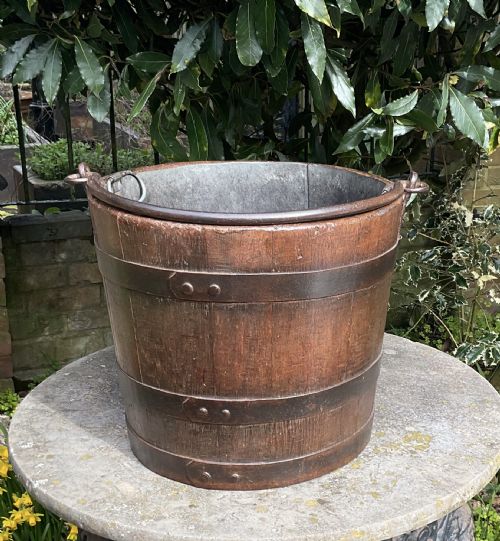
Wooden holders employ traditional coopering methods with staves of oak, mahogany, or box tree, frequently bound with brass bands and fitted with interior liners. Silver-plated and sterling pieces often incorporate wooden bases to protect the tabletop and provide structural stability.
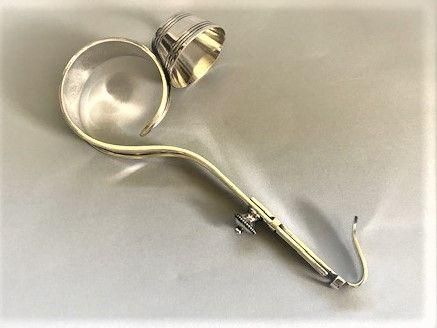
Object forms range widely, including tabletop bottle coasters, multi-bottle drinks carts, champagne pourer cradles, and large coopered oak buckets.
What varies in quality
Quality rests upon the crispness of the chasing, the gauge of the silver plate or sterling silver, and the integrity of the joinery in wooden pieces. Substantial weight in metalwork and clean, tight coopering in oak or mahogany buckets signal superior craftsmanship.
The degree of decorative detail, such as grape and vine motifs or hand-engraved pierced galleries, separates standard utility items from finer dining table centrepieces. Maker attribution, through stamped hallmarks or maker marks, also elevates the standing of individual pieces.
Brook & Son Edinburgh·Christofle·Rupert Favell & Co·Matthew Boulton
The Vintage Wine Holder Glossary
- Coaster
- A small tray or shallow holder designed to protect the dining table from bottle moisture while passing wine. These often feature turned wooden bases and pierced metal galleries.
- Coopered
- Constructed from wooden staves fitted together and bound with metal hoops, much like a traditional barrel. This technique appears frequently in oak and mahogany wine buckets.
- Jardiniere
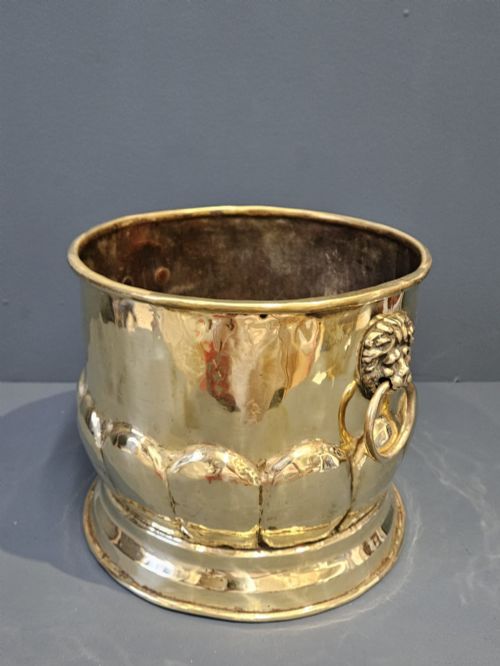
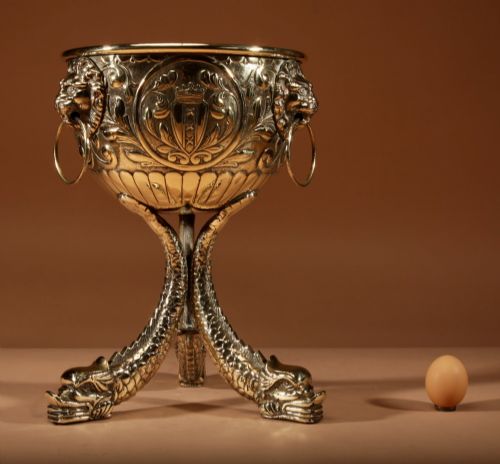
- An ornamental pot or stand, typically in brass, copper, or ceramic, used for holding plants or flowers. Several examples double as large wine or champagne coolers in these listings.
- Repoussé
- A metalworking technique where the design is hammered into relief from the reverse side. This method creates the raised animal heads and floral patterns seen on brass planters.
Vintage Wine Holder: Frequently Asked Questions
How were vintage wine holders used?
These pieces served to hold bottles on the dining table, allowing guests to pass wine smoothly without damaging polished surfaces.
Larger buckets and coolers held ice and water to chill champagne or wine during formal meals.
What materials are most common?
Silver plate and sterling silver dominate the smaller bottle coasters and bottle holders from the Victorian and Edwardian eras.
Brass, copper, oak, and mahogany appear frequently in larger wine coolers, buckets, and planter forms.
How do I date a wine holder?
Silver pieces often carry hallmarks, date letters, and maker marks that pinpoint the exact year of production.
Stylistic cues, such as Art Nouveau floral lines or Georgian mahogany turnery, help determine the period of unmarked items.
Can I use them for modern bottles?
Most standard bottle coasters accommodate traditional wine and champagne bottle diameters comfortably.
Larger coopered buckets and wine cradles easily fit modern magnum bottles and standard wine formats.