


Vintage Wine Bottle Coasters
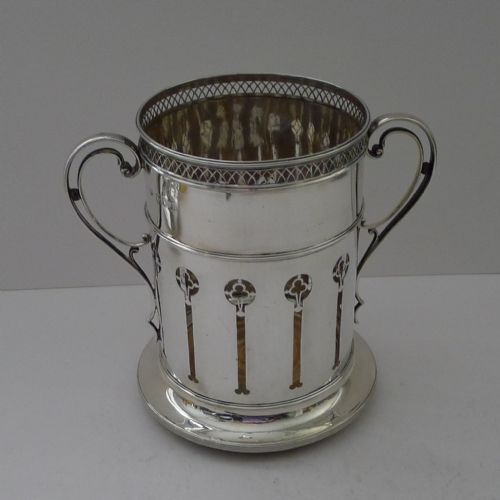
These vintage wine bottle coasters protect the table while keeping the bottle close during dinner.
Vintage Wine Bottle Coasters
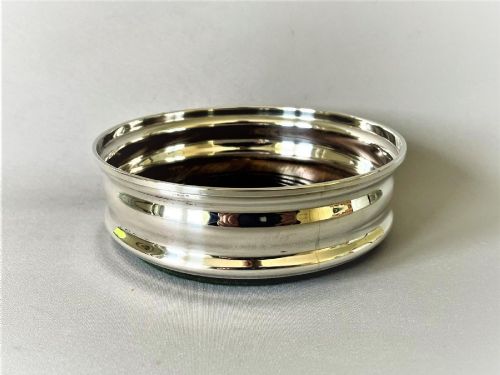
Vintage wine bottle coasters are practical dining accessories designed to hold bottles and decanters safely upon the surface of a table. When searching this phrase, a buyer encounters pieces intended to catch drips and condensation during a meal, often taking the form of low circular stands.
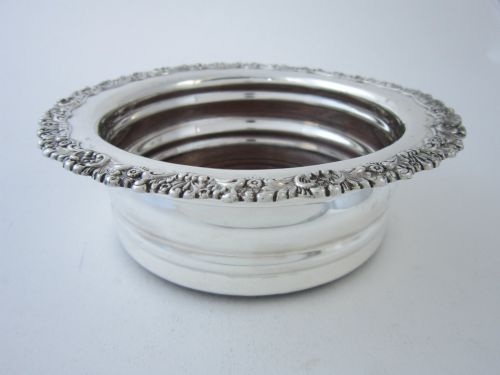
The selections on this page span several centuries, including Victorian, Edwardian, and Georgian examples alongside mid-century and later pieces. The most frequently met versions combine silver plate with turned wood bases or appear in solid sterling silver.
Beyond standard single-bottle holders, the forms extend to multi-bottle frames, decanter stands, and larger coasters suited for magnums and champagne bottles. These items function as traditional table centrepieces as well as functional barware.
How they were made
Makers utilised precious metals and durable base metals, employing sterling silver, silver plate, and Old Sheffield plate alongside copper and brass accents. Many examples incorporate wooden bases, particularly mahogany and rosewood, sometimes complemented by treen or papier-mâché.
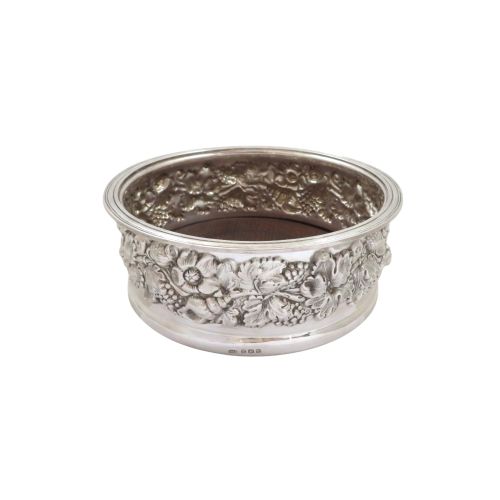
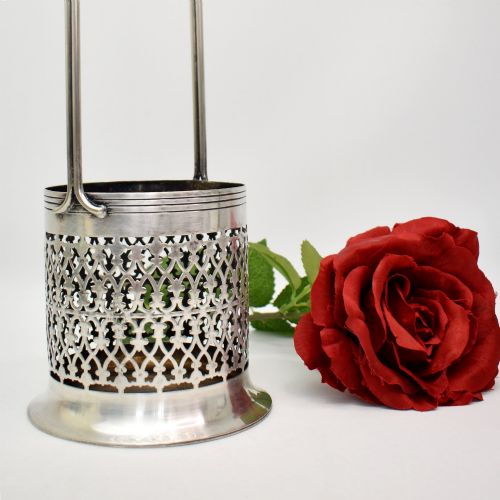
Craftsmen shaped these materials through casting, spinning, and piercing, frequently adding applied decorative borders featuring grapevine motifs or gadrooned edges. Bases often include baize lining underneath to safeguard polished dining tables from friction.
Materials range from sterling silver and silver plate to mahogany, rosewood, copper, and brass.
What varies in quality
Quality rests in the weight of the metal and the crispness of the chased or pierced ornamentation around the rim. Heavier gauge silver and substantial silver plating distinguish the better examples from lighter mass-produced items.
The construction of the base matters significantly, particularly how securely the wood or metal liner fits within the outer gallery. Original fitted baize and well-preserved hallmarks provide clear indicators of superior manufacture.
Hermes Paris·Brook and Son Edinburgh·Christofle·Asprey·Rupert Favell and Co·Matthew Boulton·Mein of Kelso
The Vintage Wine Bottle Coasters Glossary
- Old Sheffield Plate
- A fused laminate of silver and copper produced before electroplating was invented. This technique creates a distinctive appearance where the underlying copper shows subtly through wear.
- Treen
- Small handmade wooden household objects and tableware. These items display the grain and the turning marks left by the lathe.
- Vermeil
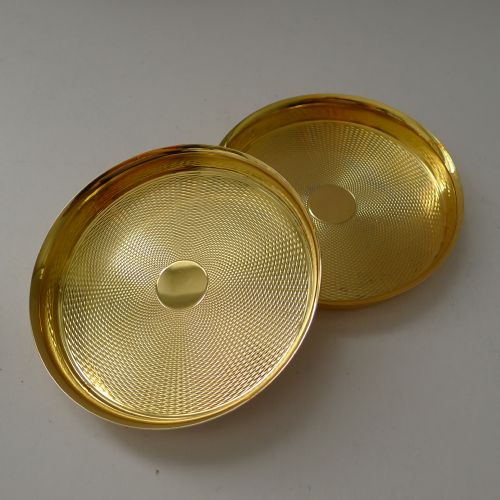
- Sterling silver coated with a layer of fine gold. This finish provides a warm, rich tone to the interior or exterior of the object.
- Baize
- A coarse woolen fabric resembling felt. It is glued to the underside of coasters to prevent scratching on wooden dining furniture.
- Gallery
- The upright circular wall or rim of a coaster. This structural element restrains the bottle and often carries pierced or embossed decoration.
Vintage Wine Bottle Coasters: Frequently Asked Questions
How were wine coasters used?
These pieces sat on the dining table to hold bottles and decanters during meals. Guests passed them along the polished surface between pours.
This method kept moisture and red wine rings away from expensive wooden tables.
Do these coasters fit champagne bottles?
Standard sizes hold ordinary wine bottles, but larger formats exist for wider vessels. Magnum and champagne bottle coasters accommodate bulkier glassware.
Checking the internal diameter helps confirm if a specific wider bottle will fit.
How do I care for silver coasters?
Regular dusting and occasional gentle cleaning maintain the metal surface. Avoiding harsh abrasives preserves the original plating and hallmarks.
Keeping the baize dry prevents moisture damage to the underside.
How can I tell the period?
Hallmarks stamped on silver pieces provide exact dates and maker marks. Stylistic clues like Georgian mahogany or Art Nouveau curves also point to specific eras.
Comparing construction methods helps separate nineteenth-century work from later reproductions.