



Vintage Window Frame
These vintage window frame pieces bring architectural character into a room, offering authentic glass, lead, and timber salvage for interior display.
Vintage Window Frame
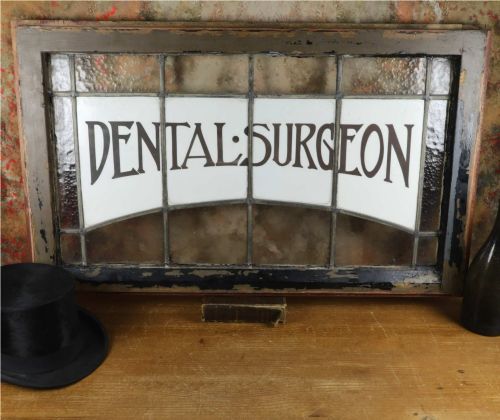
When you search for a vintage window frame, you are looking at architectural salvage and glazed panels gathered from domestic, ecclesiastical, and commercial buildings. The selection spans periods from the Victorian era and Edwardian years through to the 1920s and 1930s, alongside nineteenth-century examples and earlier arched door frames.
The pieces you meet most often on this page combine timber frames with leaded or stained glass, sometimes featuring hand-painted countryside scenes, floral motifs, or figural designs such as birds and children. Alongside structural glazing, the inventory includes related architectural elements like church windows and wall mirrors created from antique frames.
How they were made
Carpenters constructed the primary structures using dense timbers such as mahogany, walnut, and general framing wood, often shaping them into arched tops, ebonised finishes, or inlaid mahogany configurations. Glaziers then assembled the openings using lead cames to hold individual panes of glass in place.
Artisans applied surface decoration directly to the glass through hand-painting techniques, producing detailed pastoral scenes, amber bullseyes, and religious subjects that were subsequently fired for permanence. Frames were finished with traditional joinery methods, while associated seating pieces utilised leather upholstery, wool coverings, and gilt decoration.
Vintage Window Frame Retail Price Guide 2026
Typical asking prices for vintage window frame among the pieces listed under this phrase on Sellingantiques today, from the lower quarter to the upper quarter. They describe what is for sale here now, not the wider market.
Several windows preserve surprisingly cheerful residents, from a Dutch boy and girl to a stray bird perched on a branch.
What varies in quality
The distinction between ordinary architectural salvage and superior examples lies primarily in the artistry of the glass painting and the complexity of the leading work. Panels featuring detailed hand-painted pictorial scenes, such as castle landscapes or specific figures, demonstrate a higher level of craftsmanship than plain glazed units.
Timber selection and structural preservation also determine the calibre of a piece, with sound hardwoods like mahogany and walnut retaining more integrity than softwoods. The coherence of the overall design, whether Gothic Revival proportions or Edwardian elegance, dictates how successfully the salvage translates into decorative interior use.
Harry Kluge·Albert Guillaume
The Vintage Window Frame Glossary
- Architectural salvage
- Building elements removed from older structures for reuse or decorative display. These items rescue original craftsmanship from demolition sites.
- Leaded glass
- Individual pieces of glass held together by lead cames in a structural network. This technique allows for complex geometric or pictorial window designs.
- Bullseye
- A small, circular centrepiece of blown glass featuring a distinct central pontil mark. They add texture and amber tones to traditional window panels.
- Ebonised
- Wood finished with a dark stain or polish to imitate ebony. This treatment was popular in Edwardian and Regency furniture and framing.
- Came
- A slender strip of cast lead with an H-shaped or U-shaped profile used to hold glass panes. Cames form the flexible skeleton of stained glass windows.
Vintage Window Frame: Frequently Asked Questions
How do I hang a heavy window frame?
Hanging a heavy salvaged frame requires secure fixings anchored directly into wall studs or masonry, as timber and lead assemblies carry considerable weight. Using sturdy brackets or steel wire rated for heavy loads ensures the piece remains stable.
Positioning the frame where ambient light can filter through the glass enhances the painted details and leadwork, echoing its original architectural function.
How do I date an antique window?
Dating an antique window involves examining the timber types, such as mahogany or general framing timber, alongside the style of the joinery and the characteristics of the glass. Pieces from the Victorian and Edwardian periods often feature specific decorative motifs like Gothic Revival arches or Arts and Crafts leading.
Hand-painted scenes on the glass, such as those found in early twentieth-century examples, also provide stylistic clues that help narrow down the decade of manufacture.
Can these frames be used as mirrors?
Many salvaged frames are adapted into wall mirrors by replacing the original glazing with mirrored glass, a practice seen in nineteenth-century and French window mirror designs. This retains the architectural proportions and painted woodwork of the original opening while serving a new functional purpose.
These mirror adaptations bring depth and reflected light into smaller rooms while preserving the character of the antique timber frame.