

Vintage Wildlife Art
Vintage wildlife art brings creatures from field and forest onto paper and canvas, offering collectors a direct link to the natural world of past centuries.
Vintage Wildlife Art
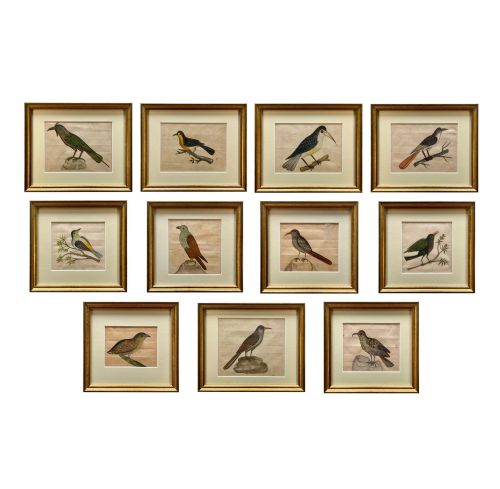
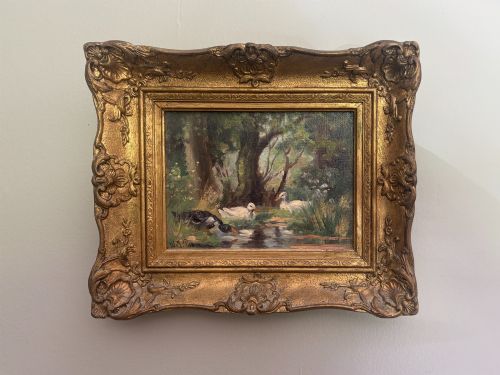
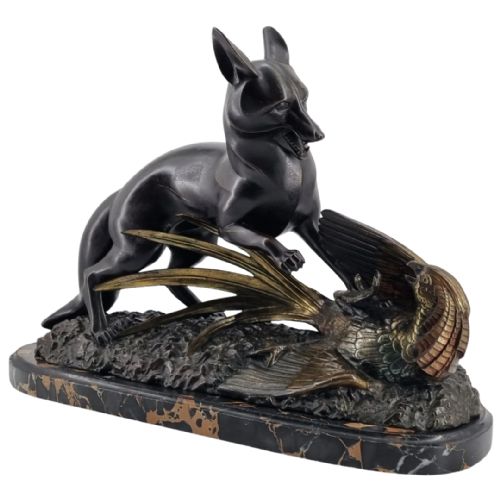
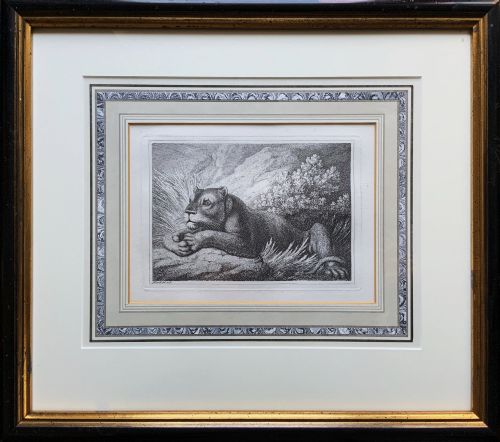
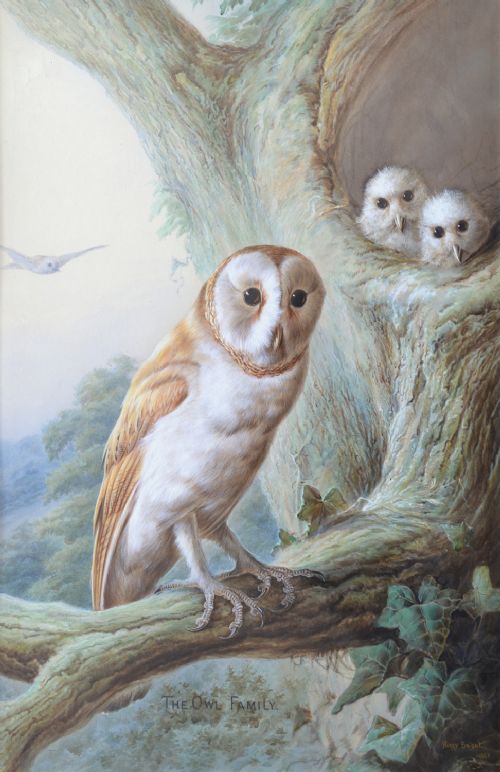
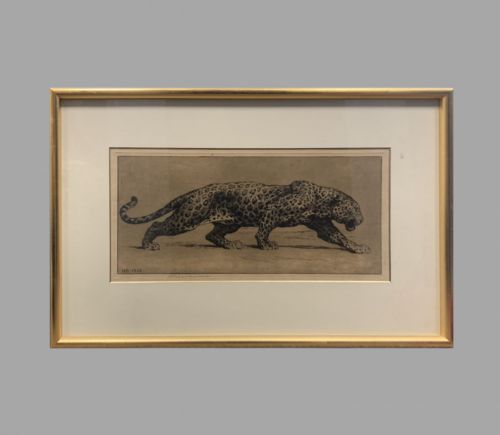
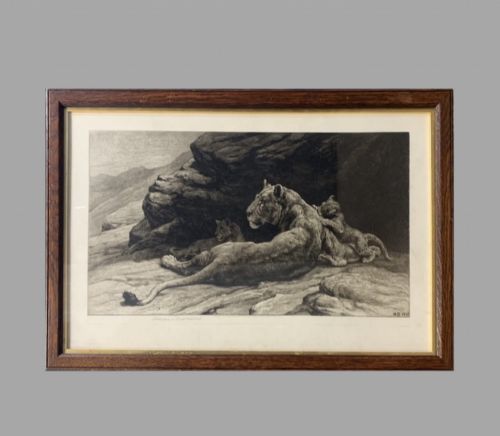
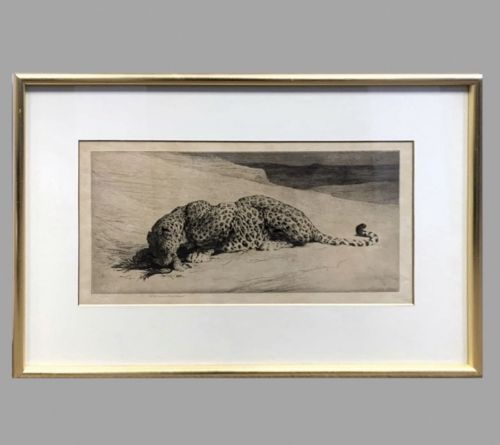
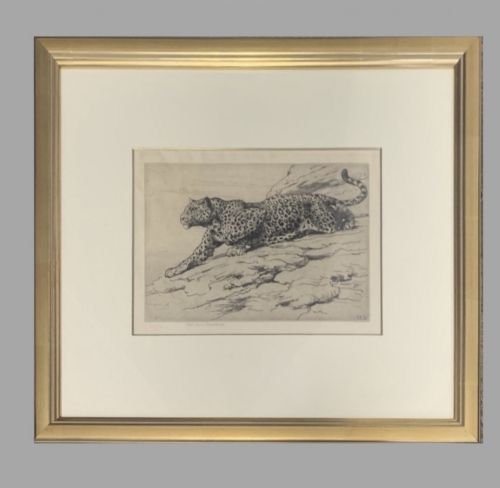
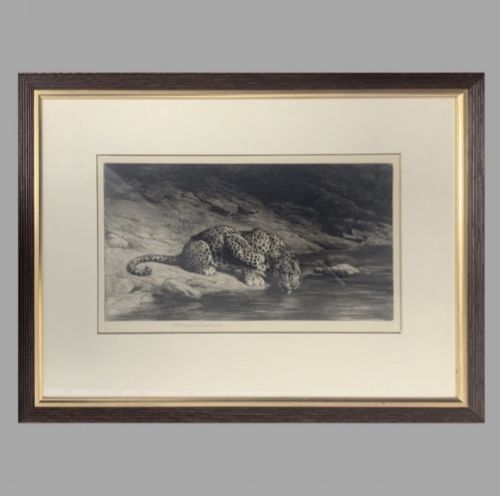
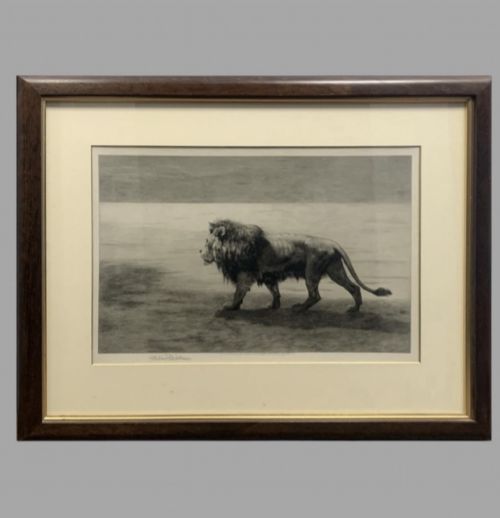
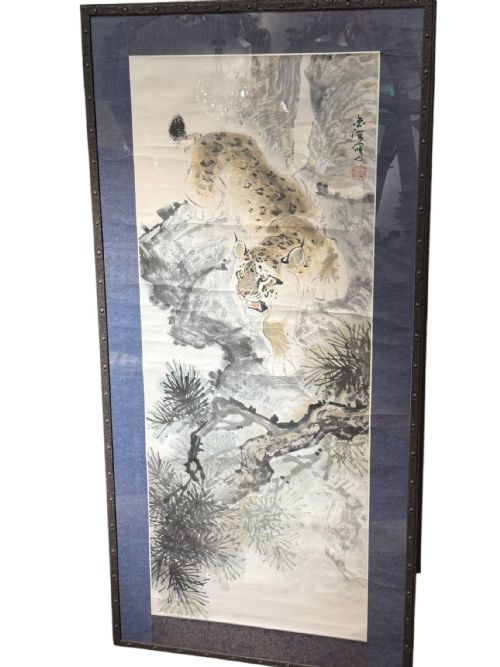
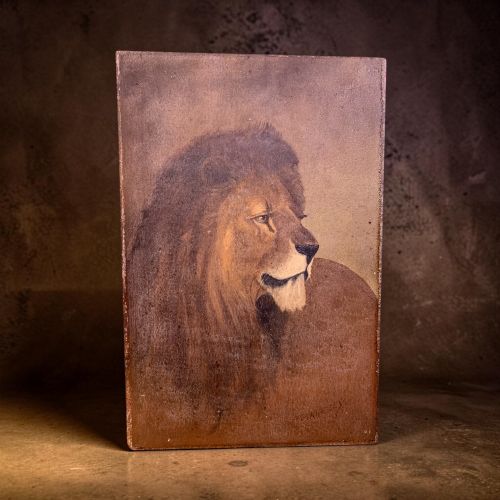
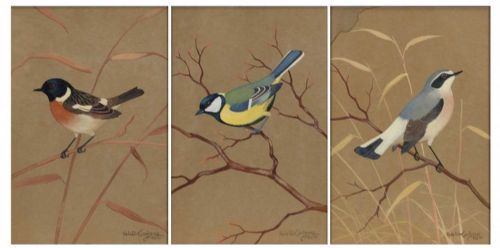
Vintage wildlife art encompasses framed watercolours, oil paintings, etchings, and bronze sculptures depicting animals, birds, and predators in natural settings. These works range from detailed ornithological watercolours to dramatic depictions of big cats and stags.
Buyers will encounter items stretching from the eighteenth century through the Edwardian era and into the mid-twentieth century. Mediums shift from traditional paper and canvas to carved wood and cast bronze.
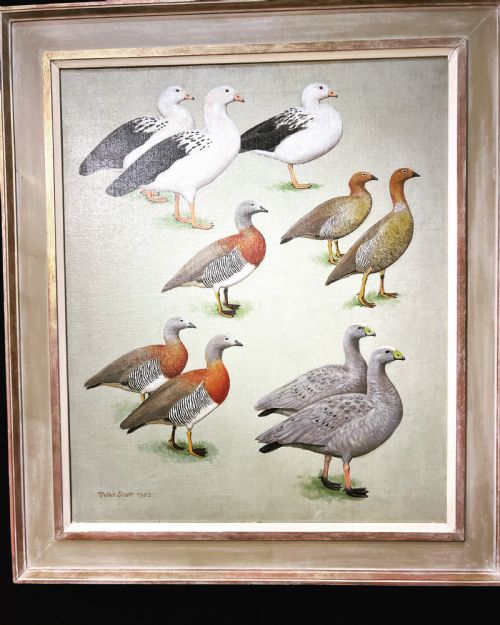
Subjects vary from British garden birds and waterfowl to exotic leopards, lions, and antelopes. The selection includes naive folk art alongside accomplished works by recognised natural history illustrators.
Materials and Technique
Artists working on paper utilised watercolour and detailed etching techniques, often pulling signed artist proofs on vellum or heavy paper stock. Oil painters worked directly onto canvas and wooden panels to capture the texture of feathers, fur, and marshland landscapes.
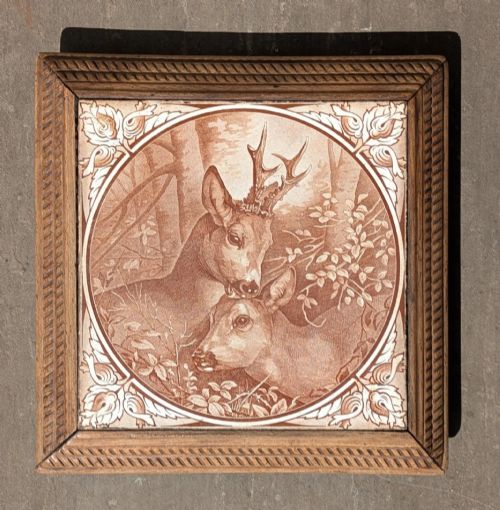
Sculptors shaped bronze and carved solid wood, utilising gilt highlights and dark patination to define form. Carved pieces often incorporate naturalistic elements such as wooden stands and Black Forest frames.
Vintage Wildlife Art Retail Price Guide 2026
Typical asking prices for vintage wildlife art among the pieces listed under this phrase on Sellingantiques today, from the lower quarter to the upper quarter. They describe what is for sale here now, not the wider market.
The listings on this site span from the eighteenth century to the mid-twentieth century, featuring materials from bronze and vellum to oil paint and carved wood.
Judging Quality
Quality rests in the anatomical accuracy of the subject and the confidence of the artist's line, whether in the stroke of a paintbrush or the crispness of an etching plate. Master draughtsmanship separates accomplished studies from decorative sketches.
The choice of medium and substrate dictates the survival of the piece, with well-preserved watercolours retaining their original pigment and bronzes showing crisp casting detail without surface wear.
Willem J Palman·Lavroff·Samuel Howitt·Harry Bright·Herbert Dicksee·Ralston Gudgeon·Charles F. Tunnicliffe·Robin Hill·Paul-Louis Barruel·Donald Watson
The Vintage Wildlife Art Glossary
- Etching
- A printmaking process where lines are bitten into a metal plate with acid before ink is applied. This technique allows for fine, hair-like detail in animal fur and plumage.
- Artist Proof
- An impression of a print taken before the main edition is printed, typically retained by the artist and signed for authenticity.
- Vellum
- A fine parchment made from calfskin, used as a premium surface for detailed etchings and watercolours.
- Black Forest wood carving
- Nineteenth-century Swiss and German woodworking characterised by realistic depictions of animals and foliage, often integrated into mirrors and furniture.
Vintage Wildlife Art: Frequently Asked Questions
How do I date an etching?
Examine the paper stock, watermark, and signature style, as many turn-of-the-century printmakers recorded their edition details directly beneath the image in pencil.
Compare the framing materials and labels on the reverse with known period framing methods to narrow down the decade of production.
Are bronze sculptures solid?
Many figurative animal bronzes use the lost-wax casting method, which can result in hollow forms with substantial weight depending on the thickness of the metal pour.
Inspect the underside or mounting points where applicable to observe the casting cavity and patination depth.
How should I hang watercolour paintings?
Watercolours are sensitive to direct sunlight and high humidity, which can cause fading on older paper stocks and foxing spots over time.
Position these works away from direct light sources and ensure they are framed with acid-free mounts and conservation glass.
What is Black Forest wood carving?
This regional style originated in central Europe during the nineteenth century, focusing on naturalistic animals carved from solid timber with deep relief.
Pieces range from freestanding antelope and panthers to functional items like mirrors decorated with birds of prey.