



Vintage Wicker Chairs
These vintage wicker chairs bring natural texture and relaxed character to a room, offering both traditional craftsmanship and enduring comfort.
Vintage Wicker Chairs
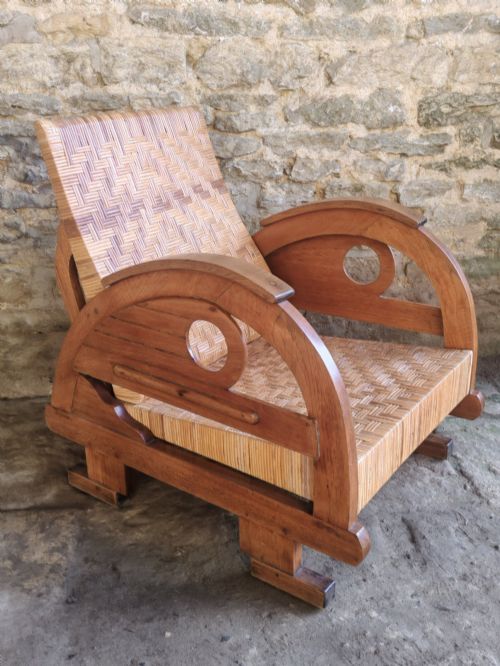
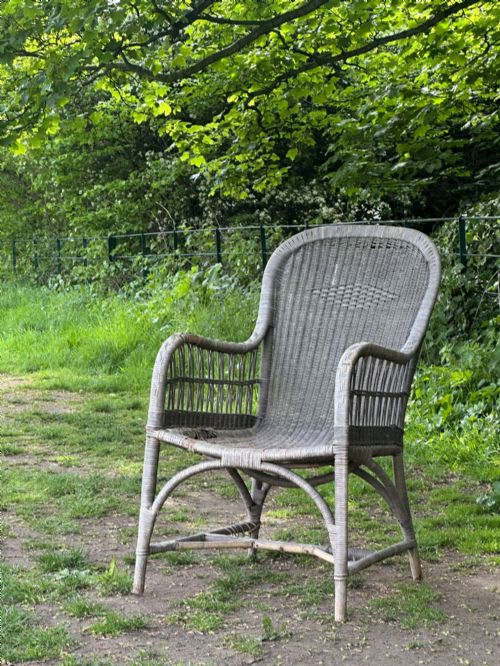
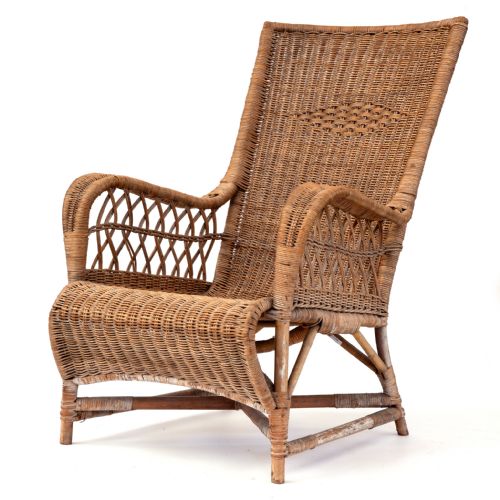
Vintage wicker chairs encompass a diverse selection of seating forms, including armchairs, rocking chairs, garden armchairs, and chaise longues designed across multiple decades. When exploring vintage wicker chairs, buyers encounter pieces ranging from Edwardian and Arts and Crafts examples to Art Deco and mid-century rustic designs.
The materials utilised in these pieces vary widely, drawing on cane, rattan, bamboo, willow, and timber alongside steel wire and kraft paper. Origins span English country and Anglo-Indian aesthetics to French and Chinese influences, creating a broad spectrum of seating styles.
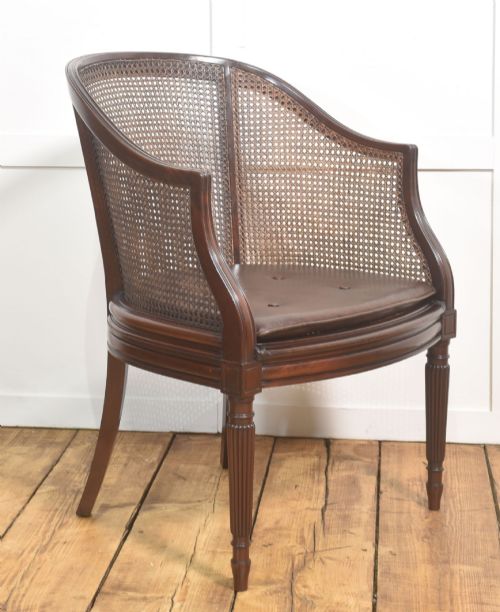
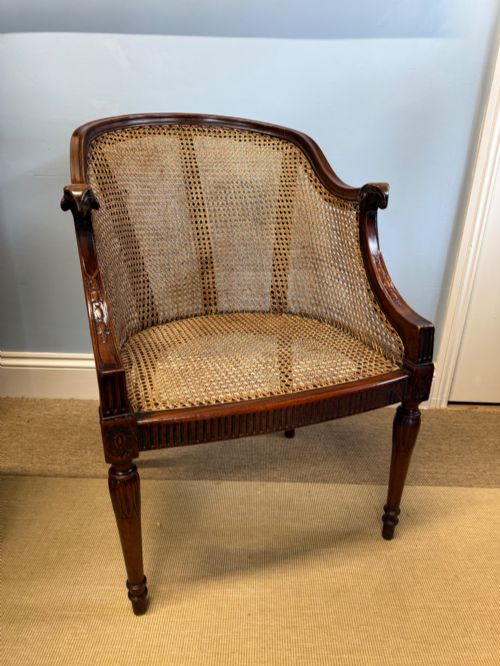
Armchairs and reclining garden armchairs dominate the selections, often reflecting specific manufacturing periods such as the nineteen-twenties and nineteen-thirties. Buyers also find notable forms like tub armchairs, porters chairs, and caned bergère chairs within the overall range.
Materials and construction methods
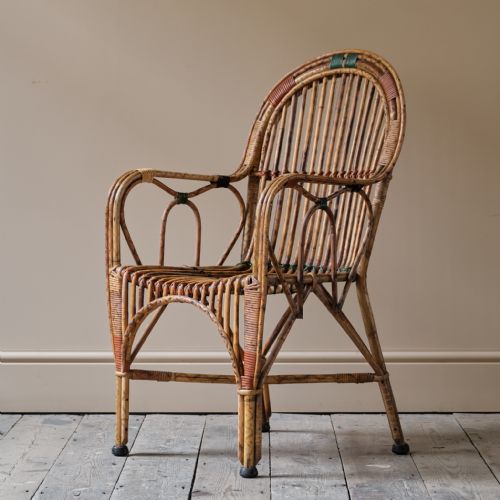
Makers constructed these chairs utilising flexible natural materials such as cane, rattan, bamboo, and willow, frequently woven around sturdy timber or steel wire frames. Handwoven techniques allowed artisans to shape intricate patterns, particularly in canework and traditional wicker surfaces.
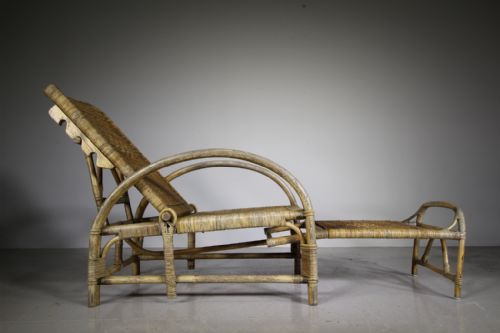
Certain designs incorporated bentwood elements, seen in specific rocking chairs and lounge seating, requiring heat-bending techniques to achieve curved wooden frames. Selected pieces combined these woven structures with mahogany frameworks and bespoke upholstery fabrics like linen.
Vintage Wicker Chairs Retail Price Guide 2026
Typical asking prices for vintage wicker chairs among the pieces listed under this phrase on Sellingantiques today, from the lower quarter to the upper quarter. They describe what is for sale here now, not the wider market.
Listings feature pieces spanning the nineteenth century through to the nineteen-forties, constructed from cane, rattan, bamboo, willow, and mahogany.
Assessing quality in construction
The distinction between standard examples and superior pieces rests on the tightness and uniformity of the handweaving across the frame. Master workshops achieved greater structural integrity through precise integration of cane, rattan, or willow with the underlying timber or steel support.
Signatures of prominent makers and specific period provenance elevate certain pieces above anonymous production. The condition of the natural fibres and the integrity of any secondary materials like mahogany or bentwood further define the standing of individual chairs.
Angraves of Leicester·Dryad of Leicester·Thonet
The Vintage Wicker Chairs Glossary
- Cane
- Hard, glossy outer skin of the rattan palm split into ribbons and used for woven seats and panels. It provides a smooth and durable surface.
- Rattan
- Naturally strong climbing palm used whole for structural frames or peeled for weaving. It offers flexibility combined with considerable load-bearing strength.
- Bentwood
- Wood steamed and bent into curved shapes to form structural components of chairs. This technique allows for flowing, continuous lines without traditional joints.
- Porters chair
- A high-backed hooded chair originally designed to keep out draughts in cold hallways. Later iterations incorporated wicker and woven cane.
Vintage Wicker Chairs: Frequently Asked Questions
How do I clean vintage wicker chairs?
Dust the woven surfaces regularly using a soft brush attachment or a dry cloth to prevent dirt accumulation in the crevices. Avoid soaking the natural fibres with excess water.
For deeper cleaning, wipe gently with a slightly damp cloth containing mild soap, then dry thoroughly immediately afterwards.
Can I use these chairs outdoors?
Most vintage wicker chairs were constructed for indoor use or sheltered garden spaces rather than exposed outdoor weathering. Materials like cane, willow, and rattan react poorly to prolonged moisture and direct sunlight.
Positioning them on a covered porch or inside a conservatory helps preserve the structural integrity of the natural weaves.
How do I identify a Lloyd Loom chair?
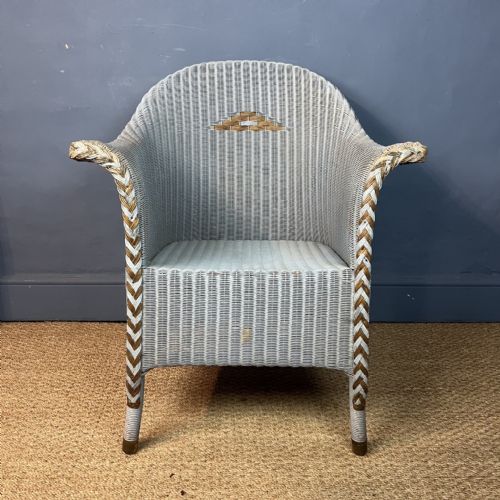
Lloyd Loom furniture utilises a specific twisted paper wire material rather than traditional natural cane or willow. This patented technique creates a smooth, snag-free surface that takes paint finishes exceptionally well.
Examining the weave reveals uniform twisted strands rather than varying widths of plant fibres.
Are these chairs suitable for daily seating?
Many vintage wicker chairs offer robust daily support, particularly designs featuring reinforced frames and supportive canework or upholstery. Proper maintenance ensures the woven seats remain resilient under regular use.
Adding a custom seat cushion can also reduce direct wear on older woven bases while enhancing comfort.