

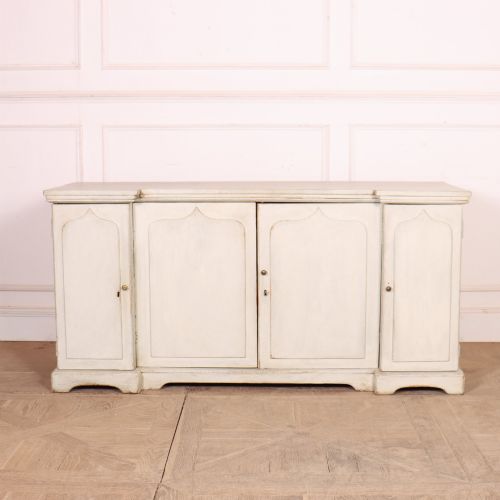
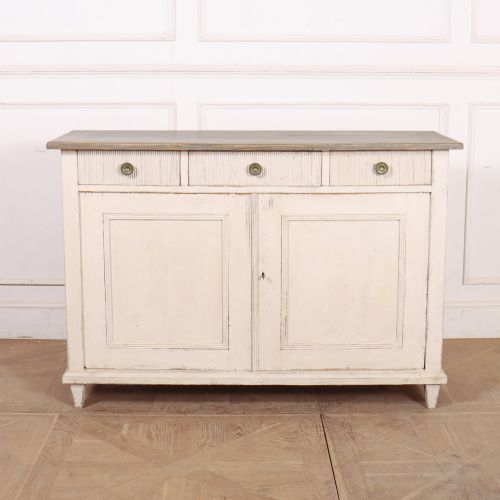
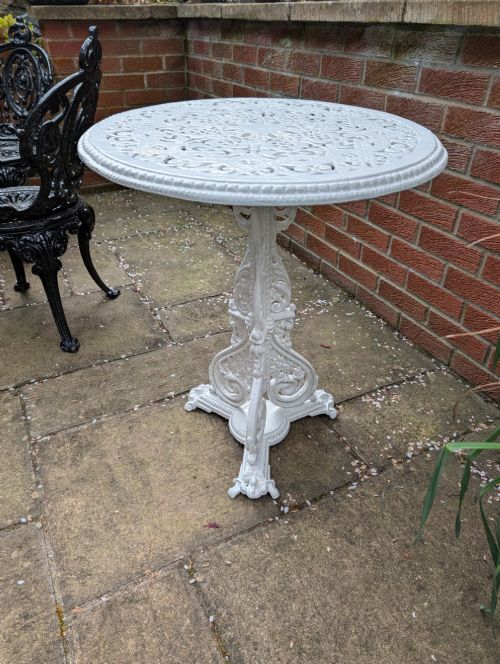
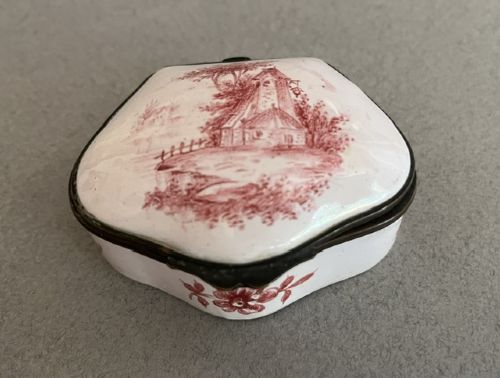




Vintage White Dresser
A vintage white dresser brings light and utility to a room through painted wood surfaces and practical storage.
Vintage White Dresser
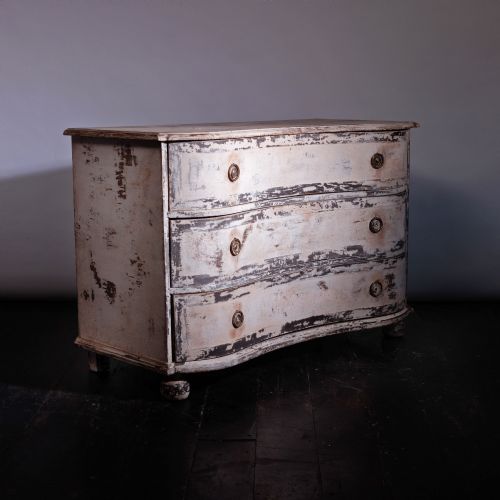
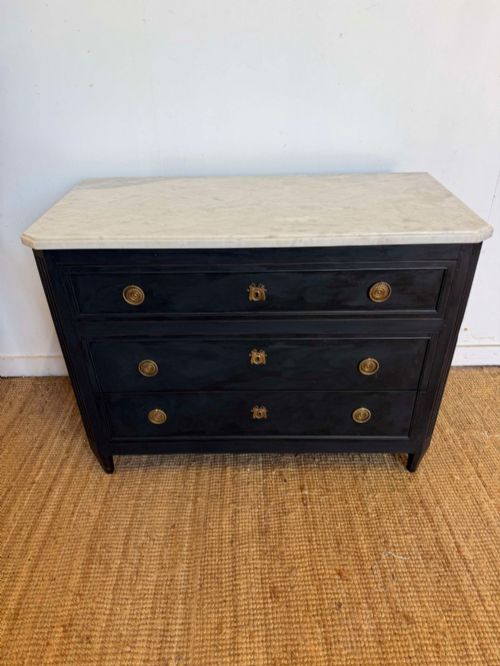
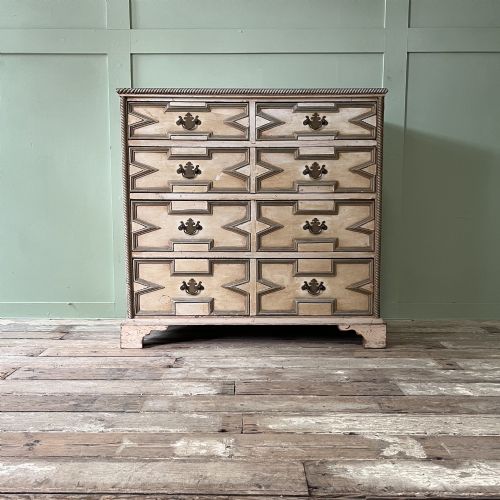
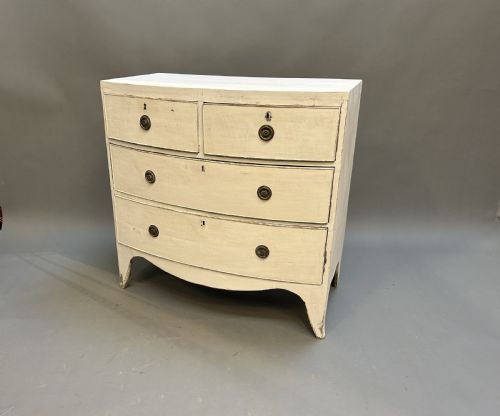
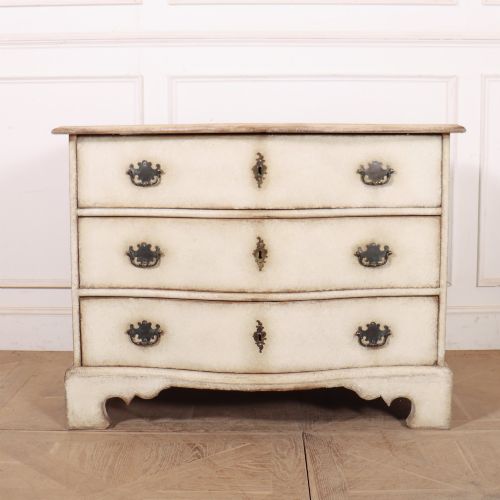
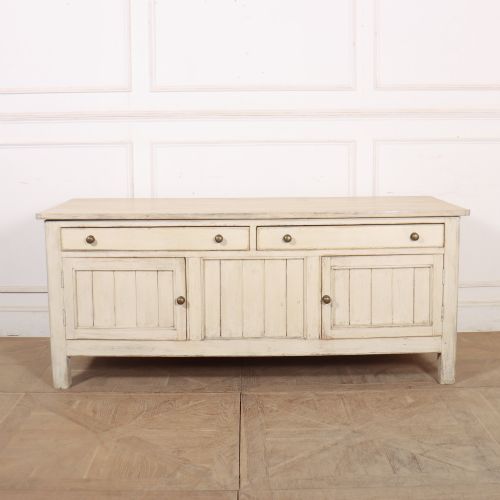
When you search for a vintage white dresser, you encounter a selection of painted storage furniture originating from the eighteenth century through to the nineteen-thirties. The most common forms on this page include English dresser bases, painted commodes from Sweden and France, and sturdy pine chests of drawers.
These items reflect regional cabinet-making traditions, particularly English country workshop designs, French provincial commodes, and Scandinavian painted furniture. Makers utilised local softwoods and hardwoods, applying layered paint finishes that have weathered into distinct patinas over decades of domestic use.
Beyond standard kitchen and dining room dressers, the selection broadens to encompass related storage forms such as washstands, glazed display cabinets, and bedside commodes. Each piece balances decorative painted schemes with utilitarian compartments designed for household organisation.
How they were made
Carpenters constructed these carcasses primarily from pine, oak, and walnut, employing traditional joinery methods such as dovetail drawers and pegged mortise and tenon frames. Structural integrity relied on solid timber construction rather than modern veneers, ensuring lasting stability for daily use.
Surface decoration typically involved multiple layers of lead-based or oil paints applied over primed timber, sometimes accented with hand-painted floral motifs or contrasting mouldings. Hardware such as brass drop handles, porcelain knobs, and cast iron fittings completed the functional assembly.
Vintage White Dresser Retail Price Guide 2026
Typical asking prices for vintage white dresser among the pieces listed under this phrase on Sellingantiques today, from the lower quarter to the upper quarter. They describe what is for sale here now, not the wider market.
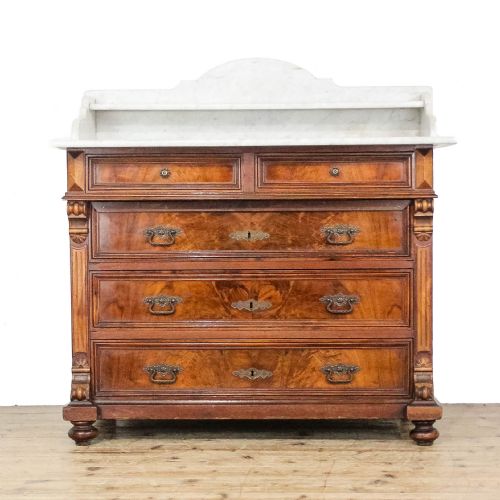
Listings feature pine, oak, and walnut carcasses finished in layered paint, alongside marble tops and brass hardware.
What varies in quality
The distinction between standard utility items and finer pieces lies in the precision of the joinery and the depth of the decorative surface. Superior examples exhibit tightly fitted drawer linings, well-balanced proportions, and original painted finishes that show honest, undisturbed wear rather than modern repainting.
Regional execution also dictates standing, with specialist cabinet-makers achieving more refined serpentine fronts and sophisticated carved detailing compared to plain provincial work. The survival of original glass panels, brass hardware, and interior shelving further elevates the integrity of the piece.
Sir Clough Williams-Ellis·Edwards and Roberts·Minton
The Vintage White Dresser Glossary
- Dresser base
- The lower section of a traditional kitchen or dining room dresser featuring cupboards and drawers without the upper plate rack. This form served as a primary work surface and storage unit in country houses.
- Commode
- A low cabinet or chest of drawers, often featuring decorative serpentine fronts and French or Italian provincial styling. These pieces frequently incorporate marble tops or elaborate painted facades.
- Potboard
- An open lower shelf fitted between the legs of a traditional dresser base, originally intended for storing earthenware pots and heavy kitchen utensils. Its presence indicates an earlier English country origin.
- Breakfront
- A cabinet or dresser design where the central section projects forward from the flanking outer sections. This architectural arrangement creates visual depth and varied storage capacity.
- Serpentine
- A front contour characterised by a convex central section flanked by concave curves. Cabinet-makers utilised this flowing line to add elegance to commodes and drawer fronts.
Vintage White Dresser: Frequently Asked Questions
What is a vintage white dresser?
A vintage white dresser is a painted wooden storage unit, typically encompassing English dresser bases, French commodes, and Scandinavian chests from the eighteenth to early twentieth centuries.
These pieces combine functional drawers and cupboards with weathered painted finishes, serving as practical storage while adding brightness to domestic interiors.
How do I date a painted dresser?
Dating relies on examining construction methods, timber types, and the characteristics of the paint layers. Hand-cut dovetails, secondary softwoods, and aged surface craquelure generally point to eighteenth or nineteenth-century origins.
Stylistic cues such as Edwardian proportions or Art Deco geometric lines help narrow the timeline further. Hardware styles also provide reliable clues to the manufacturing decade.
Where were these dressers used?
Historically, these items functioned in kitchens, pantries, and bedrooms across England, France, Sweden, and Germany. Dresser bases organised dining china and utensils, while commodes served private chambers.
Today, buyers place them in modern kitchens, hallways, and living spaces for versatile storage and display.
How do I care for painted wood?
Preserving painted furniture requires maintaining stable indoor humidity levels and avoiding direct sunlight that can degrade aged paint. Dust surfaces gently with a dry cloth and avoid harsh chemical cleaners.
Treating the underlying timber with appropriate wax where exposed helps protect the wood without altering the historic patina.