
Vintage Whisky Glass
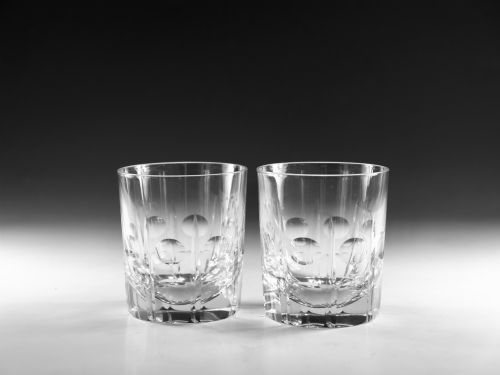
These vintage whisky glass pieces and associated barware range from sturdy Georgian dram glasses to heavy Edwardian decanters, prized for both practical entertaining and historic display.
Vintage Whisky Glass
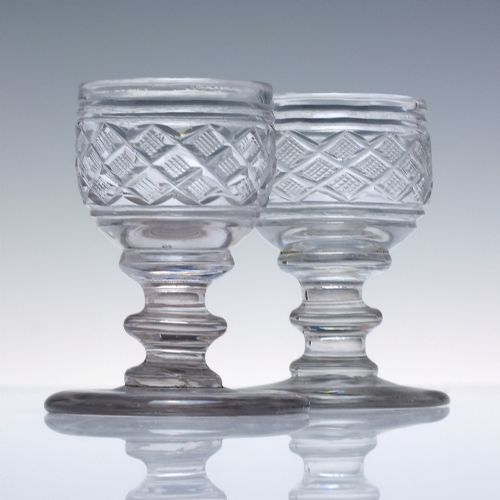
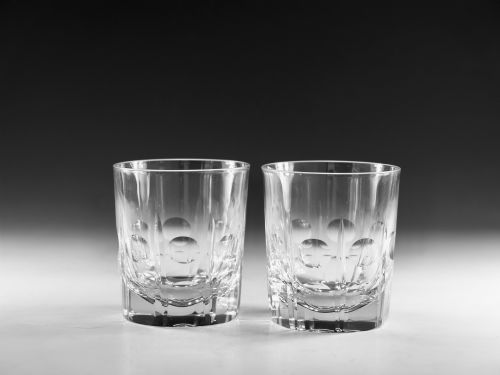
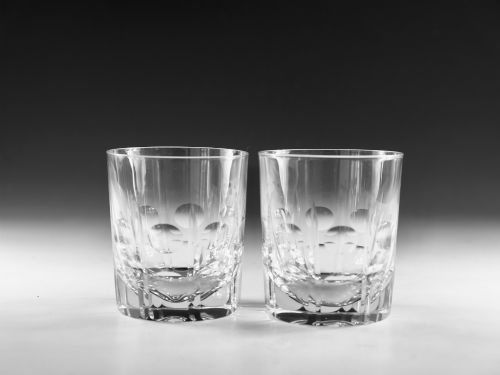
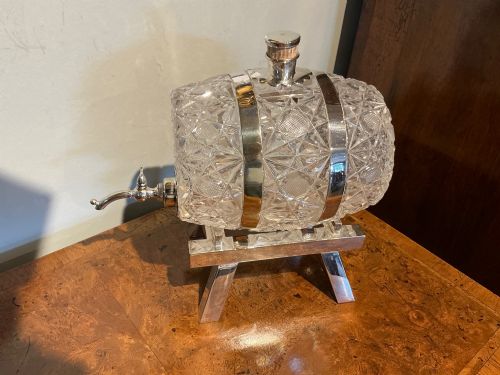
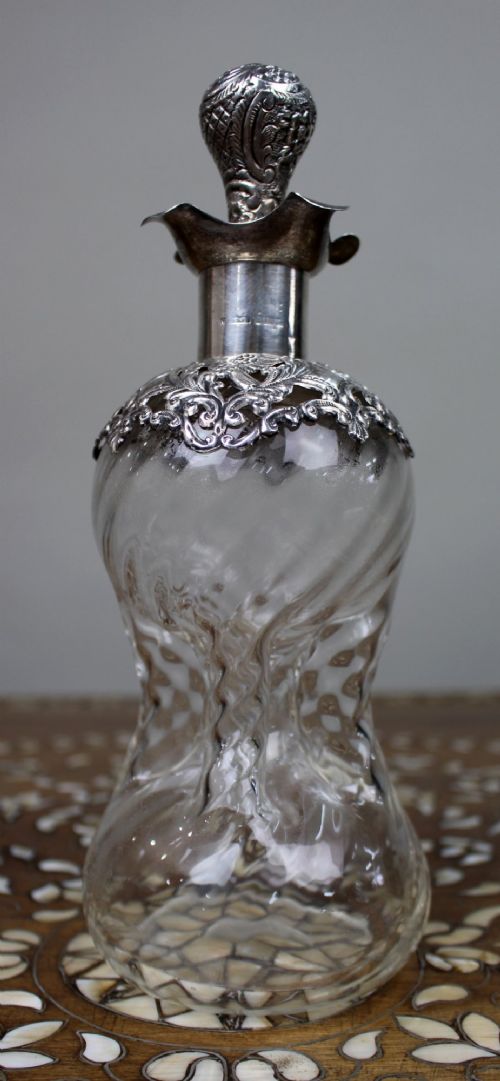
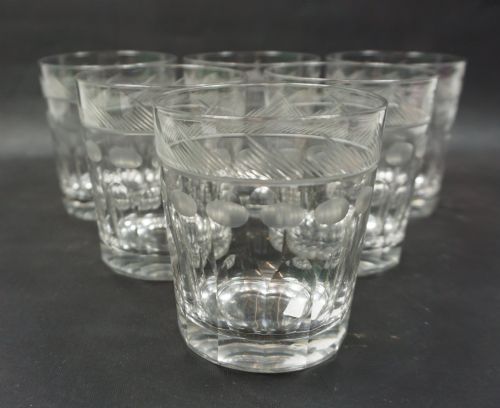
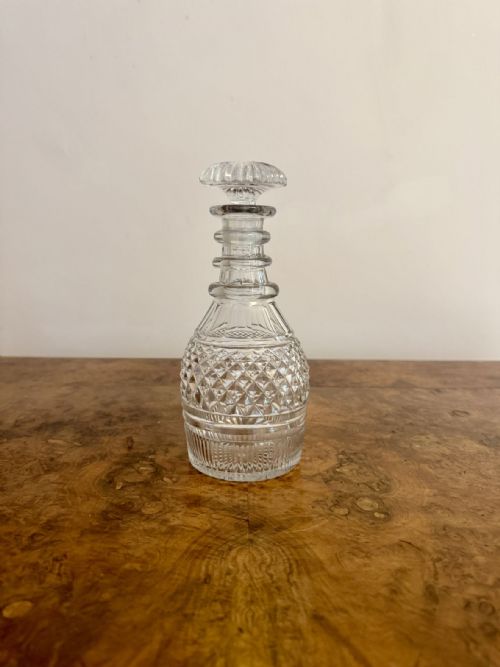
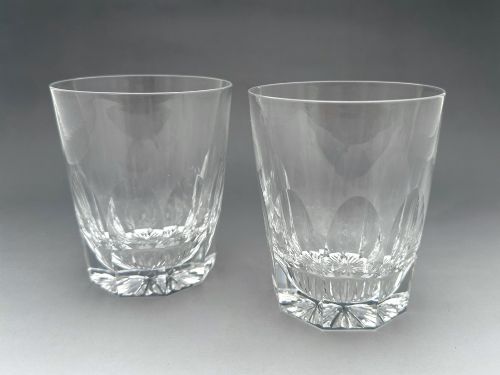
A vintage whisky glass selection encompasses everything from heavy cut tumblers and noggins to elaborate tantalus sets and silver-mounted decanters. Buyers searching this phrase typically encounter robust domestic drinking vessels and serving pieces produced across the Victorian, Edwardian, and Art Deco periods.
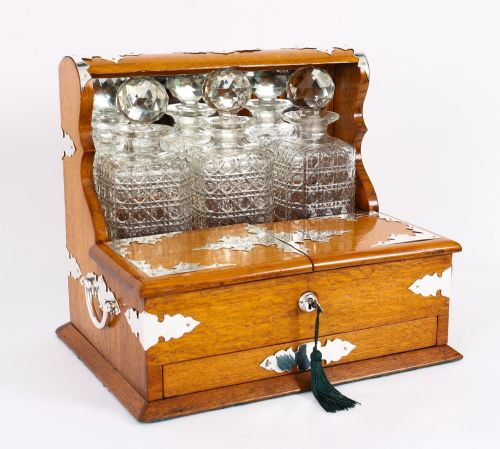
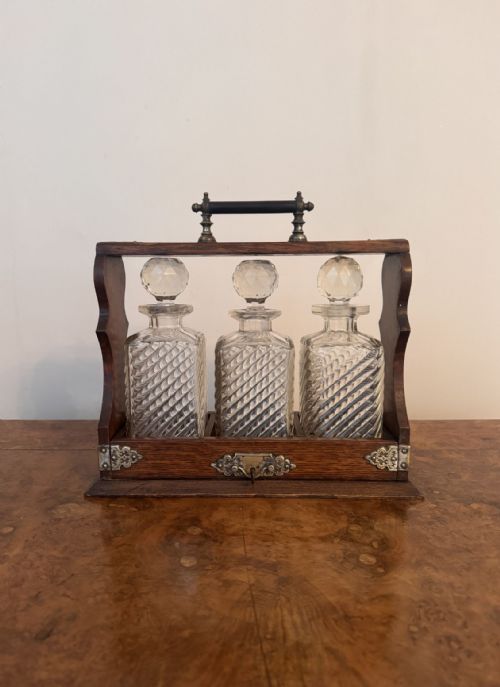
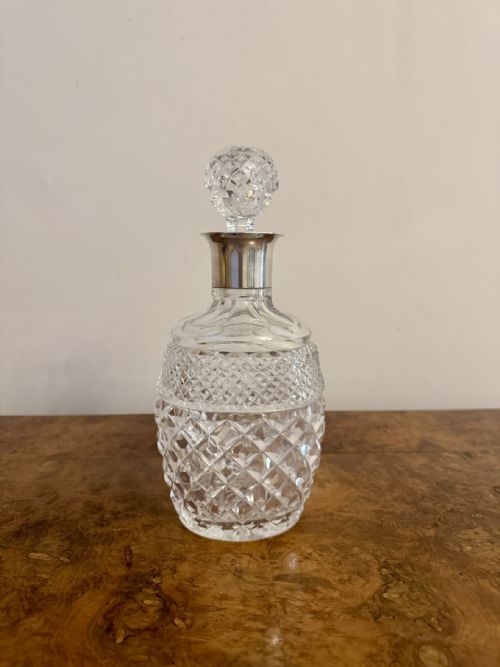
The objects span individual dram glasses and small pairs of tumblers up to complete multi-bottle tantalus housings in oak, coromandel, and satinwood. Many feature sterling silver collars, mounts, or associated labels marking their use in British homes over the last two centuries.
Originating largely from English, Scottish, and Continental workshops, these items reflect the changing rituals of spirits consumption from the nineteenth century onward. The inventory balances utilitarian barware with decorative vessels intended for prominent display on sideboards and in dedicated dry bars.
How they were made
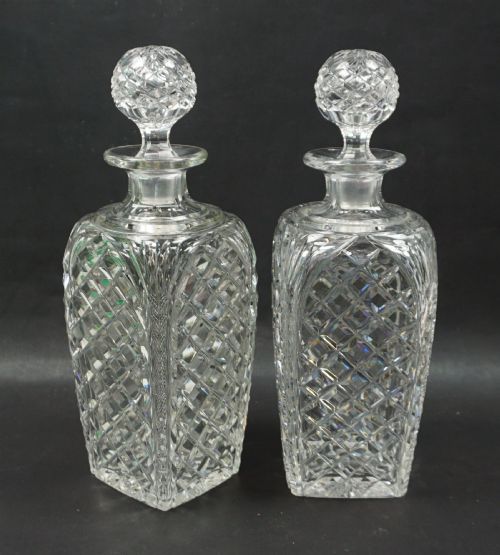
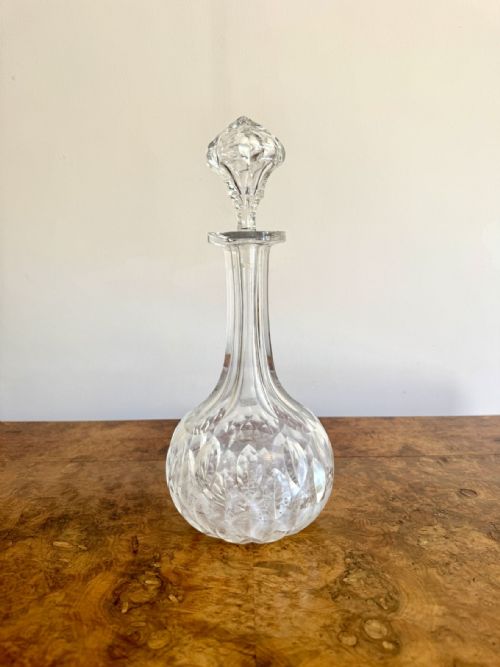
Makers utilised heavy lead crystal and clear glass, shaping pieces through manual blowing, moulding, and deep wheel-cutting to achieve light-refracting geometric patterns. Tumblers and decanters often display distinct fluting, blaze cuts, or square-section tapers formed while the material was molten or ground by hand post-annealing.
Metalwork components rely on sterling silver and silver plate, frequently bearing hallmarks that date mounts, collars, and removable cups to specific assay offices and years. Timber housings utilise oak, coromandel, and satinwood, joined with brass hardware and fitted interiors to secure heavy crystal decanters safely.
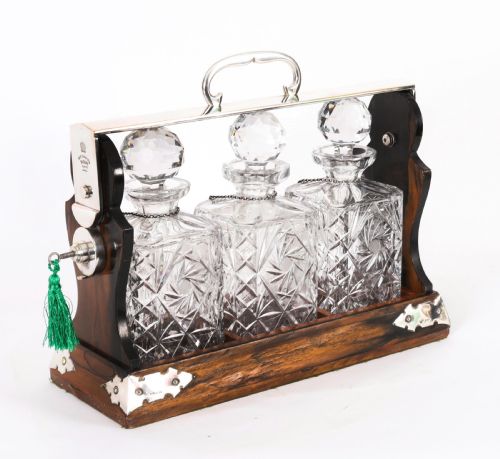
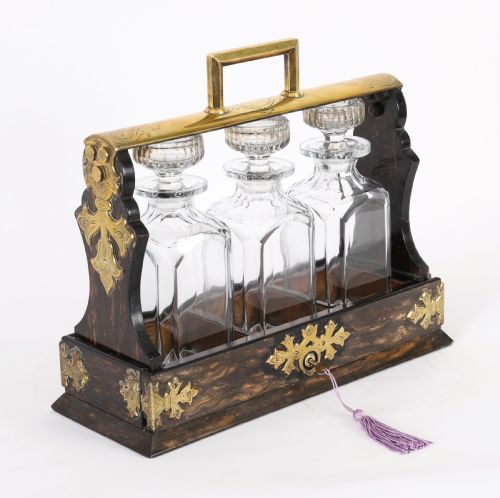
Early drinkers kept their whiskey securely locked away from thirsty household staff using ingenious locking tantalus frames.
What varies in quality
The calibre of a vintage whisky glass piece depends on the depth and crispness of the cutting, the weight of the metal mount, and the clarity of the crystal. Superior items display sharp, unblemished facets and substantial walls that provide a reassuring heft in the hand.
In fitted pieces like tantalus sets and games compendiums, the standard of cabinetmaking and the presence of fully operational locking mechanisms distinguish standard production from exceptional workshop output. High-grade examples integrate heavy timber frames with fully hallmarked silver hardware and perfectly matched crystal bottles.
Betjemann·Karl Palda·Asprey
The Vintage Whisky Glass Glossary
- Tantalus
- A locked wooden frame designed to secure spirit decanters while still revealing their contents through the bars. It prevents unauthorized access to the liquor by holding the stoppers firmly in place until unlocked with a key.
- Noggin
- A small vessel or jug used for serving a measured quantity of spirits, typically fitted with a sterling silver collar and a handle. These miniature pitchers often accompany matched silver labels.
- Blaze cut
- A specific pattern of wide, flat facets cut into the body of drinking vessels or decanters. This technique creates broad planes that reflect ambient light effectively.
- Cut crystal
- Glass containing lead oxide that has been carved with decorative patterns using a rotating wheel. The lead content increases the refractive index, giving the material a distinct sparkle.
Vintage Whisky Glass: Frequently Asked Questions
How do I date a crystal decanter?
Dating relies on examining the shape of the vessel, the style of any silver collars, and the presence of factory or retailer hallmarks. Ground pontil marks on the base often indicate nineteenth-century production.
Silver mounts frequently carry assay office marks and date letters that pinpoint the exact year the metalwork was tested and certified.
What is a whisky noggin?
A whisky noggin is a small, handled jug or pitcher designed to hold a single serving of liquor. They were commonly set on dining tables or sideboards alongside a matching decanter.
Most antique examples feature a sterling silver rim and handle, and many include a small silver label suspended from the neck.
Can I use these decanters daily?
Many buyers incorporate these historic vessels into modern entertaining, though older lead crystal requires careful hand washing. Sudden temperature changes can crack aged glass.
Leaving spirits in silver-collared decanters for extended periods is generally discouraged to protect both the liquor and the metal mount from tarnishing.
How do tantalus mechanisms work?
A tantalus uses a hinged wooden or metal top bar that locks down over the glass stoppers of the decanters. When the bar is locked, the bottles cannot be removed from the frame.
Turning the key releases the locking bar, allowing the retaining arms to swing open so individual decanters can be lifted out for pouring.