
Vintage Watercolour
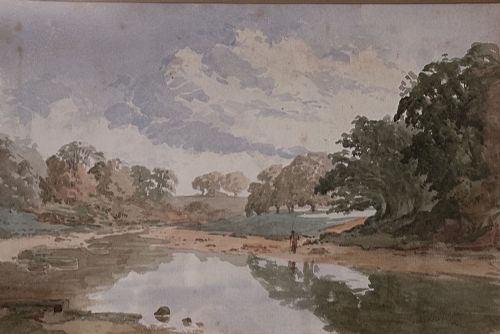
A vintage watercolour brings the direct touch of the artist's hand to your wall, capturing light and landscape with swift transparency.
Vintage Watercolour
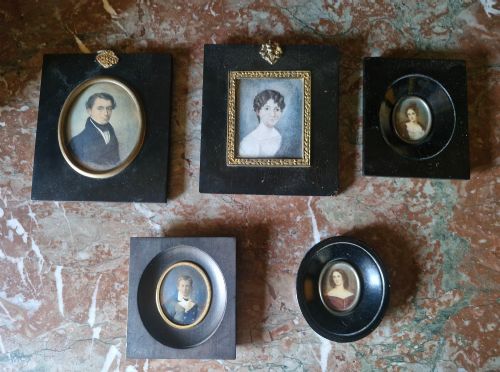
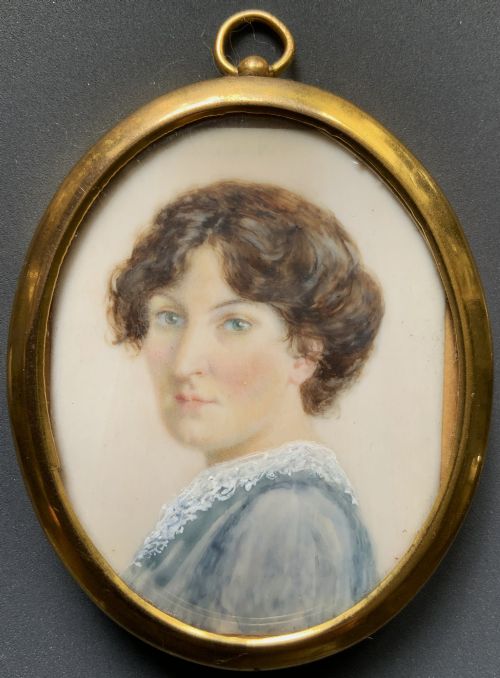
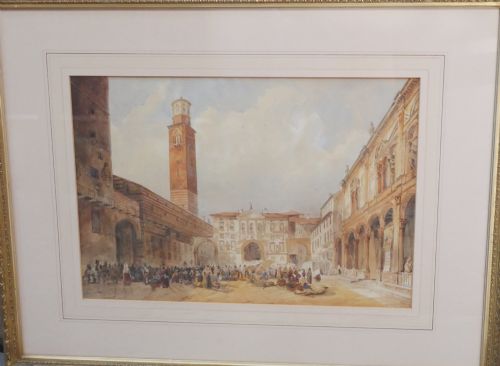
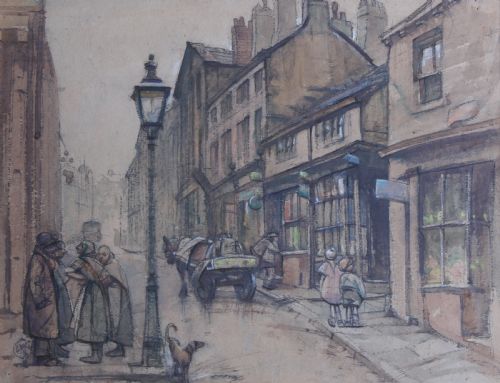
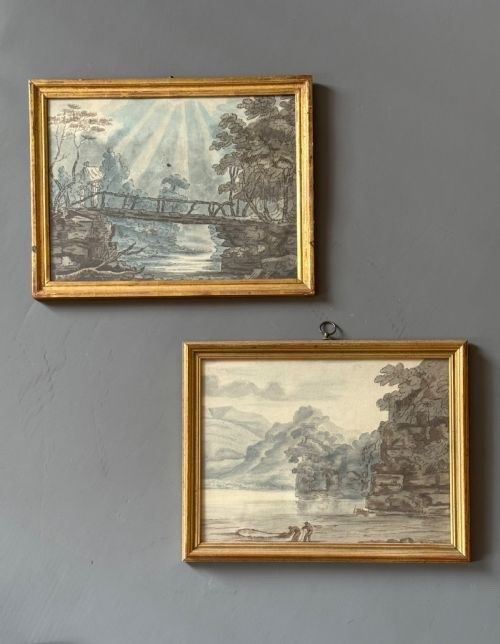
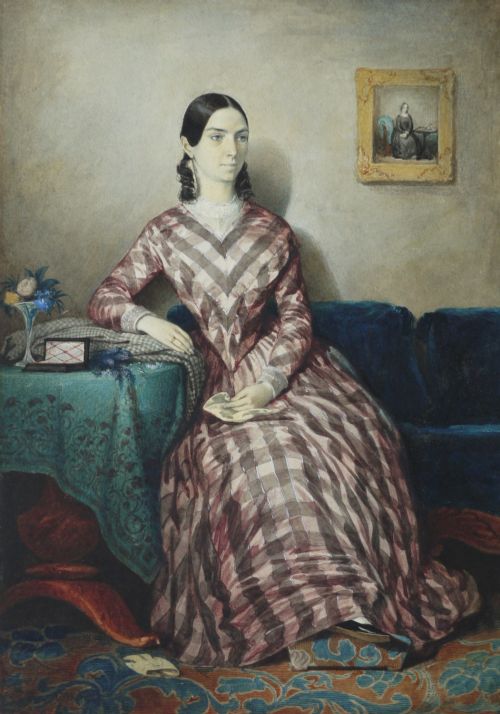
When you search for a vintage watercolour, you encounter original painted works spanning from the nineteenth century through the mid-twentieth century. These paintings encompass framed artwork, wall art, landscape views, and portrait miniatures.
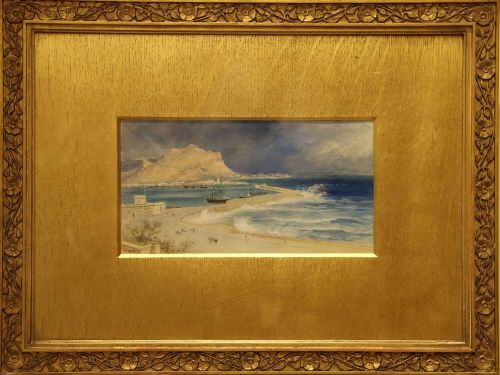
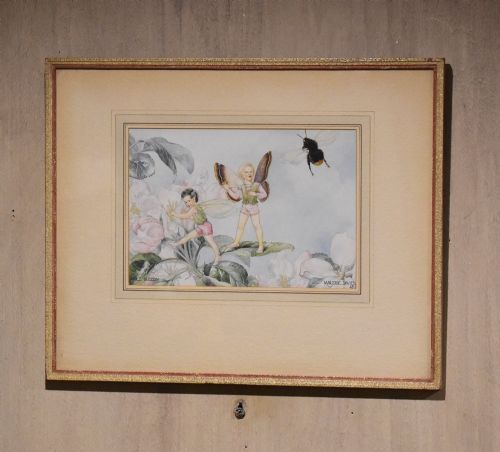
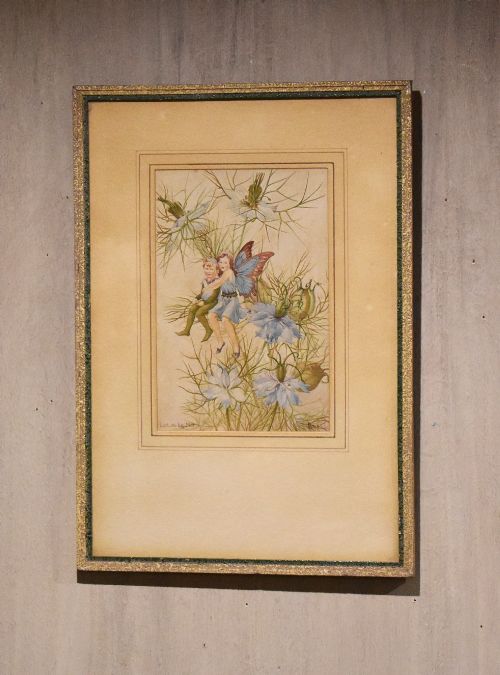
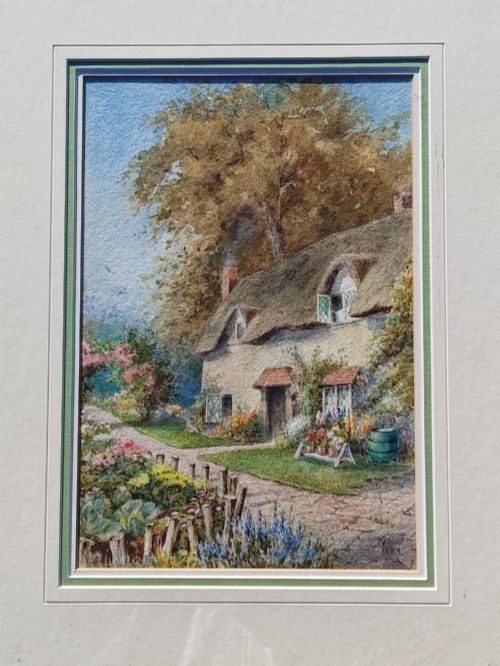
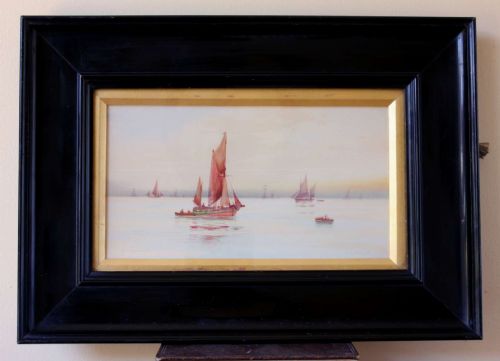
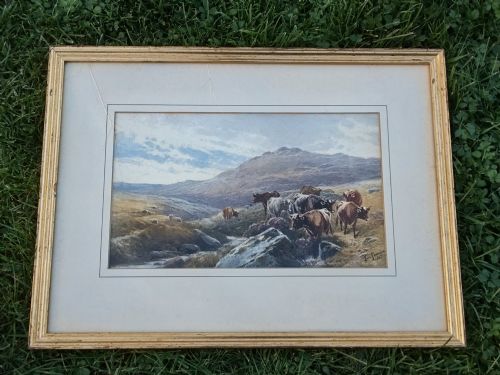
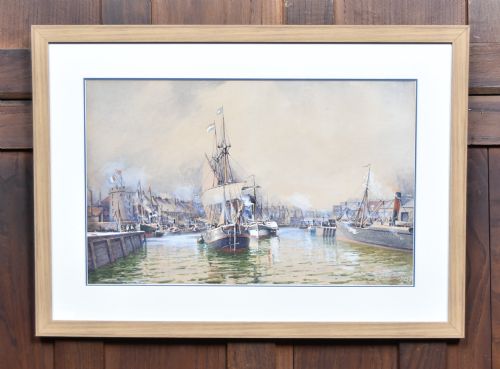
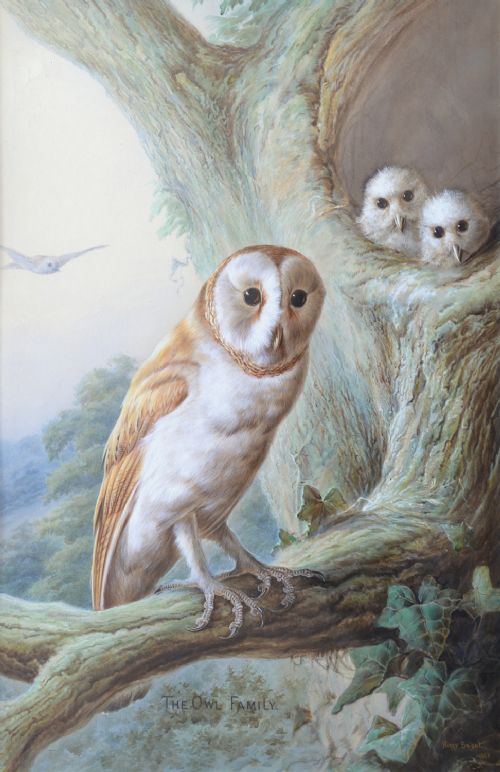
The selections available range from detailed Victorian coastal scenes and Edwardian country cottages to early twentieth-century townscapes and mid-century lake district views. English country pastorals, maritime studies, and botanical flower fairy illustrations appear frequently.
Origin points stretch across Britain, Europe, India, and East Asia, utilising paper, fabric, and pith as surfaces for pigment, ink, and occasionally cut-paper silhouettes.
Materials and construction
The foundational medium relies upon water-soluble pigment suspended on fibrous paper surfaces, sometimes supported by ink line work or mounted within gilt wood and glass frames.
Artists apply washes of varying opacity to build luminosity, utilising the white of the exposed paper to create highlights within maritime, architectural, and botanical subjects.
Subject matter ranges from Italian harbours and Chinese pith paintings to Cumbrian lake landscapes and botanical flower fairies.
Judging the work
Quality rests upon the confidence of the brushwork and the precision of the composition, distinguishing a swift, accomplished study from a stiff or hesitant amateur copy.
The preservation of the pigment against fading and the integrity of the original paper support directly influence the visual impact of the painting.
Marjorie L Davies·Thomas Rowden·Jacob Kramer·Fred Lawson·John Hassall
The Vintage Watercolour Glossary
- Watercolour pigment
- Finely ground colour particles mixed with a water-soluble binder, applied in translucent washes to paper.
- Portrait miniature
- A small-scale painted likeness, often executed on paper or ivory, requiring precise and delicate brushwork.
- Pith painting
- Artwork created on thin sheets of plant pith material, common in nineteenth-century export art.
- Cut-paper silhouette
- A profile portrait created by cutting black paper, occasionally augmented with watercolour details.
Vintage Watercolour: Frequently Asked Questions
How should I frame a watercolour?
Watercolours require framing behind glass with a mount that keeps the paper from touching the glazing directly. This prevents moisture accumulation and protects the delicate pigments from atmospheric damage.
Positioning the framed artwork away from direct sunlight preserves the fugitive hues common in older watercolours.
How do I date an antique watercolour?
Dating relies upon stylistic clues, artist signatures, inscriptions, and framing materials. Victorian and Edwardian works often feature specific paper watermarks and distinct framing styles.
Comparative analysis with documented works by the same artist helps narrow the decade of creation.
What is the difference between a drawing and a watercolour?
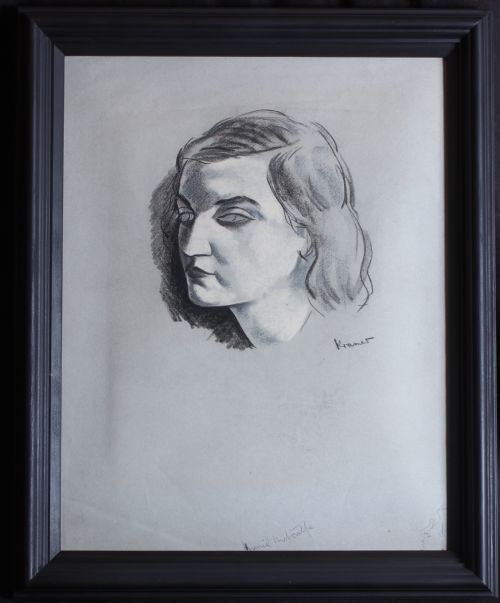
Drawings rely primarily on linear media such as ink, pencil, or chalk to define form. Watercolours utilise pigment washes as the primary vehicle for colour and tone.
Many vintage pieces combine both methods, using ink outlines beneath transparent washes of watercolour pigment.
Are portrait miniatures watercolour?
Miniature portraits from the nineteenth century were frequently painted in watercolour on paper or card. They capture fine facial details through microscopic brushstrokes.
These small works were typically housed in protective folding cases or small wall frames.