





Vintage Washstand Drawers
These vintage washstand drawers combine practical bedroom storage with period character, offering an authentic touch of traditional utility to modern interiors.
Vintage Washstand Drawers
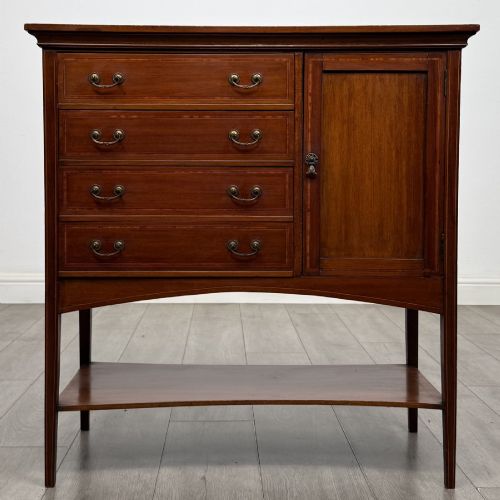
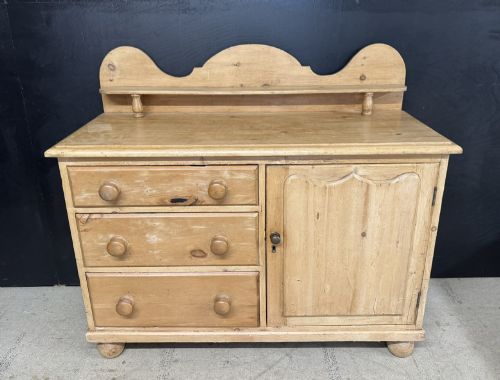
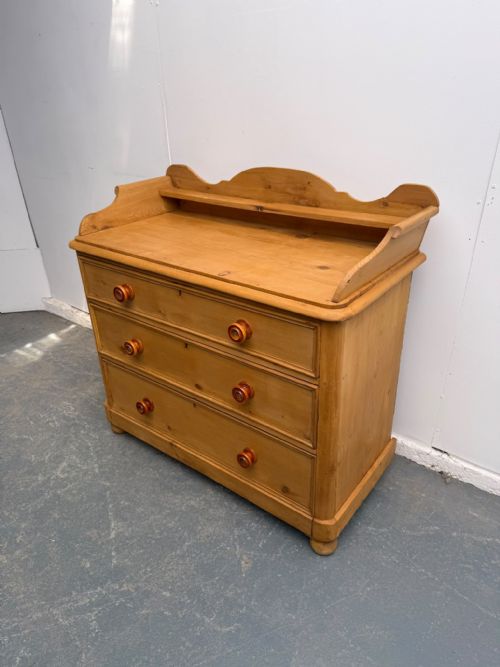
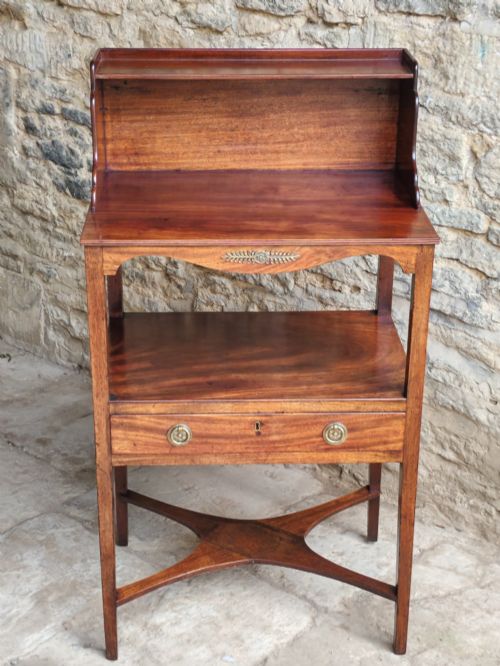
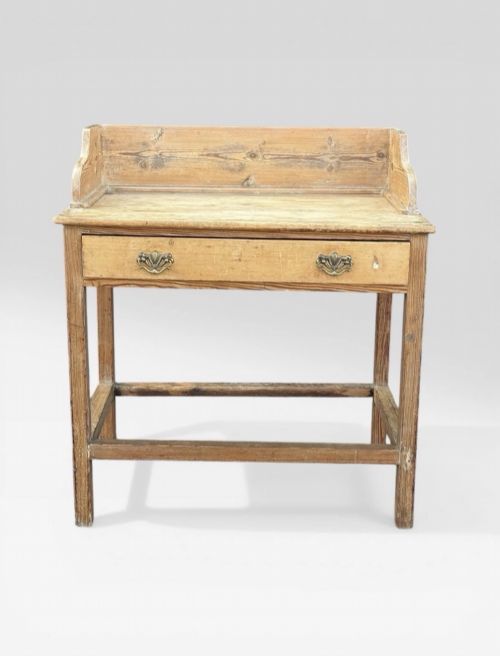
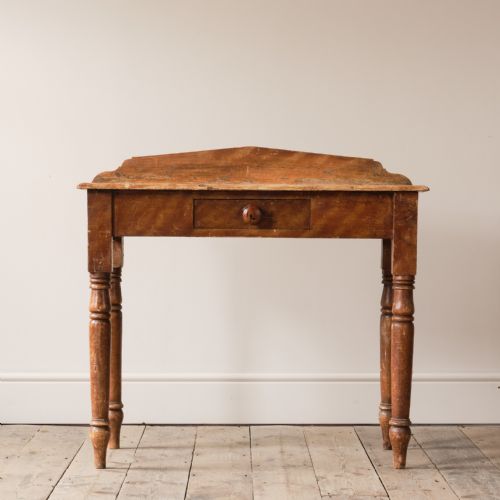
Vintage washstand drawers encompass a variety of utilitarian pieces designed for personal hygiene before plumbed bathrooms became standard, frequently doubling as compact storage furniture in period bedrooms. Buyers seeking vintage washstand drawers encounter diverse forms ranging from traditional timber washstands to modified chests and bedside cabinets.
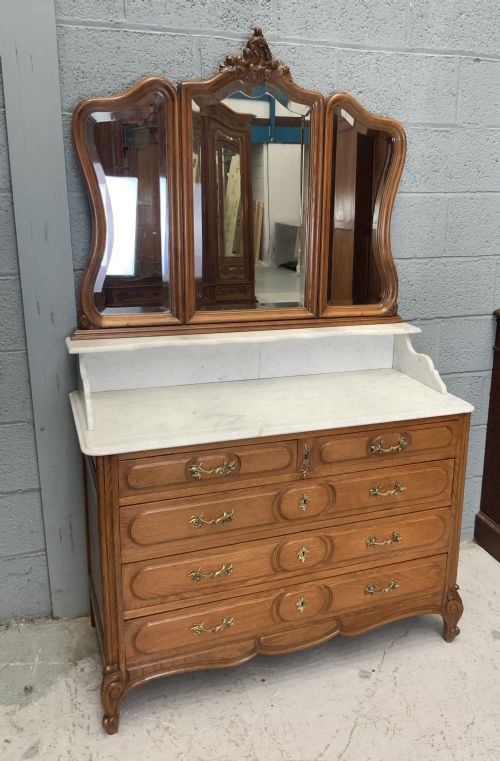
The selection reflects multiple eras, including Georgian, Victorian, and Edwardian periods, alongside regional variations such as French provincial designs and rustic pine country furniture. Most examples combine surface space for basins with functional drawer compartments below.
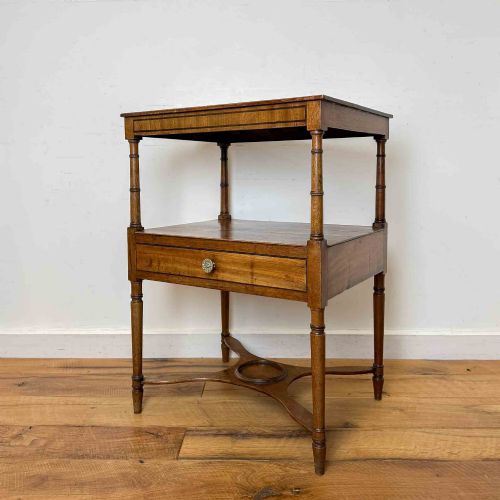
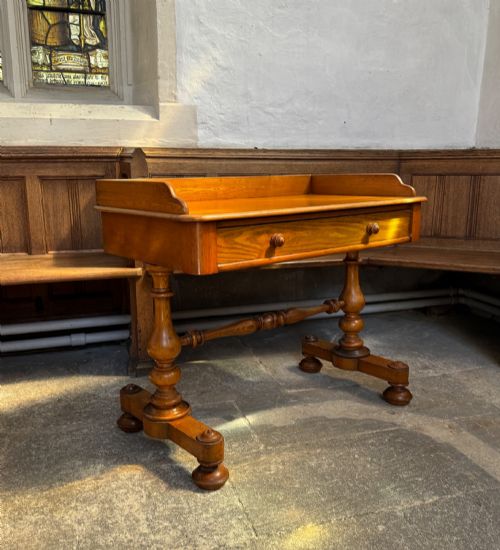
Object types on offer stretch beyond standard washstands to include bedside tables, chests of drawers, and corner stands, demonstrating how these versatile pieces adapted to domestic needs over centuries.
Materials and Construction
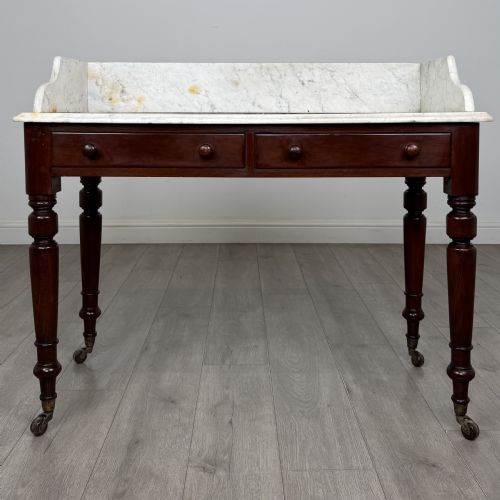
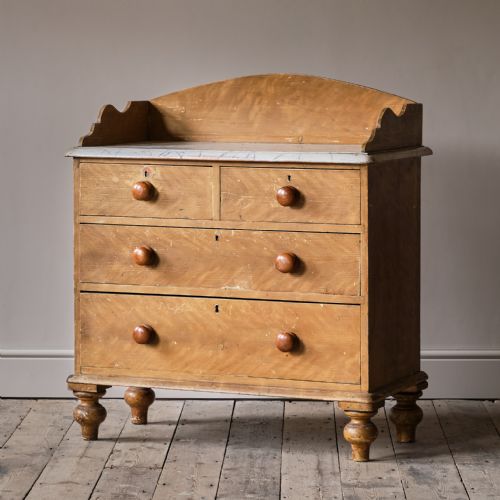
Surface treatments vary from polished mahogany and waxed pine to original paint finishes and decorative faux bamboo mouldings. Marble tops appear frequently on later pieces to provide a durable, water-resistant counter for washing basins.
Hardware details incorporate brass fittings, glass elements, and occasionally forged iron work, aligning with the stylistic demands of William IV, Regency, and Edwardian periods.
Vintage Washstand Drawers Retail Price Guide 2026
Typical asking prices for vintage washstand drawers among the pieces listed under this phrase on Sellingantiques today, from the lower quarter to the upper quarter. They describe what is for sale here now, not the wider market.
Listings feature items spanning the 18th century through the 1920s, constructed from mahogany, pine, oak, and marble.
Distinguishing Quality
Superior quality in these pieces is evident in the selection of timber and the precision of the joinery, particularly within the drawer construction and framing. Finer examples retain their original marble slabs, intact brass hardware, and unaltered painted surfaces rather than later restorations.
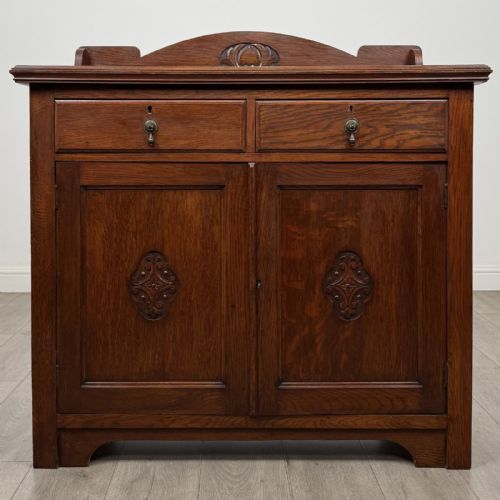
Proportion and stylistic cohesion separate standard utility items from high-status commissions, such as late Victorian mahogany washstands featuring rouge marble and satinwood inlay. The integrity of structural additions, such as raised gallery backs, remains a key indicator of original craftsmanship.
The Vintage Washstand Drawers Glossary
- Raised gallery
- A low wooden upstand attached to the back and sides of a washstand or table top. This feature prevented water and small items from slipping off the edge behind the furniture.
- Faux bamboo
- A decorative technique where solid wood is carved or turned to resemble natural bamboo stalks. This style gained popularity during the Victorian era due to an interest in Asian-inspired design.
- Campaign chest
- A modular chest of drawers designed to be easily dismantled and transported by military officers on campaigns. These pieces typically feature recessed brass handles and reinforced corners.
- Commode
- A low cabinet or chest of drawers, often fitted with a marble top in French variations. The term originally referred to enclosed pieces used for chamber pots before evolving into general bedroom storage.
Vintage Washstand Drawers: Frequently Asked Questions
What is a vintage washstand?
A vintage washstand is a piece of antique furniture originally built to hold a washbasin, jug, and soap dish before indoor plumbing was common in every bedroom.
Today, these items serve primarily as decorative storage units, side tables, or bathroom vanity bases due to their useful surface area and built-in drawers.
How do I date a wooden washstand?
Dating relies on examining the timber species, construction methods, and prevailing decorative styles of the period. Georgian and Victorian pieces often display distinct drawer joint techniques and hardware designs that reveal their age.
Additionally, secondary woods used inside drawer linings help confirm the manufacturing era and regional origin.
Can I use a marble top washstand daily?
Marble top washstands handle modern bathroom or bedroom use quite well because the stone surface naturally resists water and dampness.
Care should be taken with acidic liquids like citrus juice or vinegar, which can etch polished marble over time.
Where did washstands originate?
Washstands developed as domestic hygiene requirements grew more sophisticated in European households during the eighteenth and nineteenth centuries.
Cabinetmakers adapted bedroom furniture designs to accommodate specialised washing equipment for affluent homes.