

Vintage Wardrobe with Mirror
These vintage wardrobes with mirror offer generous bedroom storage while reflecting light to brighten a room.
Vintage Wardrobe with Mirror
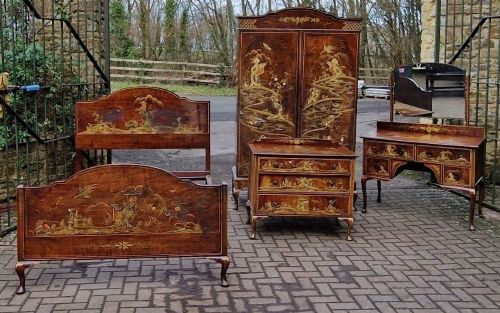
A vintage wardrobe with mirror provides essential hanging space and often incorporates internal drawers, shelving, or matching bedroom suites. These pieces originate primarily from the Victorian and Edwardian periods, alongside early twentieth-century examples.
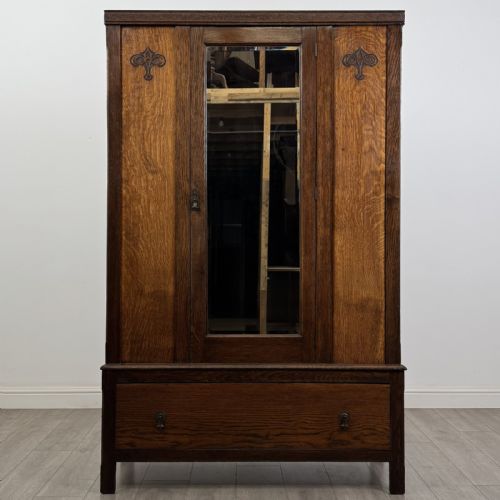
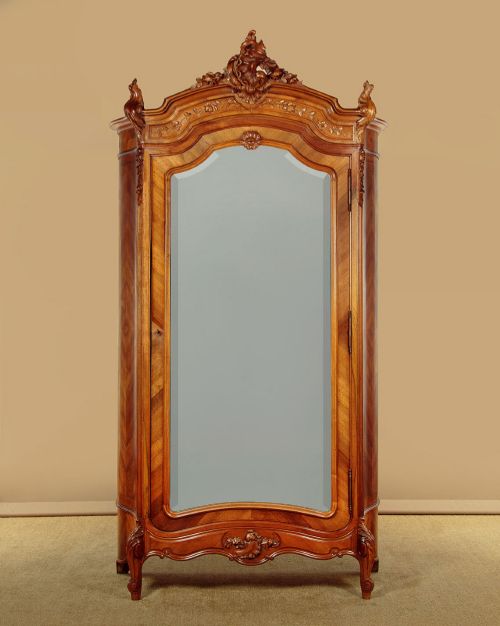
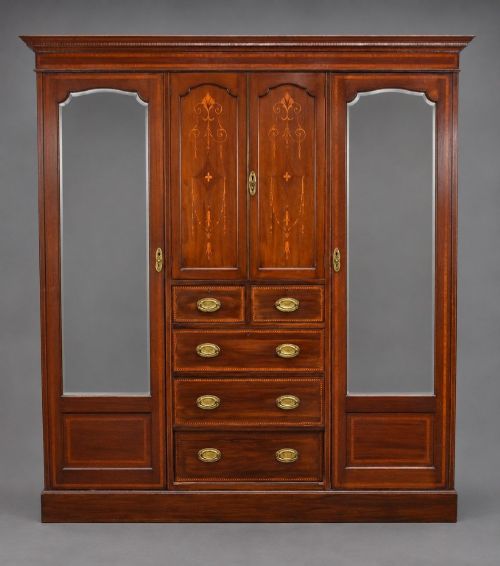
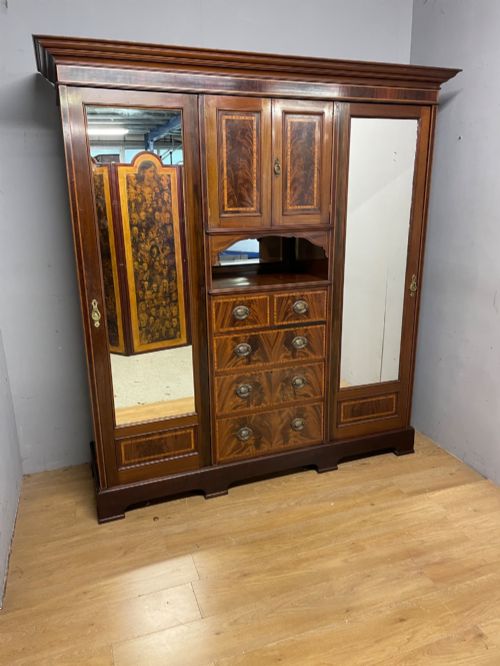
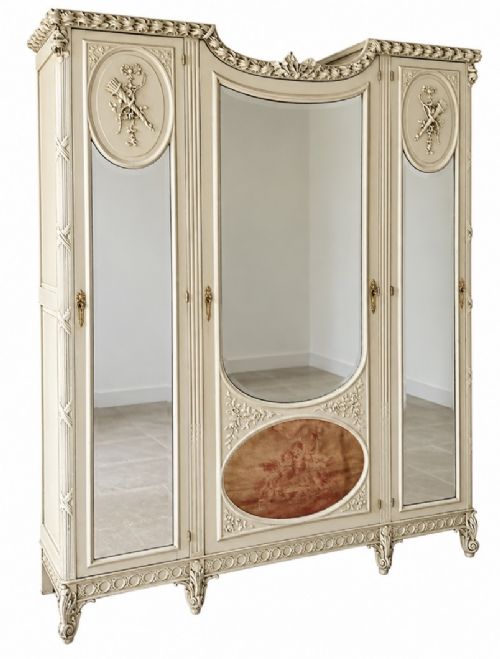
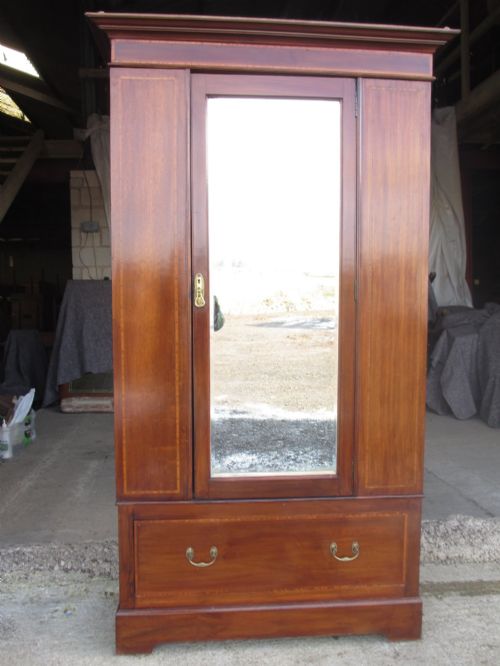
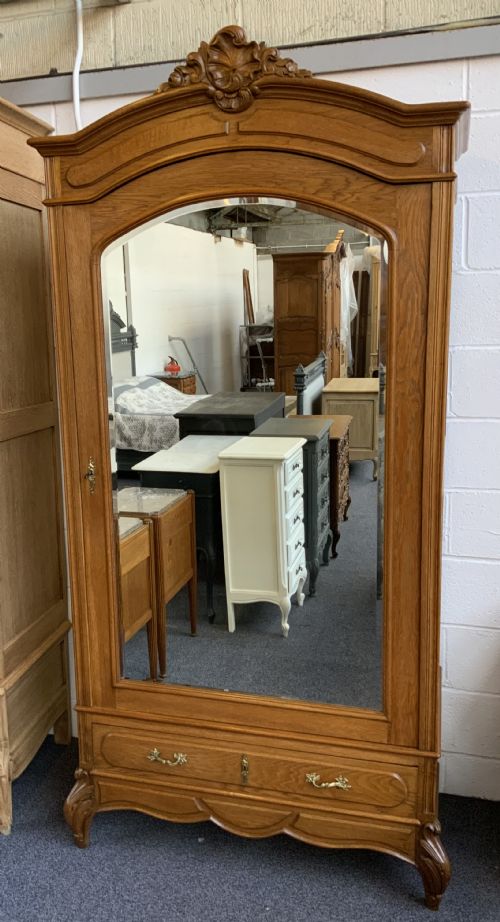
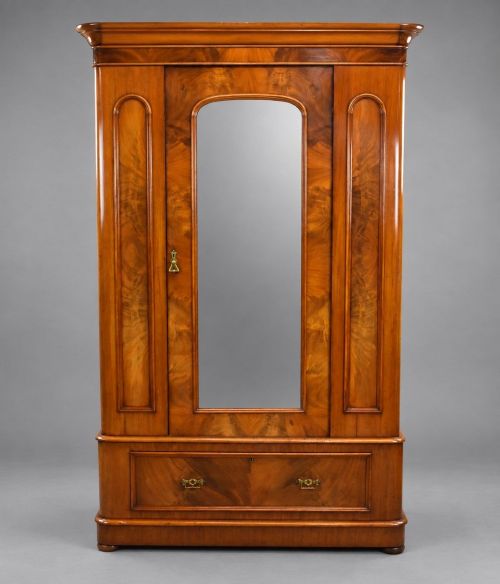
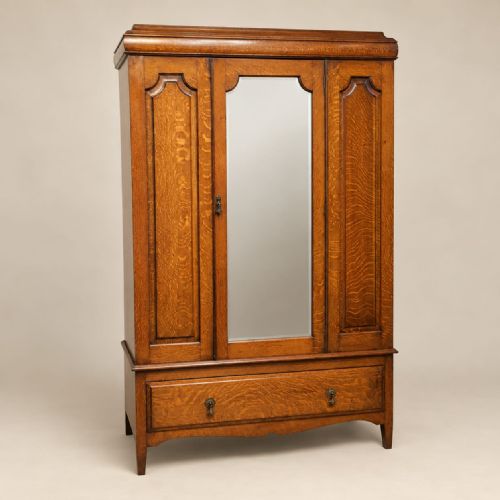
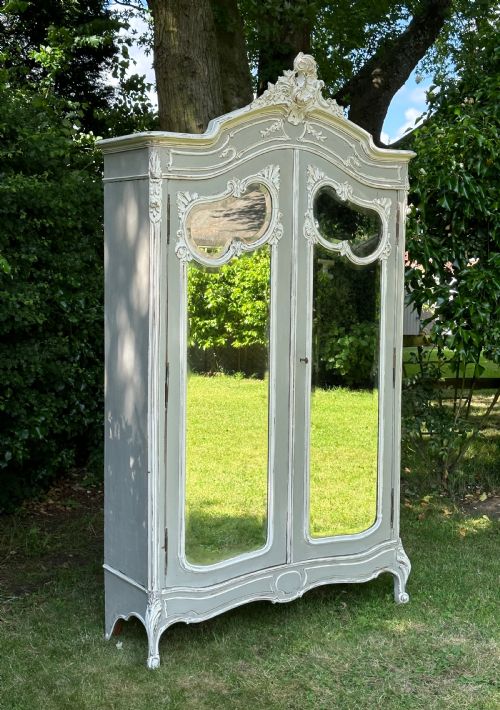
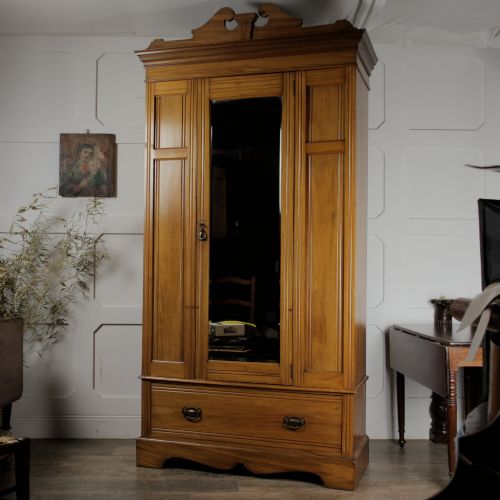
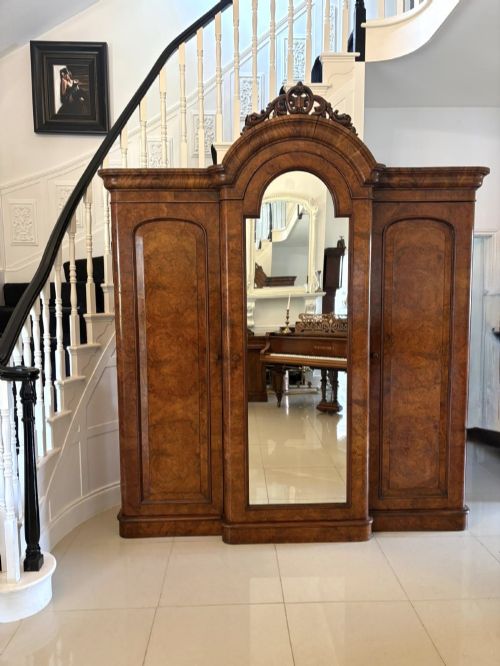
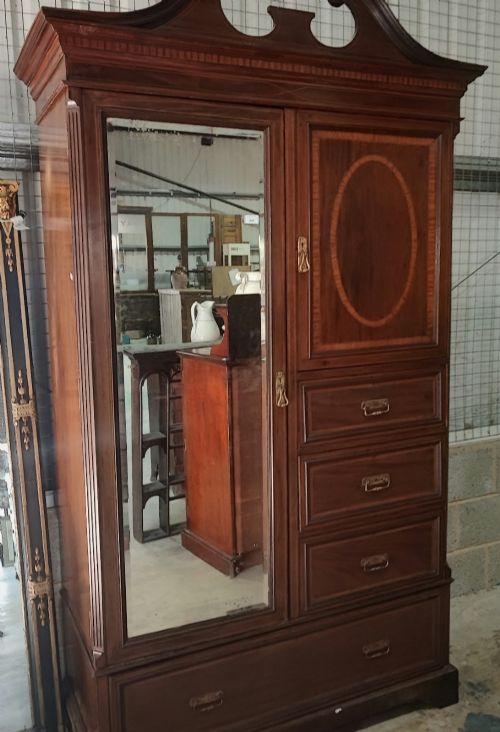
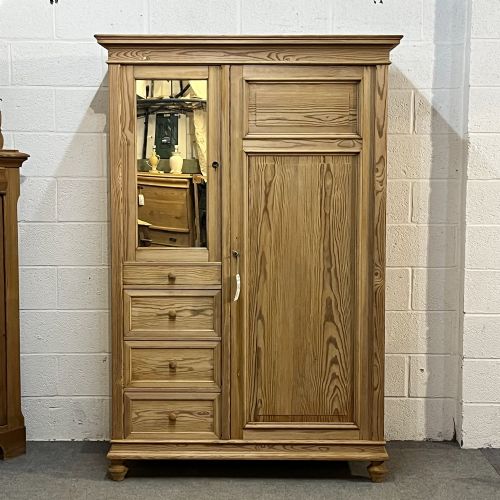
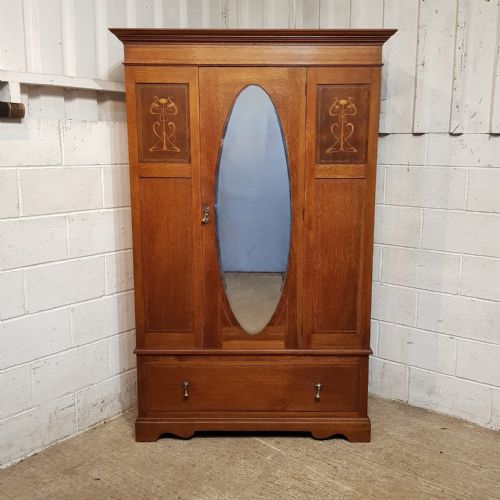
The most common formats on this page range from substantial triple wardrobes in mahogany or walnut to single French armoires and compactum designs in oak and pine.
Materials and construction methods
Cabinet makers utilised dense timbers such as mahogany, walnut, satinwood, and oak for structural integrity and decorative grain patterns. These woods were frequently combined with brass hardware, gilt bronze ormolu mounts, and mirrored glass door panels.
Construction techniques include traditional joinery, surface carving, and delicate inlay work, resulting in pieces spanning styles from Arts and Crafts and Art Nouveau to French Provincial and Louis XVI Revival.
Vintage Wardrobe with Mirror Retail Price Guide 2026
Typical asking prices for vintage wardrobe with mirror among the pieces listed under this phrase on Sellingantiques today, from the lower quarter to the upper quarter. They describe what is for sale here now, not the wider market.
Some Edwardian wardrobes include secret compartments originally designed for hiding valuables.
Quality factors in mirrored wardrobes
The distinction between tiers of quality lies in the depth of timber selection, the crispness of hand carving, and the sophistication of brass or ormolu detailing. Superior pieces display harmonious proportions across large triple doors or combination compactum layouts.
The integration of the mirror glass within the door frame also indicates workmanship, where heavy bevelled glass secured safely within sturdy wooden framing elevates the standard of the piece.
Early Heals·Maples & Co
The Vintage Wardrobe with Mirror Glossary
- Compactum
- A multi-functional wardrobe that combines hanging space with internal drawers, compartments, and sometimes shoe racks.
- Armoire
- A traditional European large cupboard or wardrobe, often featuring single or double doors and distinctive regional styling.
- Ormolu
- Gilded bronze mounts and decorative details applied to furniture, frequently seen on French revival pieces.
- Inlay
- A decorative technique where contrasting woods or materials are set into the surface timber to create patterns.
Vintage Wardrobe with Mirror: Frequently Asked Questions
How do I fit a vintage wardrobe into a modern bedroom?
Measure your ceiling height and floor space carefully before choosing between a single armoire or a large triple wardrobe. Many period pieces are designed to dismantle into sections to assist with transport and placement.
Ensure there is sufficient clearance for doors to open fully, allowing you to access internal drawers and hanging rails without obstruction.
Are mirrored doors on old wardrobes heavy?
Yes, original mirror glass adds considerable weight to the doors, which requires robust hinges and stable framing to prevent sagging over time.
When positioning the wardrobe, ensure the floor is level so the doors hang true and the mirrors reflect accurately without distortion.
What is the difference between a wardrobe and a compactum?
A standard wardrobe focuses primarily on hanging space behind full-length doors, sometimes accompanied by a single base drawer. A compactum is a more fitted design that divides the interior space to include banks of internal drawers and shelving alongside the hanging section.
This makes compactums particularly useful for smaller bedrooms where additional chest of drawers space is unavailable.
How do I care for antique wood finishes?
Dust the timber regularly with a soft, dry cloth and avoid placing the wardrobe in direct sunlight or near direct heat sources. This prevents the wood from drying out and protects the polished finish.
Apply a quality beeswax polish occasionally to nourish the grain of timbers like mahogany, walnut, and oak.