

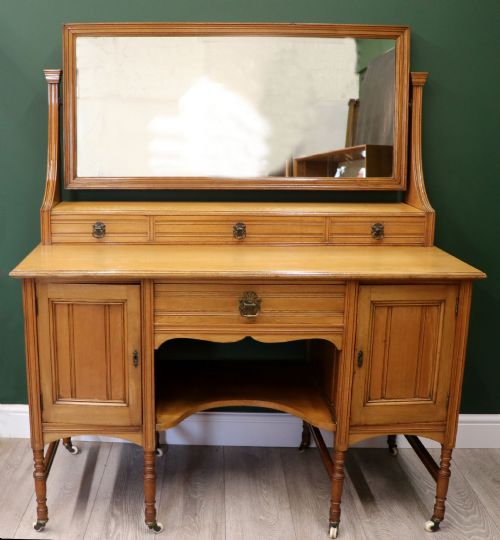


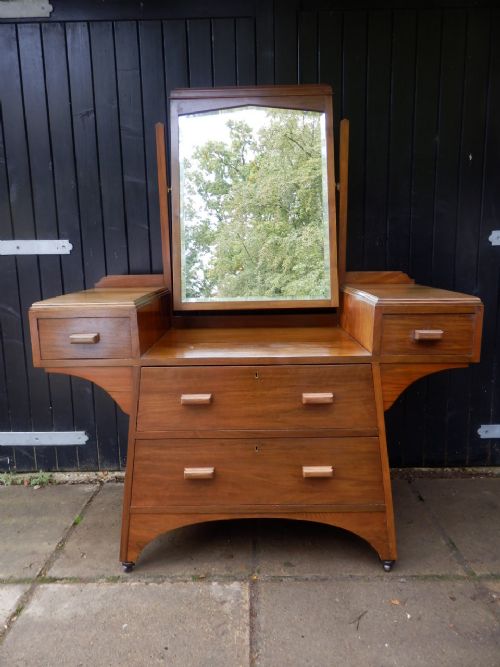

Vintage Walnut Vanity Chest
A vintage walnut vanity chest brings warm timber grain and practical mirror work to the bedroom, offering dedicated storage for grooming essentials.
Vintage Walnut Vanity Chest
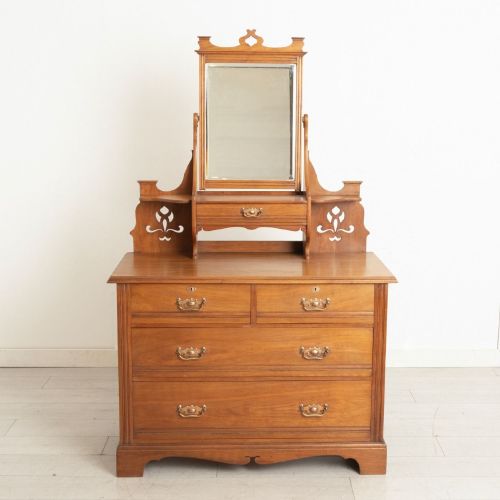
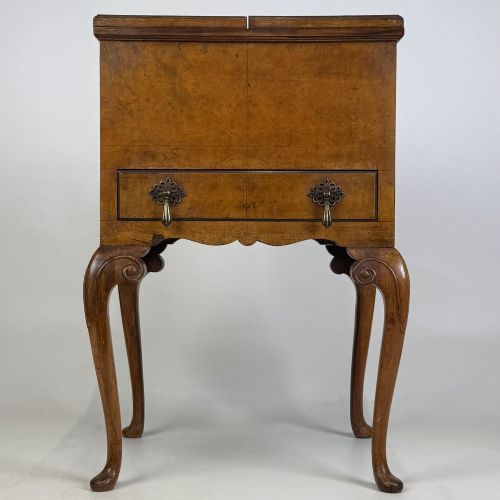
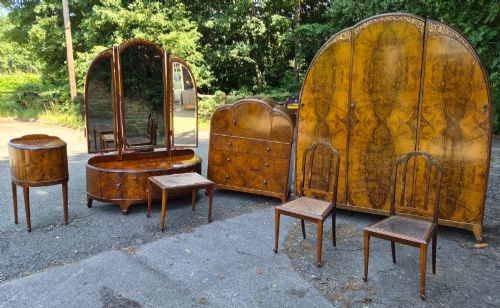
A vintage walnut vanity chest encompasses dressing tables, dressing chests, and smaller tabletop cabinets designed for personal grooming and storage. When searching for a vintage walnut vanity chest, buyers encounter items ranging from Edwardian satin walnut pieces to 1930s Art Deco pedestal designs.
How they were made
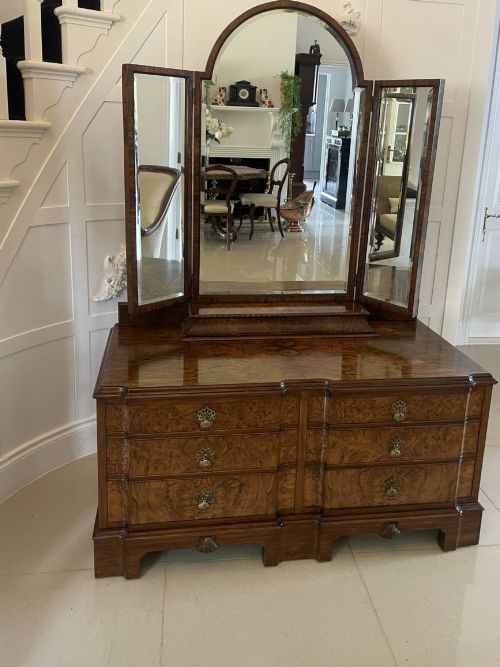
Construction relies heavily on walnut and burr walnut veneers applied over secondary timbers, showcasing rich natural grain patterns across drawer fronts and table surfaces. Brass hardware, mirror glass, and occasional marquetry inlay or marble tops complete the traditional fabrication methods.
Joinery techniques reflect the specific period of manufacture, from solid Edwardian framing to streamlined Art Deco pedestal carcases designed to support tilting or fixed mirrors.
Vintage Walnut Vanity Chest Retail Price Guide 2026
Typical asking prices for vintage walnut vanity chest among the pieces listed under this phrase on Sellingantiques today, from the lower quarter to the upper quarter. They describe what is for sale here now, not the wider market.
What varies in quality
Quality differences stem from the choice of timber veneer selection, particularly the vibrancy of burr walnut figures used on prominent surfaces like drawer fronts and tabletops. Superior examples display thoughtful proportions, integrated mirrors, and matching secondary woods that elevate the piece beyond standard utility furniture.
Frank Taylor & Co.·Maurice Adams
The Vintage Walnut Vanity Chest Glossary
- Burr walnut
- A specialised timber veneer harvested from the growth warts of walnut trees, prized for its swirling, highly figured grain patterns. It forms the decorative surface on many high-end dressing chests.
- Pedestal dressing table
- A vanity form featuring twin stacks of drawers flanking a central knee-hole space, often surmounted by adjustable mirrors. This layout gained popularity during the Art Deco and Victorian periods.
- Cheval mirror
- A full-length dressing mirror suspended on a freestanding frame, sometimes adapted for tabletop use on larger chests. It allows the user to adjust the angle for dressing.
- Marquetry
- The art of applying small pieces of veneer to a structure to form decorative patterns or pictures. Dutch examples frequently employ this technique on dressing surfaces.
- Satin walnut
- A timber commonly utilised in Edwardian bedroom furniture, offering a lighter yellowish-brown tone compared to dark European walnut.
Vintage Walnut Vanity Chest: Frequently Asked Questions
How do I style a vanity chest?
Position the piece against a well-lit bedroom wall, allowing natural light to complement the warm walnut tones during daily grooming routines.
Keep surface clutter minimal by utilising the built-in drawers for small accessories, leaving only a decorative tray or glass perfume bottle on top.
Are these pieces suitable for modern bedrooms?
Their compact proportions and rich timber finishes allow these items to function effectively alongside contemporary interior schemes.
The integrated drawers and mirrors provide genuine utility for modern storage needs while adding historical character to the room.
How do I distinguish Edwardian from Art Deco pieces?
Edwardian items often feature lighter satin walnut timber, softer decorative carving, and traditional proportions associated with earlier domestic furniture.
Art Deco examples, typically dated around 1930, showcase streamlined pedestal shapes, dramatic burr walnut veneers, and geometric mirror frames.
What maintenance does walnut veneer require?
Protect the timber surfaces from direct sunlight and excessive moisture to prevent the vintage veneers from fading or lifting over time.
Apply a traditional beeswax polish occasionally to nourish the grain and maintain the natural lustre of the walnut.