



Vintage Walnut Footstool
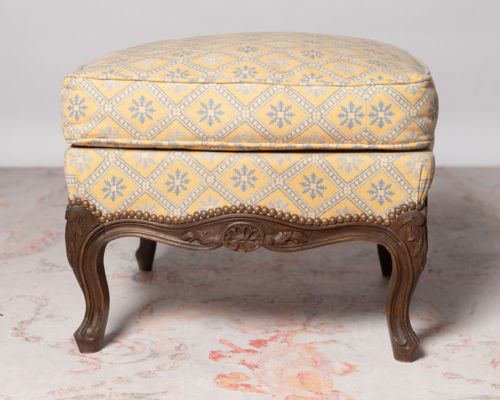
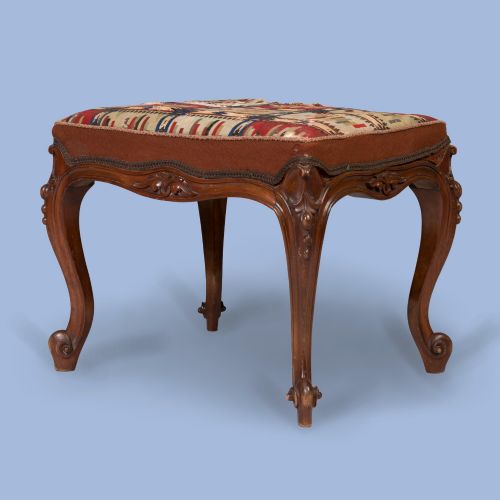
A vintage walnut footstool brings warmth and practical charm to a room, offering sturdy timber framing paired with tactile upholstery.
Vintage Walnut Footstool
When you search for a vintage walnut footstool, you encounter low timber seating designed for comfort alongside armchairs, dressing tables, and firesides. These pieces span the nineteenth and twentieth centuries, taking the form of oval, rectangular, or square stools.
How they were made
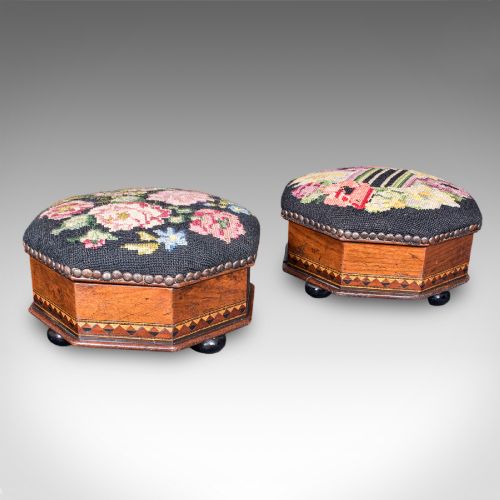
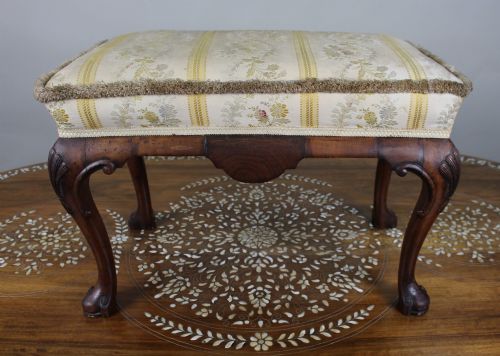
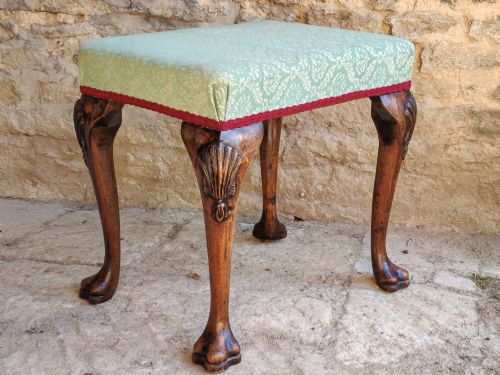
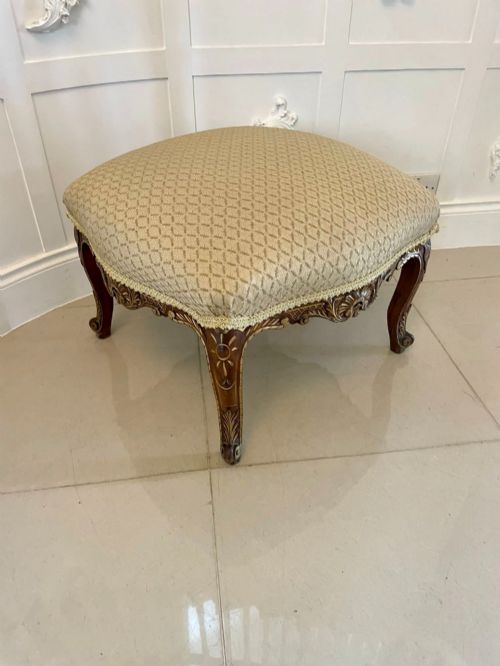
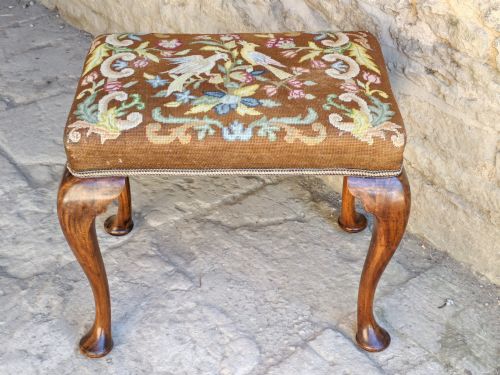
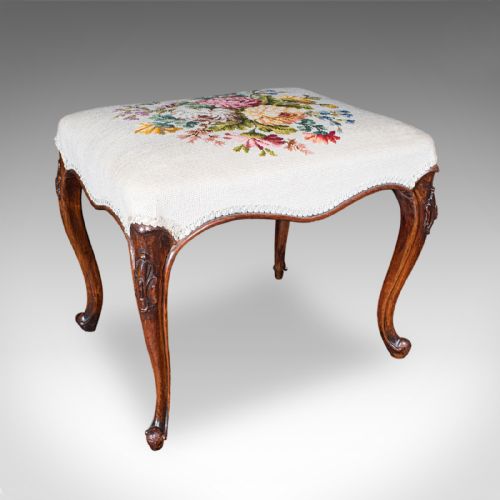
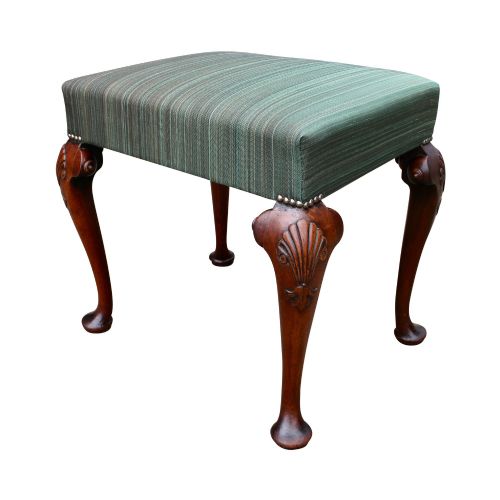
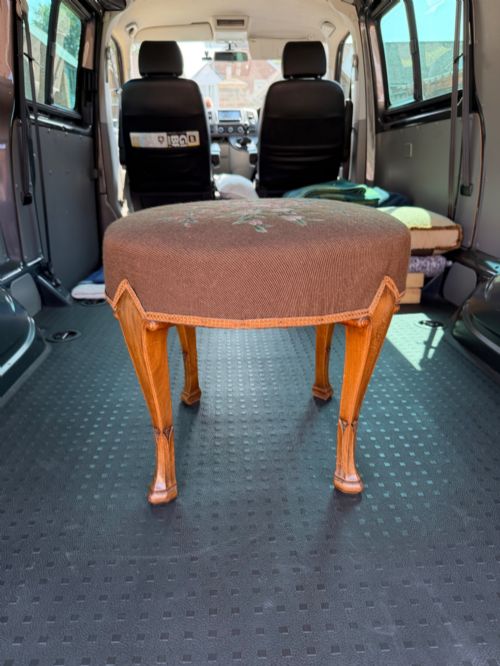
Makers constructed these frames from solid walnut or burr walnut veneers, sometimes adding gilt or carved details to the timber. Turnings, cabriole legs, and spiral carvings provide the structural support beneath the seats.
Upholstery completed the piece, incorporating materials such as leather, velvet, brass studs, and needlepoint or tapestry textiles. Many examples retain traditional buttoning or feature newly applied covers.
Vintage Walnut Footstool Retail Price Guide 2026
Typical asking prices for vintage walnut footstool among the pieces listed under this phrase on Sellingantiques today, from the lower quarter to the upper quarter. They describe what is for sale here now, not the wider market.
The listings span the Victorian era, nineteenth century, and nineteen-thirties, utilising walnut, burr walnut, leather, velvet, and needlepoint.
What varies in quality
The distinction between standard pieces and finer examples rests on the crispness of the timber carving and the selection of figured burr walnut veneers. Master makers invested greater care in shaped rails and balanced proportions.
Original upholstery materials and hand-dyed leather elevate an example, whereas later replacements change the historic integrity of the seating. The weight of the timber frame and the joinery execution indicate workshop standards.
Harry and Lou Epstein
The Vintage Walnut Footstool Glossary
- Cabriole leg
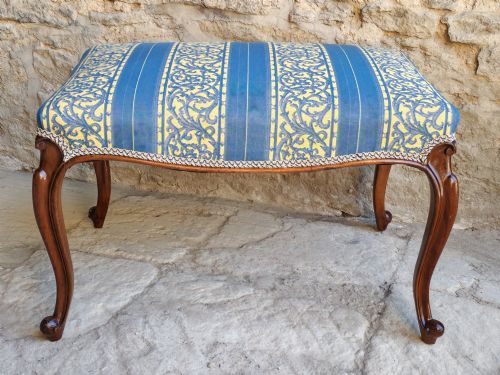
- A furniture leg that curves outward at the knee and tapers inward to an ankle, common on Queen Anne style and Victorian walnut stools.
- Burr walnut
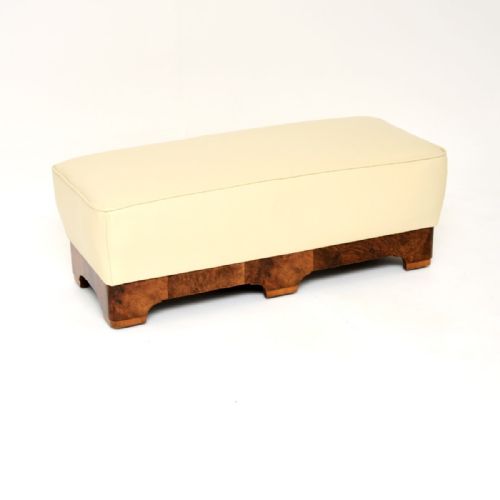
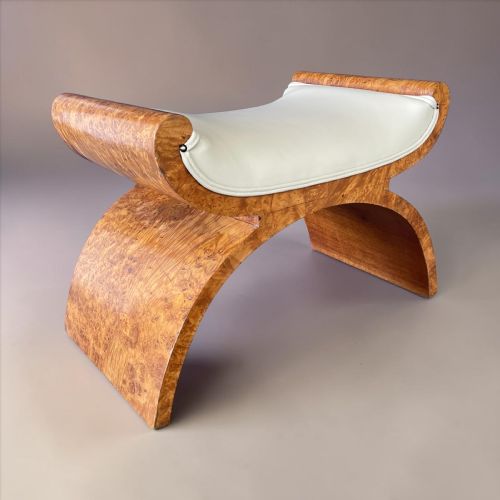
- A specialised timber veneer showing intricate swirling grain patterns derived from walnut tree growths, favoured for decorative Art Deco furniture tops.
- Needlepoint
- A form of counted thread embroidery traditionally worked on canvas to create durable pictorial or geometric top covers for footstools.
- Spiral carved
- A decorative twisting technique applied to wooden table and stool legs, reminiscent of seventeenth-century William and Mary designs.
- Buttoned
- An upholstery method where the fabric or leather is pulled into deep indentations secured by stitched tufts, creating padded diamond patterns.
Vintage Walnut Footstool: Frequently Asked Questions
How do I style a walnut footstool?
Place a vintage walnut footstool beside a low armchair or leather sofa to create an inviting resting place for tired feet. They also function well as small standalone seats or casual coffee tables in compact sitting rooms.
Choose pieces with needlepoint or leather tops to complement traditional spaces, while burr walnut and sleek veneers suit mid-century or eclectic modern interiors.
Were these always used as footstools?
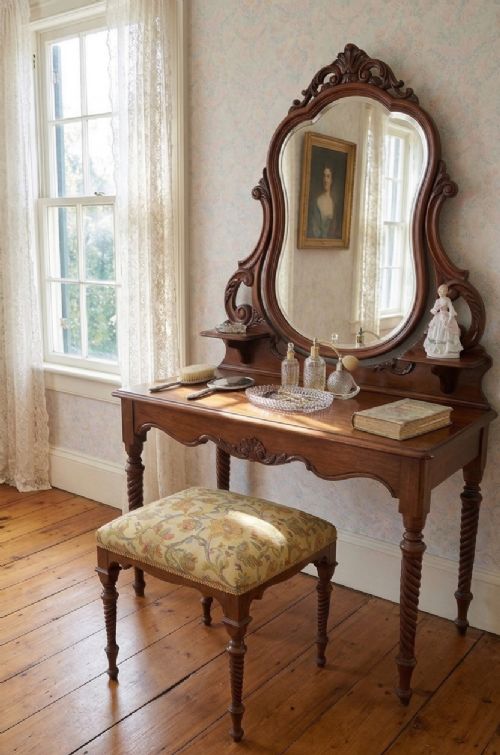
Many walnut low seats served distinct purposes originally, including dressing table stools, piano benches, and fireside footstools. Generously proportioned examples functioned as centre stools or ottomans within large nineteenth-century reception rooms.
Their versatile heights and sturdy timber construction allow them to transition easily between seating and occasional display surfaces today.
How do I distinguish Victorian from Art Deco?
Victorian walnut stools typically feature deep wood carvings, cabriole legs, buttoned leather, or tapestry needlework. Their lines lean toward revival styles like Queen Anne, Rococo, or Scottish Baronial.
Art Deco examples, often associated with makers like Harry and Lou Epstein, showcase smooth burr walnut veneers, geometric forms, and unadorned leather surfaces from nineteen-thirty.
Can I reupholster a vintage walnut stool?
Many pieces survive with historic textiles, while others arrive ready for new upholstery to match your interior scheme. Updating the fabric lets you preserve a solid walnut frame while refreshing the visual impact.
Consult traditional upholsterers who understand period padding techniques, especially when working with nineteenth-century buttoned or sprung frames.