



Vintage Wall Tiles
These vintage wall tiles bring centuries of ceramic artistry straight to your interior, offering authentic painted details and relief surfaces that anchor a room.
Vintage Wall Tiles
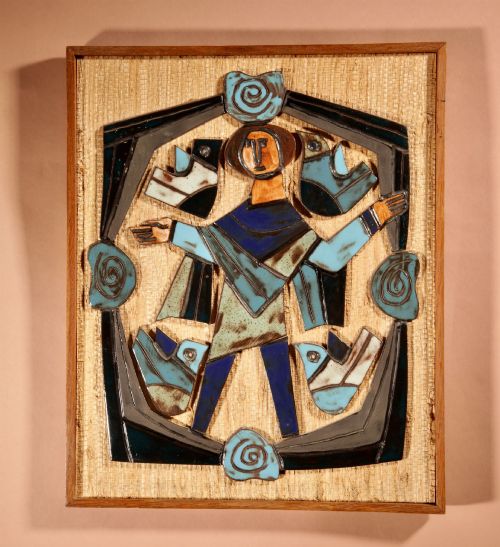
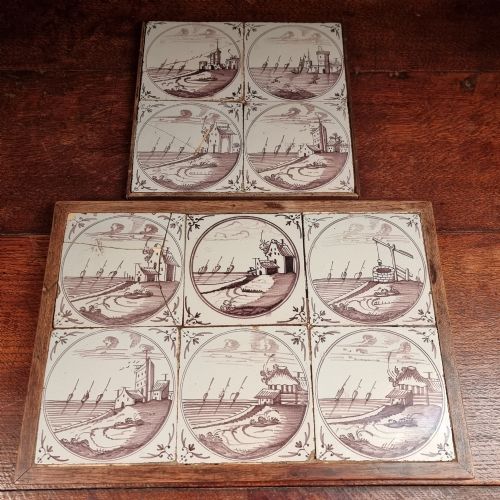
Vintage wall tiles span centuries of ceramic production, ranging from eighteenth century Dutch delftware to mid-century modern relief paintings.
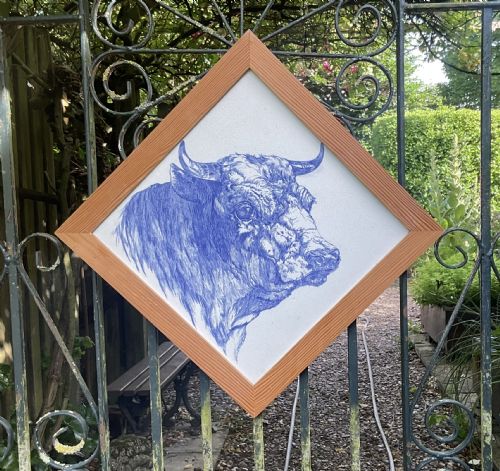
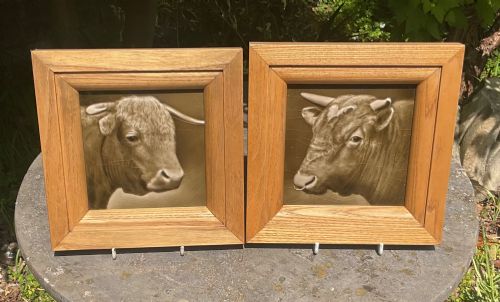
You are likely to encounter framed pairs and individual decorative plaques fashioned from earthenware, porcelain, and tin-glazed earthenware.
The selections on this page draw from Victorian, Edwardian, Art Nouveau, Art Deco, and Republic periods, reflecting diverse international traditions.
How they were made
Maker workshops utilised traditional ceramic and porcelain bodies, applying liquid glazes to seal the surface before firing.
Makers such as Sherwin and Cotton, Mintons, and Longwy shaped clay and porcelain into relief and flat formats, often hand-painting scenes directly onto the glaze.
Some pieces incorporate wood frames and hessian backing to support heavier earthenware and porcelain plaques for wall display.
Vintage Wall Tiles Retail Price Guide 2026
Typical asking prices for vintage wall tiles among the pieces listed under this phrase on Sellingantiques today, from the lower quarter to the upper quarter. They describe what is for sale here now, not the wider market.
Current listings span from eighteenth century Dutch delftware through Victorian earthenware to mid-century modern ceramic paintings.
What varies in quality
Quality rests upon the crispness of the modelled relief, the depth of the glaze, and the precision of the hand-painted brushwork across the surface.
Pieces bearing documented signatures from notable designers like Gio Ponti or recognised potteries like Mintons command greater attention through their artistic pedigree.
Henk Potters·Sherwin and Cotton·Mintons·Longwy·Richard Ginori
The Vintage Wall Tiles Glossary
- Delftware
- Tin-glazed earthenware originating in the Netherlands, typically painted in blue or manganese purple with traditional motifs. This technique defines much of the eighteenth century output.
- Porcelain
- A fine, hard ceramic fired at high temperatures, producing a white and translucent body. It allows for delicate painting and smooth wall plaques.
- Earthenware
- Porous pottery fired at lower temperatures, requiring a glaze to render it waterproof. It forms the robust base for many decorative wall tiles.
- Relief
- Sculptural projection from a flat background surface, used in ceramic art to create depth and shadow. It gives tiles a tactile quality.
Vintage Wall Tiles: Frequently Asked Questions
How do I hang heavy ceramic tiles safely?
Many framed tiles arrive with built-in wooden backing or integrated hanging hardware suitable for standard wall fixings.
Heavier porcelain plaques require secure wall anchors rated for ceramic weight to prevent displacement.
Can these tiles be installed in kitchens?
While historic decorative tiles were often made for architectural placement, many antique and vintage examples function best as framed wall art rather than functional splashbacks.
Moisture and modern adhesives can alter historical glazes and porous earthenware bodies.
How do I identify Art Nouveau tiles?
Art Nouveau examples frequently feature stylised natural forms, including birds, cheetahs, and flowing floral lines typical of the turn of the twentieth century.
Makers from this period utilised rich glazes to emphasise organic contours and fluid movement.