




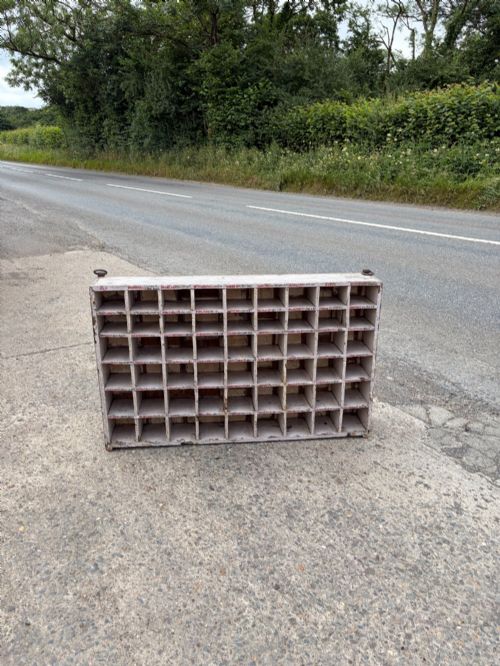
Vintage Wall Storage
Vintage wall storage spans timber cupboards and woven tribal bags that free up floor space while bringing period character to a room.
Vintage Wall Storage
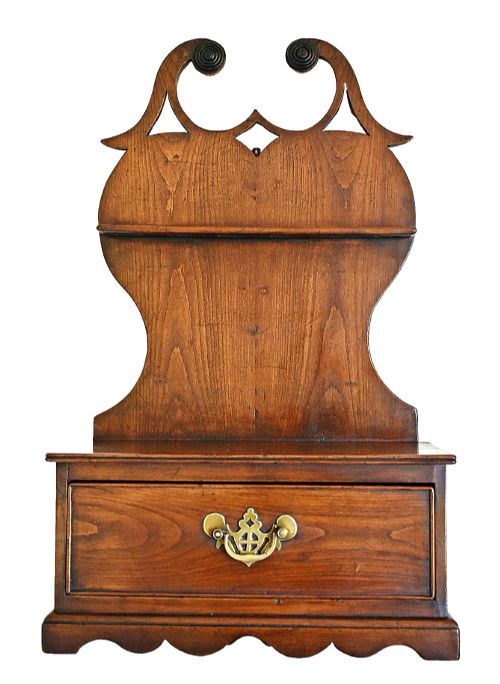
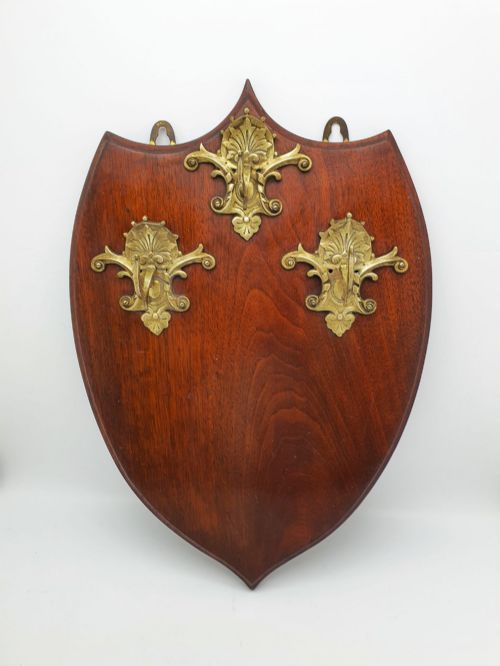
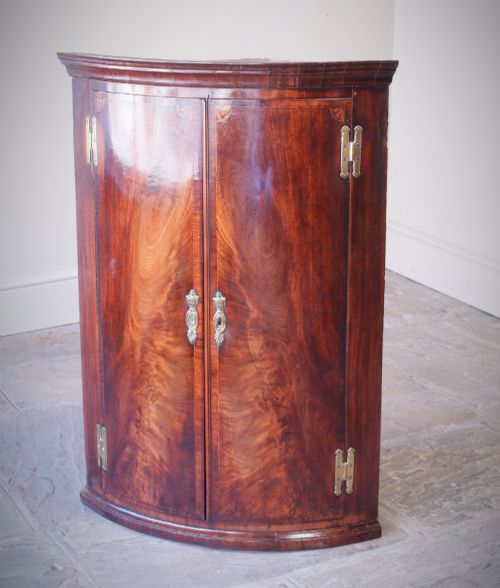
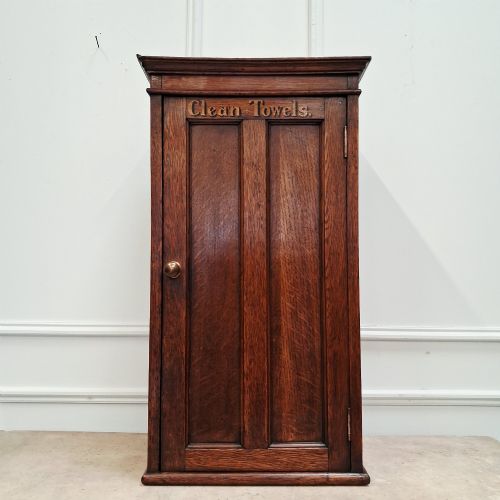
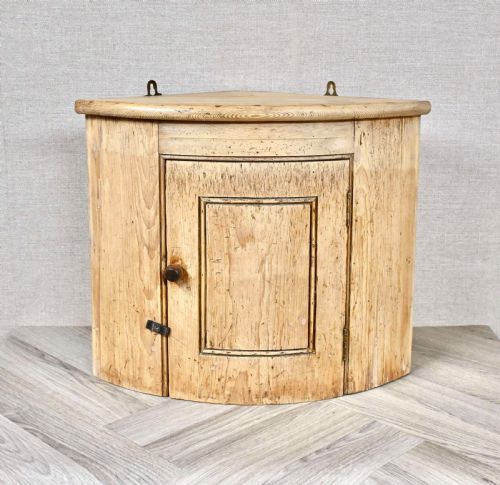
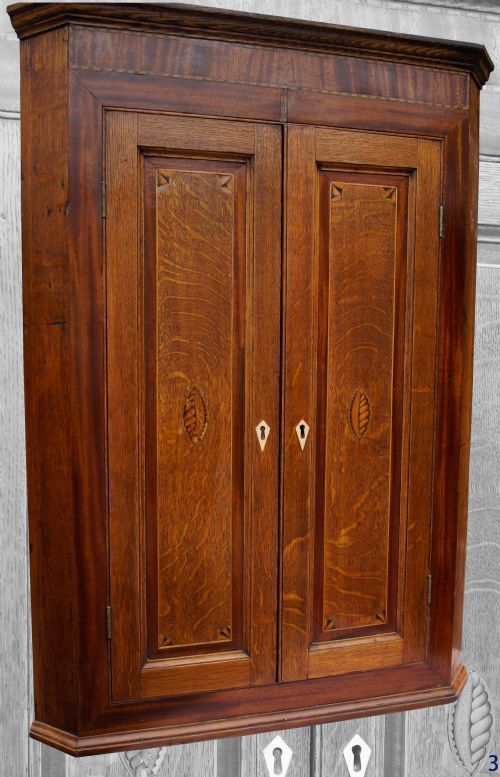
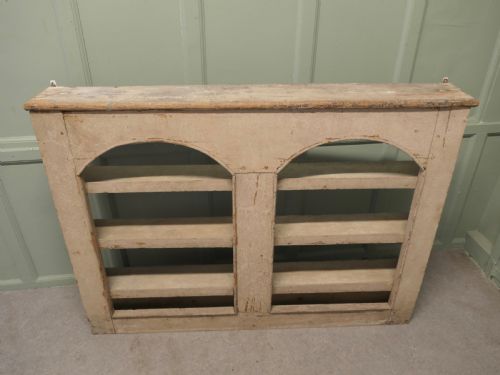
When seeking vintage wall storage, buyers encounter two distinct traditions: rigid timber fixtures and flexible textile hanging bags. The timber pieces comprise Georgian and Victorian corner cupboards, pitch pine tool cabinets, pigeon holes, and coat racks fitted with brass hooks. These originate primarily from British and European domestic workshops.
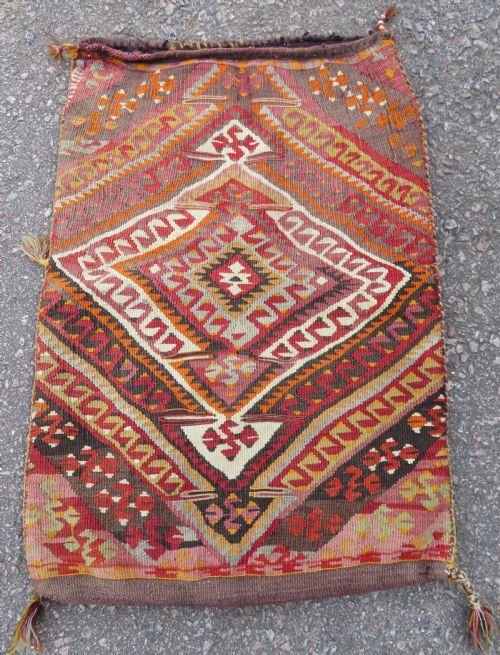
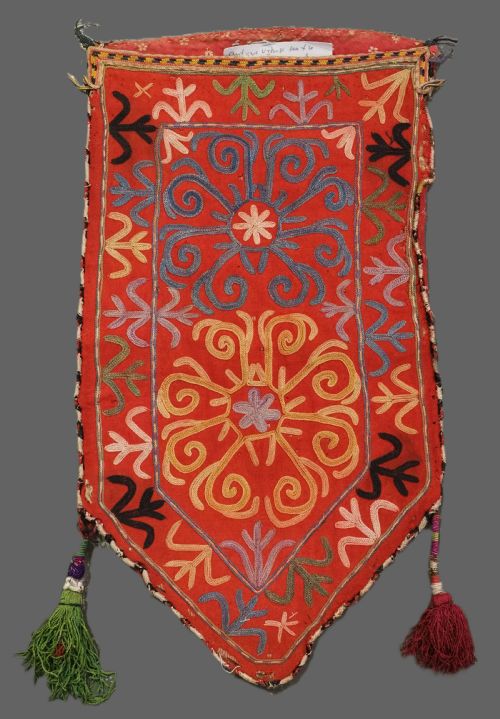
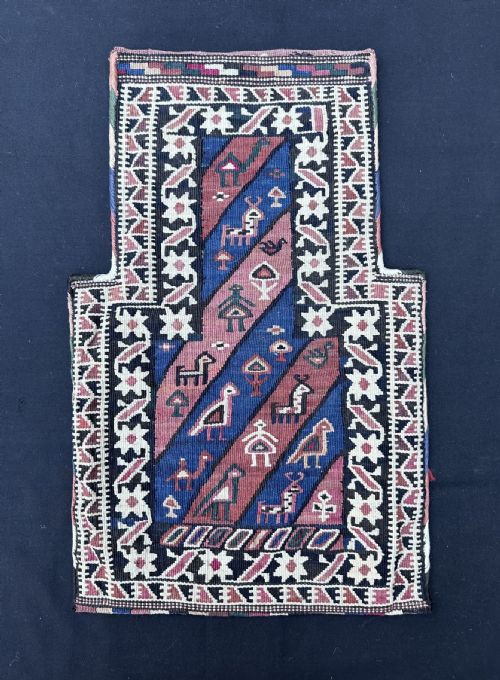
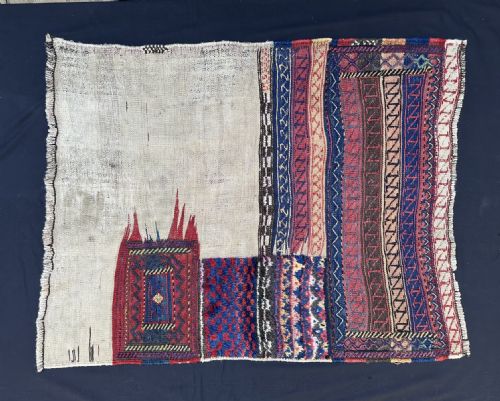
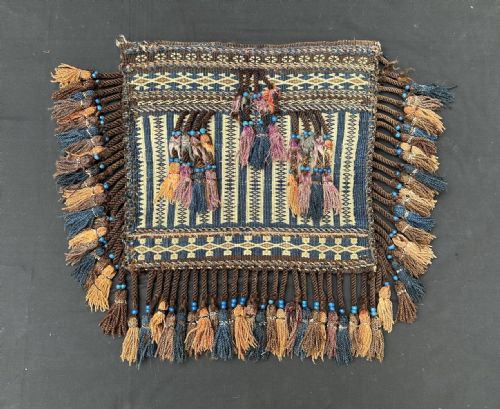
Alongside the woodwork, this category includes Central Asian tribal weavings designed specifically for storage. Pieces such as Turkmen chuvals, torbas, and Uzbek uut kap ilgich items served practical household functions within nomadic tents before entering the decorative market.
Materials and Construction
The timber cabinets and shelves rely on solid hardwoods like mahogany, oak, and walnut, alongside utility softwoods such as pine and deal. Joinery methods range from fine Georgian dovetailing and bow-front shaping to provincial pegged joints in French and English oak.
The textile storage pieces combine wool, cotton, and occasionally brass elements through flatweave and pile techniques. Tribal bag faces often retain original plain weave backs, hanging loops, or mounting fixtures intended for suspension against tent poles or walls.
Vintage Wall Storage Retail Price Guide 2026
Typical asking prices for vintage wall storage among the pieces listed under this phrase on Sellingantiques today, from the lower quarter to the upper quarter. They describe what is for sale here now, not the wider market.
Materials span dense hardwoods like mahogany and oak, utility pine, and hand-spun wool used in traditional Central Asian bag faces.
Evaluating Construction and Age
Quality in wooden wall storage rests on timber selection, original hardware, and structural integrity. Cabinets retain value when brass hinges, mounting plates, and doors remain unmodified from their period of manufacture.
For textile storage, worth depends on the tightness of the weave, wool quality, and the preservation of tribal motifs such as guls. Completeness also matters; bag faces retaining original hanging loops or plain weave backs command greater interest.
The Vintage Wall Storage Glossary
- Chuval
- A large rectangular storage bag produced by Turkmen tribes for household belongings. These were traditionally hung inside yurts.
- Torba
- A smaller storage bag than the chuval, often featuring repeating gul patterns. They were used for organising smaller possessions.
- Uut Kap
- A specialised hanging bag utilised by Central Asian nomads to store bedding or tent bands. They frequently incorporate sturdy hanging loops.
- Bow Front
- A convex curved cabinet front popular in Georgian joinery. This design softens room corners whilst maximising internal storage space.
- Pigeon Holes
- Compartmentalised shelving units designed for sorting documents or post. They reflect practical administrative use from the nineteenth and early twentieth centuries.
Vintage Wall Storage: Frequently Asked Questions
How do I hang a heavy wooden corner cupboard?
Heavy timber cupboards require direct fixing into masonry walls or structural timber studs using appropriate screws and rawlplugs. Due to the weight of mahogany and oak, securing through the internal backboards into a solid wall is essential.
Professional installation ensures the piece safely supports its own weight alongside any stored contents, preventing strain on historical hinges and joints.
Were tribal storage bags meant to be hung on walls?
Nomadic tribes produced these woven pieces primarily to store blankets, clothing, and household goods inside portable dwellings. Many retain original woollen hanging loops specifically designed for suspension.
Today, mounting them on walls protects the textiles from floor wear while displaying the intricate geometric patterns and natural dyes of Central Asian weaving traditions.
How do I clean an antique pine wall cabinet?
Dust timber surfaces regularly with a dry, soft cloth to prevent particle buildup. Avoid modern silicone polishes, which can degrade historic wax finishes over time.
Feed dry pine or mahogany occasionally with a traditional beeswax polish to maintain the natural lustre of the grain without altering the patina.
What is the difference between a torba and a chuval?
The primary distinction lies in their dimensions and traditional domestic utility. Chuvals are larger storage sacks designed for bulky items, whereas torbas are smaller hanging bags.
Both feature distinct tribal motifs, but torbas are generally more compact, making them well-suited for domestic wall display today.