


Vintage Wall Pegs
Vintage wall pegs bring practical organisation to hallways, combining timber backboards with durable brass, ceramic and iron hooks.
Vintage Wall Pegs
Vintage wall pegs span utilitarian cloakroom fittings and decorative wall plaques, taking the form of mounted coat racks, hat trees, and individual hooks designed for daily hallway use. These pieces emerge primarily from the Victorian and Edwardian eras, alongside later Art Deco and 1920s examples.
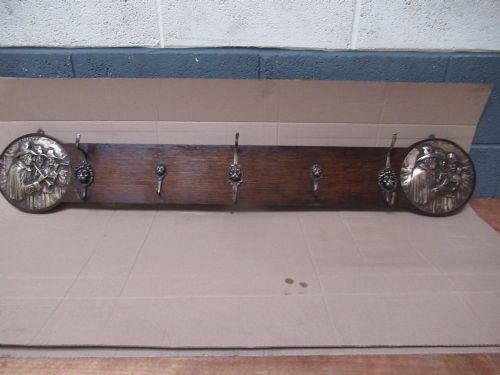
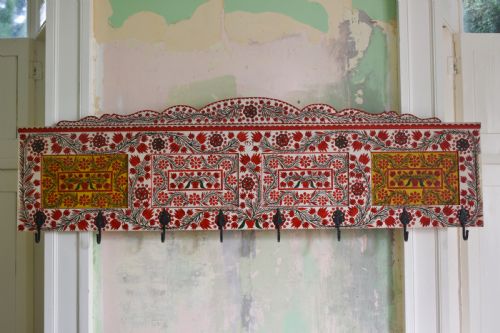
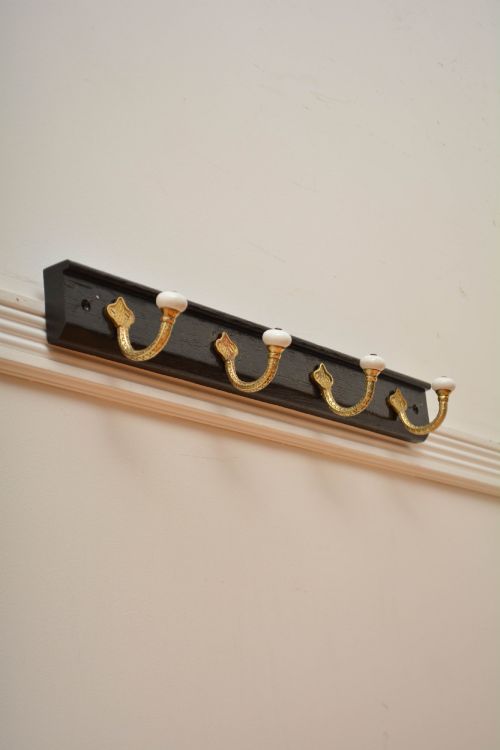
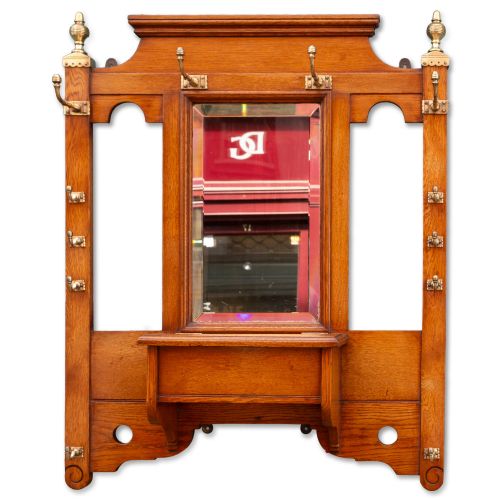
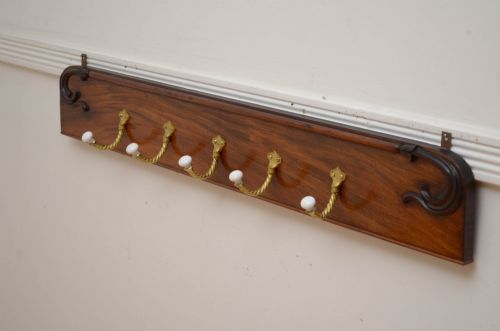
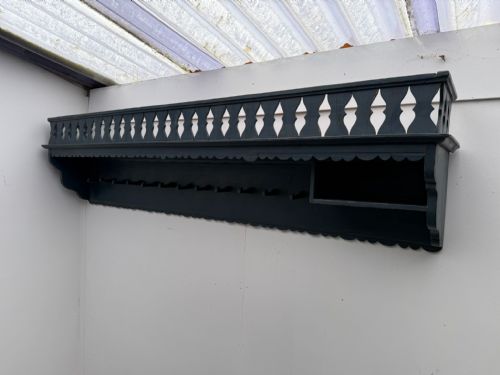
The most common form met on this page is the horizontal timber backboard set with multiple metal or ceramic hooks, designed to hold coats, hats, and umbrellas in domestic entryways. Variations include combinations with integrated wall mirrors, hall stands, and single-hook mounting plaques.
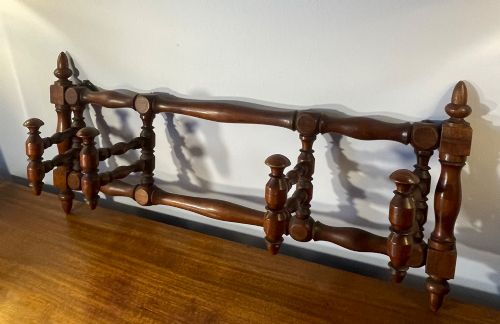
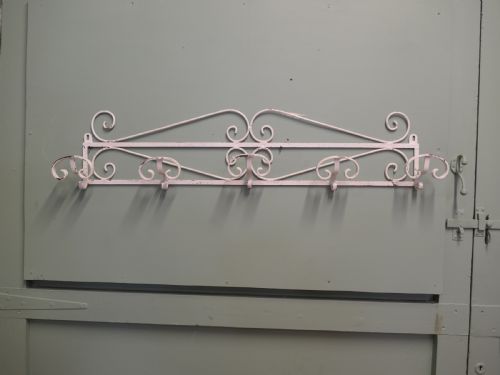
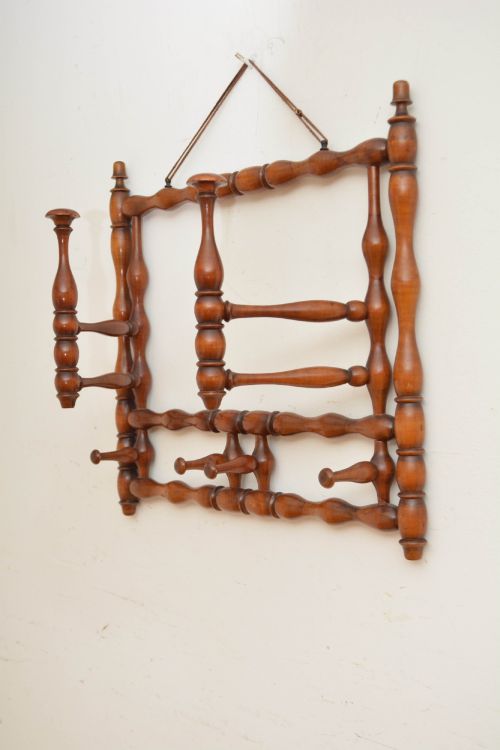
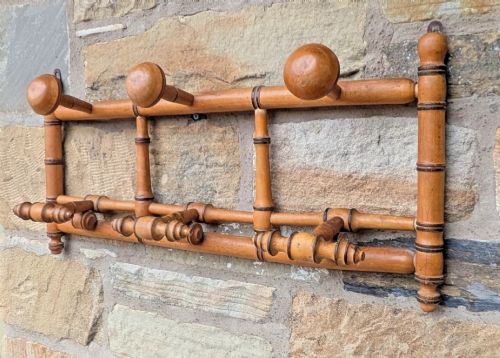
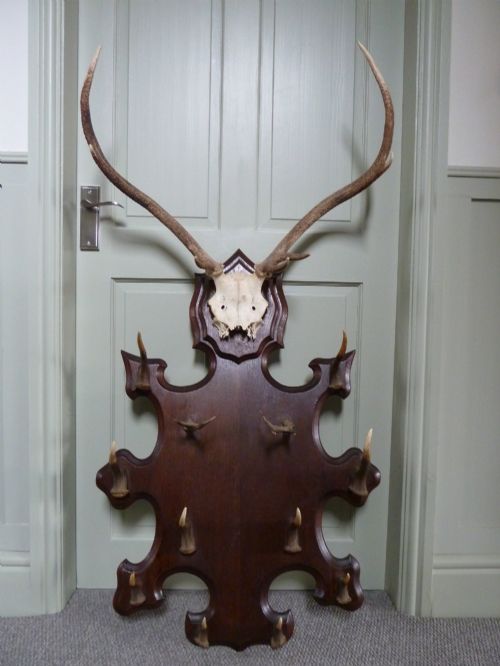
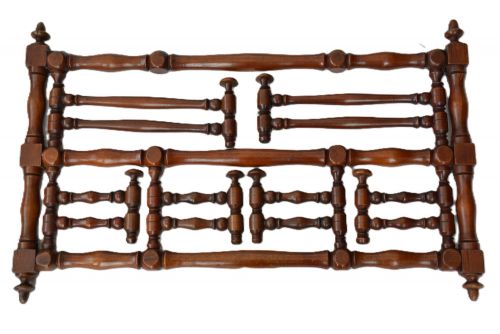
Makers utilised regional styles ranging from French faux bamboo and bobbin turnings to robust English oak and pine country house pieces. Stags' horn, wrought iron, and ebonised wood also appear among the diverse domestic and continental forms.
How they were made
Backboards are fashioned from solid hardwoods and softwoods including mahogany, oak, walnut, beech, and pine, shaped through turning, carving, or ebonising to suit the domestic interior. French pieces frequently employ faux bamboo carving or bobbin turnings to create distinctive decorative frames.
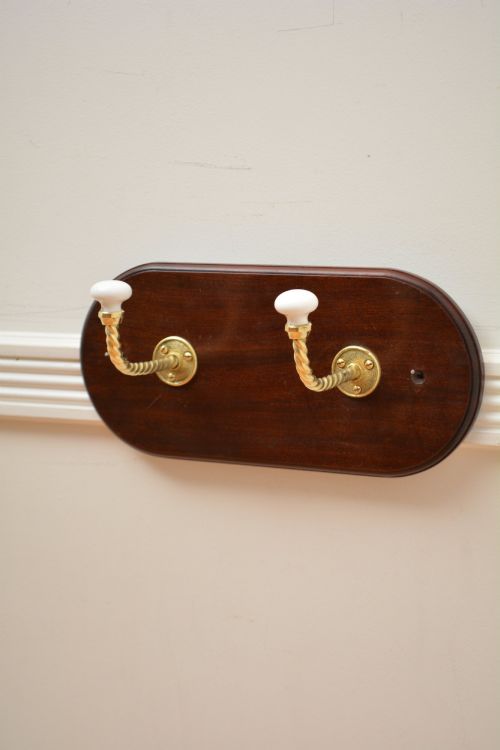
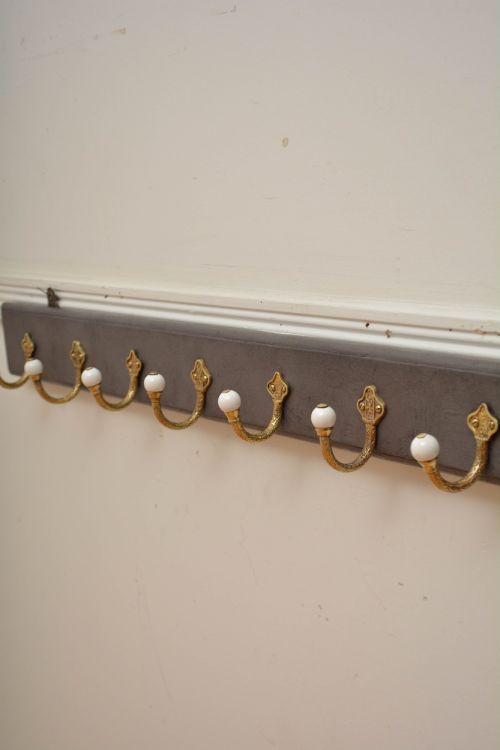
Hooks and mounting plates rely on cast brass, bronze, wrought iron, and glazed ceramic knobs, secured firmly to the timber backing with screws. Many examples integrate porcelain or ceramic tips onto metal arms to protect garments from snags.
Vintage Wall Pegs Retail Price Guide 2026
Typical asking prices for vintage wall pegs among the pieces listed under this phrase on Sellingantiques today, from the lower quarter to the upper quarter. They describe what is for sale here now, not the wider market.
What varies in quality
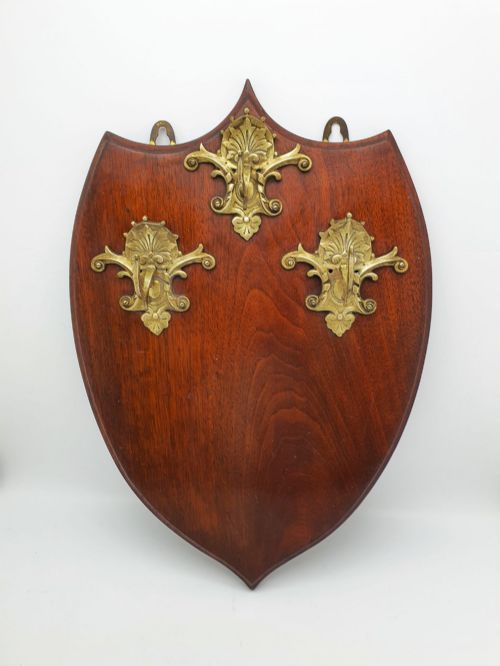
Quality rests in the substance of the timber backboard and the weight of the metalwork, distinguishing solid mahogany or oak mounts with heavily cast brass from lighter pine or pressed metal alternatives. The casting detail on brass plates and the finish of ceramic elements signal superior workshop production.
Integrity of construction and original matching hardware separate standard utility pieces from finer decorative examples. Retaining the complete set of original cast hooks and secure mounting brackets determines the coherence of the piece.
The Vintage Wall Pegs Glossary
- Backboard
- The horizontal or vertical timber plank that supports the mounted hooks and attaches the assembly to the wall. It provides structural rigidity and distributes the weight of hanging garments.
- Faux bamboo
- A decorative technique where wood is carved and painted to imitate natural bamboo stalks. This style gained popularity in French and English furniture during the nineteenth century.
- Ebonised
- Timber treated with a dark stain or chemical finish to imitate ebony. This process was widely utilised during the Victorian period for dramatic contrast against polished brass hooks.
- Bobbin turning
- A form of woodturning characterised by a series of rounded, spool-like shapes carved along the length of a spindle. It appears frequently on decorative nineteenth-century frames and coat racks.
- Cloakroom
- A dedicated hallway or entrance space used for storing outdoor garments. Fixtures designed for these rooms prioritised durability and multiple hanging points.
Vintage Wall Pegs: Frequently Asked Questions
How do I mount a vintage coat rack safely?
Vintage coat racks carry significant weight when loaded with heavy winter garments, requiring secure fixing directly into wall studs or solid masonry.
Utilising appropriate wall plugs and sturdy screws through the pre-drilled holes in the timber backboard ensures the fixture remains stable under daily use.
What materials were used for these hooks?
Makers predominantly cast hooks in brass, bronze, or iron, frequently pairing them with ceramic or porcelain knobs to protect delicate fabrics from damage.
Backboards were constructed from durable timbers such as oak, mahogany, walnut, and pine, chosen to match the woodwork of period entrance halls.
How do I date a wooden coat rack?
Dating relies upon stylistic indicators such as the timber species, manufacturing techniques, and the design of the metal fittings. Victorian and Edwardian pieces often feature heavy ebonised wood or ornate brass castings, while 1920s examples show simpler wrought iron or oak forms.
Can I use these in a modern hallway?
These wall mounted pieces integrate smoothly into contemporary interiors, offering practical storage with authentic period character for modern entranceways.
Their robust construction makes them fully functional for daily hanging requirements while adding traditional craftsmanship to the home.