
Vintage Wall Hanging Glass
These vintage wall hanging glass pieces bring reflective light and period character into a room.
Vintage Wall Hanging Glass
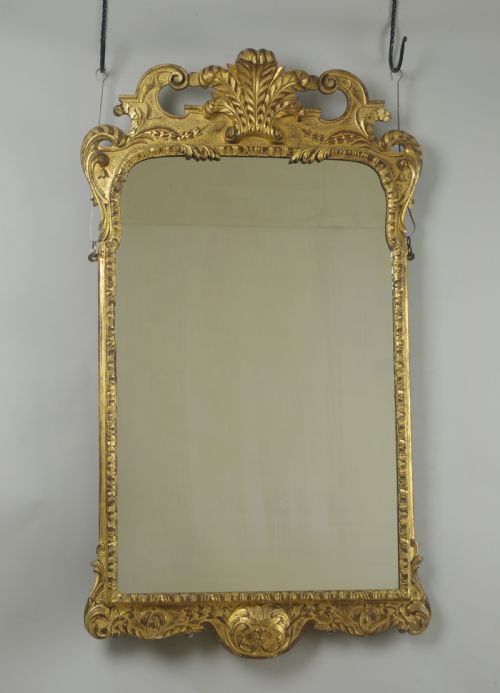
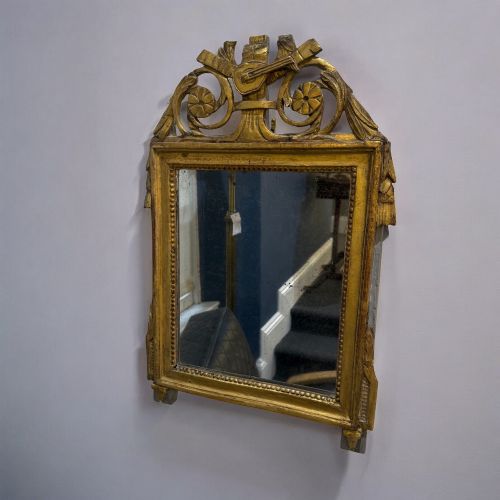
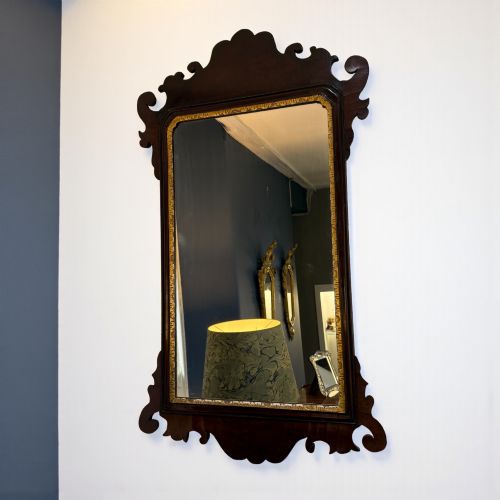
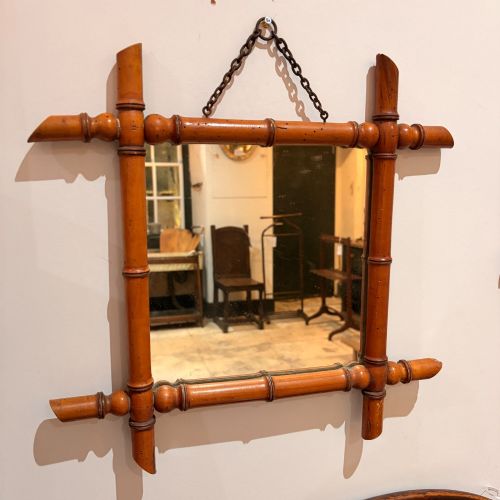
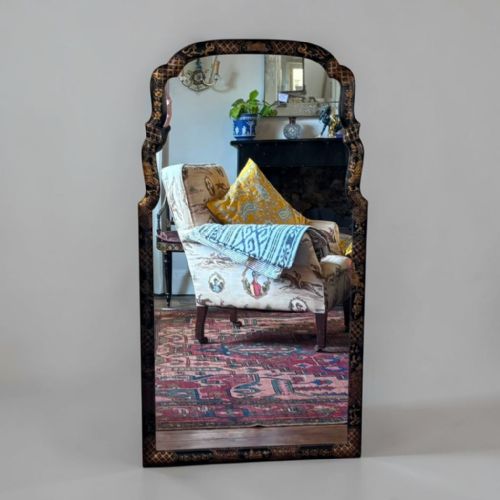
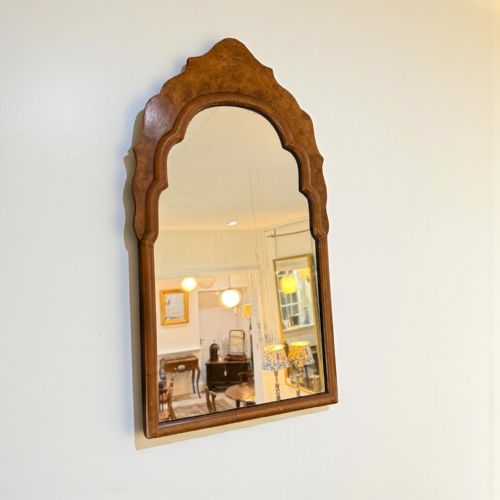
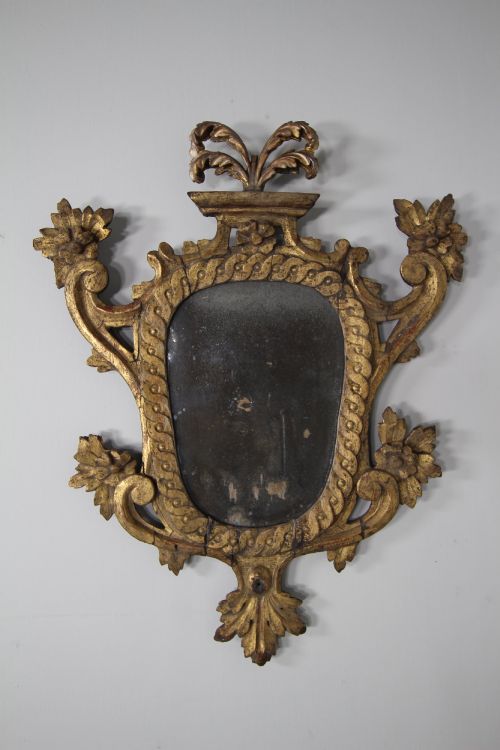
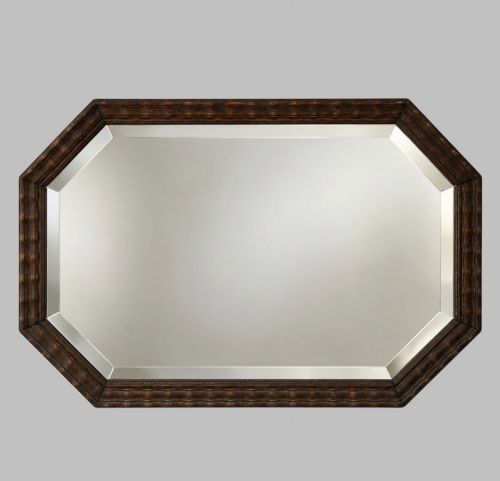
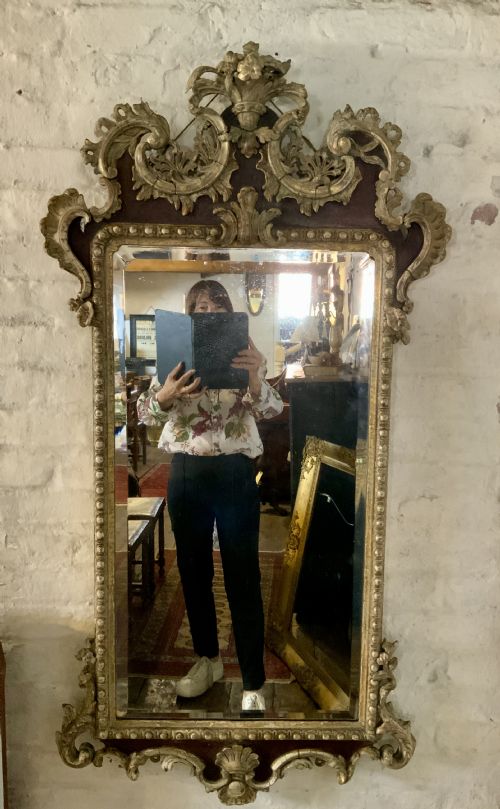
When searching for vintage wall hanging glass, buyers encounter primarily mirrors and barometers framed in wood or giltwood. The selection ranges from Georgian and Victorian designs to Edwardian and Art Deco forms.
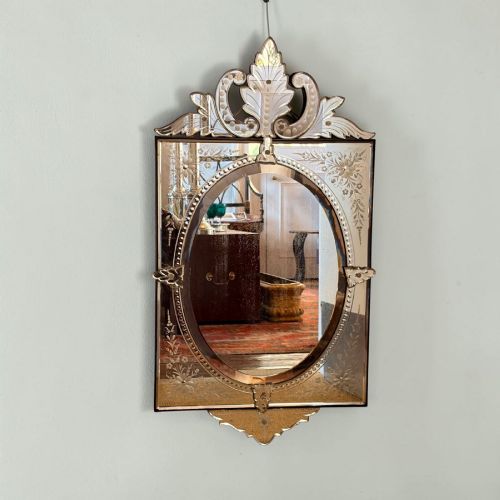
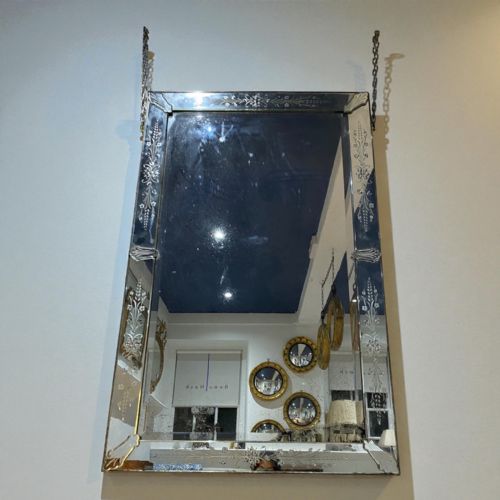
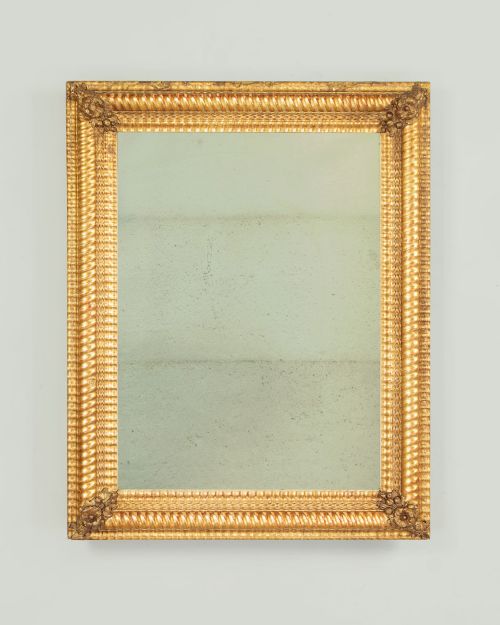
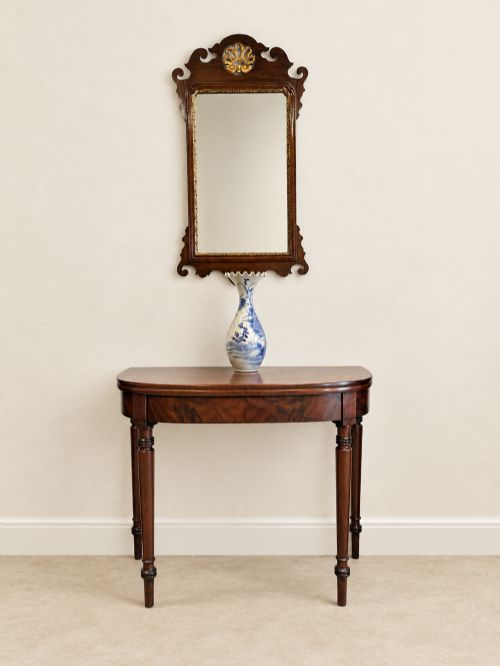
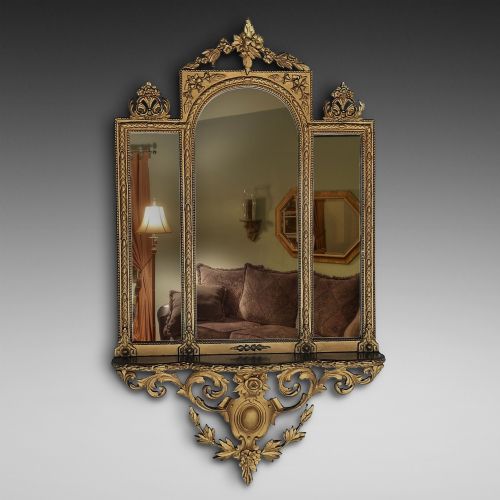
Mirrors dominate the offerings, appearing in oval, rectangular, and pier formats with bevelled or engraved plates. Other glass items include double-sided post office direction signs and glazed cabinets.
The periods span from the eighteenth century through the early twentieth century, incorporating French Rococo Revival, Italian Venetian, and traditional British styles.
How they were made
Frames combine structural timbers such as oak, mahogany, and walnut with decorative elements in gesso, giltwood, and brass. Carvers shaped the wood manually before applying surface gilding or polish.
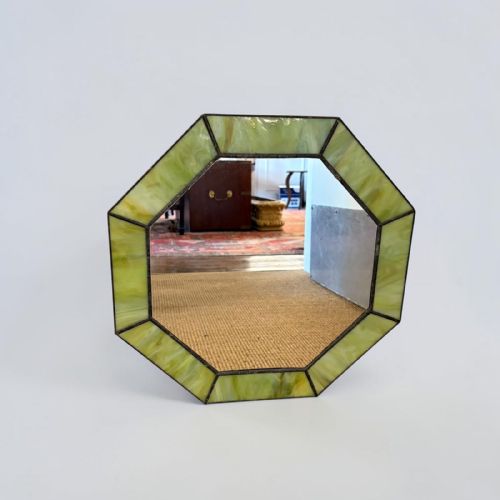
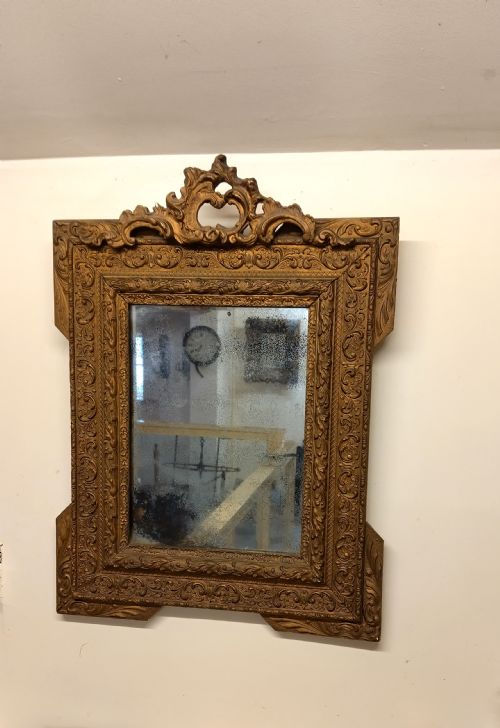
Glass plates vary from early mercury plates to later bevelled and engraved mirror glass. Specialised techniques produced cut and etched decoration, sometimes framed by coloured glass borders.
One unusual survivor is a double-sided glass post office direction sign from the nineteen-twenties.
What varies in quality
Quality rests in the crispness of the carving and the depth of the gilding on the frame. Finer examples show meticulous hand-tooling on gesso and well-figured wood veneers.
The integrity of the glass plate itself defines the standard, with original mercury plates or finely etched Venetian glass holding higher distinction than standard replacements.
Waring & Gillow·Hyde & Sons Sleaford
The Vintage Wall Hanging Glass Glossary
- Mercury plate
- An early mirror glass produced using a tin and mercury amalgam. This method created a characteristic mottled reflection before modern silvering processes took over.
- Gesso
- A plaster-like mixture applied to wood frames to create a smooth surface for carving and gilding. It allows for intricate relief ornamentation.
- Aneroid barometer
- A meteorological instrument that measures atmospheric pressure using a flexible metal box without liquid. These often feature glass dials housed in carved wood banjo frames.
- Pier mirror
- A tall, narrow mirror designed to hang on the wall between windows. They frequently match consoles or tables placed below them.
- Fretwork
- Thin panels of wood cut through with decorative scroll patterns using a fretsaw. This technique is common on eighteenth and nineteenth-century walnut frames.
Vintage Wall Hanging Glass: Frequently Asked Questions
How do I date a mirror?
Examine the construction of the wooden frame, the backboards, and the fixings used to secure the glass. Older pieces often display hand-cut joinery and heavy patination on the timber.
The glass plate itself offers clues, as older mercury plates exhibit characteristic dark specks and uneven reflections compared to modern silvered glass.
Were these always meant for walls?
Most items designed with integrated hanging loops or brackets served primarily as wall furniture. Pier mirrors and small wall cabinets utilised wall space efficiently in period interiors.
Some larger mirrors were originally floor-standing dressing glasses or architectural fixtures adapted later for wall hanging.
How do I clean antique glass?
Use a soft, dry microfibre cloth to remove dust from the glass and frame surface. Avoid spraying liquid cleaner directly onto the glass, as moisture can seep behind the plate and damage the silvering or mercury backing.
Apply mild, non-ammonia cleaner sparingly to the cloth rather than the mirror if stubborn marks require removal.
What is an aneroid barometer?
An aneroid barometer measures air pressure to forecast weather changes using an internal expanding metal chamber. Encased in wood frames with glass faces, these instruments became popular domestic items during the Victorian and Edwardian eras.
They often include thermometers mounted alongside the main dial for additional meteorological readings.