


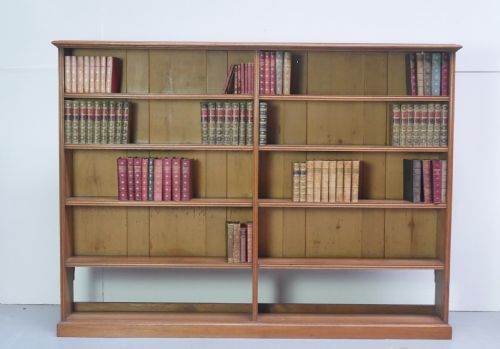


Vintage Wall Bookcase
A vintage wall bookcase saves floor space while keeping your volumes at hand, offering both utility and character.
Vintage Wall Bookcase
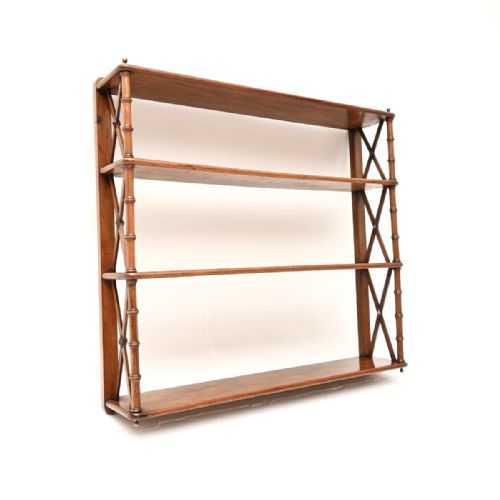
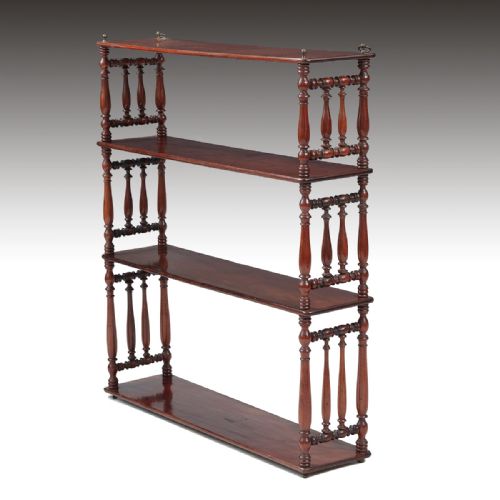
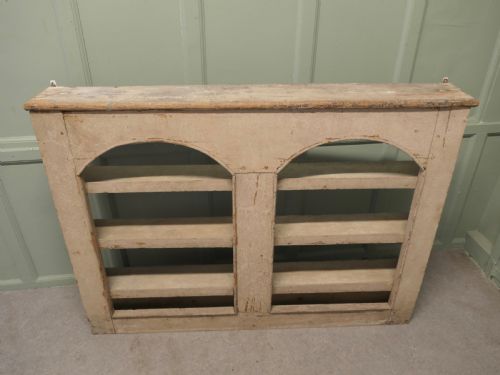
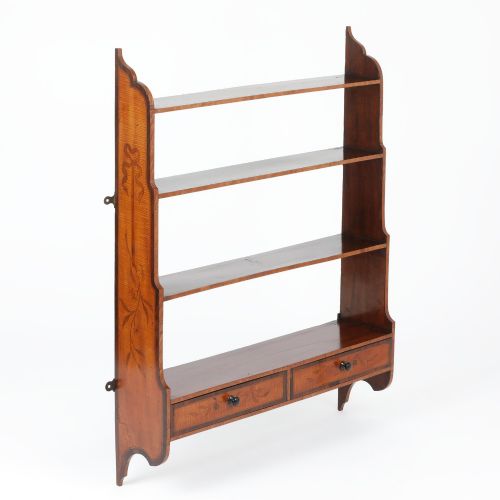
A vintage wall bookcase serves to organise literature and display ornaments off the floor, using vertical wall space efficiently in rooms of any scale. When searching for a vintage wall bookcase, buyers encounter pieces spanning multiple eras from Georgian and Regency forms through to Edwardian and mid-century designs.
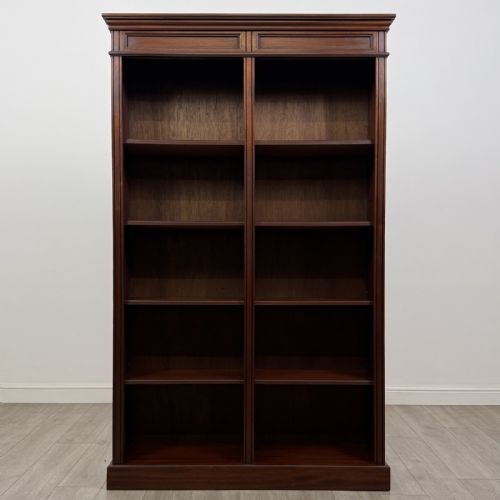
The selections available run from open hanging shelves to glazed wall cabinets and compact cupboards. Mahogany, pine, oak and walnut appear frequently as the primary woods, often complemented by brass fixings or glass doors.
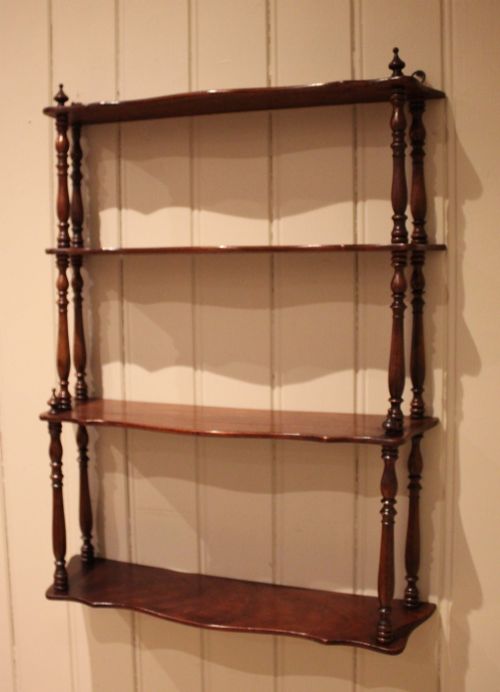
Pieces originating from diverse traditions, including French provincial and Arts and Crafts workshops, provide varied profiles from clean-lined waterfall tiers to carved architectural cornices.
Materials and construction
Cabinet makers utilised dense hardwoods such as mahogany, walnut and oak alongside softer timbers like pine and satinwood to construct these wall units. Joinery methods relied on traditional techniques suitable for items expected to bear the weight of heavy books while suspended from walls.
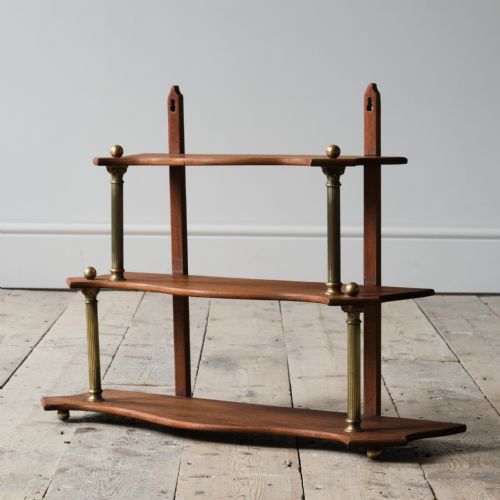
Metal components, particularly brass brackets, hinges and hanging loops, provided structural support and functional hardware. Glazed doors incorporated individual glass panes set within wooden framing, while painted or giltwood finishes added decorative surface layers to specific pieces.
Vintage Wall Bookcase Retail Price Guide 2026
Typical asking prices for vintage wall bookcase among the pieces listed under this phrase on Sellingantiques today, from the lower quarter to the upper quarter. They describe what is for sale here now, not the wider market.
Assessing quality and execution
Excellence in these items rests on the selection of timber and the precision of the joinery rather than mere ornamentation. Finer examples display well-figured wood grains, careful dovetail joints and robust hanging mechanisms designed to secure loaded shelves safely.
Heals·Arthur Simpson
The Vintage Wall Bookcase Glossary
- Waterfall shelves
- Graduated shelving units where each tier is shallower than the one below, creating a cascading silhouette popular in mahogany and satinwood.
- Hanging shelves
- Wall-mounted open shelving designed to hold books or display objects without taking up floor space.
- Alcove shelving
- Shelving units custom-fitted or proportioned to sit within architectural wall recesses.
- Whatnot
- A multi-tiered open piece of furniture used for displaying ornaments and small books, often adapted for wall hanging.
- Glazed wall cabinet
- A wall-mounted storage unit featuring glass-fronted doors to protect contents from dust while allowing visibility.
Vintage Wall Bookcase: Frequently Asked Questions
How do I hang a heavy wooden wall bookcase?
Hanging a heavy wooden wall bookcase safely requires locating wall studs or using heavy-duty wall anchors appropriate for the weight of the timber and books. Screwing directly through the backboard into structural supports ensures the piece remains secure.
Professional installation is recommended for larger mahogany or oak cabinets to prevent strain on the original antique brass hanging brackets.
Are the shelves adjustable on these antique bookcases?
Many Edwardian and Victorian pine or hardwood bookcases feature adjustable shelves supported by wooden pegs or metal track systems. This allows the internal height to be altered for different book sizes.
Fixed shelves remain common in earlier Georgian and Regency hanging units where structural rigidity took priority.
Can these wall cabinets support heavy volumes?
Construction materials dictate capacity, with dense hardwoods like oak and mahogany handling heavier loads than lighter pine or satinwood frames. Checking the depth of the shelves and the condition of the wall fixings ensures safe usage.
Lighter volumes and display items suit smaller waterfall shelves and glazed display cabinets best.
How do I date a vintage wall bookcase?
Dating relies on examining timber species, construction joints, backboards and hardware styles across periods like Regency, Victorian and Edwardian. Hand-cut dovetails and specific wood selections often indicate earlier Georgian or 19th-century origins.
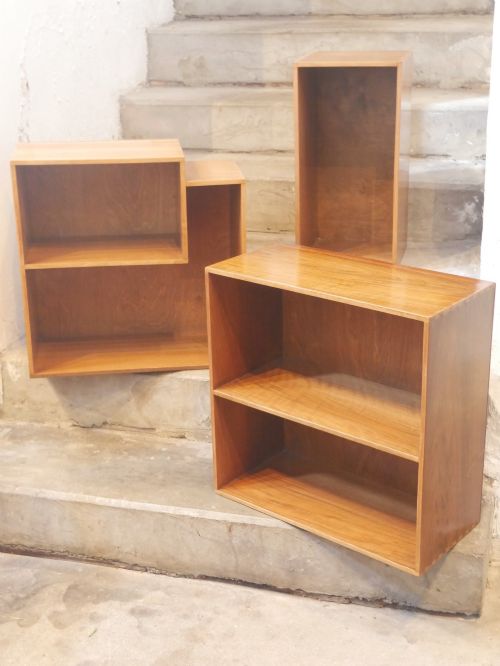
Later pieces from the 1920s and 1950s introduce alternative woods like teak and simpler structural formats.