
Vintage Vitrine
A vintage vitrine brings light and proportion to a room, offering a dedicated stage for collections behind glazed timber doors.
Vintage Vitrine
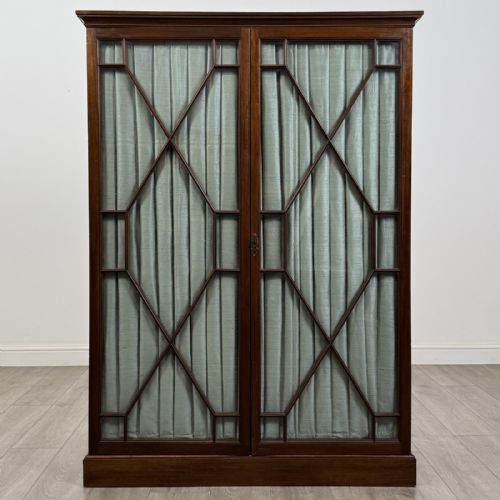
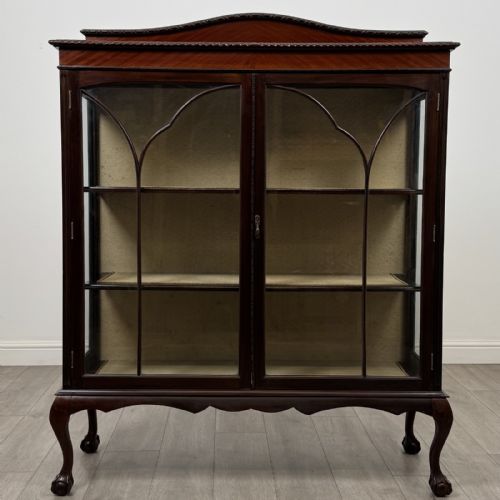
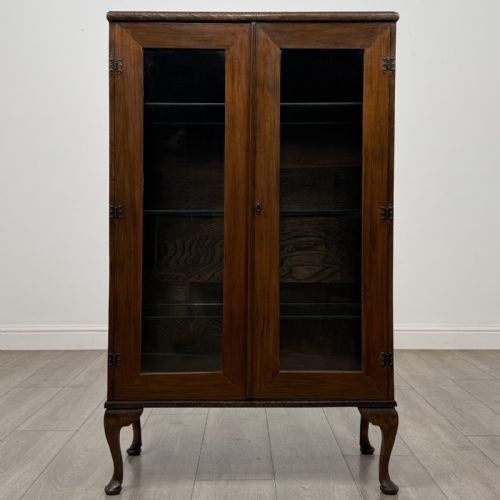
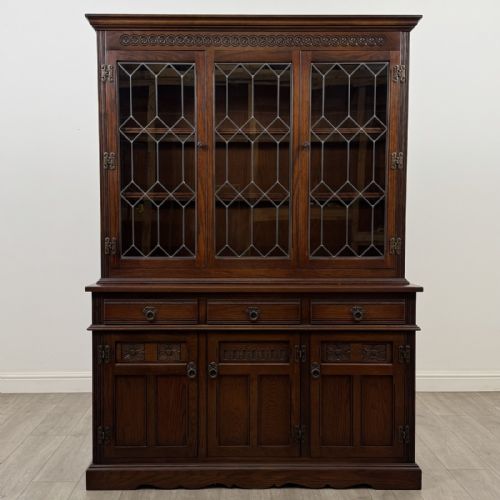
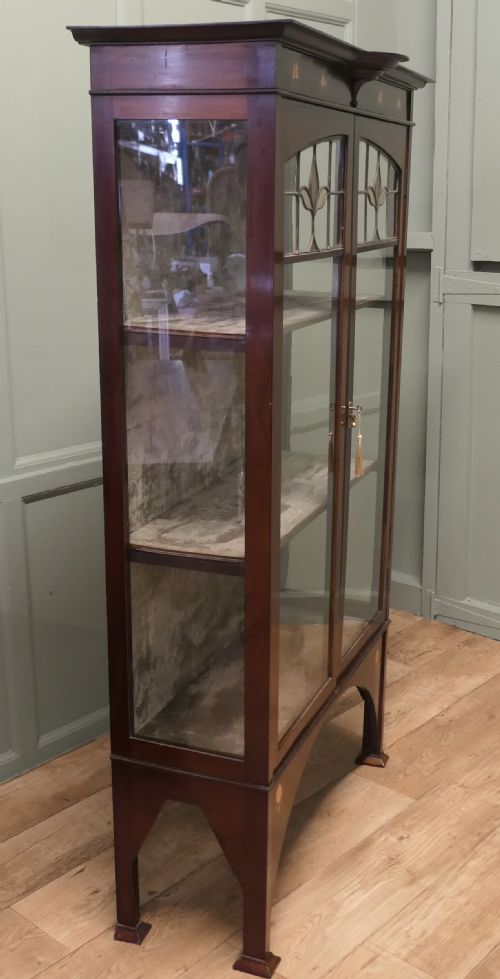
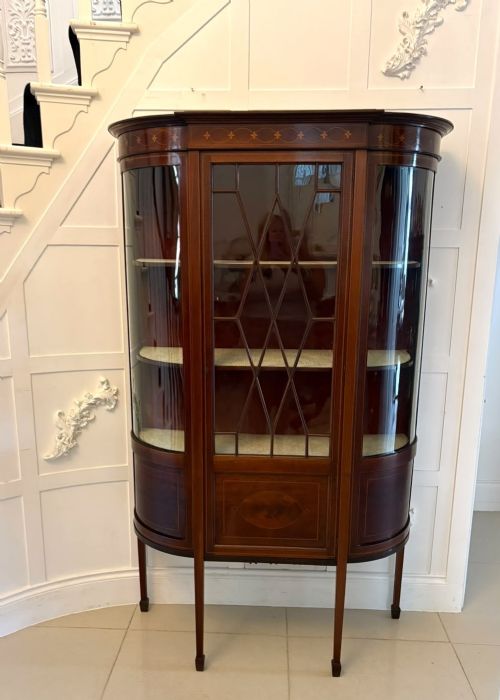
A vintage vitrine bridges the gap between functional storage and refined exhibition, housing porcelain, silver and curiosities within wooden frames. Buyers searching this phrase encounter examples stretching from the nineteenth century through the Edwardian era and into the Art Deco period.
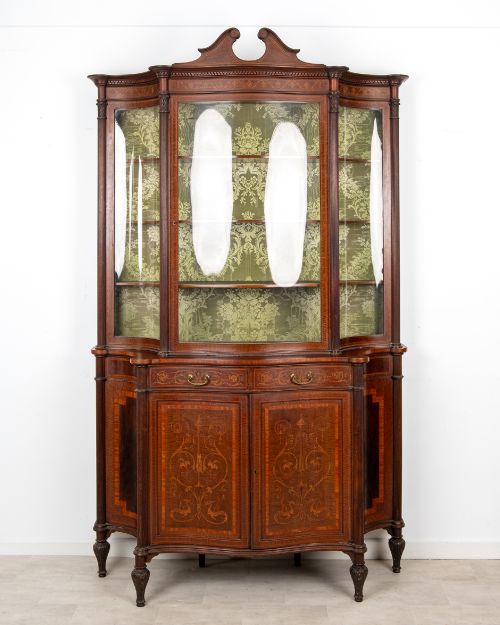
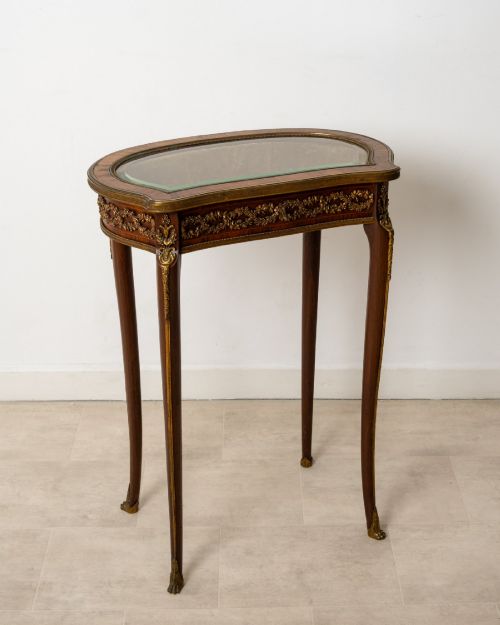
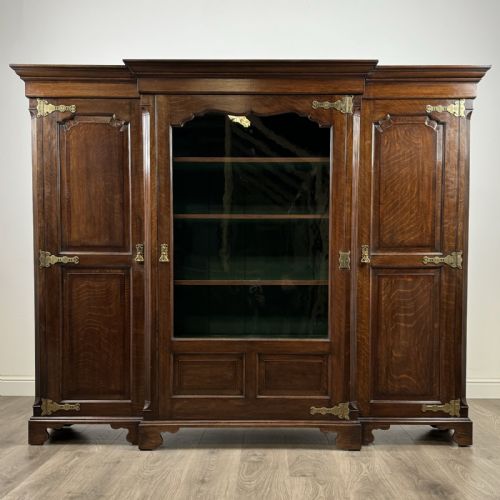
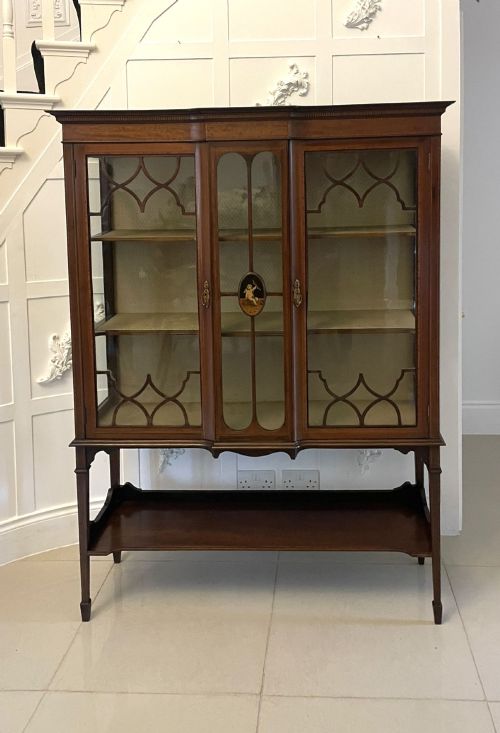
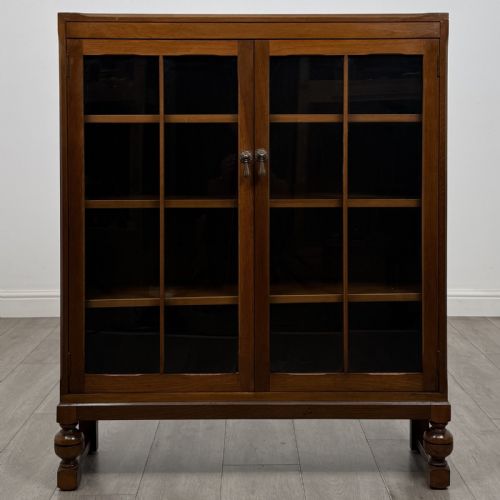
The Edwardian iterations dominate the selection, frequently rendered in mahogany with satinwood inlay, bow fronts, and slender legs. Alongside these stand robust oak cabinets, walnut pieces, and French revival models incorporating gilt bronze mounts.
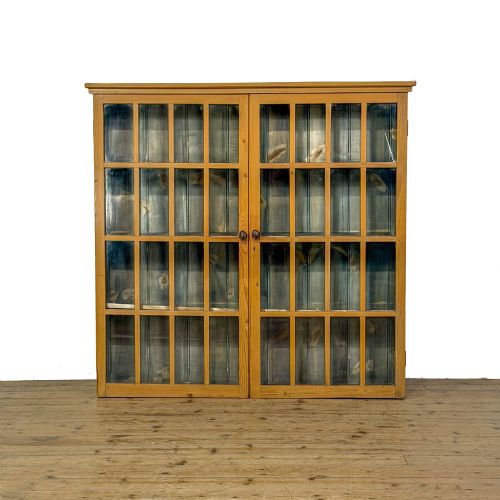
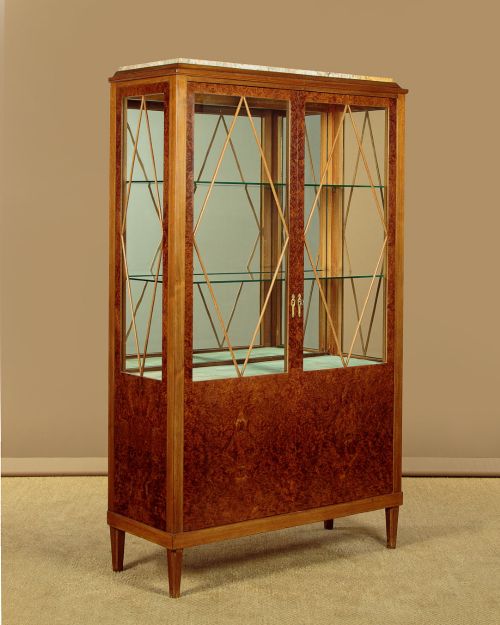
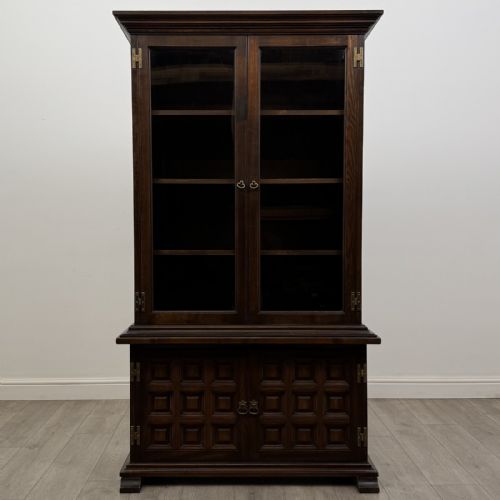
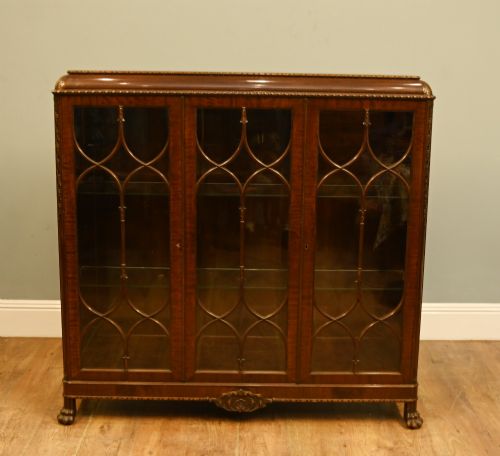
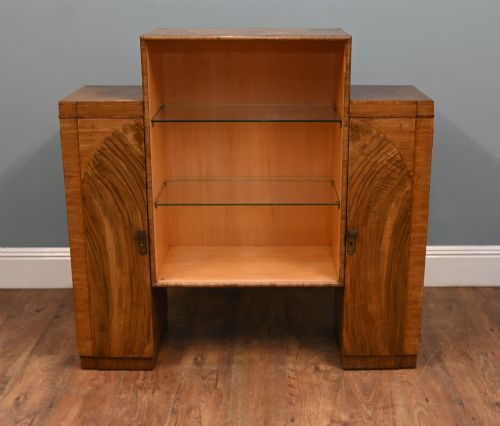
Forms vary from tall bookcase hybrids and serpentine corner units to dedicated display tables and low countertop vitrines. Each variant provides visible containment designed to protect treasured objects from dust while keeping them entirely in view.
Materials and construction
Timber selection dictates the character of these cabinets, utilising dense hardwoods such as mahogany, walnut, and oak alongside lighter satinwood and exotic kingwood veneers. Cabinets often incorporate brass handles, lead framework for glass panels, and occasionally marble tops.
Joinery methods rely on traditional framing for glazed doors and side panels, supporting glass shelves or wooden tiers inside. Decorative flourishes include inlaid stringing, carved panels, and cast metal mounts that complement the primary wood grain.
Listings feature periods spanning from the nineteenth century through Edwardian designs to 1930s Art Deco.
Evaluating craftsmanship and detail
Quality rests in the precision of the timber work, from the crispness of inlaid satinwood banding to the careful matching of figured walnut grain across double doors. Superior cabinets display harmonious proportions and seamless integration of glazed panels into solid wood frames.
Hardware and secondary materials further distinguish the tiers of production, separating standard utility pieces from fine workshop output. Hand-chased mounts, polished brass fittings, and well-executed structural carving indicate a higher standard of manufacture.
Maple and Co·F Sage and Co·François Linke
The Vintage Vitrine Glossary
- Vitrine
- A glass-fronted cabinet designed specifically for the display of fine objects and porcelain. The term derives from the French word for glass.
- Satinwood
- A durable, lustrous timber from tropical trees yielding a pale yellow wood often used for decorative banding and inlay work. It contrasts sharply with darker woods like mahogany.
- Bombe
- A swelling, outward-curving profile found on the base or lower section of certain continental cabinets. This shape requires advanced cabinet-making skill to execute in veneer.
- Ormolu
- Gilded bronze mounts applied to furniture for decorative effect, prevalent in French revival pieces. The technique involves coating bronze in a mercury and gold amalgam before heating.
- Inlay
- A decorative technique where pieces of contrasting wood, shell or metal are fitted into recesses cut into the primary surface. This creates flat, ornate patterns across doors and friezes.
Vintage Vitrine: Frequently Asked Questions
How do I style a vitrine?
Arrange collections with varying heights and materials inside the cabinet, utilising the glass shelves to let light pass through.
Keep groupings uncluttered so the timber frame and glass panels remain the primary focus of the piece.
Are glass shelves original?
Many Edwardian and later cabinets utilise original glass shelving supported by wooden or metal brackets.
Replacements do occur to ensure safe weight bearing for modern collections of heavy ceramics or glassware.
How do I clean the interior?
Use a soft, dry cloth for wooden surfaces and standard glass cleaner applied to a cloth rather than sprayed directly near the wood.
Take care around delicate inlay work and antique brass handles during routine dusting.
Can these hold heavy books?
Display cabinets with glass doors and delicate legs suit lighter volumes, porcelain, and decorative objects rather than heavy reference sets.
Heavier books are better suited to dedicated bookcases built with reinforced wooden shelving.