





Vintage Village Artwork
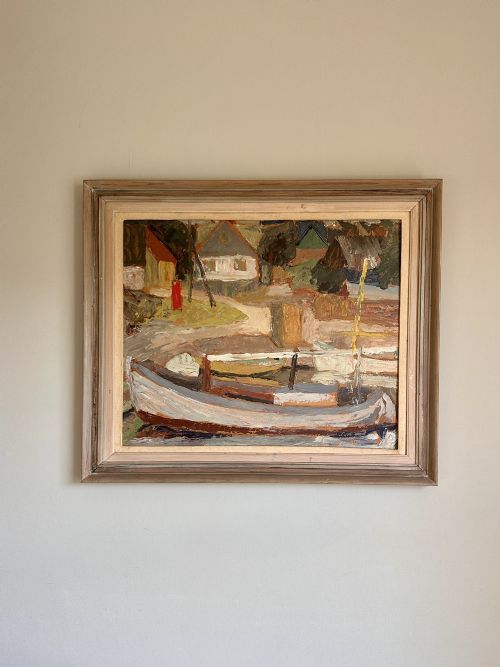
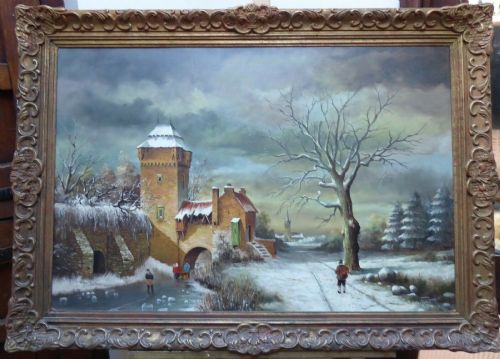
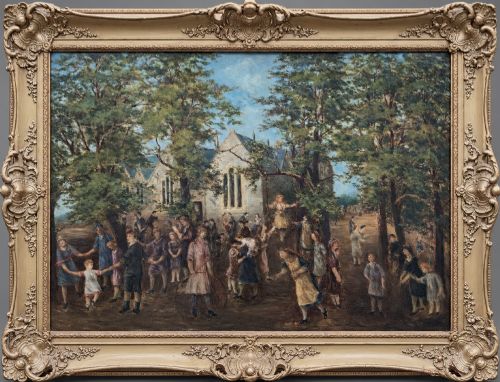
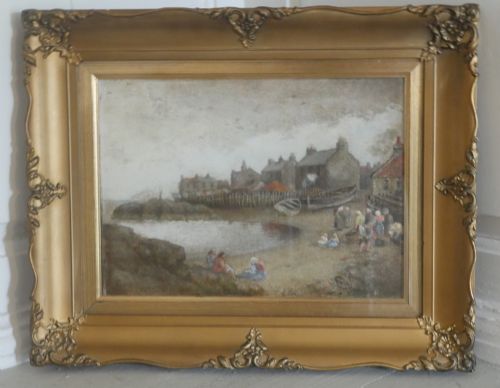
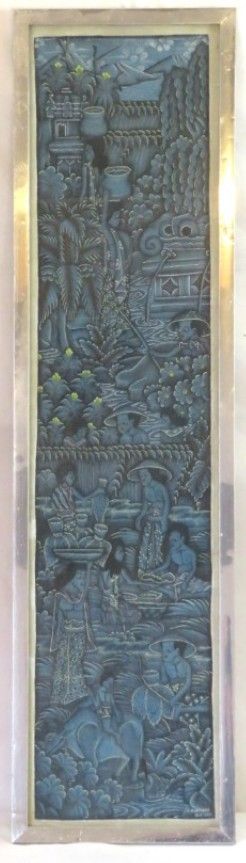
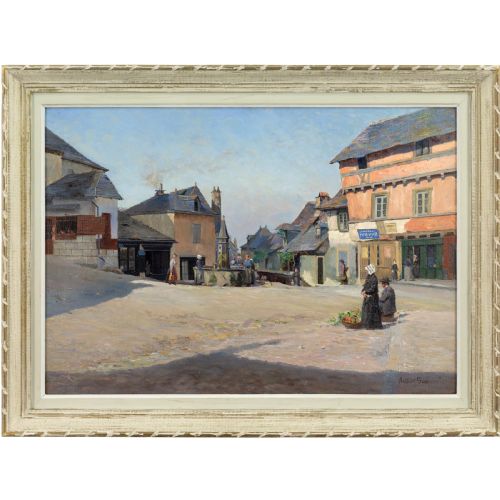
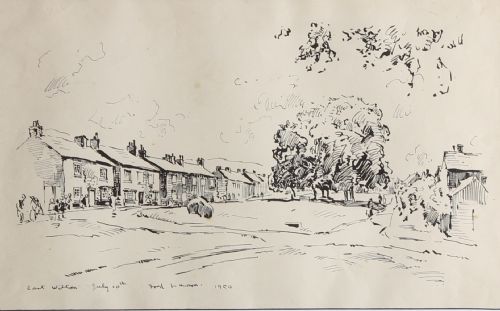
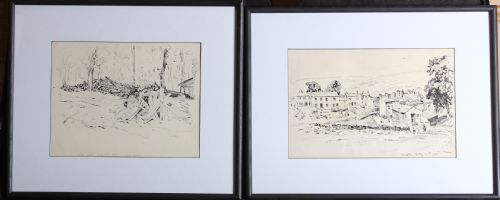
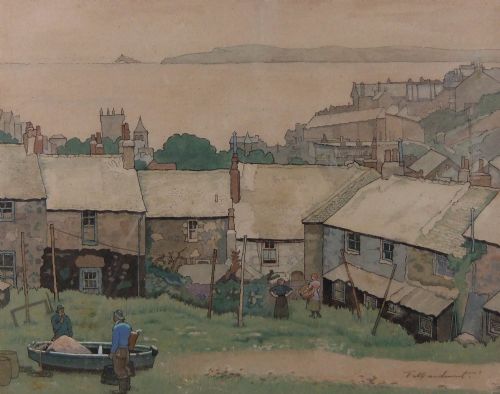
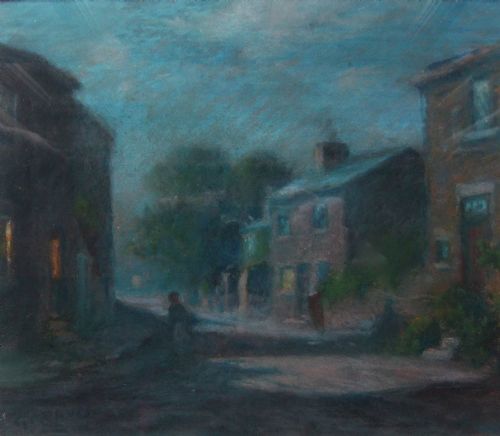
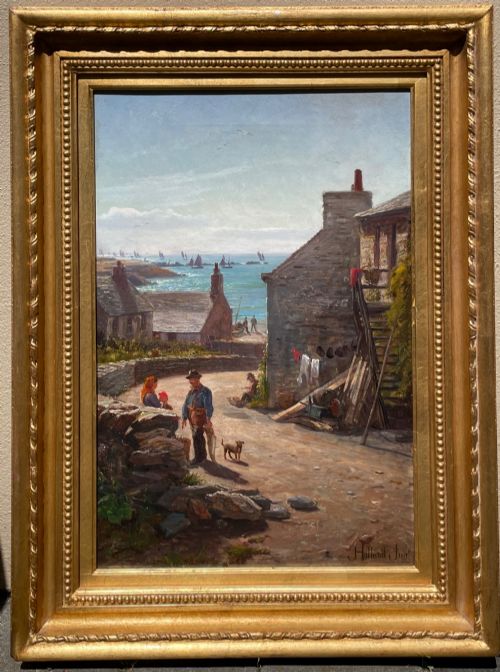
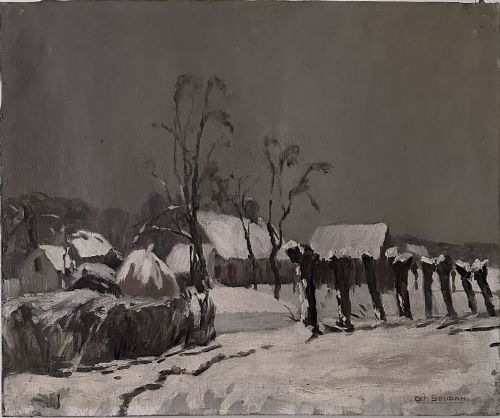
These vintage village artwork pieces capture rural life through oils, watercolours and pastels spanning the nineteenth and twentieth centuries.
Vintage Village Artwork
When you search for vintage village artwork, you encounter painted scenes of rural settlements, coastal harbours and country lanes. These pieces range from early twentieth-century British watercolours to continental oil paintings.
The selections on this page lean heavily toward framed watercolours and oil paintings on canvas or panel. Many depict specific British localities, alongside continental and overseas village scenes.
Subjects include church gatherings, horse-drawn hay wagons, harbour fleets and village streets. The period spans Edwardian works back to the nineteenth century and forward into the nineteen-fifties.
How They Were Made
Artists utilised oil paint applied to canvas, panel or board to build textured rural scenes. Watercolours on paper, often combined with ink, gouache or pastel, capture lighter atmospheric townscapes and landscapes.
Support materials include paper, wood panels and stretched canvas housed in gilded or simple wooden frames. Glass frequently protects the works executed on paper.
Vintage Village Artwork Retail Price Guide 2026
Typical asking prices for vintage village artwork among the pieces listed under this phrase on Sellingantiques today, from the lower quarter to the upper quarter. They describe what is for sale here now, not the wider market.
Materials span paper, wood, glass, gilded wood, canvas, and various paint types including oil, watercolour, pastel, and gouache.
What Varies in Quality
Quality rests upon the artist's ability to render light, atmosphere and perspective within the settlement or landscape. Stronger pieces display confident brushwork and secure composition rather than formulaic execution.
The handling of medium distinguishes finer works, whether through luminous oil glazes or controlled watercolour washes. Provenance and identified geographic locations also elevate the interest of a piece.
Edward Mills·Arthur Gué·Fred Lawson·Thomas Maidment·Paul-Élie Gernez·John Holland·William Greaves·George Turland Goosey·Mario Pinetti·Arthur Tucker·Anne Dorrien Smith·M. C. Hider·Charles Vickers·Louie Stanley Maurice Prince·George Gregory·John Smith Atherton·Joseph W. Milliken·Frank Wood·Percy Brooke·David Woodlock·V. Zirakian·Ruth Prowse·William Lee Hankey
The Vintage Village Artwork Glossary
- Watercolour
- A paint consisting of pigment suspended in a water-soluble binder. It is traditionally applied to paper to create transparent washes of colour.
- Oil on Canvas
- Pigments mixed with an oil medium applied to stretched woven fabric. This technique allows for rich colour blending and textured brushstrokes.
- Pastel
- A medium in the form of a stick, consisting of powdered pigment and a binder. It produces velvety coloured marks on textured paper.
- Gouache
- A water-based paint similar to watercolour but made opaque by the addition of a white pigment. It creates flat, solid areas of colour.
Vintage Village Artwork: Frequently Asked Questions
What periods do these pieces date from?
The works span from the nineteenth century through the Edwardian era and into the mid-twentieth century.
Dating relies on stylistic conventions, framing, and recorded artist active dates.
How should I hang these artworks?
Keep watercolours and pastels away from direct sunlight to prevent fading of the paper and pigments.
Ensure frames are securely hung using appropriate wall fixings suited to the weight of the wood and glass.
What subjects are most common?
Common subjects include rural village streets, coastal fishing harbours, agricultural landscapes and town squares.
Many pieces record specific named locations across Britain and overseas.
How do I identify watercolours from oils?
Watercolours are painted on paper and generally displayed behind glass to protect the delicate surface.
Oils utilise canvas or wooden panels with textured paint layers that do not require glass protection.