

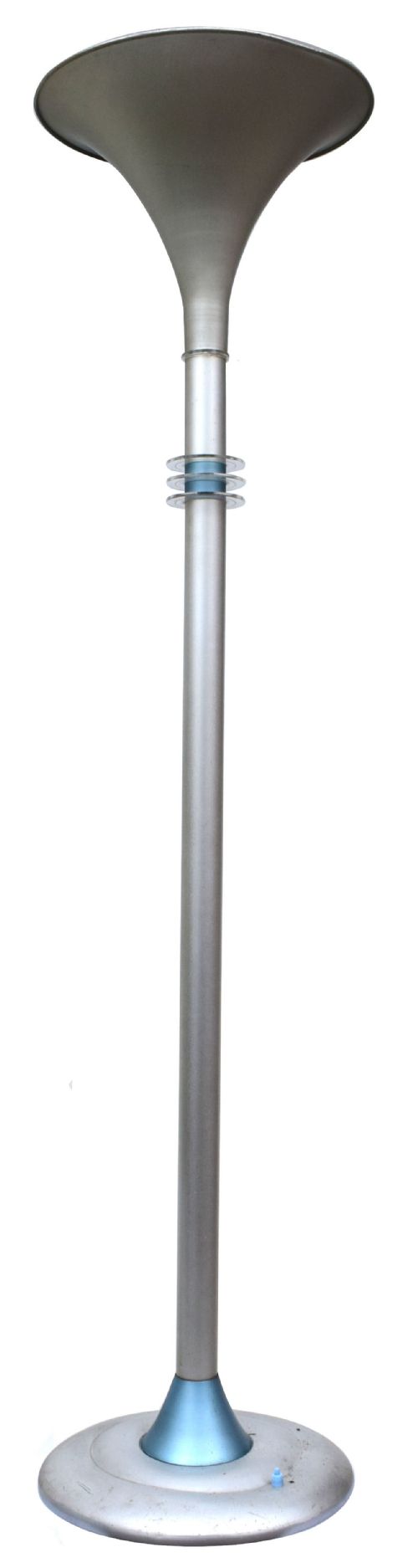


Vintage Uplighter Lamp
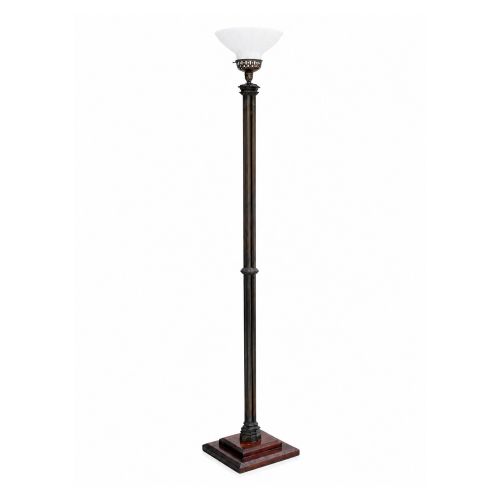
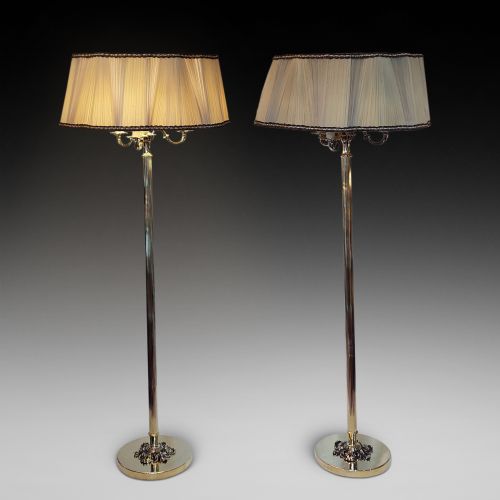
These vintage uplighter lamp pieces cast light toward the ceiling to warm a room, spanning styles from Edwardian brass to Art Deco chrome.
Vintage Uplighter Lamp
A vintage uplighter lamp directs illumination upwards to create soft, ambient light in a room. When you search for this phrase, you encounter pieces designed to stand on the floor, mount to walls, or sit upon tables.
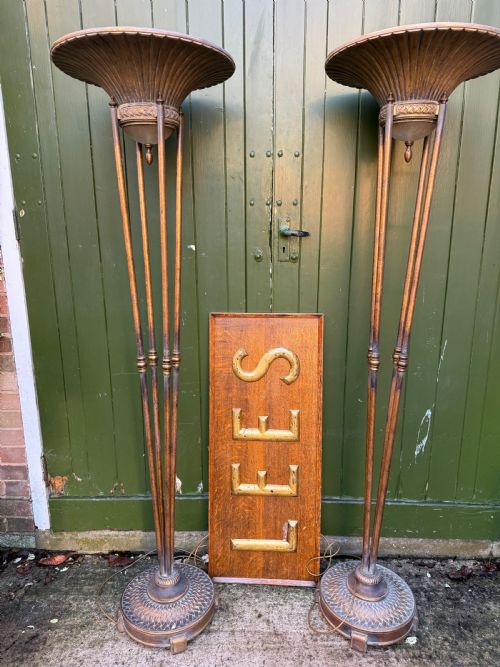
The selection here draws heavily from the 1930s, featuring Art Deco floor lamps, wall sconces, and torchiere designs. Earlier Edwardian examples in brass also appear alongside 1920s standard lamps.
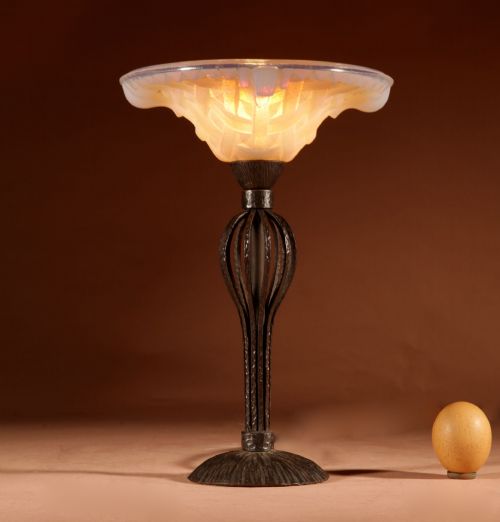
Forms range from tall telescopic floor standards to trumpet sconces and tulip desk lamps. Materials vary from polished chrome to opaline glass and wrought iron.
Materials and construction methods
Makers utilised metals such as brass, chrome, and wrought iron to construct the rigid frames and wall mounts. Brass appears in earlier Edwardian and Arts and Crafts pieces, while chrome dominates the 1930s Art Deco items.
Glass forms a central component for shades and diffusers, utilising frosted, opalescent, and opaline varieties. These glass elements soften the upward beam cast by the bulb.
Adjustable mechanisms feature in standard oil-lamps and telescopic floor designs, allowing users to alter the height or angle of the light.
Vintage Uplighter Lamp Retail Price Guide 2026
Typical asking prices for vintage uplighter lamp among the pieces listed under this phrase on Sellingantiques today, from the lower quarter to the upper quarter. They describe what is for sale here now, not the wider market.
An unexpected cherub table lamp joins the chrome torchieres, proving past lighting designers embraced whimsy alongside geometric modernity.
Distinctions in construction and finish
Quality rests in the weight and substance of the metalwork, distinguishing solid brass or heavy chrome plating from lighter substitutes. Heavier bases provide the stability required for tall telescopic floor standards.
The clarity and thickness of the glass components define the upper tier of production. Moulded opalescent or opaline shades show greater depth and uniform light diffusion compared to plain pressed glass.
Detailing in the decorative elements, such as wrought iron work or matched sets of sconces, separates standard utilitarian lighting from finer decorative pieces.
The Vintage Uplighter Lamp Glossary
- Uplighter
- A lamp designed to direct its light upward toward the ceiling rather than downward into the room. This creates ambient illumination and softens harsh shadows.
- Torchiere
- A tall standing floor lamp that casts light upwards, often featuring a prominent shade or bowl at the top. These pieces serve as both primary light sources and decorative floor furniture.
- Opaline glass
- A milk-white translucent glass used extensively for lamp shades to diffuse light evenly. It imparts a soft glow when illuminated from within.
- Standard lamp
- A traditional British term for a tall floor-standing lamp. These fixtures often include telescopic height adjustments.
Vintage Uplighter Lamp: Frequently Asked Questions
How do I place an uplighter lamp in a room?
Position floor-standing uplighters in corners or beside large furniture where the upward beam can reflect off the ceiling to fill the space with soft light.
Wall-mounted sconces work effectively along hallways or flanking mirrors to provide balanced secondary illumination without glare.
What is the difference between an uplighter and a standard floor lamp?
An uplighter directs its primary illumination towards the ceiling, relying on reflection to light the surrounding area.
Standard floor lamps often utilise downward-facing shades intended for task reading or direct localized illumination.
How do I identify an Art Deco uplighter?
Art Deco uplighters typically feature geometric forms, stepped motifs, and streamlined chrome or wrought iron construction.
They frequently incorporate moulded glass shades in trumpet or tulip shapes dating from around 1930.
Can I use modern bulbs in these vintage lamps?
Most vintage lamps accommodate modern LED bulbs provided the wattage and fitting match the original lamp holder specifications.
Consult a qualified electrician to check the internal wiring and ensure safety before regular use.