




Vintage Two Seater Bench
A vintage two seater bench offers compact double seating, bringing period character and comfortable upholstery to reception rooms, bedrooms and hallways.
Vintage Two Seater Bench
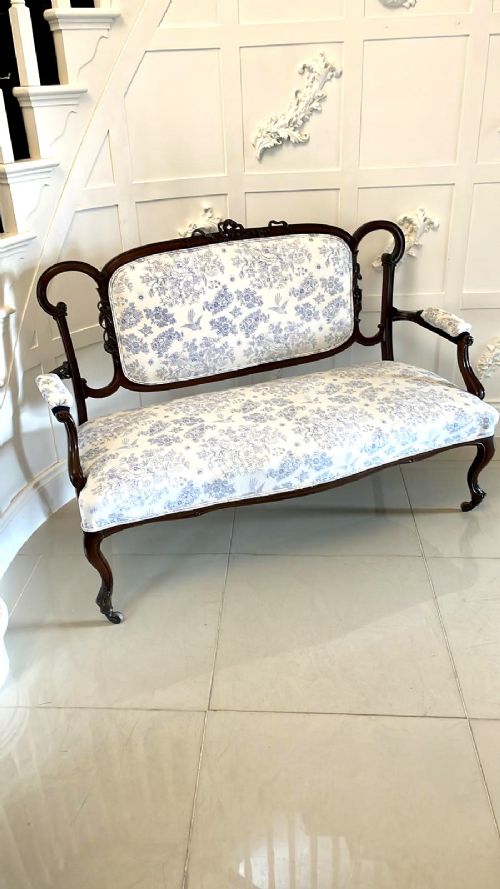
A vintage two seater bench encompasses a variety of compact double seats, including salon settees, window seats, and small sofas. These pieces emerge predominantly from the Edwardian period and the late nineteenth century, alongside occasional mid-century painted examples.
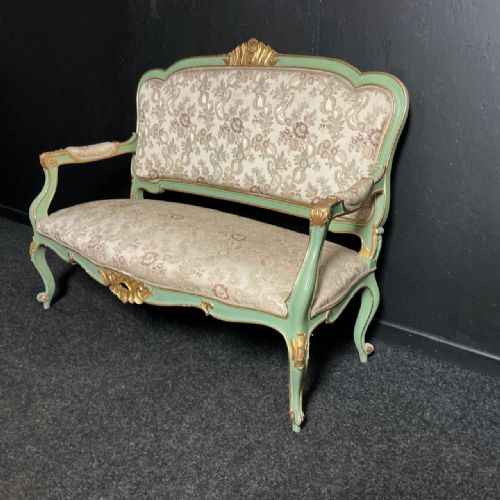
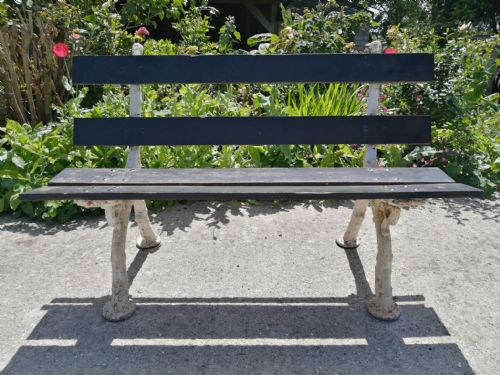
Buyers will encounter formal reception seating alongside lighter occasional pieces designed for parlours and bedrooms. The selection ranges from carved mahogany frames to painted French designs and practical garden seating.
The silhouettes reflect historical revivals, most notably Louis XV style, Queen Anne revival, and Edwardian interpretations. These smaller proportions make them adaptable for spaces where a full-size sofa proves too dominant.
Materials and Construction
Frames are constructed primarily from timber such as mahogany, walnut, and fruitwood, often featuring hand-carved details or inlaid veneers. Joinery relies on traditional methods to support the compact framework of the settee.
Upholstery incorporates textiles like velvet, damask, fabric, and brown leather, whilst other examples utilise cane panels for backrests and seats. Brass hardware and decorative mounts frequently finish the French and revival pieces.
Vintage Two Seater Bench Retail Price Guide 2026
Typical asking prices for vintage two seater bench among the pieces listed under this phrase on Sellingantiques today, from the lower quarter to the upper quarter. They describe what is for sale here now, not the wider market.
Listings feature mahogany, walnut, fruitwood, and brass alongside cane, velvet, damask, and leather materials.
Craftsmanship and Proportion
Quality rests in the crispness of the timber carving and the subtlety of any inlay work. Superior examples demonstrate balanced proportions, where the curve of an armrest or the sweep of a cabriole leg complements the overall scale.
The integrity of the structural frame and the execution of traditional upholstery techniques distinguish finer specimens from simpler utility pieces. Attention to detail in secondary timbers and joinery marks the work of better workshops.
Thonet
The Vintage Two Seater Bench Glossary
- Settee
- A long upholstered seat for more than one person, often featuring a back and armrests. This form serves as a primary seating option in traditional interiors.
- Canework
- Woven cane material utilised for seat bases and chair backs. It provides a lightweight, textured finish common in Edwardian and French designs.
- Bergere
- An enclosed upholstered armchair or settee with wooden frames and upholstered sides. These French-inspired pieces offer generous cushioned comfort.
- Inlay
- Decorative ornamentation created by embedding contrasting strips of wood into the primary surface. This technique highlights the craftsmanship of Edwardian cabinet makers.
- Cabriole leg
- A furniture leg that curves outward and then tapers inward, finishing in a pad or foot. This distinctive shape defines many revival styles.
Vintage Two Seater Bench: Frequently Asked Questions
Where should I place a vintage two seater bench?
These compact seats fit well in entrance hallways, at the foot of a bed, or as supplementary seating in a living room. Their modest proportions allow them to occupy awkward alcoves or window spaces.
Ensure the style complements existing furniture, pairing mahogany frames with traditional decor or painted finishes with lighter, contemporary spaces.
How do I identify an Edwardian settee?
Edwardian pieces often feature light mahogany timbers, delicate string inlay, and slender tapered legs. They frequently draw inspiration from earlier eighteenth-century designs.
Look for refined proportions and decorative satinwood banding, which distinguish them from heavier nineteenth-century Victorian furniture.
What is the difference between a settee and a sofa?
Historically, a settee referred to a small, wooden or partially upholstered two-seat bench, whereas a sofa denoted a fully upholstered, larger lounging piece. Today the terms often overlap in antique descriptions.
On this page, both describe compact double seating suitable for formal rooms or intimate spaces.