




Vintage Twin Light Table Lamp
These vintage twin light table lamp pieces offer dual illumination through paired burners, bulbs, or candles, bringing balanced light and period character to any interior.
Vintage Twin Light Table Lamp
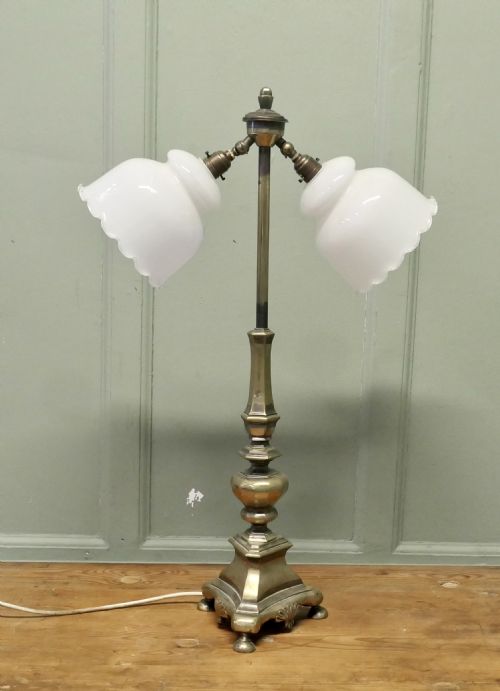
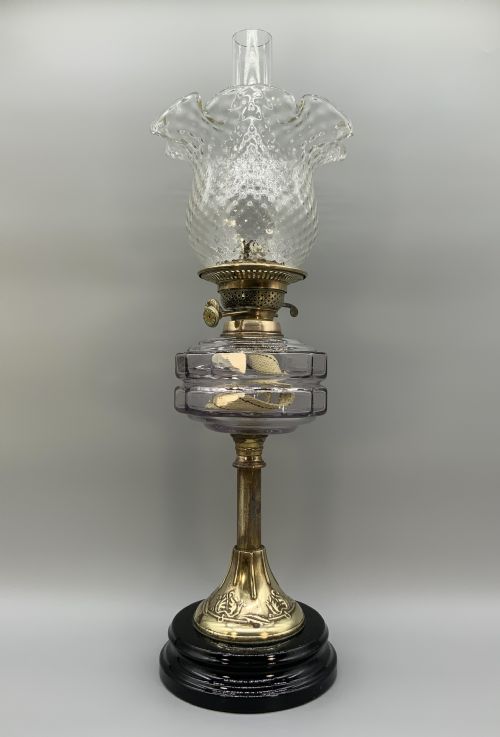
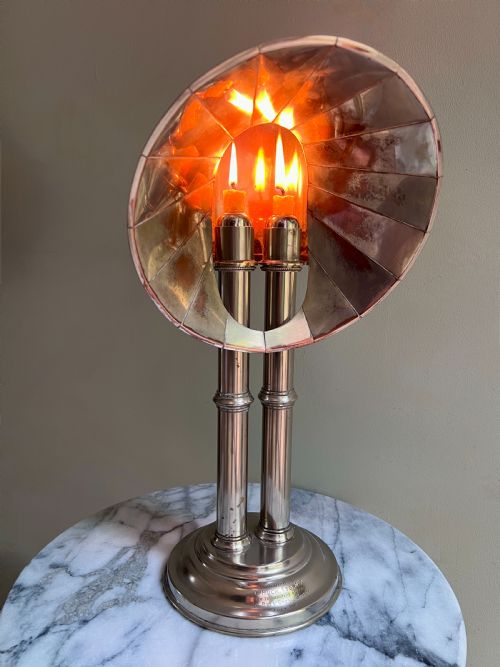
A vintage twin light table lamp provides dual illumination through paired burners, bulbs, or candle sockets mounted on a single base. When searching this phrase, buyers encounter pieces spanning the Victorian era through the 1930s, encompassing desk lamps, bouillotte lamps, and figural night lights.
The most common examples on this page date from the 1920s and 1930s, heavily influenced by Art Deco design, alongside earlier Edwardian brass fixtures and Victorian toleware. These objects originate from British, French, and Chinese traditions, merging functional lighting with decorative presence.
Forms range from strict architectural Corinthian columns to sculptural ceramic figures and glass mushroom shades. Each configuration serves the dual purpose of practical task lighting and ambient illumination.
Materials and construction
Brass serves as the primary structural metal across the selection, often cast, chased, or silver-plated to create rigid frames and decorative details. Artisans combined this metalwork with cut glass crystal, hand-blown shades, and carved marble bases for stability and visual contrast.
Ceramic elements, including porcelain and celadon vases, were repurposed or specifically manufactured as lamp bodies, while toleware provided painted metal shades. Wiring, burners, and candle sockets were integrated into dual-branch configurations designed to support two independent light sources.
Listings feature brass, glass, and ceramic materials spanning the Victorian era through the 1930s.
Distinctions in quality
Quality reveals itself in the weight of the cast metal, the precision of the joinery, and the integrity of the materials such as heavy cut crystal or hand-painted porcelain. Superior pieces display crisp detailing in brass castings and original, undamaged glass shades.
Artisanal execution separates standard commercial production from exceptional studio or factory work, such as named porcelain figures or intricate cloisonné. The harmony between the dual light branches and the stability of the mounting base dictates the overall standard.
Karl Ens·Anton Buschelberger
The Vintage Twin Light Table Lamp Glossary
- Bouillotte lamp
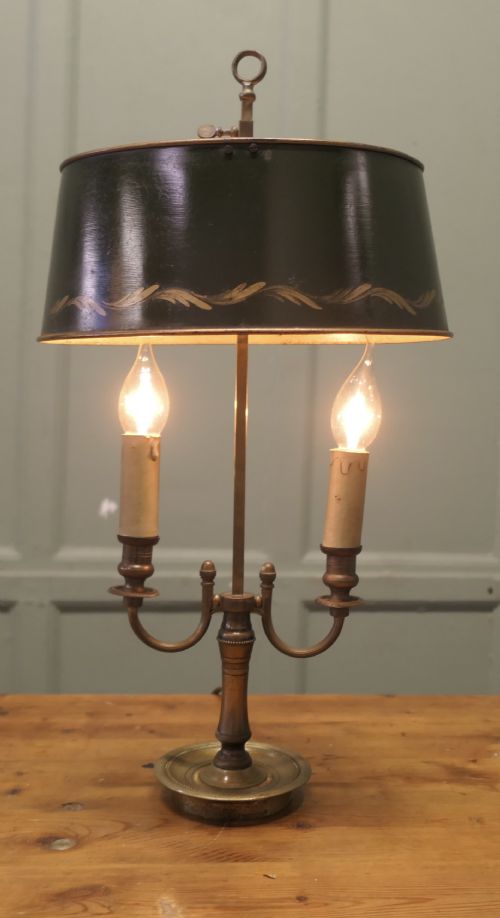
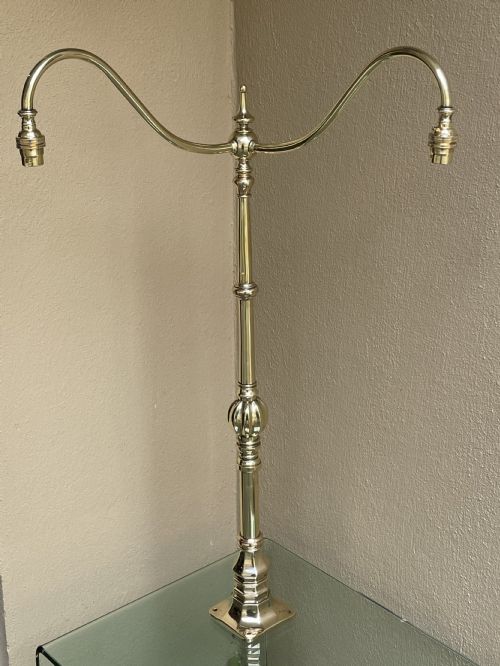
- A traditional desk lamp featuring a central standard with two or more arms and an adjustable metal shade. Originally designed for the card game of the same name.
- Newel post lamp
- A decorative light fixture designed to sit atop the newel post at the base or landing of a staircase. These substantial pieces often incorporate brass or figural elements.
- Toleware
- Painted or lacquered tinplate items produced in various European centres during the eighteenth and nineteenth centuries. It often provides contrasting colour on lamp bodies and shades.
- Cloisonné
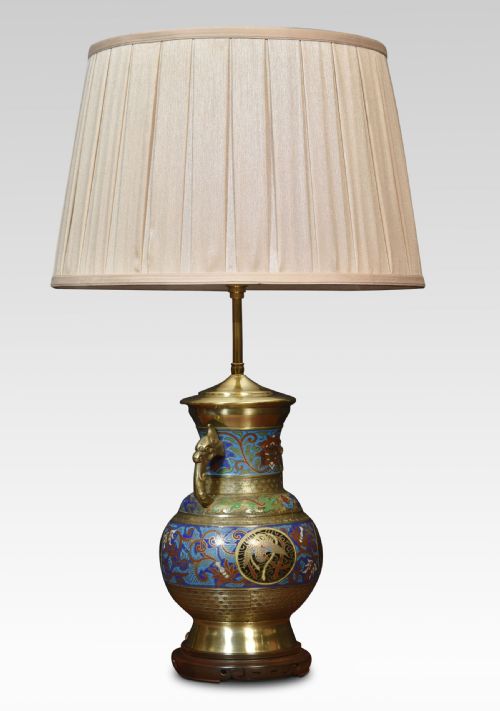
- An ancient technique for decorating metal object surfaces using strips of metal to form compartments filled with vitreous enamel. It appears on imported lamp bases.
- Corinthian capital
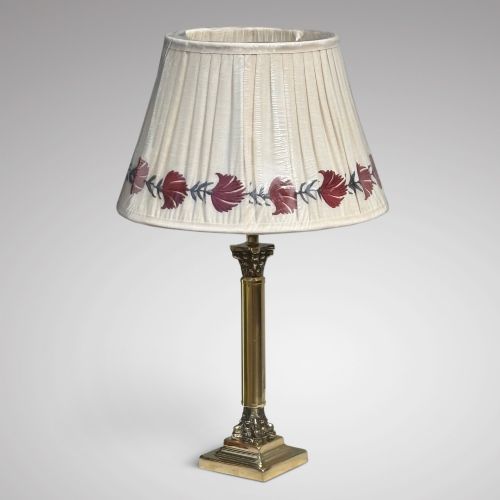
- The topmost member of a classical column featuring ornate acanthus leaves and scrolls. Edwardian standard lamps frequently adopt this architectural motif for their brass shafts.
Vintage Twin Light Table Lamp: Frequently Asked Questions
What is a twin light table lamp used for?
These lamps provide dual illumination suitable for reading, desk work, or creating ambient light in a living space. The paired light sources distribute balanced brightness across a surface.
Historically, versions with adjustable shades or dual burners served specific tasks like card playing or writing before electricity became standard.
How do I date a vintage twin light lamp?
Dating relies on stylistic markers such as Art Deco geometric forms from the 1930s, earlier Edwardian brass work, or Victorian toleware finishes. Materials like hand-blown glass and cast brass also indicate specific manufacturing eras.
Inscribed dates or known factory marks on ceramic components provide precise chronological reference points when present.
Are these lamps wired for modern use?
Many surviving pieces have been re-wired at various points in their history to comply with contemporary electrical standards. Buyers should inspect the internal wiring and consult a professional electrician for safety.
Conversion from oil or candle configurations to electric twin bulbs is common among antique lighting fixtures.
How do I style a twin light lamp at home?
Place a substantial brass or crystal model on a sideboard, desk, or large console table where its dual branches can command visual space. Pairing them with complementary period furnishings enhances their decorative impact.
Ensure the scale of the lamp matches the surface area and the height of surrounding furniture.