


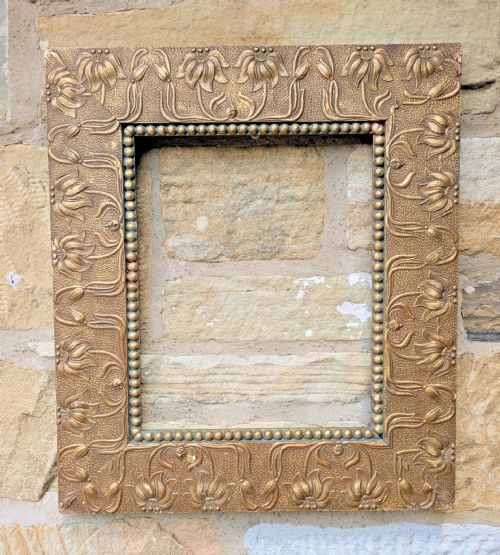


Vintage Turned Wood Decor
Vintage turned wood decor brings handcrafted warmth to a room through sculpted forms shaped on a lathe.
Vintage Turned Wood Decor
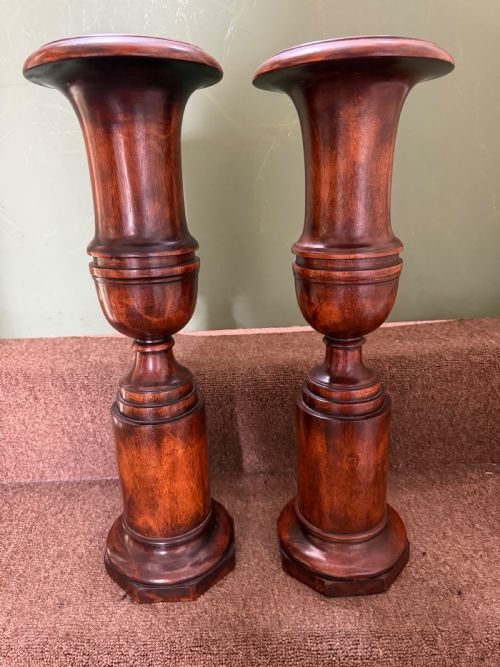
When you search for vintage turned wood decor, you find items shaped on a lathe that combine utility with decorative form. These pieces range from nineteenth-century walnut vases of neoclassical design to solid yew wood bookends from the Georgian era.
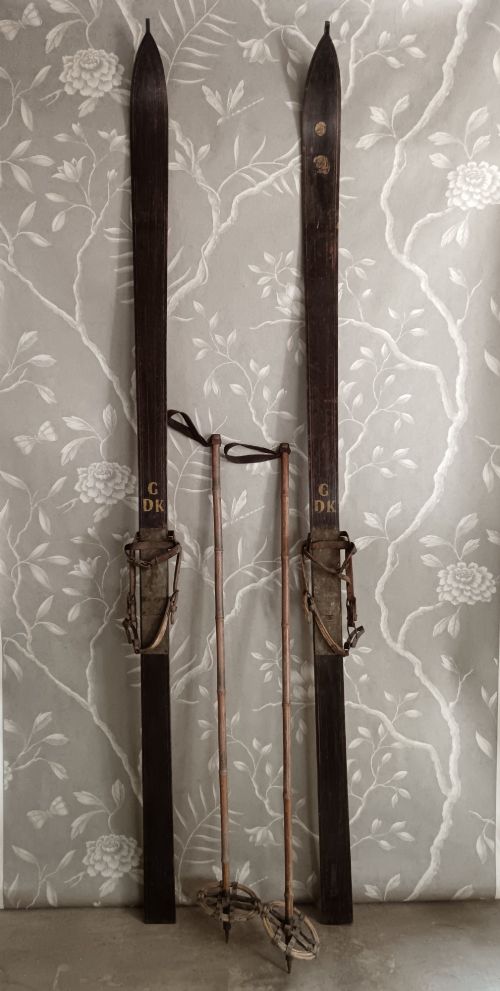
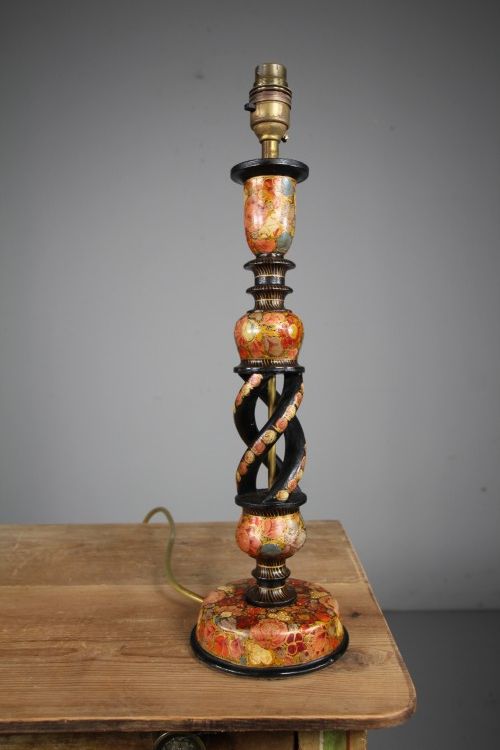
The objects on this page span several centuries and styles, taking forms such as table lamps, picture frames, chess sets, and decorative urns. Walnut, rosewood, boxwood, and yew feature prominently among the materials utilised.
How these items were made
Craftsmen shaped these items on a lathe, turning blocks of dense timber like walnut, rosewood, and yew into symmetrical vessels, handles, and architectural supports. This technique allowed makers to produce precise curves, rings, and tapered columns.
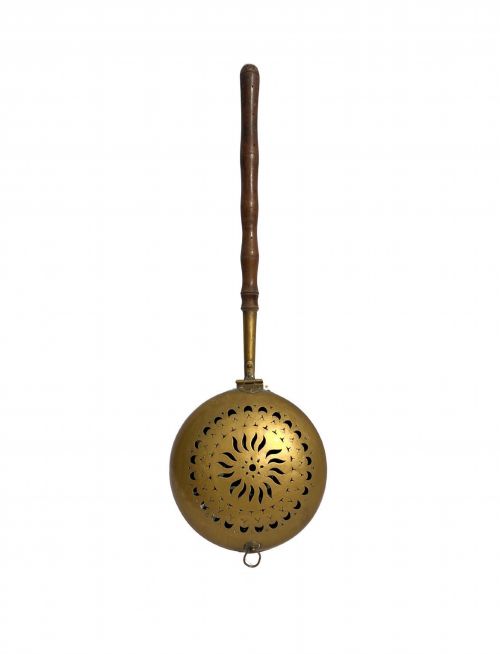
Makers combined turned wooden elements with other materials such as brass, leather, paper, and glass to finish pieces like inkwells, bed warming pans, and globes. Detail was often added through carving, gilding, or contrasting inlay work like boxwood alongside rosewood.
An inquisitive owl with glass eyes watches over an iridescent glass and mahogany inkwell from the early twentieth century.
What varies in quality
Quality rests upon the selection of timber and the precision of the lathe work. Denser woods like yew and rosewood hold crisp profiles and fine details better over time.
The harmony between the turned wooden components and secondary materials dictates the overall success of the piece. Well-proportioned decorative urns and bookends demonstrate superior balance in their turned sections.
L.H. Hagen and Co·Geographia
The Vintage Turned Wood Decor Glossary
- Lathe
- A woodworking machine that rotates timber on an axis while a cutting tool shapes it into symmetrical forms. This tool enables the creation of rounded vases, columns, and chess pieces.
- Neoclassical
- A style drawing on classical antiquity that emphasises symmetry, restraint, and orderly proportions. Vases and decorative objects from this period display clean, architectural lines.
- Yew wood
- A dense, resilient timber with a distinct grain pattern often utilised for turned items like bookends. Its natural durability suits objects requiring sturdy construction.
- Boxwood
- A pale, hard wood frequently utilised for contrasting details and inlay work alongside darker timbers like rosewood. It provides sharp definition in small-scale turned objects.
Vintage Turned Wood Decor: Frequently Asked Questions
What periods do these pieces come from?
The items span several centuries, reaching from the eighteenth century through the nineteenth century and into the early twentieth century. Styles shift from Georgian and neoclassical designs to Victorian and Art Nouveau.
Materials range across solid woods such as walnut, rosewood, and yew, often paired with brass, metal, and paper elements.
How do I care for turned wooden decor?
Keep wooden objects away from direct heat sources and strong sunlight to prevent the timber from drying out or splitting. Dust gently with a dry cloth and avoid harsh chemical cleaners.
Applied finishes on items like vases and bookends benefit from occasional maintenance with appropriate furniture wax.
Are these items functional or purely decorative?
Many pieces served practical purposes in their original contexts, including table lamps, chess sets, bookends, and inkwells. Even items intended as ornaments, such as neoclassical vases, often display robust construction from heavy hardwoods.
Buyers can integrate both functional and purely decorative turned pieces into modern interiors.
What woods were commonly used?
Craftsmen utilised a variety of timbers depending on the region and period. Dense hardwoods like walnut, rosewood, yew, and boxwood appear frequently across the listings.
These woods provided the necessary stability for detailed lathe work and held up well to daily use.