

Vintage Tub Armchairs Oak
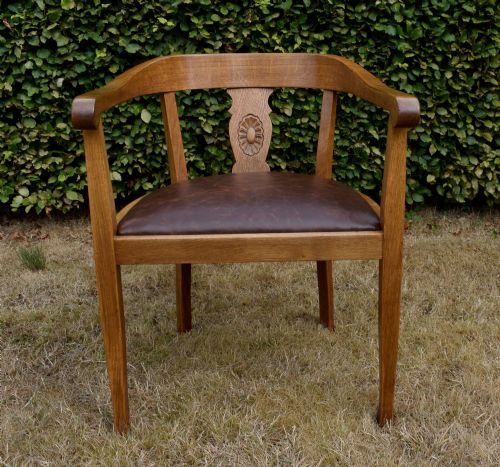
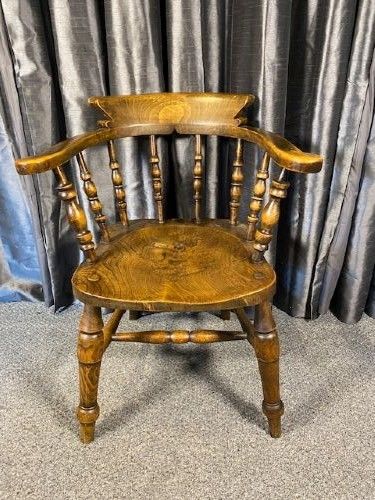
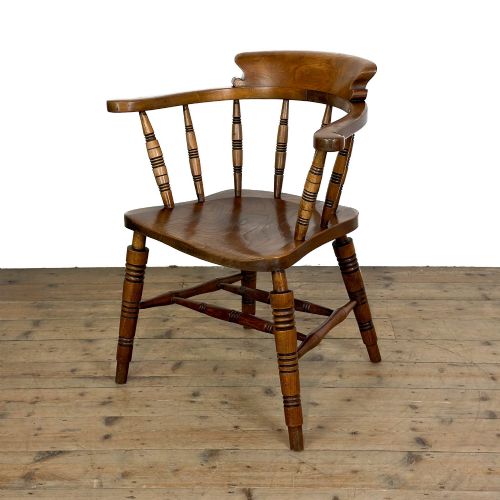
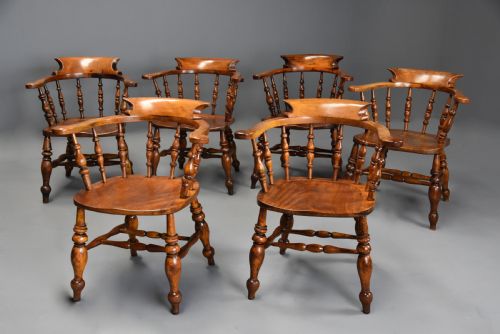
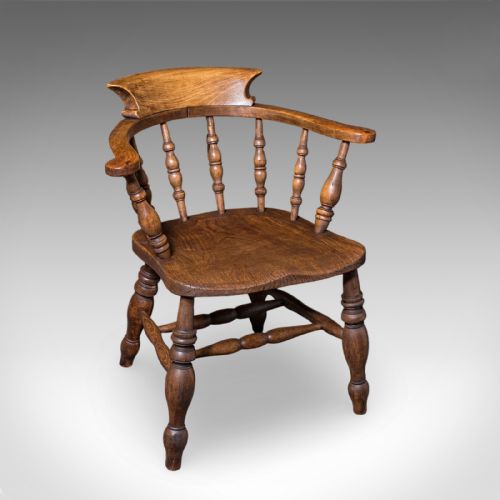
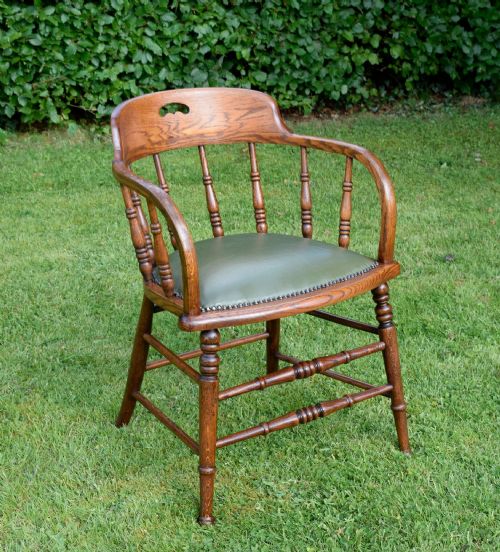
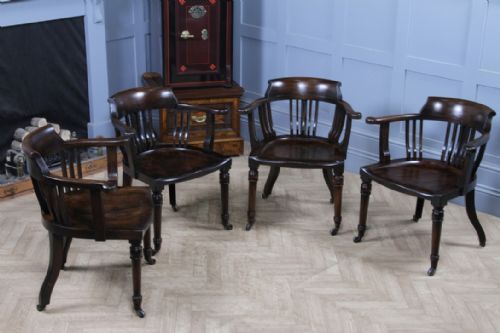
Vintage tub armchairs oak offer solid seating, bringing together curved wooden frames and sturdy timber from the nineteenth and early twentieth centuries.
Vintage Tub Armchairs Oak
When you search for vintage tub armchairs oak, you encounter robust seating designed for studies, offices, and country houses. These pieces combine supportive curved backs with timber frames suited to daily use.
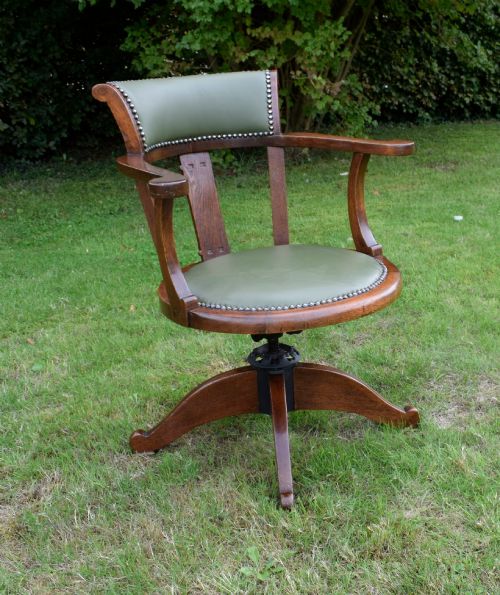
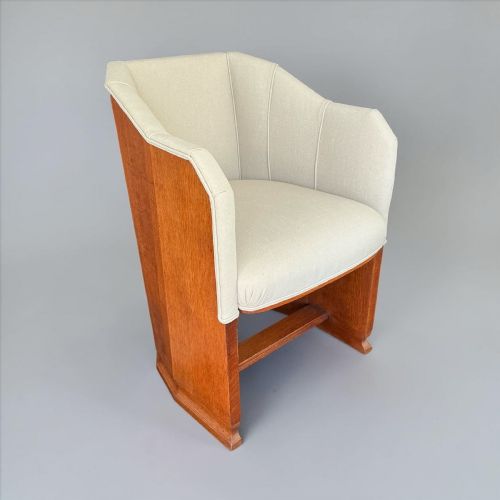
The selections span the nineteenth century through to the 1930s, encompassing Victorian, Edwardian, and Art Deco periods. You find forms ranging from smoker's bows and captain's chairs to desk chairs and corner seats.
How they were made
Carpenters built the primary frames using solid oak, frequently combining beech, elm, and brass components for structural stability. Steam-bending techniques allowed timber to form the characteristic curved tub and bow shapes.
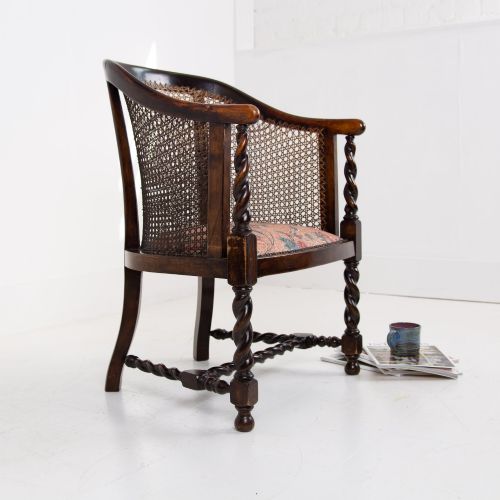
Upholstery methods varied from exposed wood panels to leather, fabric, velvet, and cane seating inserts. Craftsmen secured seats using traditional tacks, webbing, and stuffing materials appropriate to each period.
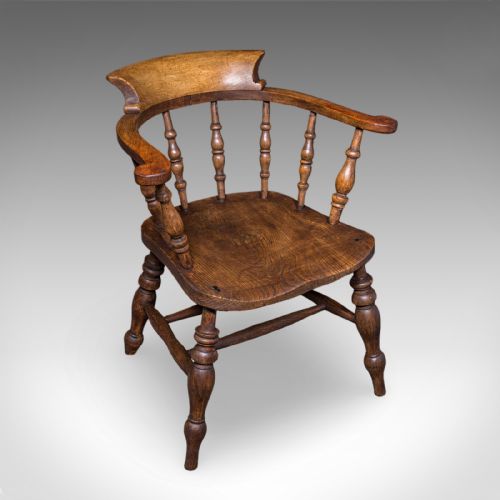
Smoker's bows earned their name because gentlemen sat in them while enjoying a pipe after dinner.
What varies in quality
The distinction between standard examples and finer pieces lies in the weight of the timber and the depth of the carved details. Heavier oak frames with clean joinery and well-preserved turning demonstrate superior workshop standards.
Original surfaces, patinated leather, and intact cane work elevate an armchair's standing compared to later replacements. The integrity of the steam-bent back rail remains a primary indicator of enduring construction quality.
The Vintage Tub Armchairs Oak Glossary
- Smoker's Bow
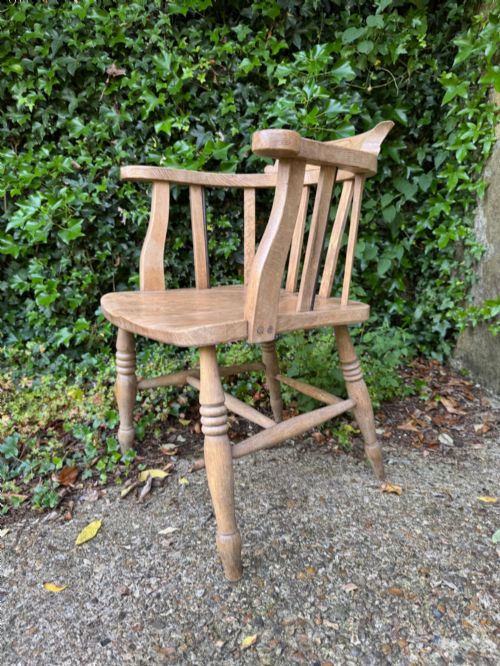
- A low-backed Windsor-style armchair with a continuous curved arm rail. These sturdy seats served libraries and smoking rooms.
- Captain's Chair
- A compact swivel or stationary desk chair featuring a rounded wooden backrest. They provide ergonomic support for working at a desk.
- Bergère
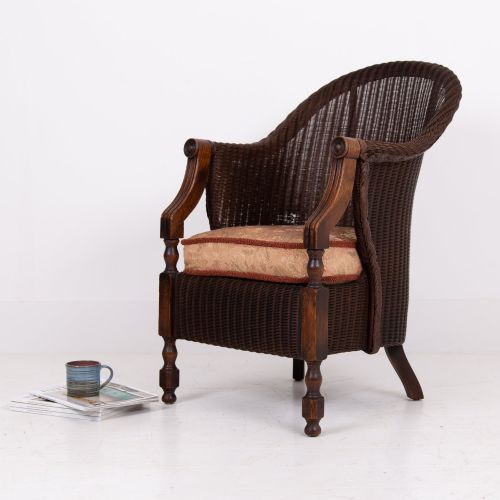
- An enclosed upholstered armchair with a wooden frame and woven cane panels. French examples often display intricate carved detailing.
- Corner Chair
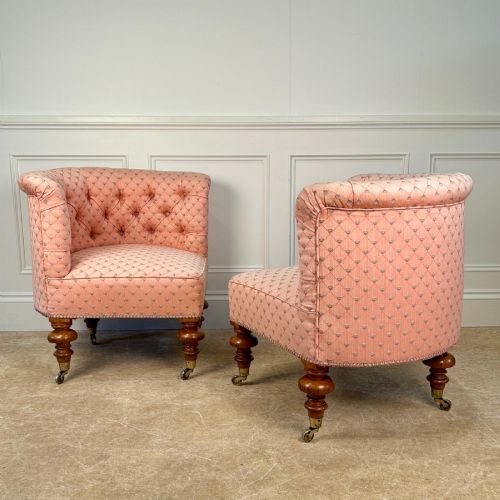
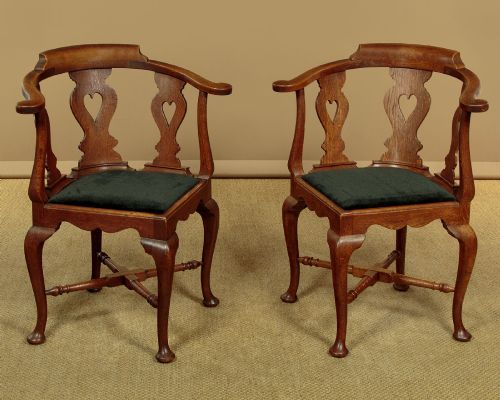
- A seat designed to fit diagonally into room angles, featuring a curved back rail supported by turned columns. They function well in hallways and studies.
- Turned
- Wood shaped on a lathe to create cylindrical, spiral, or baluster supports. This decorative technique strengthens legs and spindles.
Vintage Tub Armchairs Oak: Frequently Asked Questions
How do I date an oak desk chair?
Dating relies on examining the construction methods, timber grain, and stylistic details such as turnings and upholstery styles. Victorian and Edwardian pieces show specific characteristics like hand-cut joinery and aged patination.
Comparing the hardware, such as brass screws or swivel mechanisms, helps narrow down the manufacturing decade between the 1850s and 1930s.
Are these armchairs comfortable for daily desk work?
Many vintage tub armchairs and captain's chairs were originally designed for office or study use. Their curved wooden backs and supportive armrests accommodate prolonged seating.
Examples fitted with leather, fabric pads, or swivel bases offer practical comfort for modern home workspaces.
What maintenance do cane seats need?
Caned panels require occasional gentle cleaning with a damp cloth to prevent the natural material from drying out. Avoiding excessive weight and sharp objects preserves the woven mesh.
Keeping the chairs away from direct heat sources prevents the cane from becoming brittle over time.