


Vintage Tripod Stand
These vintage tripod stand designs span centuries of clever joinery and sturdy three-legged support, offering practical utility and timeless charm.
Vintage Tripod Stand
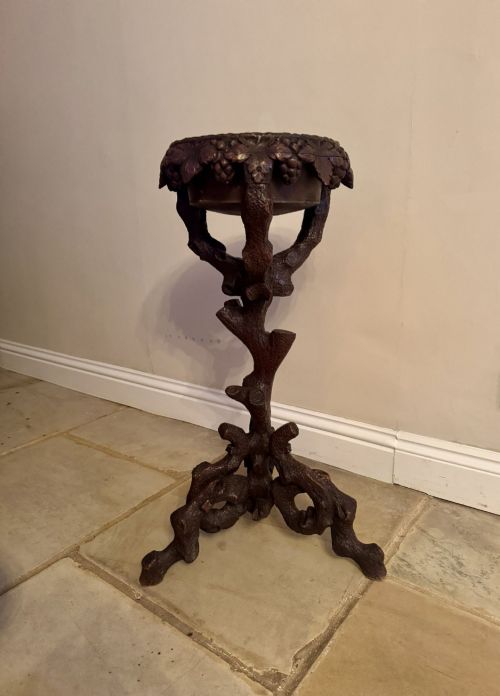
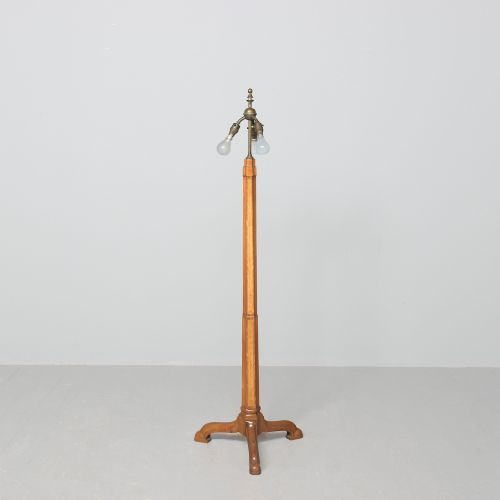
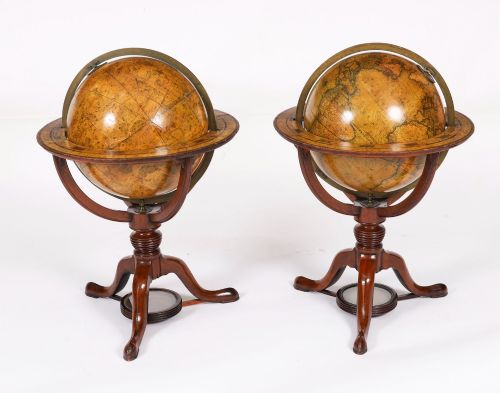
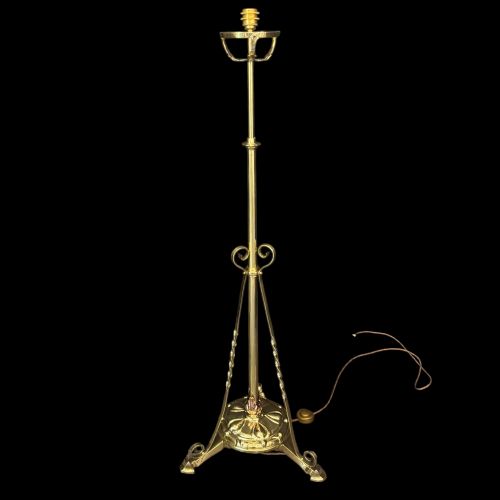
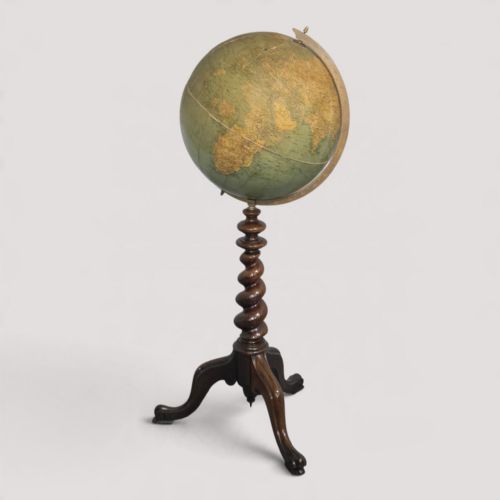
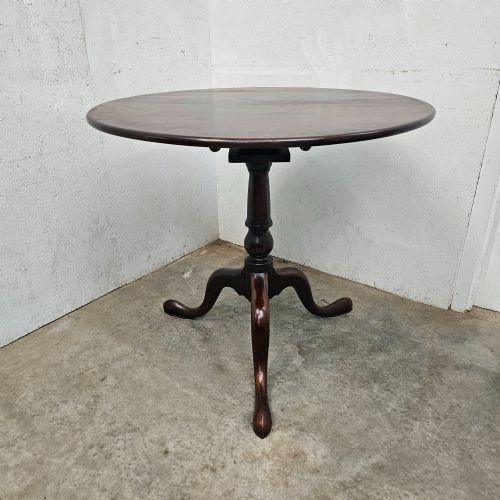
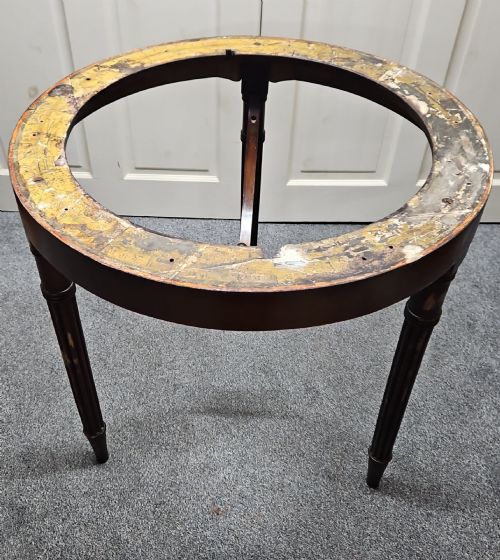
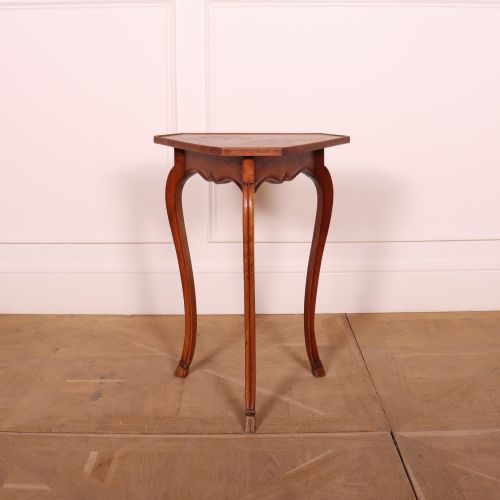
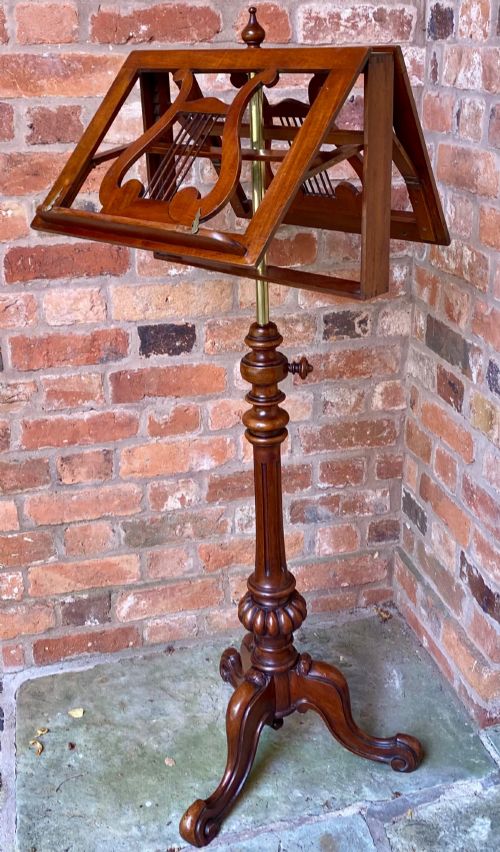
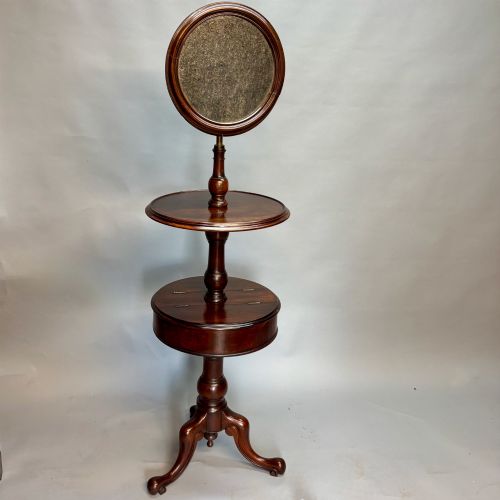
A vintage tripod stand brings together practical utility and compact three-legged stability across centuries of domestic design. Buyers searching for a vintage tripod stand will encounter forms ranging from Georgian wine tables and torchere plant stands to Victorian music stands, shaving stands, and floor lamps.
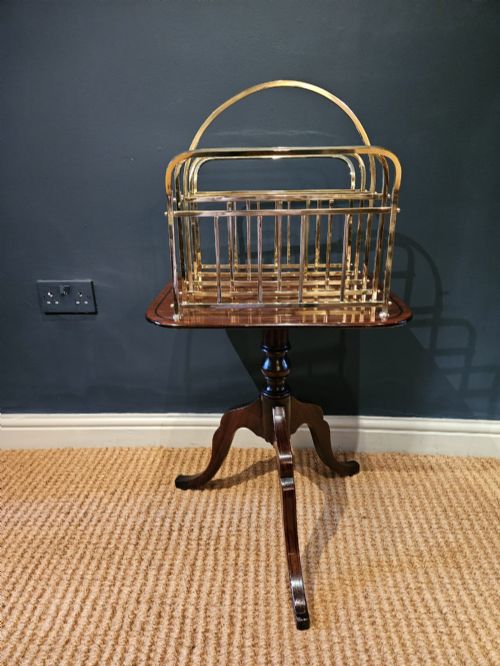
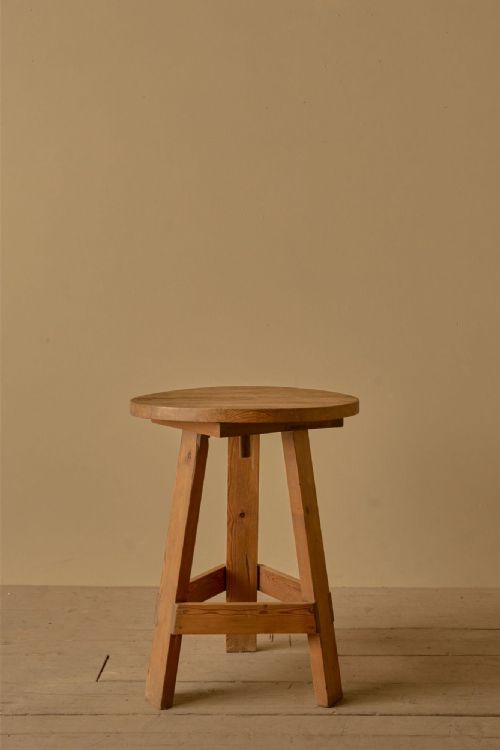
The selection includes pieces from the eighteenth, nineteenth, and early twentieth centuries, fashioned in oak, mahogany, walnut, and pine. Smaller occasional tables, cricket tables, and revolving bookcases sit alongside taller torchere stands and standard oil lamps, reflecting diverse regional origins including English, French, Dutch, and Italian workshops.
Materials and Construction
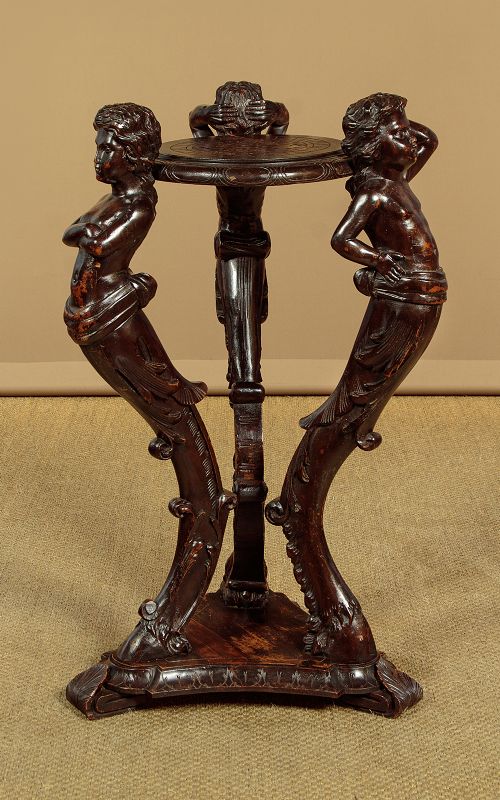
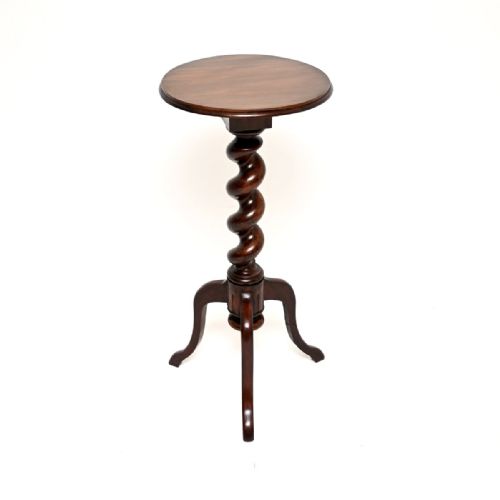
Cabinetmakers utilised hardwoods such as mahogany, oak, and walnut, frequently employing turned columns, barley twist stems, and carved pedestal bases. Joinery often involved central tenoned pillars fixed to three splayed legs to ensure balance on uneven floors.
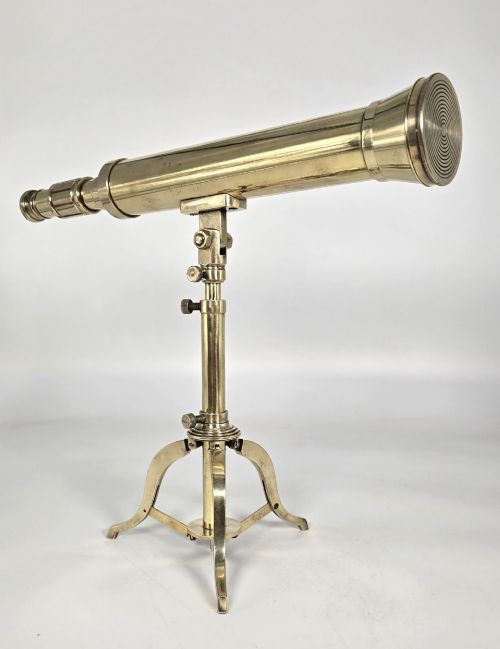
Metal components such as brass frames, adjustable brackets, and blacksmith-made wrought iron provide mechanical function for standard lamps and duet music stands. Surface finishes range from chip-carved detailing and gilding to painted timber and polished wood.
Vintage Tripod Stand Retail Price Guide 2026
Typical asking prices for vintage tripod stand among the pieces listed under this phrase on Sellingantiques today, from the lower quarter to the upper quarter. They describe what is for sale here now, not the wider market.
The inventory spans the eighteenth, nineteenth, and early twentieth centuries, incorporating Georgian, Victorian, and Edwardian styles.
Judging Quality
Quality rests on the integrity of the central pillar connection to the three feet, where historical wear or replacement legs alter stability. Timber selection and the crispness of carved details, such as carved knees on a torchere or chip-carving on an occasional table, separate standard production from finer workshop pieces.
Original adjustable mechanisms, intact brass fittings, and uncompromised tilt-top catches elevate a piece. Proportion and timber figure remain key indicators of period craftsmanship.
The Vintage Tripod Stand Glossary
- Torchere
- A tall stand designed to hold a light or a plant, typically featuring a slender column raised on three feet.
- Tilt-top table
- A table with a hinged top that can be folded vertical when not in use to save space.
- Duet music stand
- An adjustable stand engineered to hold sheet music for two performers simultaneously.
- Cricket table
- A small, sturdy three-legged occasional table originating from domestic use in the eighteenth century.
- Pole screen
- A vertical screen mounted on a tripod pole with an adjustable panel to shield the face from fireplace heat.
Vintage Tripod Stand: Frequently Asked Questions
What is a tripod stand used for?
These pieces served varied domestic functions, from holding wine glasses and books to supporting lighting, plants, and shaving mirrors. Their three-legged design kept them stable on uneven floorboards.
Today, they adapt easily to modern rooms as side tables, lamp holders, or decorative plant stands in corners and hallways.
How do I date a wooden tripod table?
Dating relies on timber choice, construction methods, and the style of the legs and centre column. Georgian pieces often feature elegant mahogany proportions, while Victorian examples introduce barley twists or ebonised finishes.
Examining the underside for tool marks, screw types, and general wear helps confirm the period of manufacture.
Are tripod stands stable on carpets?
Three-legged stands naturally distribute weight across three points, which helps them rest firmly even if floor surfaces are slightly irregular.
Thick carpets can sometimes cause slight wobbling, so placing them on firm flooring or using small protective coasters underneath the feet ensures steady placement.
What is the difference between a torchere and a plant stand?
A torchere traditionally held a candle or oil lamp to illuminate a room, resulting in a tall, slender silhouette with a decorative top. Plant stands and jardiniere supports share a similar elevated form but often feature waterproof linings or broader platforms.
In practice, antique pieces originally built as torcheres frequently function well for displaying potted plants or urns.