
Vintage Trinket Casket
A vintage trinket casket holds personal treasures and adds character to a dressing table.
Vintage Trinket Casket
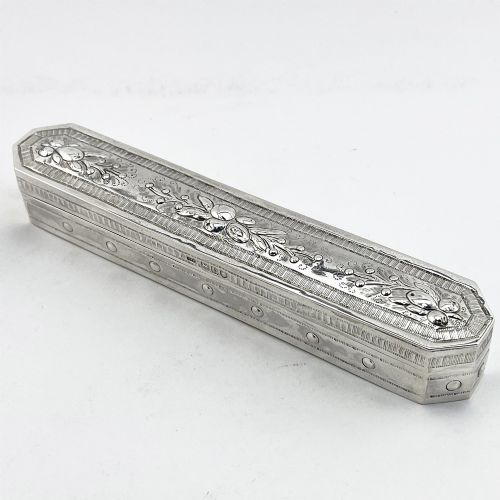
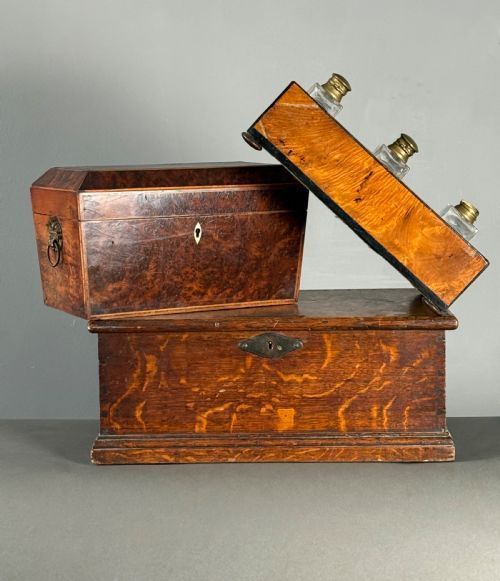
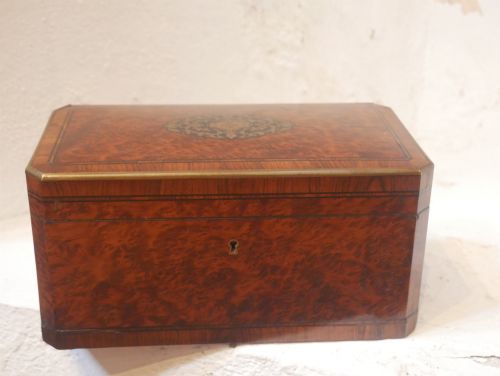
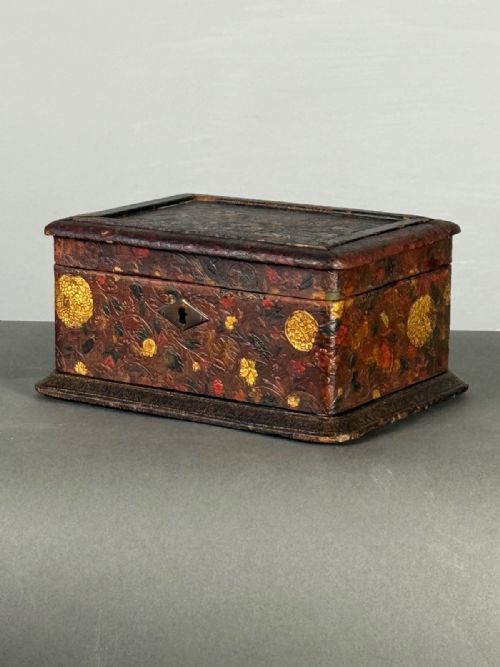
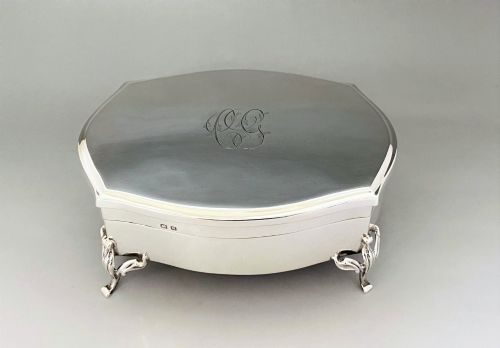
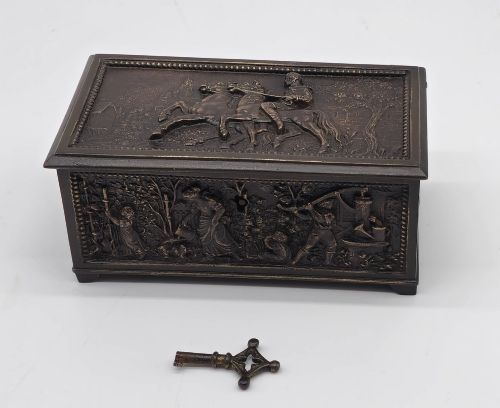
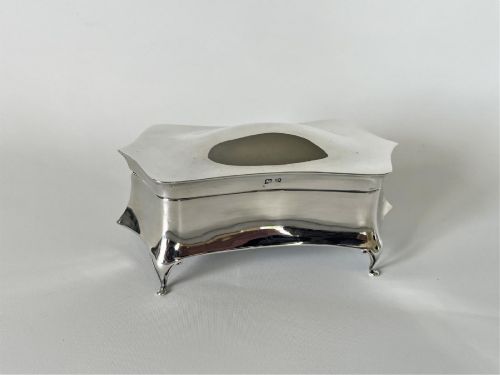
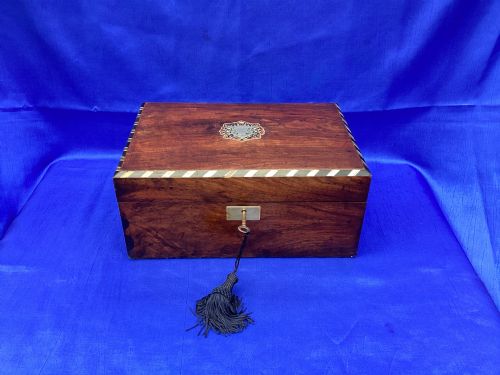
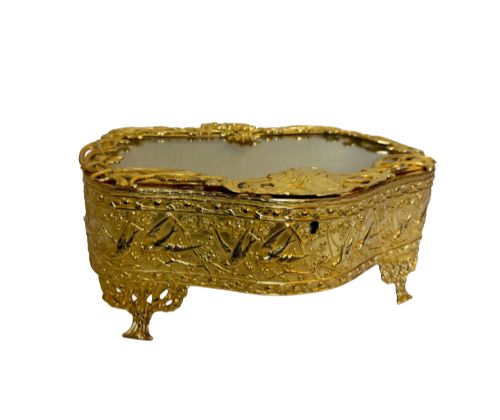
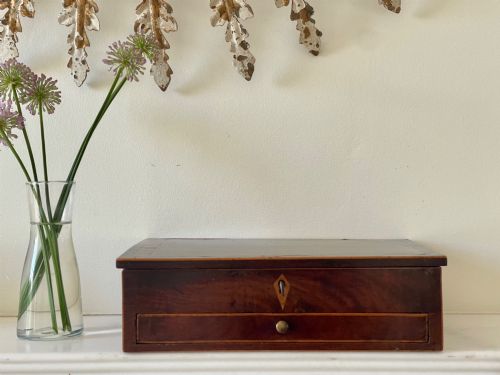
A vintage trinket casket is a small container designed for jewellery and keepsakes, found in various forms across multiple historical periods. Buyers searching for a vintage trinket casket encounter pieces ranging from simple wooden containers to elaborate metal and leather caskets. The selection includes jewellery boxes, decorative caskets, and fitted table boxes originating from different regions and design movements.
The pieces available span the nineteenth century and the early decades of the twentieth century, with notable representation from the Victorian era. Common material choices include brass, silver, rosewood, walnut, and leather, often showing distinct styles such as Art Deco, Art Nouveau, and Arts and Crafts. These items served practical storage purposes in domestic settings.
Wooden and metal variants dominate the selection, alongside leather-covered boxes and specimens featuring enamel or tortoiseshell details. Many incorporate internal trays or velvet linings designed to protect small valuables and accessories. Each style reflects the craftsmanship and decorative preferences of its specific period of manufacture.
Materials and construction
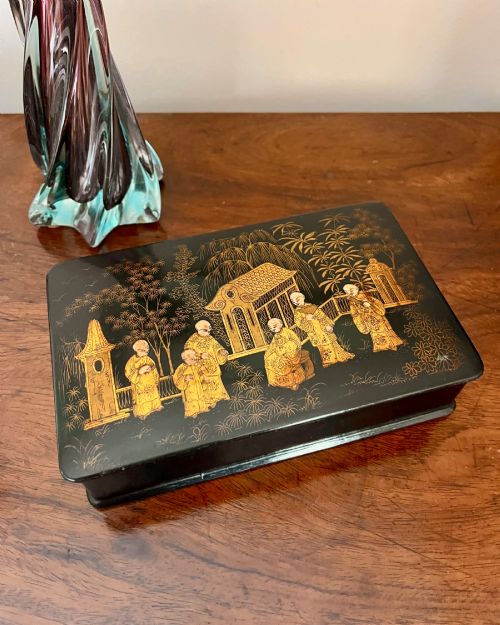
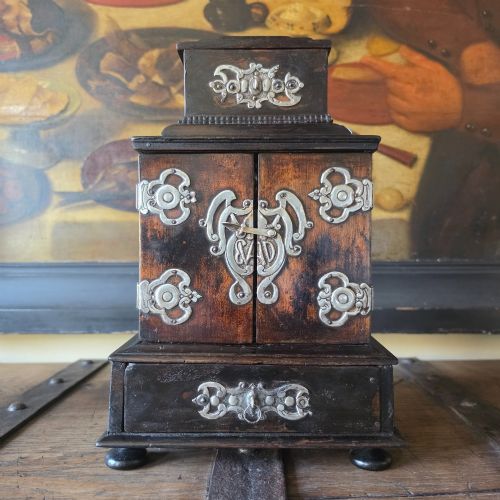
Makers utilised a diverse selection of materials, combining timber foundations like rosewood, mahogany, and walnut with precious metals including sterling silver, brass, and bronze. Surface ornamentation often involved intricate techniques such as lacquering, carving, or applying tooled leather and enamel cabochons. These methods required specialised skills in cabinet making and metalworking.
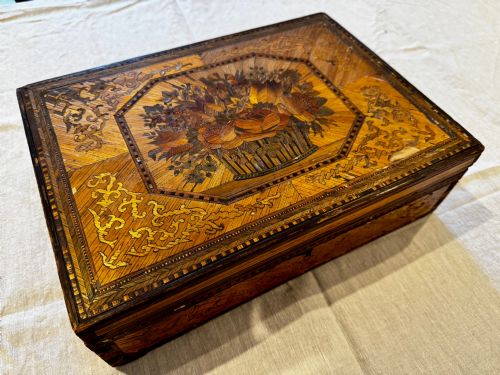
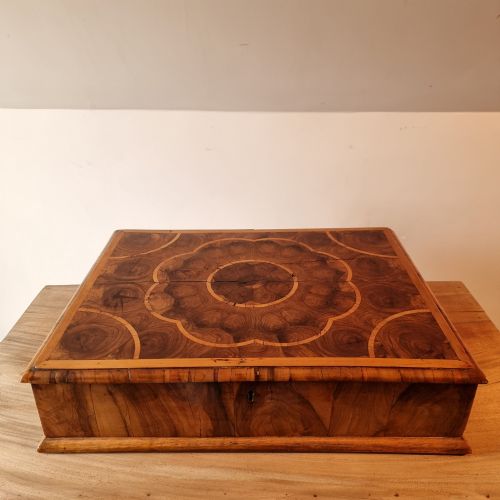
Construction methods varied according to the intended function and regional origin of the container. Silver and bronze caskets frequently featured cast or repoussé decoration, while wooden examples employed joinery and marquetry inlay. Many boxes incorporated textile linings and fitted trays to organise contents securely.
The listings feature diverse materials including solid silver, rosewood, walnut, brass, and tortoiseshell across multiple historic periods.
Assessing quality and craftsmanship
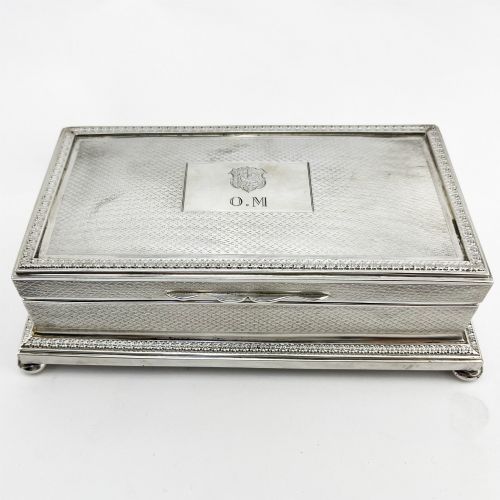
Quality in a vintage trinket casket depends on the precision of the joinery and the fineness of the decorative work. Superior examples display crisp chasing on metal mounts, tight wood joints, and well-fitted internal compartments that operate smoothly. The integrity of the materials, such as solid silver versus plated metals or dense hardwoods over softer timbers, dictates the durability of the piece.
The artistic merit of surface decoration further distinguishes finer items from standard production pieces. Hand-painted enamels, detailed carvings, and signed silverwork by notable makers represent a higher standard of execution. Well-preserved original linings and functional locking mechanisms also contribute to the overall desirability of a casket.
Tahan Paris·Susse Freres Paris·Erhard and Sohne·Mappin and Webb·Wang Hing and Co
The Vintage Trinket Casket Glossary
- Ormolu
- Gilded bronze, widely utilised for decorative mounts on nineteenth-century caskets and decorative boxes. This technique provides a bright golden finish that enhances the visual appeal of metalwork.
- Cloisonné
- An ancient technique for decorating metal object surfaces, where wires are soldered to the base to create compartments filled with enamel paste. Examples often display floral or geometric motifs.
- Cabochon
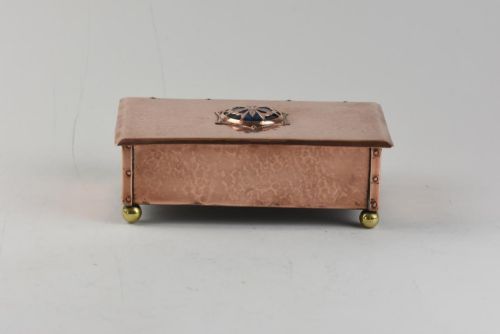
- A gemstone or piece of glass polished rather than faceted, frequently set centrally into metal boxes or Arts and Crafts copper work. It adds a smooth, rounded focal point to the design.
- Tortoiseshell
- Material derived from the shell of certain turtle species, used as an overlay for table-top boxes and ladies' jewellery caskets. Its distinctive mottled brown and amber patterns made it highly prized for luxury items.
- Coromandel
- A dense, heavily figured timber from Asia, utilised for high-end nineteenth-century work boxes and stationery caskets. Its dark grain contrasts sharply with brass stringing and inlay.
Vintage Trinket Casket: Frequently Asked Questions
How were these caskets used?
Historically, owners placed these boxes on dressing tables, sideboards, or desks to hold rings, brooches, cufflinks, and documents. Fitted interiors with trays helped keep delicate items separated and protected.
Many functioned as portable storage for travel or secure holding spots for daily accessories within the home. Their decorative exteriors also allowed them to serve as ornamental display objects.
How do I identify the period of a box?
Dating relies on stylistic clues, construction methods, and materials characteristic of specific eras like the Victorian period or Art Deco movement. Silver components often carry hallmarks that reveal the exact year and city of manufacture.
Examining internal linings, hinge types, and locking mechanisms also provides evidence of age. Distinctive design motifs, such as Arts and Crafts copper work or Regency mahogany veneers, point to particular decades.
How should I care for a wooden box?
Wooden caskets require stable environmental conditions away from direct sunlight and extreme humidity changes to prevent timber warping. Gentle dusting with a dry cloth maintains the finish without harming delicate veneers or inlays.
Applying specialised wax sparingly helps preserve antique wood surfaces. Avoid using harsh chemical cleaners on metal mounts or leather trims associated with the wood.