





Vintage Trinket Case
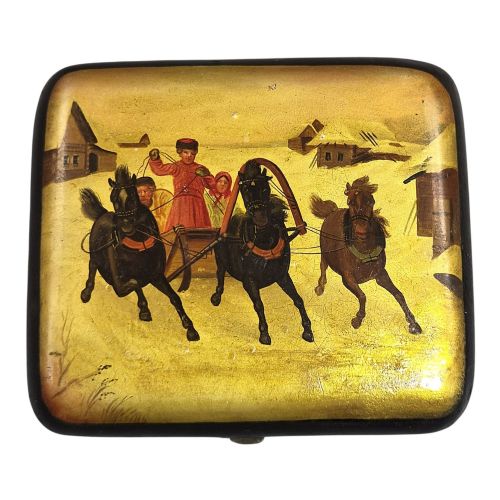
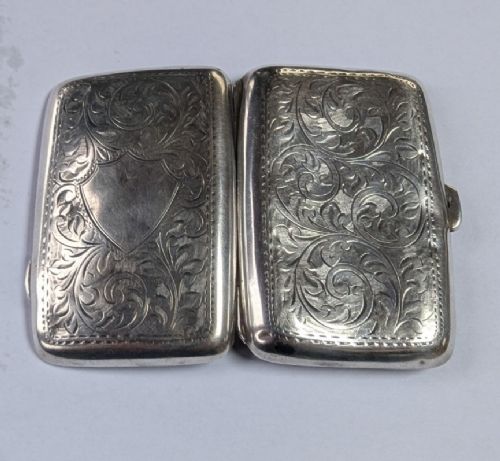
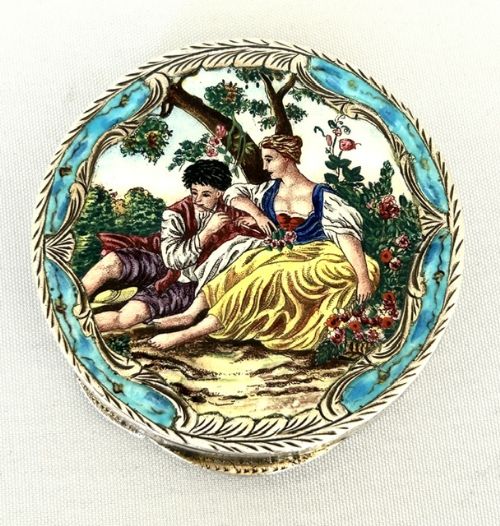
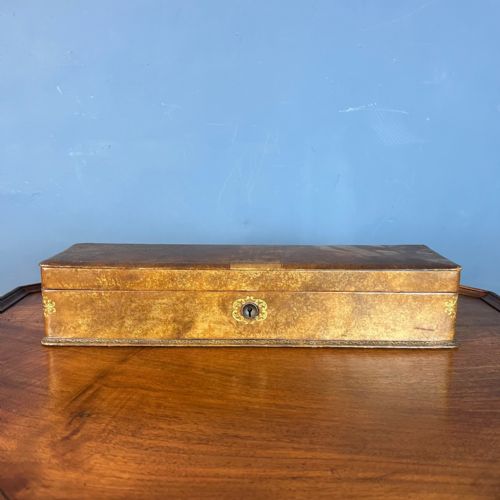
A vintage trinket case holds small treasures, taking form as silver boxes, leather cases, and lacquered vessels crafted across the nineteenth and twentieth centuries.
Vintage Trinket Case
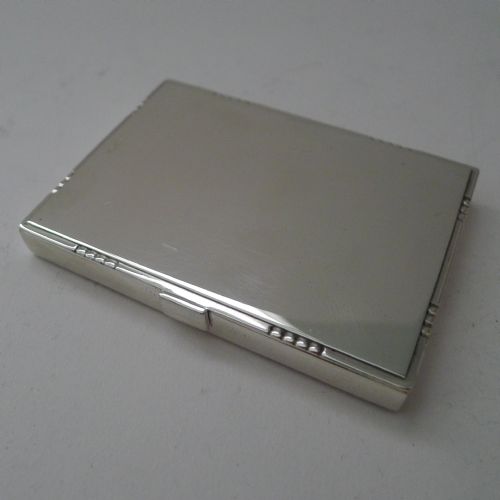
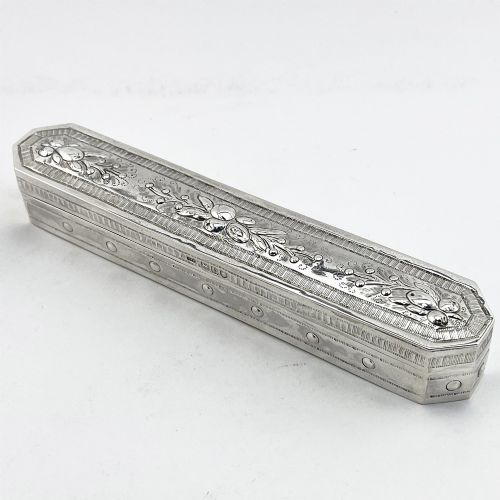
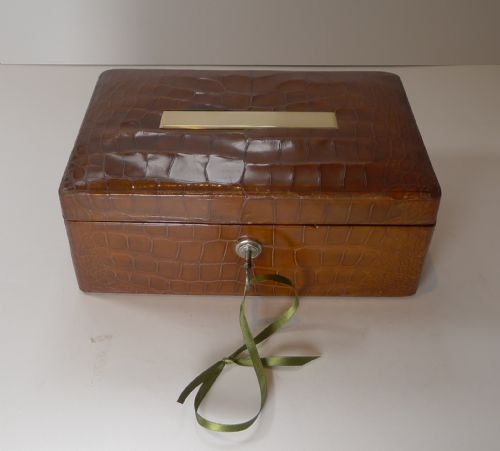
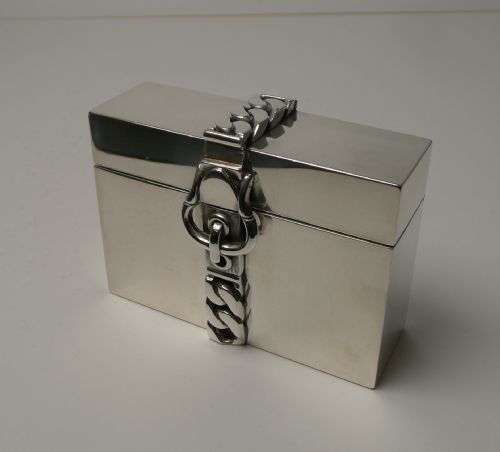
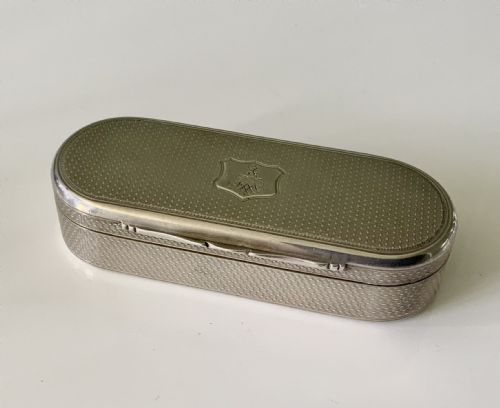
A vintage trinket case spans functional receptacles designed for precious items, travelling, and personal use. These objects include jewellery boxes, vanity boxes, snuff boxes, and card boxes created across Victorian, Edwardian, and Art Deco periods.
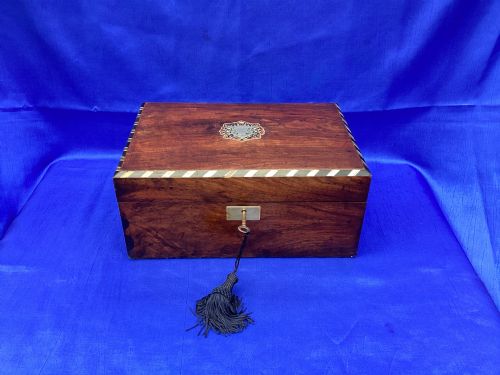
Buyers encounter solid sterling silver vessels alongside timber caskets finished in mahogany, rosewood, or coromandel. Leather and crocodile skin examples sit beside lacquer work and paper-mâché pieces.
Origins stretch from English workshops to continental Europe, Russia, Siam, and India. The selection ranges from plain utility boxes to intricate decorative pieces meant for display.
Materials and Construction
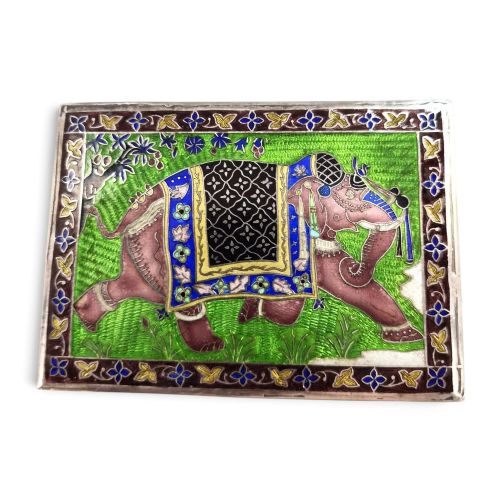
Silversmiths shaped sterling silver and cast metal through hammering, chasing, and engraving. Enamel work and niello added surface colour and contrast to metal boxes.
Cabinetmakers worked with dense hardwoods like mahogany, walnut, and coromandel, often adding fine inlays. Leather and crocodile skin coverings were stretched over rigid cores and tooled by hand.
Lacquer techniques required multiple brushed layers on timber or paper-mâché foundations to achieve smooth, durable finishes.
Vintage Trinket Case Retail Price Guide 2026
Typical asking prices for vintage trinket case among the pieces listed under this phrase on Sellingantiques today, from the lower quarter to the upper quarter. They describe what is for sale here now, not the wider market.
Distinctions in Standard
Quality rests in the precision of the construction, seen in tight joints, well-fitted lids, and the integrity of internal linings. Superior metal boxes show crisp hand-chasing and uncompromised gauges of silver.
Materials dictate distinction, where dense exotic woods, thick precious metals, and hand-applied enamels set examples apart from simpler plated or softwood pieces. Original fitted interiors and working locks elevate an object's integrity.
Georg Jensen·Harald Nielsen·Vishnyakov Workshop·Van Cleef and Arpels·Cartier London·Nelson and Drake
The Vintage Trinket Case Glossary
- Sterling silver
- A silver alloy containing 92.5 percent pure silver by mass, widely used for British boxes and cases. It bears hallmarks indicating the assay office and year of production.
- Coromandel
- A dense, heavy timber from Asia featuring dark brown grain with contrasting streaks. It was favoured by nineteenth-century makers for luxury vanity and jewellery boxes.
- Niello
- A black metallic alloy used as a decorative inlay on engraved silver surfaces. The technique creates dark contrasts against polished metal.
- Papier-mâché
- A composite material made from paper pulp or layers of paper bound with glue, then lacquered and dried. It forms light yet rigid boxes.
- Bijouterie table
- A glass-topped display table designed to hold small trinkets and valuables. Edwardian examples often feature hinged glazed lids.
Vintage Trinket Case: Frequently Asked Questions
What were vintage trinket cases used for?
These boxes held jewellery, cosmetics, calling cards, tobacco, and small personal keepsakes. Many were tailored for specific travel needs.
Larger versions sat on dressing tables, while smaller pill and snuff boxes fit easily into pockets.
How do I date a silver trinket box?
British silver boxes carry hallmarks that indicate the assay office, standard mark, and a specific date letter. These stamps provide exact years of manufacture.
Foreign silver relies on style, maker marks, and regional stamps for approximate dating.
Are wooden boxes lined inside?
Many nineteenth-century wooden boxes feature fitted interiors lined with velvet, silk, or leather. These compartments protected jewellery and writing instruments.
Some retain original mirrors and lift-out trays designed for smaller items.
What is the difference between coromandel and mahogany?
Mahogany is a stable, reddish-brown timber used extensively in English cabinetmaking. Coromandel is a heavily figured, darker exotic wood from Asia with striking striped patterns.
Coromandel appears more frequently on luxury nineteenth-century vanity and stationery cases.