

Vintage Trinket Boxes
Vintage trinket boxes are small containers of precious materials and meticulous craft, perfect for holding keepsakes on a dressing table.
Vintage Trinket Boxes
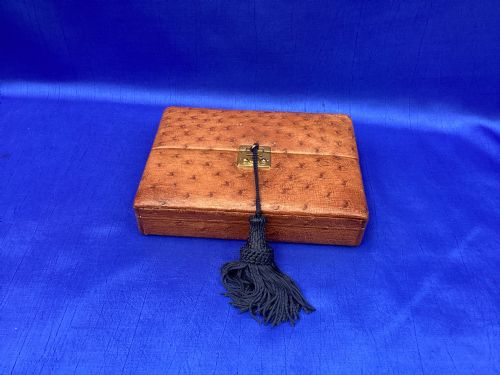
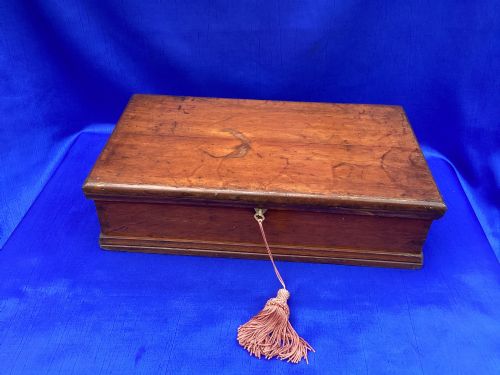
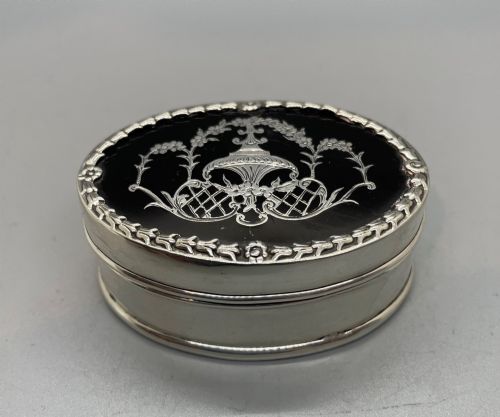
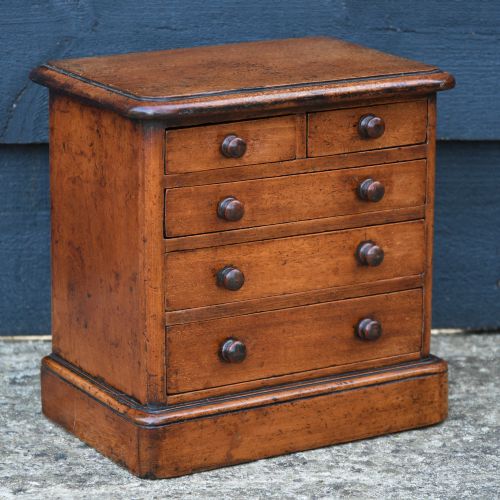
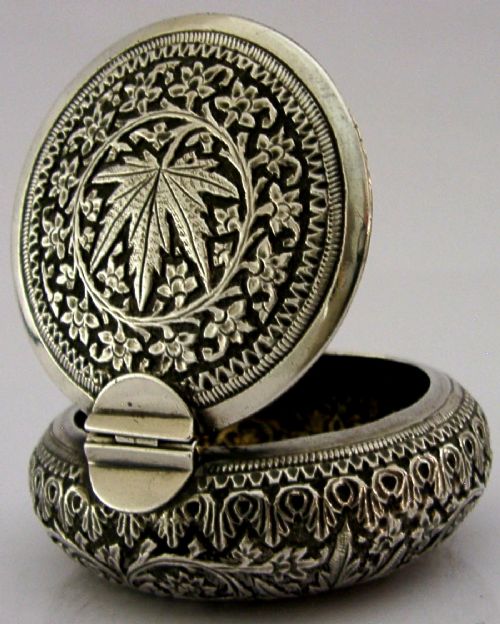
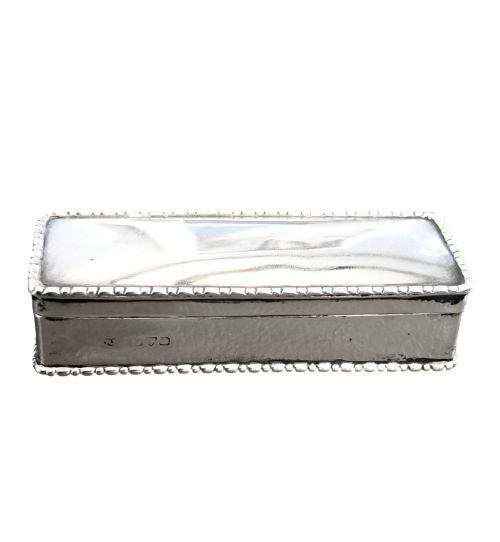
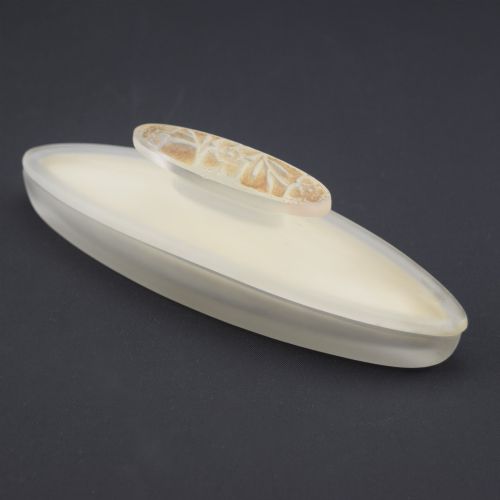
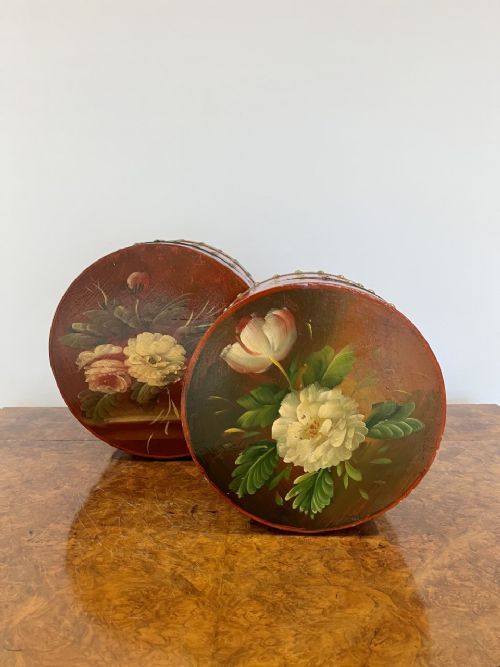
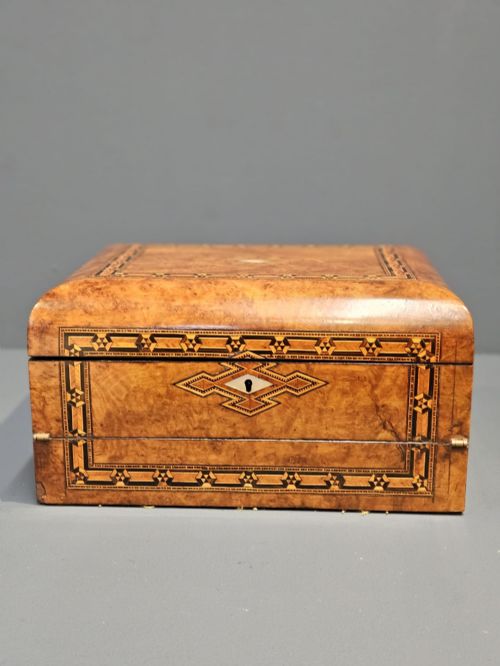
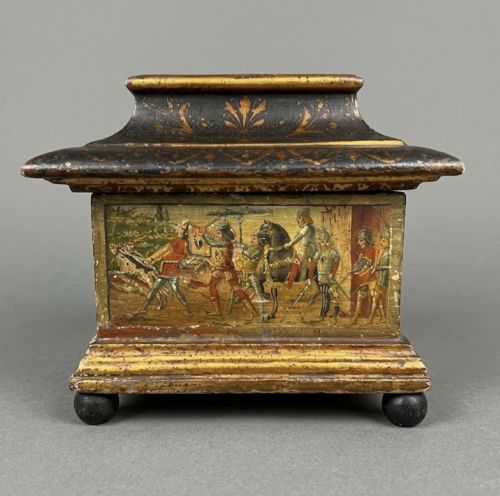
When searching for vintage trinket boxes, buyers encounter a diverse array of small containers spanning several centuries of design. The selection includes dedicated jewellery boxes, pill boxes, snuff boxes, tea caddies, and small caskets intended for personal valuables.
The objects originate from periods ranging from the eighteenth century through the Art Deco era, encompassing Georgian, Victorian, Edwardian, and mid-twentieth-century examples. Materials shift from sterling silver and brass to wood, glass, and enamel, reflecting changing domestic tastes.
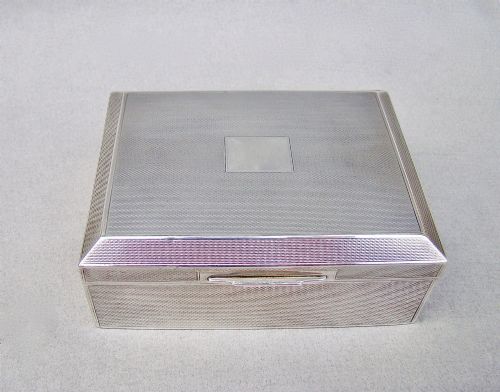
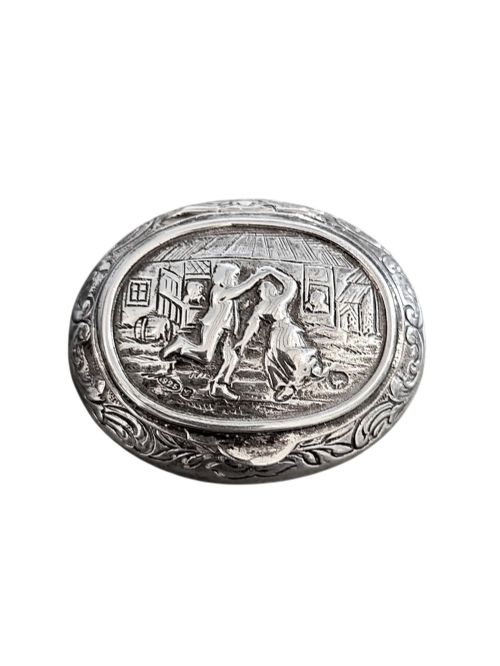
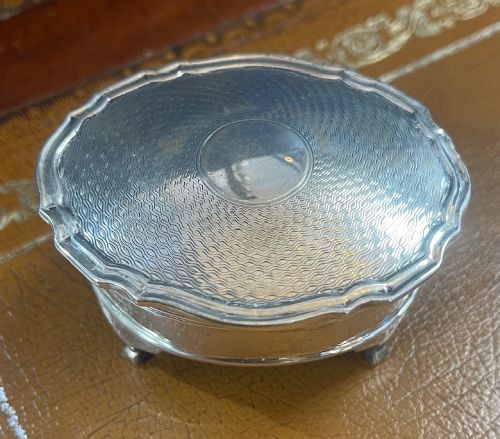
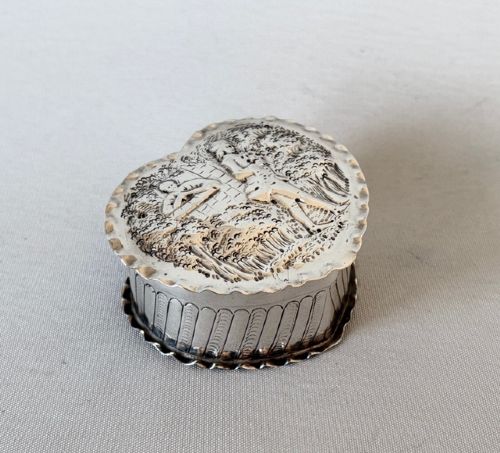
Most pieces met on this page combine functional storage with decorative ambition, whether through engine-turned metalwork or carved details. They serve as tangible links to past craftsmanship, designed to sit securely on dressing tables or desks.
How they were made
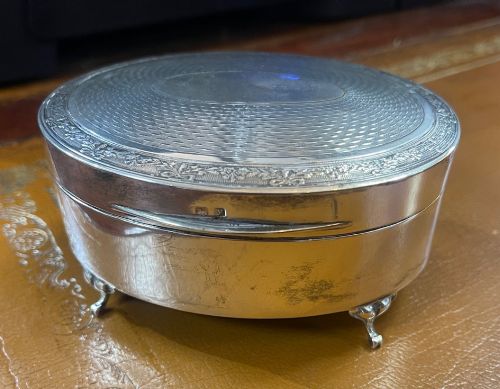
Sterling silver and base metals were shaped using techniques such as engine-turning, embossing, and casting, often finished with guilloche enamel or inset cabochons. Silversmiths utilised hallmarks to record assay offices and years of production on metal lids and bodies.
Wooden boxes relied on traditional joinery applied to walnut, oak, mahogany, and amboyna, frequently accented with mother-of-pearl, bone, or straw-work details. Lacquering and fine carving transformed simple timbers into decorative receptacles.
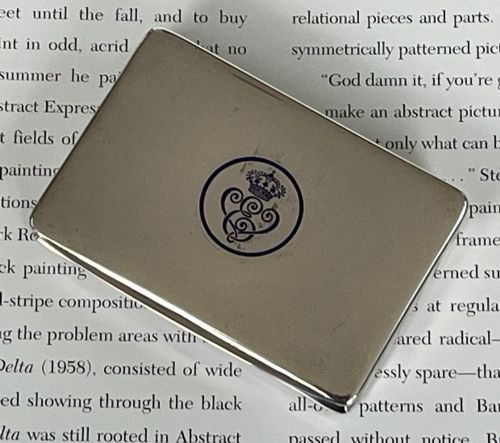
Glass production incorporated satin glass, Kralik glass, and amber opalescent glass, sometimes paired with metal mounts. Enamelling applied vibrant colour to copper and silver surfaces through high-temperature firing.
Vintage Trinket Boxes Retail Price Guide 2026
Typical asking prices for vintage trinket boxes among the pieces listed under this phrase on Sellingantiques today, from the lower quarter to the upper quarter. They describe what is for sale here now, not the wider market.
What varies in quality
The standard of execution in metalwork separates utilitarian containers from master silversmith output. Crispness in engine-turning, the weight of the solid silver gauge, and the precision of hinged lids distinguish finer pieces.
In decorative arts, the complexity of enamel work and the finesse of hand-carved wood or shell details dictate overall merit. Signed pieces by recognised makers demonstrate superior design coherence compared to unassigned workshop pieces.
Mappin & Webb·Georg Jensen·Rene Lalique·Guild of Handicrafts·Martin Hall & Co
The Vintage Trinket Boxes Glossary
- Engine-turned
- A mechanical decoration technique producing intricate geometric patterns etched into metal surfaces. It provides a tactile, light-catching finish popular on silver boxes.
- Guilloche enamel
- Enamel applied over a metal surface that has been engraved with an intricate repeating pattern. This technique creates a translucent, shimmering depth of colour.
- Vinaigrette
- A small ornamental hinge-topped box containing a perforated grill inside for a sponge soaked in aromatic vinegar. These portable scent containers date largely from the Georgian and Victorian periods.
- Caddy
- A small container originally designed for storing loose tea leaves before they became widely affordable. Surviving examples often double as general storage boxes.
- Cabochon
- A gemstone or piece of glass shaped and polished into a smooth, rounded form rather than faceted. They are frequently mounted centrally on Arts and Crafts metalwork.
Vintage Trinket Boxes: Frequently Asked Questions
What were vintage trinket boxes used for originally?
These small containers held personal valuables such as rings, brooches, pins, and loose coins. Many were tailored for specific items like snuff, pills, or tea leaves.
Over time, their domestic role shifted toward display and safekeeping on dressing tables, where their decorative qualities became as important as their utility.
How can I tell the period of a silver box?
British silver boxes usually bear hallmark stamps indicating the assay office, the maker's mark, and a date letter corresponding to the year of manufacture. These small stamped symbols provide a reliable guide to the exact decade.
Stylistic cues such as Edwardian garland motifs or Art Deco geometric lines further narrow down the era when hallmarks are absent.
Are wooden and metal boxes cleaned differently?
Wooden surfaces require gentle dusting and occasional waxing to preserve the natural grain and prevent the timber from drying out. Moisture should be kept away from antique wood joinery.
Silver and metal components benefit from specialised metal polishing cloths used sparingly to avoid wearing away thin plating or delicate engine-turned engravings.
How do I style a vintage box at home?
Vintage boxes look natural placed on dressing tables, mantelpieces, or bedside cabinets, where they serve as functional storage for everyday jewellery. Grouping pieces of contrasting materials, such as combining polished wood with gleaming silver, creates visual depth.
They also function effectively on open bookshelves or coffee tables to contain small modern clutter out of sight.