




Vintage Tree Planter
These vintage tree planter pieces bring character to gardens and rooms, offering sturdy homes for greenery through enduring materials.
Vintage Tree Planter
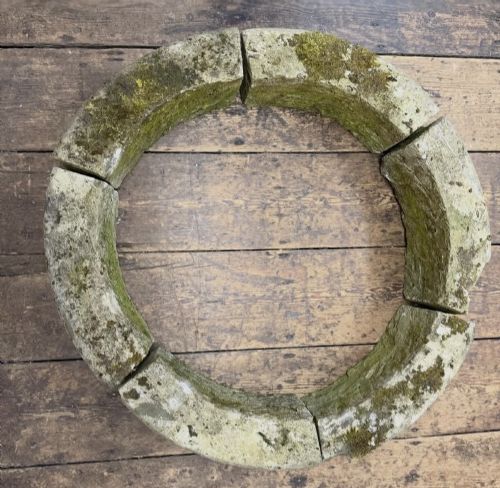
A vintage tree planter serves both practical and decorative roles in holding shrubs, trees, and substantial plants. Buyers exploring this category encounter vessels designed to support larger foliage in interior and exterior settings.
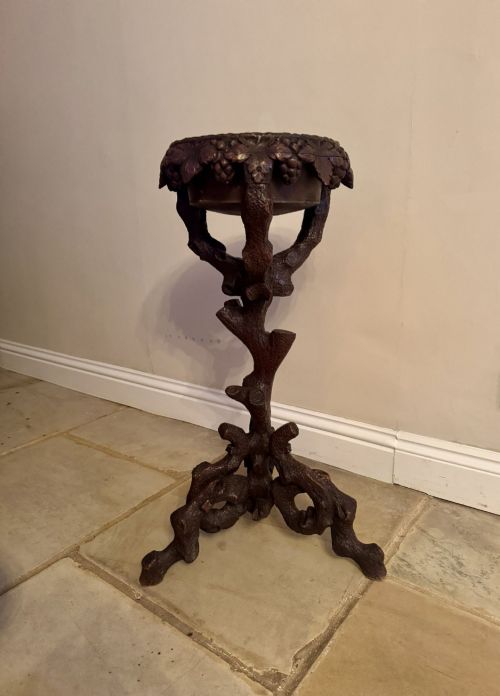
The options span distinct periods from the Georgian era through the nineteenth century and into the twentieth century. Common forms include garden planters, jardiniere stands, and rustic tubs intended for prominent display.
Origin and style vary widely across the selection, ranging from English rustic and utilitarian pieces to Chinese Qing style and Japanese mingei vessels. This diversity allows collectors to match specific architectural and garden aesthetics.
Materials and construction
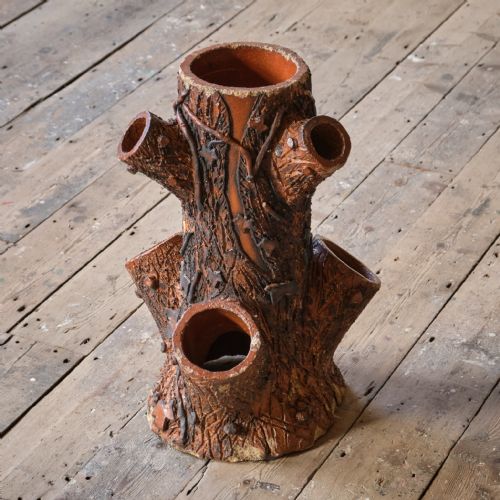
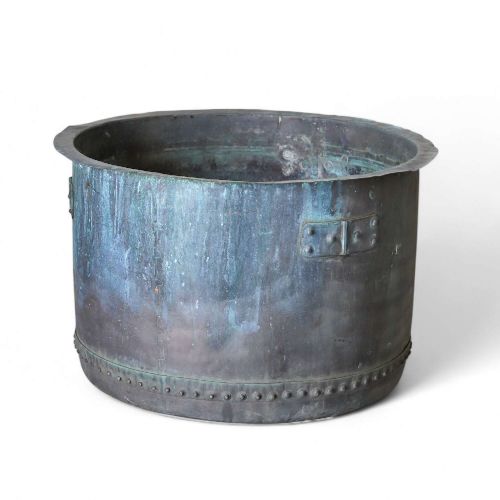
Makers utilised a diverse range of durable materials including earthenware, terracotta, and salt-glazed pottery shaped into naturalistic faux bois designs. Metal variations involve hand-riveted copper and galvanised iron built for heavy garden duty.
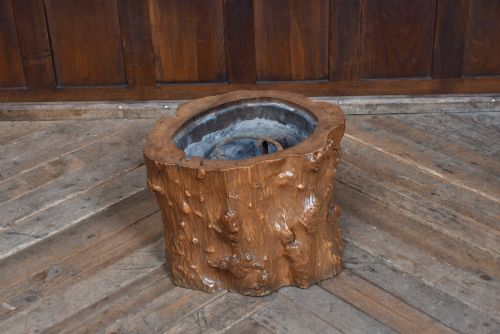
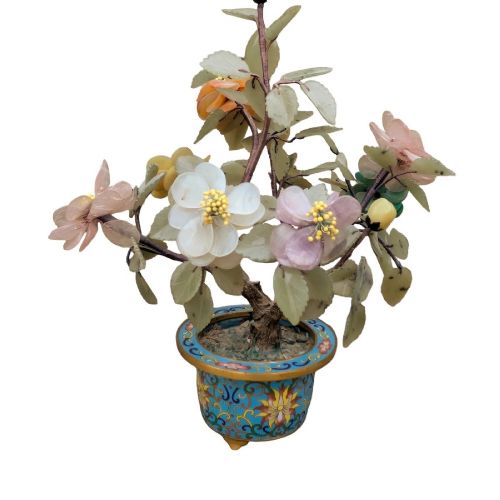
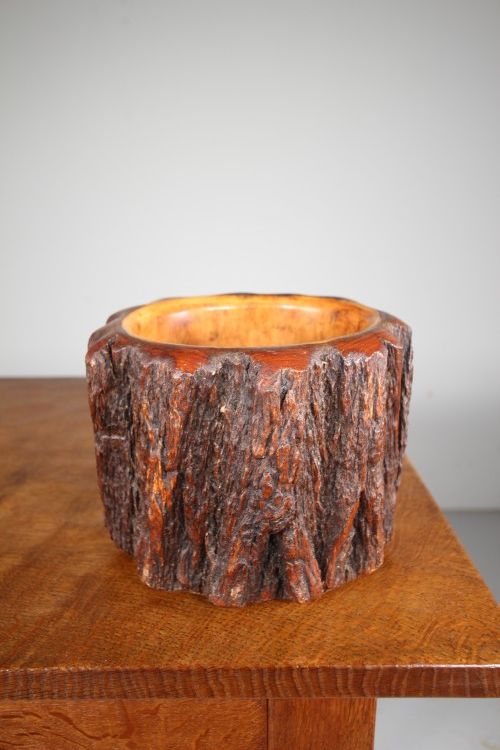
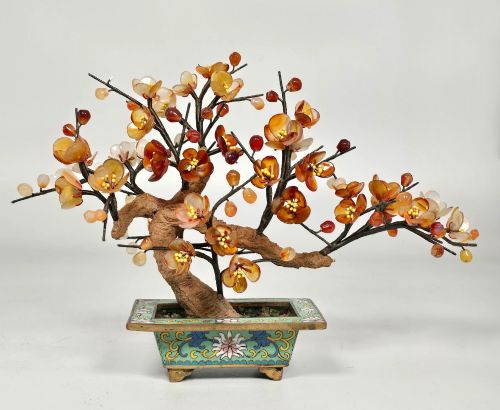
Wooden examples rely on traditional carpentry techniques, featuring dug-out tree trunks and treen construction from sycamore and box wood. Asian decorative items incorporate hardstone, jade, agate, and cloisonné elements applied to bronze or wooden bases.
Vintage Tree Planter Retail Price Guide 2026
Typical asking prices for vintage tree planter among the pieces listed under this phrase on Sellingantiques today, from the lower quarter to the upper quarter. They describe what is for sale here now, not the wider market.
Materials range widely from natural wood and earthenware to jade, agate, and hand-riveted copper.
Assessing craftsmanship
Quality rests in the integrity of the construction and the fidelity of naturalistic details, such as realistic bark textures on faux bois pottery. Hand-riveted metal vessels demonstrate superior assembly through tight joints and substantial gauge metal.
The refinement of surface decoration distinguishes finer decorative objects, particularly in carved hardstone bonsai trees and cloisonne work. Well-preserved patination on copper and natural weathering on terracotta add depth that machine-made items lack.
The Vintage Tree Planter Glossary
- Faux bois
- A French term meaning false wood, describing objects shaped to imitate wooden logs, branches, or bark. This style gained popularity during the Victorian period for garden ornaments.
- Jardiniere
- An ornamental pot or stand for holding plants or flowers, usually designed for indoor use. These vessels sit on floors or dedicated stands rather than garden soil.
- Treen
- Small handmade wooden household objects and utensils. In this context, it refers to items carved directly from timber.
- Cloisonne
- An ancient technique for decorating metalwork objects with coloured material held in place by thin metal strips. It frequently appears on Asian decorative pieces.
Vintage Tree Planter: Frequently Asked Questions
What is a faux bois planter?
A faux bois planter is a vessel shaped by hand to resemble natural wood, tree trunks, or branches. Makers used materials like concrete, terracotta, and salt-glazed pottery to achieve this organic texture.
These pieces were especially popular in the nineteenth century for gardens and conservatories. They offer the rustic appearance of timber without the natural decay associated with wood in damp soil.
How were nineteenth-century metal planters built?
Metal planters from the nineteenth century often utilised heavy copper sheets joined by hand-riveting. This technique ensured the vessel could hold heavy damp earth and large root systems securely.
Over decades, these copper bodies develop a rich natural patina from exposure to the elements. Galvanised iron was also utilised for sturdy outdoor tubs and shrub containers.
Where should I place a jardiniere?
A jardiniere is traditionally designed to hold plants indoors, protecting surfaces from water while displaying foliage. They sit well on dedicated stands, tables, or directly on the floor depending on their scale.
Historic pieces made of delicate materials like hardstone or cloisonne require indoor placement away from frost. Sturdier earthenware and metal versions suit sheltered patios and conservatories.
How do I identify a dug-out wooden planter?
A dug-out wooden planter is carved from a single solid section of a tree trunk rather than constructed from assembled planks. Examining the interior reveals deep tool marks and the continuous grain of the original timber.
Sycamore and other local hardwoods were frequently selected for this purpose. These rustic items show the natural contours of the wood from which they were shaped.