





Vintage Travel Painting
These vintage travel painting pieces capture distant scenes and journeys, offering a distinct visual record of movement and exploration.
Vintage Travel Painting
A vintage travel painting captures scenes from journeys, often taking the form of watercolours and gouache works created during excursions abroad. These artworks frequently depict foreign rivers, villages, and harbour views, preserving the atmosphere of past travels on paper.
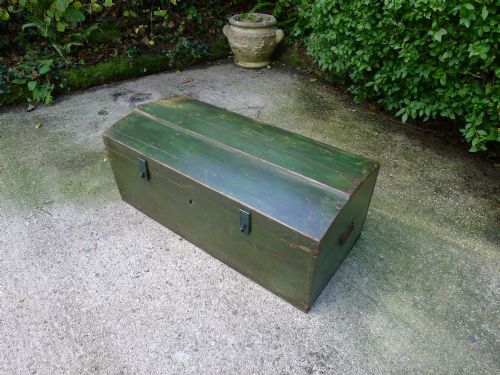
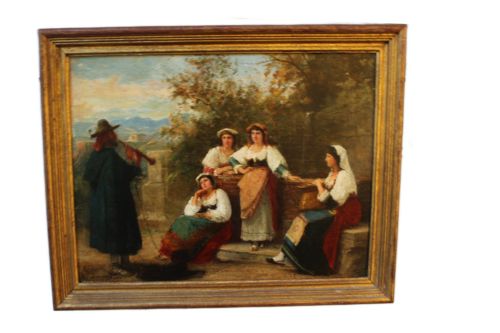
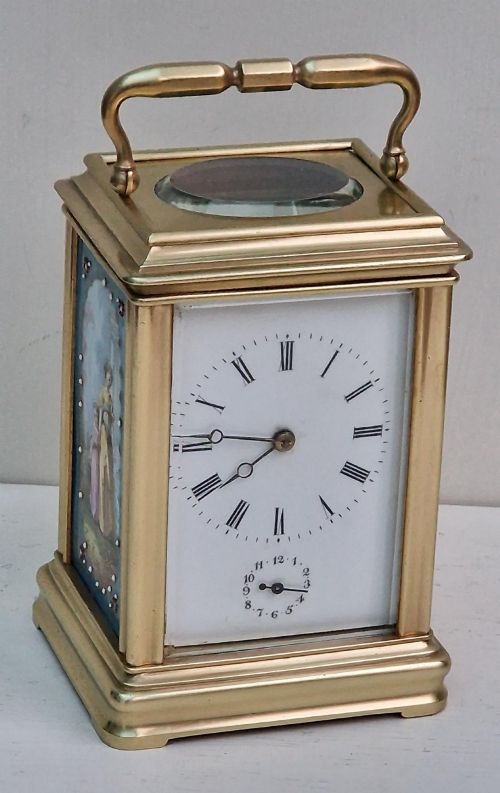
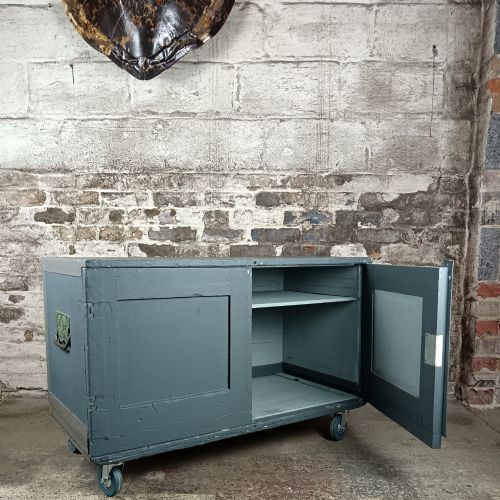
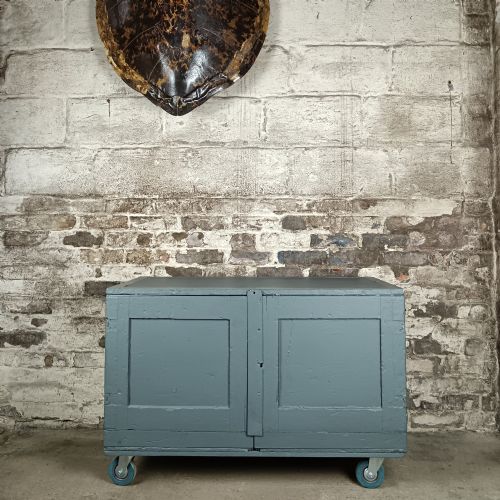
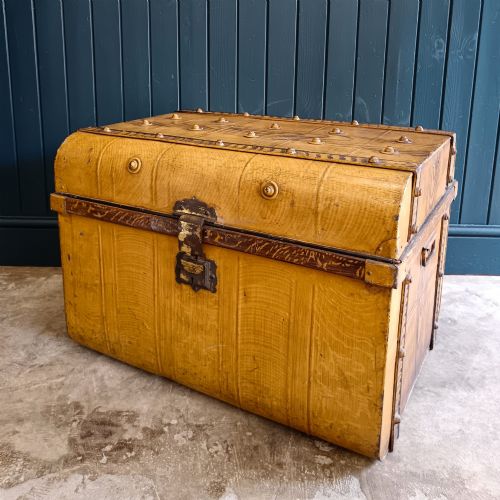
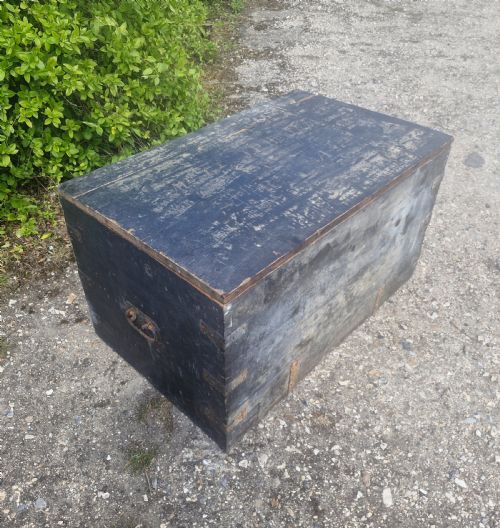
The selection here encompasses mid-twentieth-century watercolours and gouache poster designs alongside painted travel trunks and carriage clocks featuring enamel paintings. Such items reflect a broader culture of movement, combining portable art with the physical containers used for journeys.
Buyers will encounter specific examples such as Nile village scenes by Anne Dorrien Smith and Sydney Harbour poster designs from the early 1930s. These pieces demonstrate how travel art intersected with personal exploration and commercial transport during the period.
Materials and Techniques
Artists utilised watercolours and gouache on paper to create lightweight, portable scenes that could be easily transported during expeditions. These pigments captured rapid impressions of light and landscape on location.
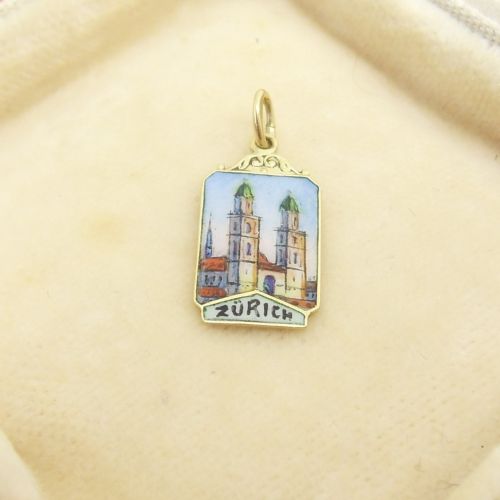
Related travel items incorporate enamel paintings on porcelain panels or metal surfaces, particularly within carriage clocks and decorative boxes. These durable mediums protected the imagery while withstanding the rigours of transit.
Substrates ranged from fine paper for paintings to sturdy pine, oak, and metal for the trunks and cases that carried personal belongings and equipment. Iron, brass, and leather bindings added structural resilience to these travel pieces.
Vintage Travel Painting Retail Price Guide 2026
Typical asking prices for vintage travel painting among the pieces listed under this phrase on Sellingantiques today, from the lower quarter to the upper quarter. They describe what is for sale here now, not the wider market.
Travellers once relied on Winsor & Newton paint boxes to capture the Nile on paper while their steamer trunks rolled below deck.
Evaluating Quality
The distinction between standard items and superior examples lies in the execution of the painted surface and the preservation of the material. Finer watercolours and gouache works display confident brushwork and clear atmospheric perspective, while lesser pieces appear static.
Construction integrity and original surface finishes also dictate the standing of a piece, especially among painted trunks and fitted boxes. Items retaining their original painted decoration and hardware hold greater interest than those with later repainting.
The attribution to known artists or makers, such as specific watercolourists or luxury trunk manufacturers, elevates the stature of an object within this category. Documentation and provenance further distinguish exceptional travel items from utilitarian goods.
The Vintage Travel Painting Glossary
- Gouache
- An opaque water-based paint that dries to a matte finish, frequently utilised for travel posters and detailed landscape studies because of its strong pigment concentration.
- Watercolour painting
- A method where water-soluble pigments are applied to paper, allowing for translucent washes of colour that suit rapid outdoor sketching.
- Campaign military chest
- A modular form of furniture designed to dismantle and pack into transport cases for officers on the move during the nineteenth century.
- Carriage clock
- A small, spring-driven clock built for travel, often featuring brass frames and glazed panels sometimes decorated with enamel paintings.
- Steamer trunk
- A luggage trunk with a lower profile designed to fit beneath the cabin berth of a passenger ship during ocean voyages.
Vintage Travel Painting: Frequently Asked Questions
What is a vintage travel painting?
A vintage travel painting is an artwork created on paper, typically using watercolours or gouache, that records scenes from journeys, foreign landscapes, or harbour views.
These works were often produced by artists travelling abroad or commissioned as commercial poster designs to promote destinations.
How were these paintings transported?
Artworks and personal effects were carried in specialised trunks, leather cases, and painted wooden chests designed to withstand long journeys by land and sea.
Sturdy materials like pine, iron, and brass protected the contents during transit.
Where can I display travel art?
These paintings suit studies, hallways, or living spaces where framed works on paper can be viewed closely in natural light.
Pairing them with related travel trunks or carriage clocks creates a cohesive thematic display.
How do I identify the period of these pieces?
Dating relies on the stylistic markers of the painting medium, paper type, and the construction methods of associated frames or transport cases.
Nineteenth and early twentieth-century pieces often exhibit specific signatures, manufacturer marks, or aesthetic movements like Art Deco.