



Vintage Transferware Plate
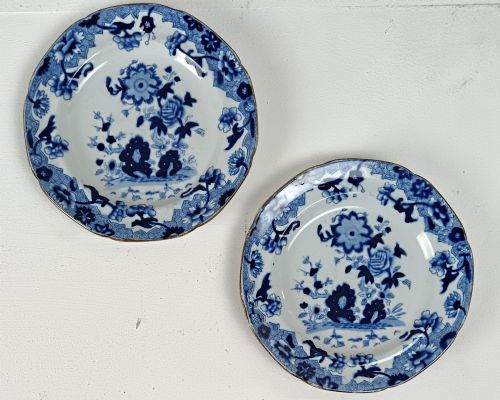
A vintage transferware plate brings patterned depth to a table, using printed blue designs on earthenware and ironstone surfaces.
Vintage Transferware Plate
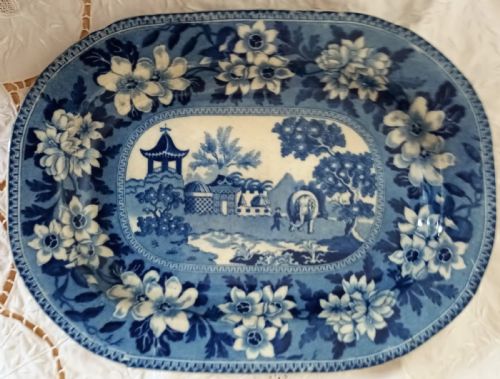
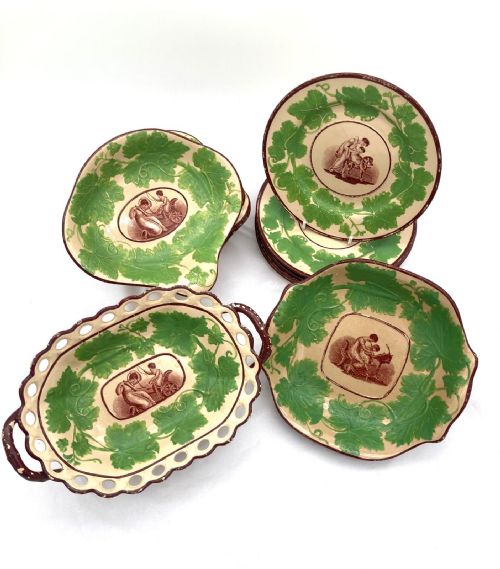
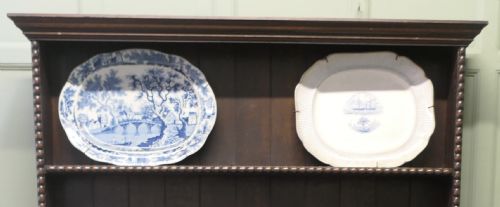
A vintage transferware plate is a ceramic tableware piece decorated with a copperplate print transferred onto earthenware, ironstone, or pearlware. These items appear across nineteenth century periods, including Georgian, Regency, Victorian, and Edwardian eras, spanning dinner plates, tea plates, and large serving platters.
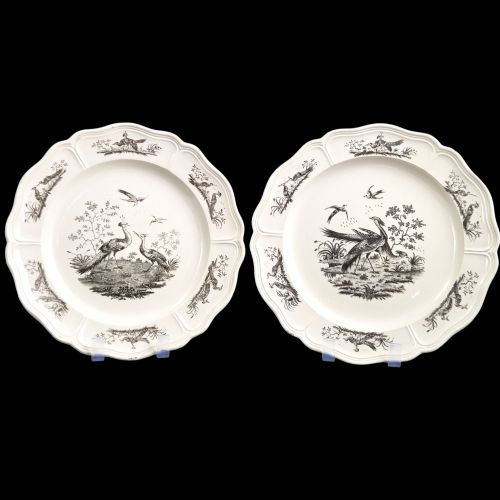
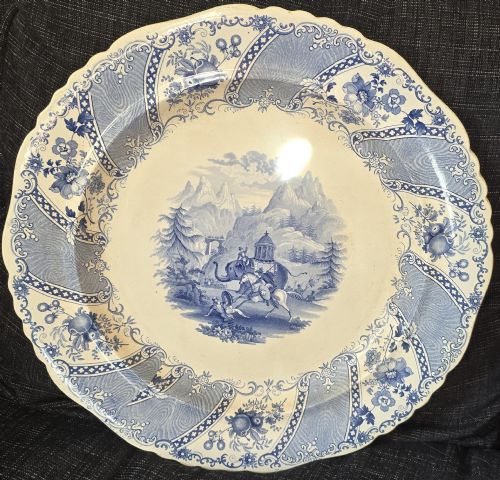
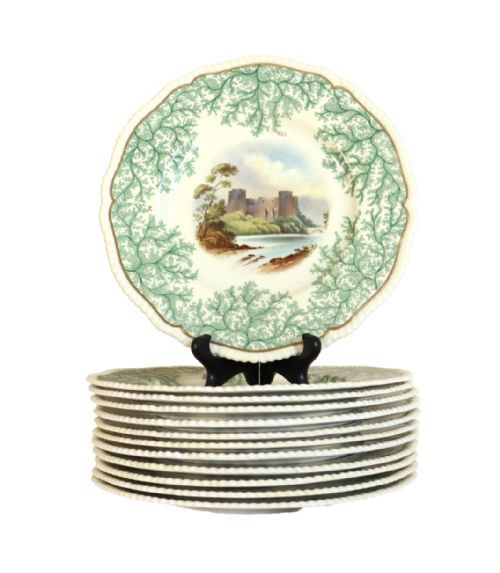
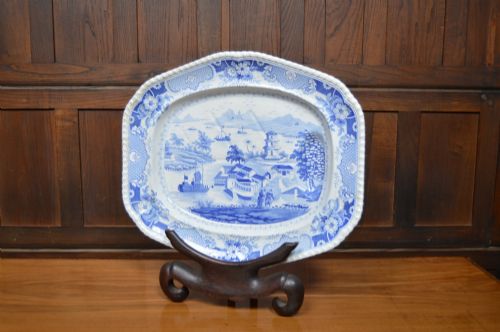
The forms on this page range from individual decorative plates and sets of twelve dinner plates to substantial chargers and meat platters. Many display blue and white pictorial schemes, featuring patterns such as India Temple, Elephant, Tower, and Chinese Garden.
Makers represented include Spode, William Smith and Co, John Rogers and Son, and Mason's Ironstone. Collectors encounter both single display examples and large service components from nineteenth century Staffordshire potteries.
How they were made
Potters formed these pieces using earthenware, creamware, pearlware, and ironstone, applying ceramic bodies that offered stable grounds for decoration. Workers then coated the fired clay in a clear glaze to seal the porous surface and deepen the tone of the underlying transfer print.
The transfer printing technique involved engraving a copper plate with a pictorial design, applying pigment mixed with oil, and lifting the image onto tissue paper. Craftsmen then pressed the printed paper onto the biscuit ceramic before glazing and firing the piece in a kiln.
Vintage Transferware Plate Retail Price Guide 2026
Typical asking prices for vintage transferware plate among the pieces listed under this phrase on Sellingantiques today, from the lower quarter to the upper quarter. They describe what is for sale here now, not the wider market.
Listings feature earthenware, ironstone, and pearlware materials across Georgian, Regency, and Victorian periods.
What varies in quality
Quality in a vintage transferware plate rests upon the crispness of the transfer print and the clarity of the underlying ceramic glaze. Stronger examples display sharp lines in complex pictorial patterns without blurring or overlapping in the ink.
The weight and refinement of the ceramic body also distinguish individual items, with durable ironstone and fine pearlware representing sturdier manufacture than basic earthenware. Pieces produced by established potteries often maintain firmer definition across decorative borders.
William Smith and Co·Leeds Pottery·Spode·John Rogers and Son·Elkin and Newbon·Pettys and Co Leeds·William Adams·Copeland Spode
The Vintage Transferware Plate Glossary
- Transferware
- Pottery decorated by transferring a printed design from an engraved copper plate onto the ceramic surface using tissue paper. This method allowed intricate pictorial scenes to be produced in quantity during the nineteenth century.
- Ironstone
- A dense, durable type of heavy earthenware patented in the nineteenth century to imitate Chinese porcelain. It provides a sturdy body for large meat platters and heavy dinner services.
- Pearlware
- A refined form of earthenware developed in the late eighteenth century with a bluish-white glaze that pooled in recesses to mimic Chinese export porcelain. It appears frequently on Georgian and early nineteenth century plates.
- Charger
- A large ornamental or serving plate used traditionally for display or at the centre of a table setting. These items often feature expansive landscape or architectural transfer prints.
- Biscuit
- Fired but unglazed ceramic pottery that is ready to absorb transfer printing before the final glaze application and subsequent kiln firing. This stage sets the porous foundation for the decoration.
Vintage Transferware Plate: Frequently Asked Questions
How are transferware plates dated?
Dating relies on maker marks, pattern names, ceramic bodies, and style characteristics recorded across nineteenth century production. Potters often used impressed marks or printed backstamps that indicate specific manufacturing decades.
Changes from creamware and pearlware bodies toward heavy ironstone also help place a piece within Georgian, Regency, or Victorian periods.
Can these plates be used daily?
Most pieces survive from the nineteenth century as decorative items, tableware components, or serving platters. Their sturdy ironstone or earthenware bodies tolerate careful handling, but age makes modern dishwashers unsuitable.
Hand washing preserves the historic glaze and prevents the underlying ceramic from absorbing moisture over time.
What is the difference between earthenware and ironstone?
Earthenware is a porous, traditional pottery body fired at lower temperatures, whereas ironstone is a denser, vitrified ceramic developed to resist chipping. Ironstone offers greater weight and durability for large meat platters and heavy dinner services.
Both materials accepted transfer printing, but ironstone plates generally feel heavier in the hand.
Why are most transfer prints blue?
Cobalt oxide served as the primary pigment because it withstood the high kiln temperatures required to fuse the glaze without burning away. This chemical stability made blue the most reliable and common colour for nineteenth century printed ceramics.
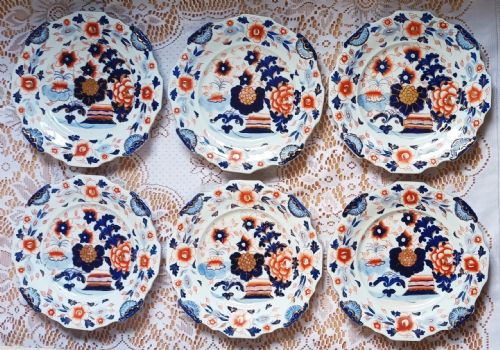
Potteries eventually expanded into multi-coloured patterns once pigment chemistry advanced during the Victorian era.